The Himachal Pradesh High Court’s dismissal of a writ petition following the resolution of community grievances underscores the critical role of judicially mandated expert investigations in infrastructure-related disasters. The judgment affirms that state and project authorities must proactively engage technical committees to assess structural risks and compensate affected citizens, reinforcing statutory obligations under the Disaster Management Act, 2005.
Background & Facts
The Dispute
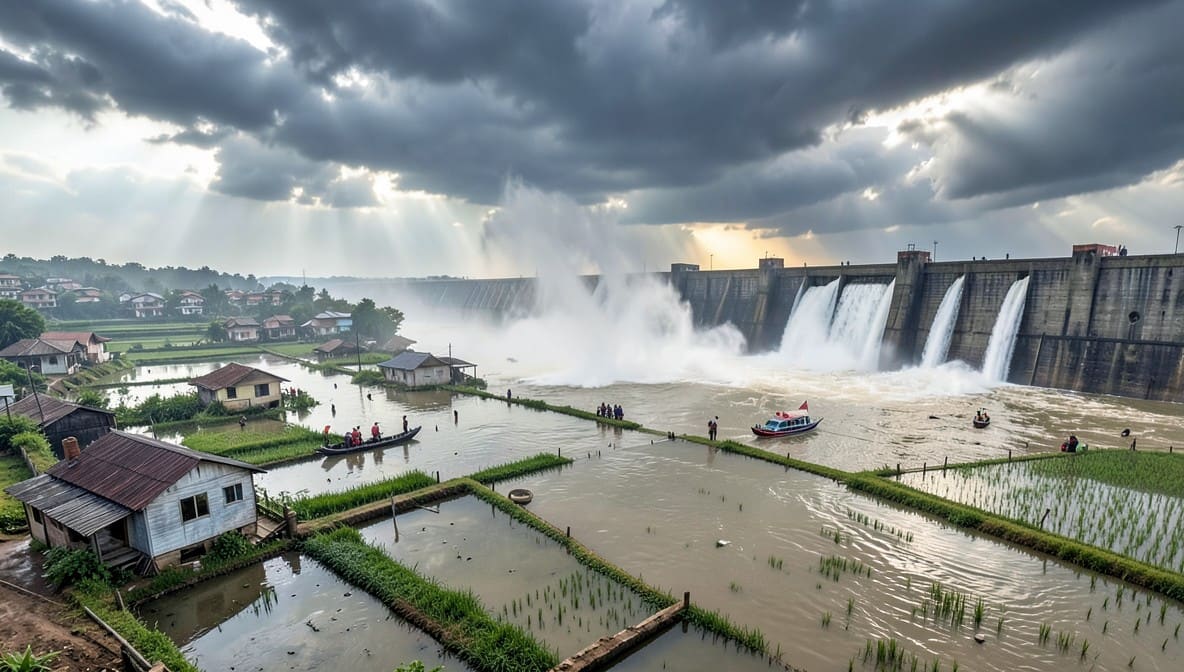
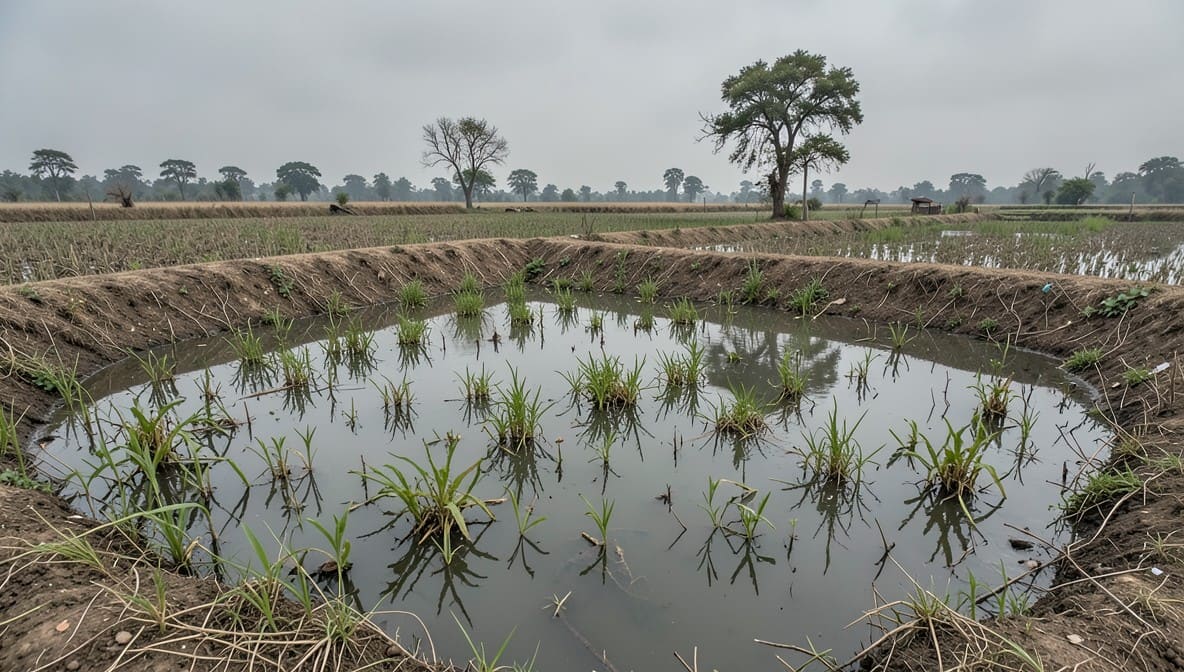
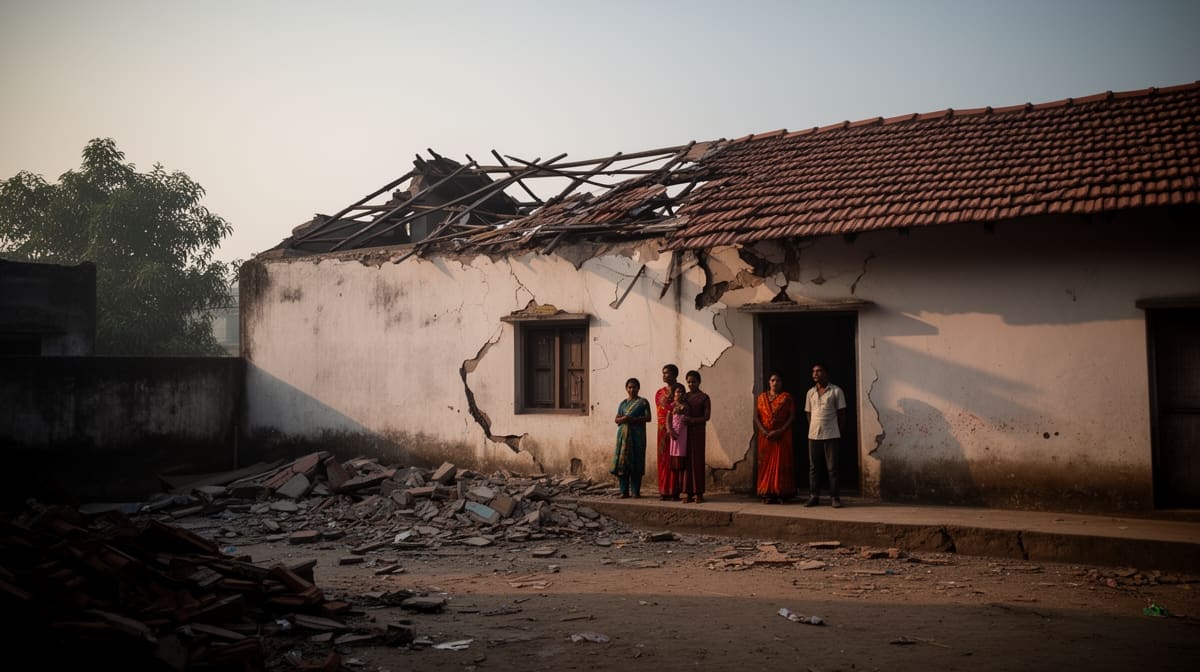
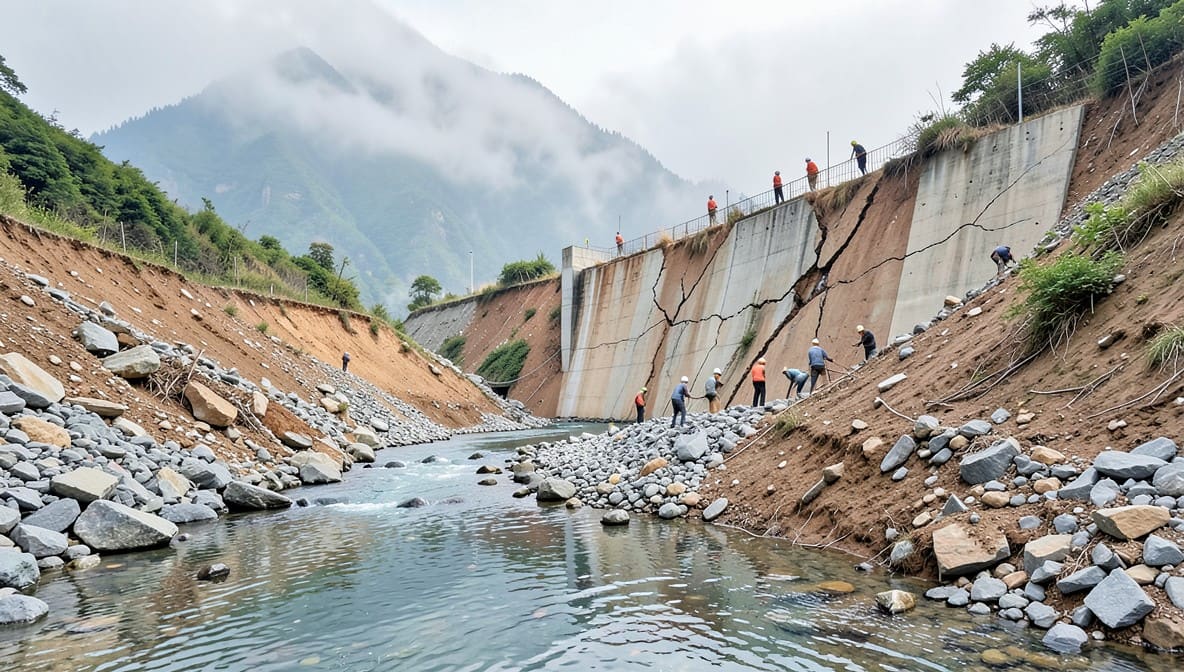
Petitioners, residents of Village & Post Office Shallang, Tehsil & District Kullu, filed this writ petition seeking judicial intervention against the construction and operation of the Sarbari Small Hydro Project by respondent No.1, DSL Hydrowatt (P) Ltd. They alleged that unregulated project activities triggered a massive rock mass slide in 2023 and again during the 2025 monsoon season, causing severe structural damage to the surge shaft/tank area and diverting the flow of the Sarbari River. This diversion led to deposition of muck and debris on petitioners’ land, resulting in irreversible agricultural and property damage.
Key Facts
- The Sarbari Small Hydro Project is operated by respondent No.1, DSL Hydrowatt (P) Ltd.
- A rock mass movement was first triggered by excessive rainfall in 2023 and worsened during the 2025 monsoon season.
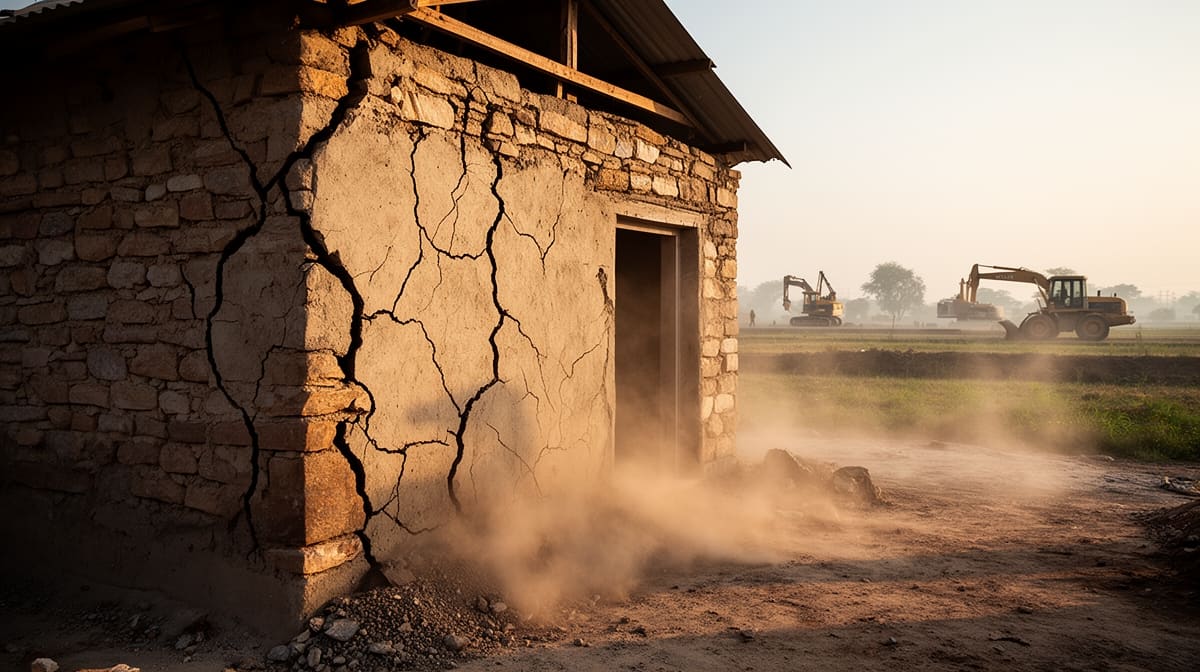
- The surge shaft/tank area suffered structural damage, including widening cracks and displacement of the penstock.
- Remedial works including cement grouting were initiated in 2023 and remained ongoing as of December 2025.
- Water spilling from the surge shaft violated design specifications.
- A geological investigation report essential for assessing long-term safety was not provided to the inspection committee.
- The rockslide caused downstream debris deposition, altering the river’s course and damaging petitioners’ land, as verified by revenue records.
- The project proponent had already paid compensation to upstream affected persons but not to the petitioners.
- No generation activity was being carried out by respondent No.1 as of January 2026 due to restoration work.
Procedural History
- 2025: Petitioners first raised grievances with local authorities and state agencies.
- 19.11.2025: Writ Petition (CWP No.19147 of 2025) filed before the High Court of Himachal Pradesh.
- 04.12.2025: Court ordered respondent No.3 (Government of Himachal Pradesh) to conduct an on-site inspection with a team of experts.
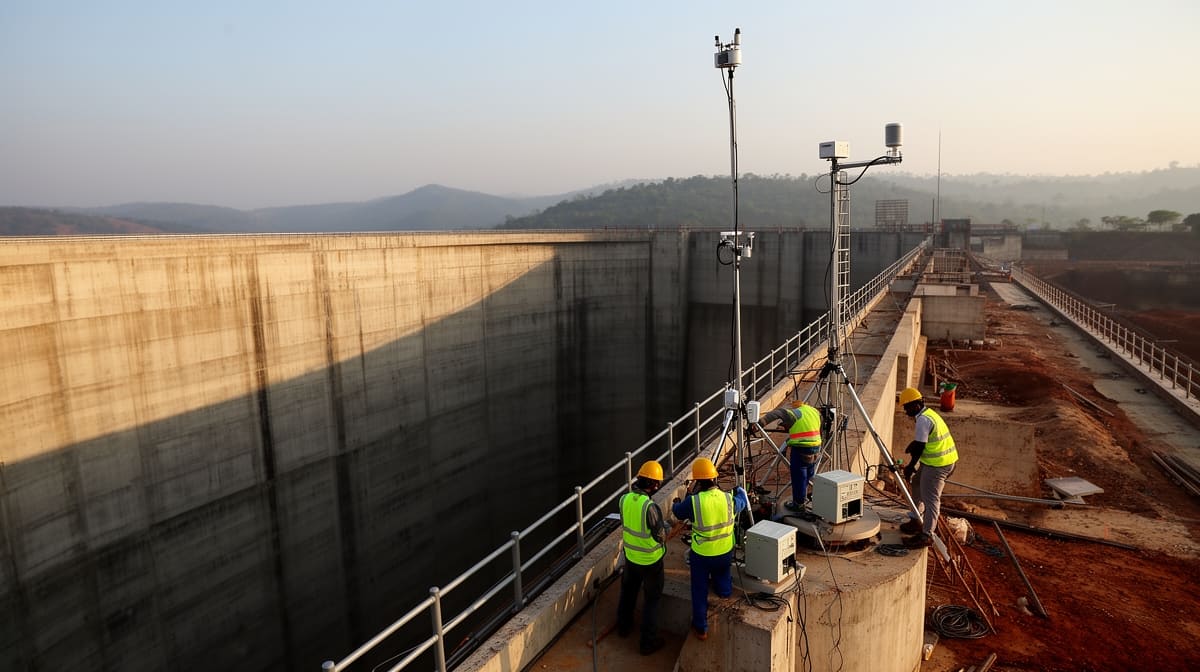
- 09.12.2025: Inspection report submitted by a committee comprising Chief Engineer (Energy), Additional Superintending Engineers, Sub-Divisional Magistrate, Assistant Engineer, and representatives from HIMURJA and HPSEBL.
- 06.01.2026: Court took the report on record, noted its findings, and directed:
- A fresh inspection report to be filed by 07.03.2026.
- Petitioners to submit representations for damage assessment to the Deputy Commissioner by 20.01.2026.
- A ban on resumption of electricity generation without court permission.
- 20.01.2026: Petitioners submitted representations for damage assessment.
- 02.03.2026: Updated inspection report filed.
- 07.03.2026: Hearing held; respondent No.1 applied for permission to resume generation.
- 08.04.2026: Petitioners’ counsel informed the Court that all grievances had been redressed and compensation had been duly paid.
Relief Sought
Petitioners sought:
- Constitution of an Expert Members Committee under Clause (h) of Section 36, Clauses (i) & (m) of Section 34, and Clause (i) of Section 39 of the Disaster Management Act, 2005.
- Safety audits of all project components of respondent No.1.
- Assessment of damages caused to petitioners’ land.
- Direction to the respondents to provide compensation equivalent to that paid to upstream affected persons.
The Parties' Positions
Petitioners: Argued that the project’s design and operational negligence led to a preventable disaster. They emphasized the absence of a comprehensive geological study and the failure to conduct prior environmental and hydrological impact assessments. They relied on the statutory mandate under the Disaster Management Act to compel expert intervention.
Respondents: Did not contest the factual findings of the inspection report. Respondent No.1 acknowledged ongoing restoration and stated that no generation was taking place. The State respondents accepted the need for damage assessment and confirmed that compensation had been settled with petitioners.
The Legal Issue
Whether the State and project proponent are legally obligated under the Disaster Management Act, 2005 to constitute an expert committee for in-situ investigation and safety audit following infrastructure-induced natural disasters, and whether failure to do so constitutes a violation of statutory duty.
Arguments Presented
For the Petitioners
Petitioners relied on Section 36(h) of the Disaster Management Act, 2005, which mandates the State Government to ensure that all infrastructure projects undergo safety audits and risk assessments. They cited Section 34(i) and Section 39(i), which require the establishment of expert mechanisms to evaluate structural integrity and environmental impact. They argued that the absence of a geological report and the failure to assess downstream impacts violated these provisions. They also invoked the principle of polluter pays and the State’s duty under Article 21 to protect life and property.
For the Respondent
Respondents did not dispute the factual findings of the inspection report. The project proponent admitted to ongoing remedial works and acknowledged the need for compliance. The State, through the Additional Advocate General, confirmed that compensation had been paid to petitioners and that all procedural requirements had been fulfilled. No legal defense was mounted against the statutory obligations under the Act.
The Court's Analysis
The Court undertook a detailed review of the inspection report dated 09.12.2025 and the updated report dated 02.03.2026. It noted that the committee, comprising technical and administrative officials, had conclusively established that the disaster was directly linked to the project’s infrastructure and that the remedial measures were incomplete without a comprehensive geological study. The Court emphasized that the report’s findings were not merely advisory but constituted a statutory trigger under the Disaster Management Act.
"The Committee emphasizes that while remedial and restoration measures are underway, the long-term safety and stability of the surge shaft/tank area require detailed geological studies. However, a comprehensive geological investigation/report, essential to assess the adequacy and long-term safety of the remedial measures, has not been provided to the committee members for review."
The Court held that the State’s failure to ensure such a report was a breach of its duty under Section 36(h). However, the Court also recognized that the petitioners’ grievances had been resolved through voluntary compensation and cessation of operations pending full compliance. The Court declined to issue further directions, noting that the purpose of the writ petition had been achieved.
The Court further clarified that the interim order prohibiting generation was not a permanent injunction but a precautionary measure pending safety compliance. With the matter resolved, the prohibition was lifted, subject to completion of all codal formalities.
The Verdict
The writ petition was dismissed as infructuous. The Court held that all grievances of the petitioners had been redressed and compensation duly paid. The interim order restraining electricity generation was vacated, subject to the completion of all requisite clearances and codal formalities. No further directions were issued, as the statutory obligations had been satisfied through voluntary compliance. Pending applications were disposed of.
What This Means For Similar Cases
Expert Committees Are Statutorily Mandatory, Not Discretionary
- Practitioners must now treat any infrastructure-induced disaster as an automatic trigger for invoking Section 36(h) and Section 34(i) of the Disaster Management Act, 2005.
- Failure to constitute an expert committee within a reasonable time after a disaster may constitute a violation of statutory duty, opening the door to writ jurisdiction.
- Courts will not tolerate delays in submitting geological or hydrological assessments, especially when public safety is at stake.
Compensation Must Be Proactive and Equitable
- The judgment implicitly endorses the "polluter pays" principle by noting that the project proponent had compensated upstream victims but not petitioners.
- Practitioners representing affected communities should demand compensation parity across all affected zones, regardless of location (upstream/downstream).
- Revenue records and on-site verification are sufficient evidence for damage quantification - no expert valuation is mandatory if the State acknowledges the loss.
Interim Orders Are Precautionary, Not Punitive
- Courts may impose temporary operational bans to prevent further harm, but these are not permanent injunctions.
- Once compliance is demonstrated and compensation settled, courts will not sustain restrictions beyond necessity.
- Practitioners should file applications for lifting interim orders promptly upon completion of remedial measures and submission of required reports.