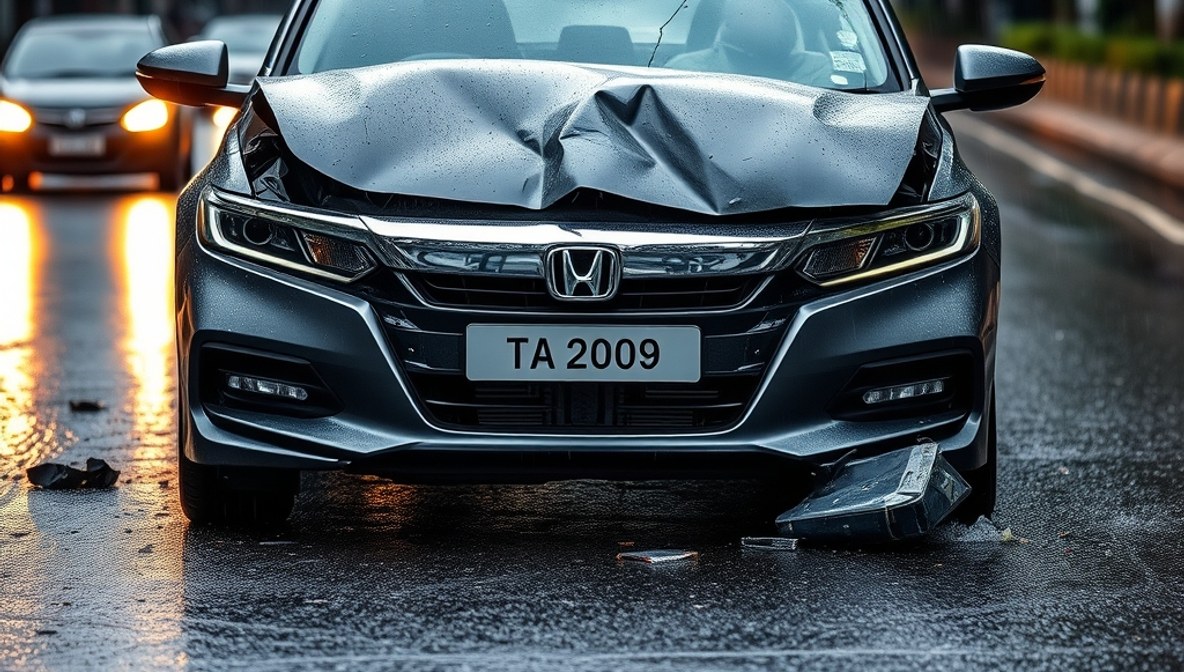
The Maharashtra State Consumer Disputes Redressal Commission dismissed an insurer's appeal and upheld a district forum's award of Rs. 16.49 lakh to a policyholder whose Honda Accord was damaged in an accident. The Commission held that Tata AIG failed to prove the driver was intoxicated beyond reasonable doubt, citing critical gaps in the forensic blood-alcohol report including a 2 ml sample volume, absence of breath-analyser corroboration, and unverified preservation protocols. The ruling reinforces the insurer's heavy burden when invoking exclusion clauses.
Background & Facts
The Dispute
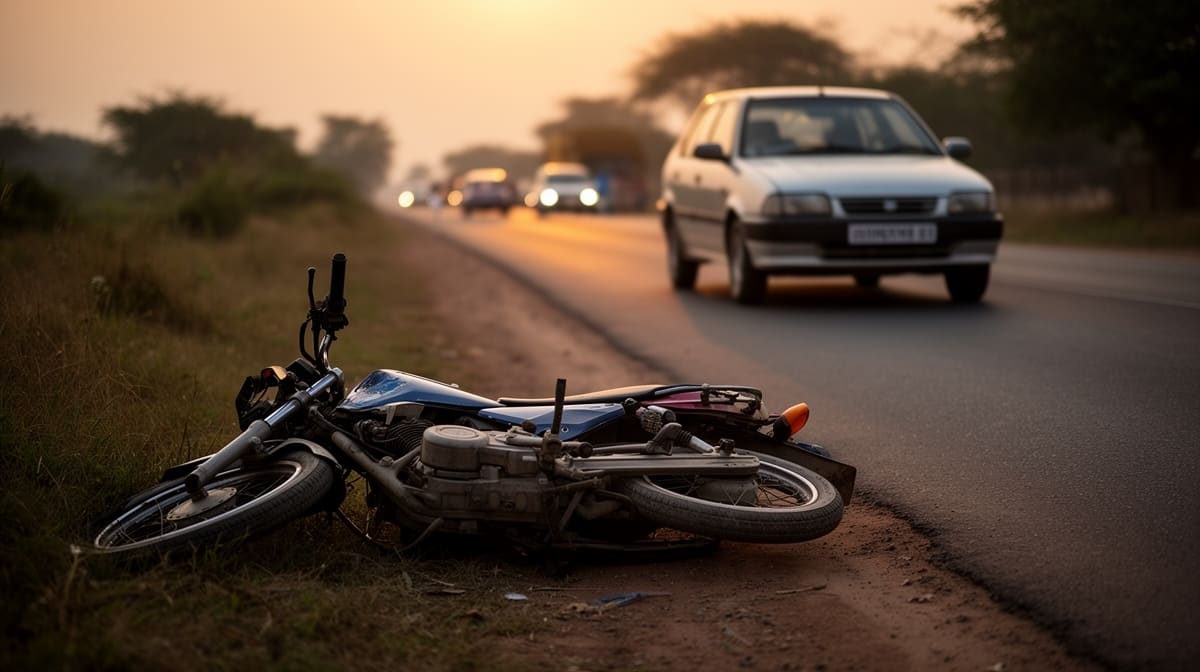
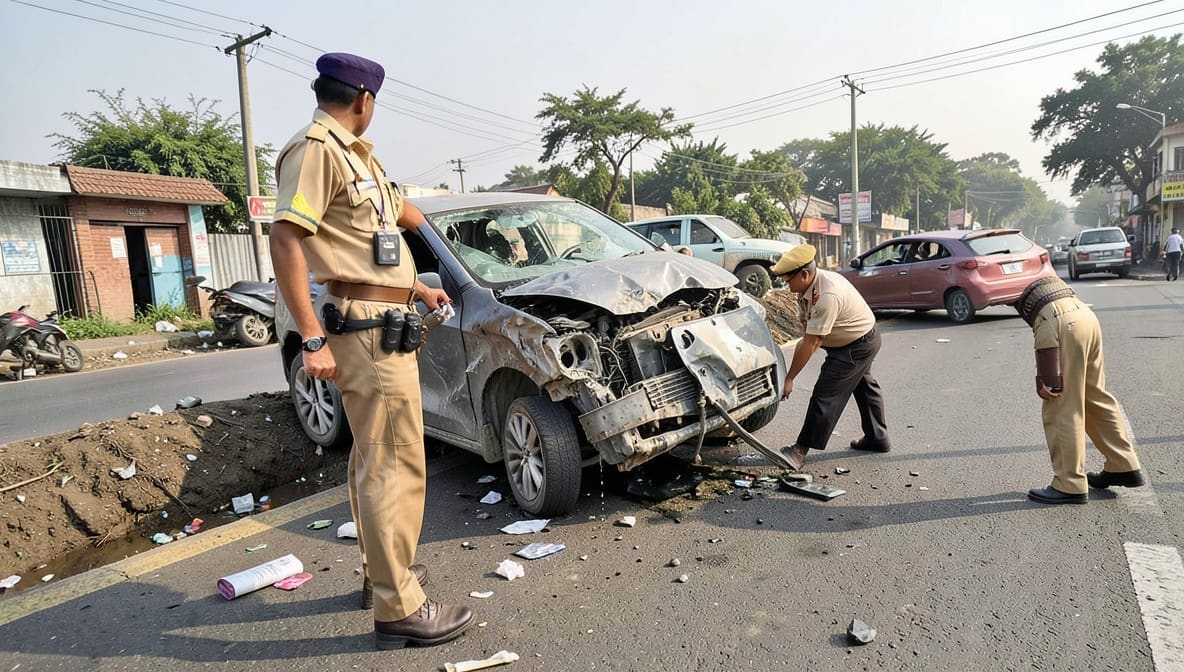
The respondent, Shri Nirmal Pratap Bhogilal, held an "Autosecure Private Car Package Policy" (Policy No. 010022258100) issued by Tata AIG General Insurance Co. Ltd. for his Honda Accord V6 bearing registration MH-01-NA-173. The policy period ran from 26 June 2004 to 25 June 2005. On 14 May 2005 at approximately 6:30 AM, the vehicle met with an accident near Mahim, Mumbai while being driven by the respondent's son, Mr. Kabir Bhogilal.
Key Facts
- An FIR was registered at the instance of Mr. Javed Ahmed Ali Mohd Kolsawala under Sections 279 and 338 of the Indian Penal Code and Sections 183, 184, and 185 of the Motor Vehicles Act, 1988, alleging the driver was under the influence of alcohol.
- After the accident, police referred the driver to K.B. Bhabha Hospital where a blood sample was collected for medico-legal examination and forwarded to the Directorate of Forensic Science Laboratory (FSL), Mumbai.
- The FSL issued an Alcohol Examination Certificate reporting ethyl alcohol content of 0.126% w/v (126 mg per 100 ml of blood), which exceeds the statutory threshold of 30 mg under Section 185 of the Motor Vehicles Act.
- Based on the FSL report and FIR, the appellant repudiated the insurance claim vide letter dated 20 July 2005, invoking Clause 2(c) of Section I of the policy terms, which exempts liability if the vehicle is driven under the influence of intoxicating liquor or drugs.
- The respondent filed Consumer Complaint No. 256 of 2005 before the Additional District Consumer Disputes Redressal Forum, South Mumbai, claiming total compensation of Rs. 18,40,000 (including IDV, garage charges, and mental agony damages).
- The District Commission partly allowed the complaint on 21 March 2007, directing payment of Rs. 16,49,370 (after 15% depreciation) with interest at 12% per annum from 20 July 2005, plus Rs. 20,000 for mental harassment, Rs. 20,000 for garage charges, and Rs. 5,000 for litigation expenses.
- The District Commission held the appellant failed to substantiate the drunken driving defence through conclusive, tamper-free evidence, noting discrepancies in sample quantity (2 ml instead of standard requirement), absence of breath analyser test, and questions about preservation and timing of analysis.
- The criminal proceedings against the driver were subsequently quashed by the Hon'ble High Court following an amicable settlement and an affidavit by the injured party clarifying the accident mechanics involving a stray scooter or tyre burst.
Procedural History
- 14 May 2005: Accident occurs near Mahim, Mumbai; FIR registered alleging drunken driving
- 20 July 2005: Appellant repudiates claim vide letter invoking policy exclusion clause
- 2005: Consumer Complaint No. 256 of 2005 filed before Additional District Consumer Disputes Redressal Forum, South Mumbai
- 21 March 2007: District Commission partly allows complaint, awards Rs. 16,49,370 with 12% interest from 20 July 2005 plus additional amounts
- 2023: Appeal No. SC/27/RBT/FA/777/2023 filed before State Consumer Disputes Redressal Commission, Maharashtra
- 5 November 2026: State Commission dismisses appeal, confirms District Commission order
Relief Sought
The appellant sought setting aside of the District Commission's order dated 21 March 2007 and dismissal of the consumer complaint. The respondent sought confirmation of the District Commission's order and dismissal of the appeal.
The Legal Issue
The central question was whether the appellant insurance company successfully established, by a preponderance of probabilities, that the vehicle was being driven under the influence of intoxicating liquor at the time of the accident, thereby validating repudiation under the policy exclusion clause, where the forensic evidence suffered from procedural infirmities in sample collection, preservation, and chain of custody.
Arguments Presented
For the Appellant
The appellant contended that the FSL report is an authentic statutory document issued by a competent government authority proving beyond doubt that the driver had 126 mg of alcohol per 100 ml of blood, heavily exceeding the statutory threshold of 30 mg under Section 185 of the Motor Vehicles Act. Counsel relied on Iffco Tokio General Insurance Co. Ltd. v. Pearl Beverages Ltd. to argue that the standard of proof in consumer commissions is governed by preponderance of probabilities and that the exclusion clause under the insurance contract is distinct from criminal prosecutions. The appellant further submitted that the FIR lodged immediately after the accident noting reckless driving and apparent intoxication attracted the principle of res ipsa loquitur, given the vehicle climbed a footpath and overturned on a clear, traffic-free morning road. The appellant also challenged the District Commission's inquisitorial process of seeking independent medical opinions from KEM and GT Hospitals without statutory backing and the rejection of its adjournment request on 20 March 2007.
For the Respondent
The respondent argued that the burden of proof to establish breach of an exclusion clause lies squarely on the insurer, which the appellant failed to discharge. Counsel highlighted that no breath analyser test was conducted on the spot, no urine sample was collected, and the blood sample was only 2 ml. Procedural gaps regarding the exact time of analysis exceeding 72 hours without certified preservation logs rendered the FSL report untrustworthy. The respondent pointed out that the criminal proceedings were quashed by the High Court following an amicable settlement where the injured party clarified the factual context of the accident. Counsel cited Kozy Flex Mattresses Pvt. Ltd. v. SBI General Insurance Co. Ltd., Neelam Deshmukh v. State Bank of India, and National Insurance Co. Ltd. v. Kantilal to support the proposition that forensic reports under Section 293 of the CrPC are admissible only in criminal trials and require strict corroboration or opportunity of rebuttal in consumer adjudications.
The Court's Analysis
The Commission framed the core issue as whether the appellant successfully established that the vehicle was driven under the influence of intoxicating liquor at the time of the accident. It reiterated the well-settled principle that when an insurer invokes an exclusionary clause to repudiate a claim, the burden of proof rests heavily on the insurer. While the standard of proof in consumer complaints is preponderance of probabilities, the Commission held that mere reliance on a police FIR or a disputed chemical analysis report, without establishing the foundational chain of custody, preservation protocol, and procedural integrity, is insufficient.
The Commission examined the FSL report indicating 0.126% w/v alcohol concentration. While acknowledging Iffco Tokio held that presence of alcohol satisfying statutory limits under the Motor Vehicles Act can justify invocation of policy exclusions, the Commission emphasized that the totality of circumstances and reliability of medical evidence must be examined. The record reflected critical infirmities: the blood sample collected was only 2 ml, whereas standard medical protocols require a larger specimen for exhaustive multi-stage verification; no spot breath analyser test was conducted by traffic or investigating police to corroborate immediate post-accident physical intoxication symptoms prior to hospital transit; and concerns remained regarding the precise elapsed time between collection and laboratory analysis, and whether temperature-controlled preservation was rigorously maintained throughout the transit period.
"The District Consumer commission rightly noted concerns regarding the precise elapsed time between collection and laboratory analysis, and whether temperature-controlled preservation was rigorously maintained throughout the transit period."
The Commission further observed that the District Commission, faced with ambiguities in the FSL report, sought clarifications from premier medical institutions (KEM Hospital and GT Hospital). Their expert opinions underscored that timely collection within two hours, adequate sample volume, and stringent refrigeration are vital to prevent fermentation or evaporation artifacts that skew blood-alcohol readings. The procedure adopted by the District Commission to test the veracity of a disputed technical document was a legitimate exercise of judicial discretion to uncover the truth in a summary proceeding and could not be termed perverse.
The Commission also noted that the criminal case against the driver did not culminate in conviction; proceedings were quashed by the High Court following amicable settlement and compounding, where the injured party clarified the situational mechanics of the accident. While criminal acquittal does not automatically bind a consumer commission, the complete absence of independent eyewitness testimony or medical examination establishing active impairment (loss of balance, disorientation) at the precise time of the mishap weakened the insurer's absolute stance.
On quantum, the Commission found the surveyor Mr. R.R. Thampi's assessment report computing the loss at Rs. 16,49,370 after applying 15% depreciation to be fair and reasoned. The Commission found no illegality or infirmity in the impugned judgment and saw no reason to interfere.
The Verdict
The appeal was dismissed. The State Commission confirmed the District Commission's order dated 21 March 2007 (referred to as 21 March 2017 in the operative portion) in Consumer Complaint No. CC/256/2005. The appellant is liable to pay Rs. 16,49,370 with interest at 12% per annum from 20 July 2005 until realization, Rs. 20,000 for mental harassment, Rs. 20,000 for garage charges, and Rs. 5,000 for litigation expenses. Certified copies of the order were directed to be furnished to parties free of cost.
What This Means For Similar Cases
Insurer's Burden On Exclusion Clauses Is Stringent
Practitioners representing insurers must ensure that forensic evidence relied upon to invoke policy exclusions meets rigorous procedural standards. A bare FSL report without demonstrated chain of custody, adequate sample volume, verified preservation protocols, and corroborative testing (such as breath analyser) will not discharge the insurer's heavy burden. The judgment clarifies that Iffco Tokio does not lower the evidentiary threshold; it merely affirms that the civil standard applies, but the evidence must still be reliable.
Procedural Gaps In Forensic Evidence Are Fatal
- Blood sample volume below standard medical requirements (2 ml vs. recommended larger volume) undermines reliability
- Absence of contemporaneous breath analyser test removes critical corroboration
- Unverified time gaps between collection and analysis, without certified temperature-controlled preservation logs, create reasonable doubt about fermentation or evaporation artifacts
- District forums are entitled to seek independent expert opinions to test veracity of disputed technical documents
Criminal Outcome Does Not Bind But Informs Civil Adjudication
While the quashing of criminal proceedings on settlement does not operate as res judicata in consumer proceedings, the absence of a conviction combined with a settlement affidavit clarifying accident mechanics weakens the insurer's case. Practitioners should note that consumer commissions will weigh the totality of circumstances, including the lack of independent eyewitness testimony of active impairment at the time of the accident.