The Uttarakhand High Court has affirmed that the right to harvest crops under a valid agricultural license cannot be extinguished merely due to delayed payment of installments, especially when denial would result in total loss of the crop and economic harm to both parties. The judgment underscores the principle that equitable relief must prevail over rigid enforcement where no wilful default is established.
Background & Facts
The Dispute
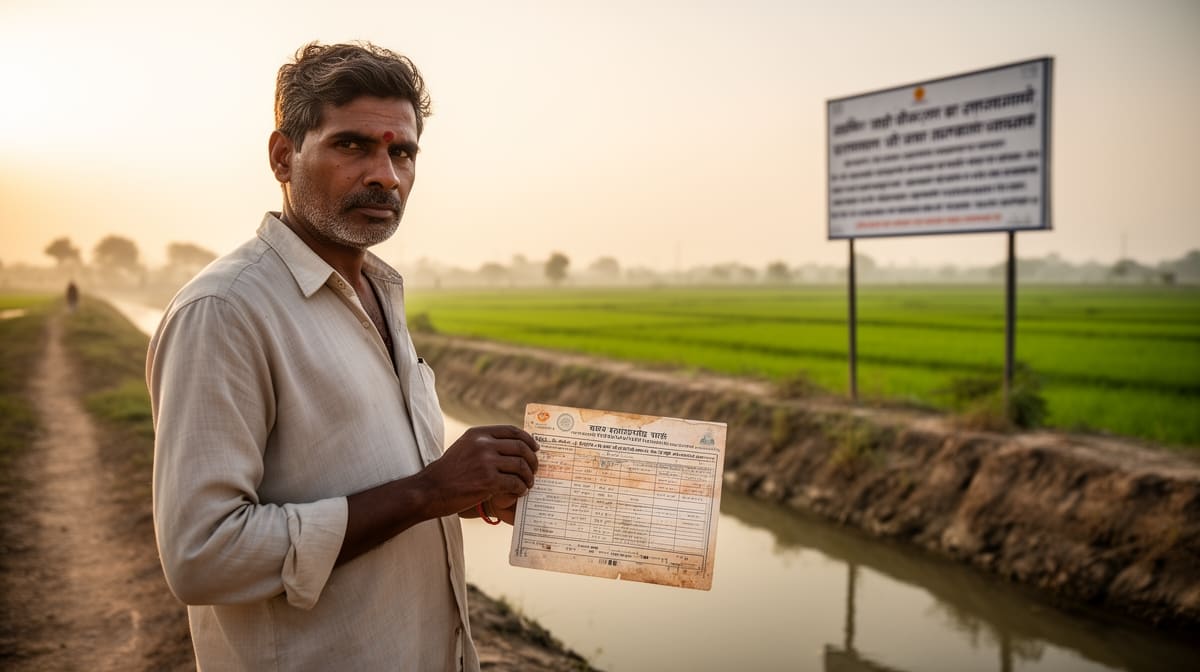
The petitioner, Jaswinder Kaur, was granted a license by the respondent, Govind Ballabh Pant University of Agriculture and Technology, to sow and harvest crops on university-owned agricultural land for a term of three years, from 01.06.2024 to 31.05.2027. The license required payment of a total sum of ₹81,23,974/- in five scheduled installments, with specific percentages and due dates outlined in the agreement.
Key Facts
- The license agreement stipulated five installments: 30%, 20%, 20%, 15%, and 15% of the total amount
- The first installment of ₹24,37,192/- (30%) was paid in full on or before 22.06.2024
- The second installment of ₹16,24,795/- (20%) was due on 15.12.2024; the petitioner deposited ₹6,47,589/-, leaving a balance of ₹10,00,000/-
- The third installment of ₹16,24,795/- (20%) was due on 30.04.2025; this remains unpaid
- The fourth installment of ₹12,18,596/- (15%) was due on 15.12.2025; this remains unpaid
- The fifth installment of ₹12,18,596/- (15%) is due on 30.04.2026; this has not yet been paid
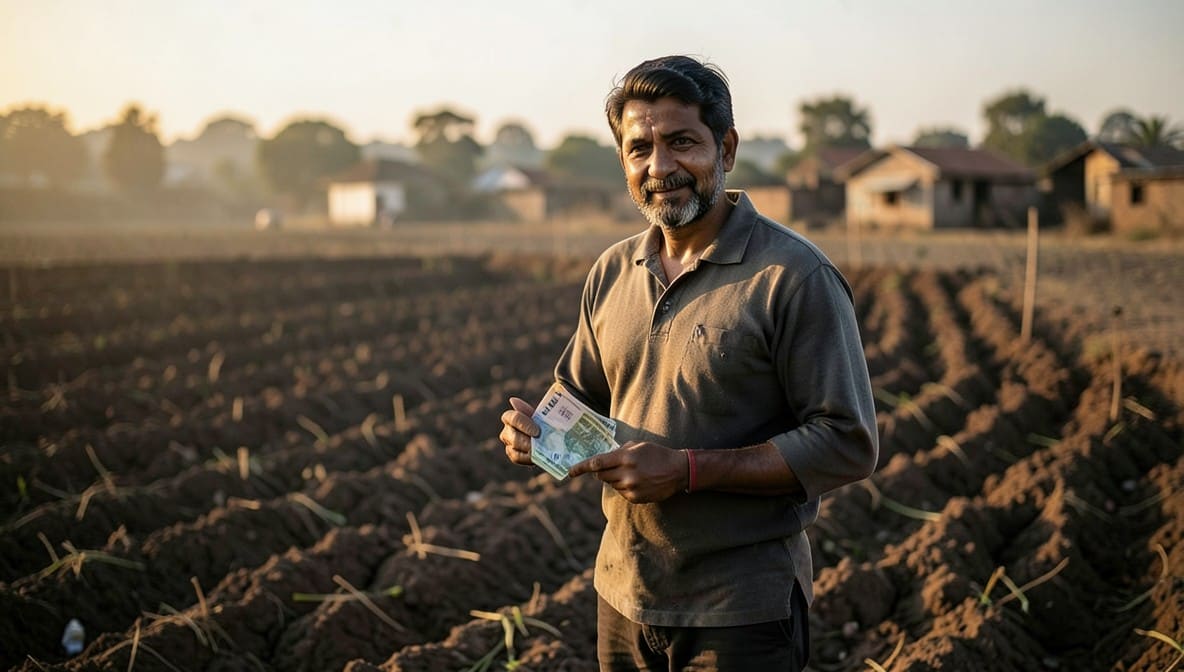
- The petitioner has cultivated and is currently harvesting a crop on the land
- The University claims a total outstanding amount of ₹59,96,155/- excluding the fifth installment, which the Court found to be mathematically inconsistent with the license terms
Procedural History
- 01.06.2024: License granted to petitioner for crop cultivation
- 22.06.2024: First installment paid in full
- 15.12.2024: Second installment partially paid; balance of ₹10,00,000/- remains
- 30.04.2025: Third installment due; not paid
- 15.12.2025: Fourth installment due; not paid
- 09.04.2026: Writ Petition Misc. No. 851 of 2026 filed before the Uttarakhand High Court seeking permission to harvest crop
- 09.04.2026: Judgment delivered by the Court
Relief Sought
The petitioner sought permission to harvest the crop currently under cultivation, arguing that denial would cause total loss of the harvest and economic hardship. The petitioner also expressed willingness to pay all outstanding installments after harvest, subject to reasonable time and terms.
The Legal Issue
The central question was whether the respondent University could lawfully deny the petitioner the right to harvest crops under a valid license, merely due to non-payment of two pending installments, when such denial would result in destruction of the crop and disproportionate loss to both parties.
Arguments Presented
For the Petitioner
Learned counsel argued that the petitioner had consistently paid installments as and when possible, had not defaulted wilfully, and had invested substantial resources in cultivating the crop. Denial of harvesting would render the entire investment worthless and violate principles of equity and natural justice. The claim of ₹59,96,155/- in arrears was mathematically implausible and appeared to be an inflated calculation. The petitioner was ready to pay all dues after harvest, provided a reasonable timeframe was granted.
For the Respondent
Learned counsel for the University contended that the petitioner had defaulted on multiple installments, thereby violating the terms of the license. The University had the right to enforce contractual obligations and could withhold access to the land until full payment was made. The petitioner’s request for additional time was not supported by any legal provision.
The Court's Analysis
The Court undertook a detailed review of the payment schedule and the University’s claim of ₹59,96,155/- in arrears. It observed that this amount was more than four times the value of the two unpaid installments (third and fourth), which together amounted to ₹28,43,391/-. The Court noted that such a calculation was inconsistent with the license terms and appeared to be arbitrary or erroneous.
"It appears that the amount which has been stated by learned counsel appearing for the respondent - University appears to be mis-calculated as this cannot be four times of the amount as per the installments."
The Court emphasized that the petitioner had not been shown to have acted in bad faith. The crop was already cultivated and nearing harvest. Denial of access would lead to total destruction of the crop, resulting in irreparable loss to the petitioner and no benefit to the University, which would still be left with an uncollected debt.
The Court held that the principle of proportionality and equitable relief must guide enforcement of contractual obligations in agricultural contexts, particularly where the subject matter is perishable and the parties’ interests are interdependent. The University’s right to recover dues did not override the petitioner’s right to harvest under a valid license.
The Verdict
The petitioner succeeded. The Court directed the University to permit the petitioner to harvest the crop immediately. The petitioner shall deposit the outstanding fourth and fifth installments - ₹12,18,596/- each - along with any applicable late fees and interest as prescribed under the license, by 30.09.2026. The writ petition is disposed of accordingly.
What This Means For Similar Cases
Harvesting Rights Are Protected Under Valid Licenses
- Practitioners representing farmers or cultivators under agricultural licenses must argue that denial of harvest constitutes disproportionate enforcement
- Courts are likely to intervene where crop destruction would result from rigid enforcement of payment terms
- The burden shifts to the licensor to prove wilful default before denying access to the land
Mathematical Accuracy in Claims Is Mandatory
- Any claim for arrears must be demonstrably consistent with the payment schedule
- Inflated or unexplained figures will be treated as prima facie erroneous and rejected
- Courts will perform basic arithmetic verification of claimed dues, especially in licensing agreements
Equitable Relief Overrides Strict Contractual Enforcement
- Where the subject matter is perishable and the default is not malicious, courts may grant breathing space
- Payment deadlines may be extended post-harvest if the party demonstrates readiness to pay
- The doctrine of proportionality applies strongly in agricultural and land-use licensing disputes