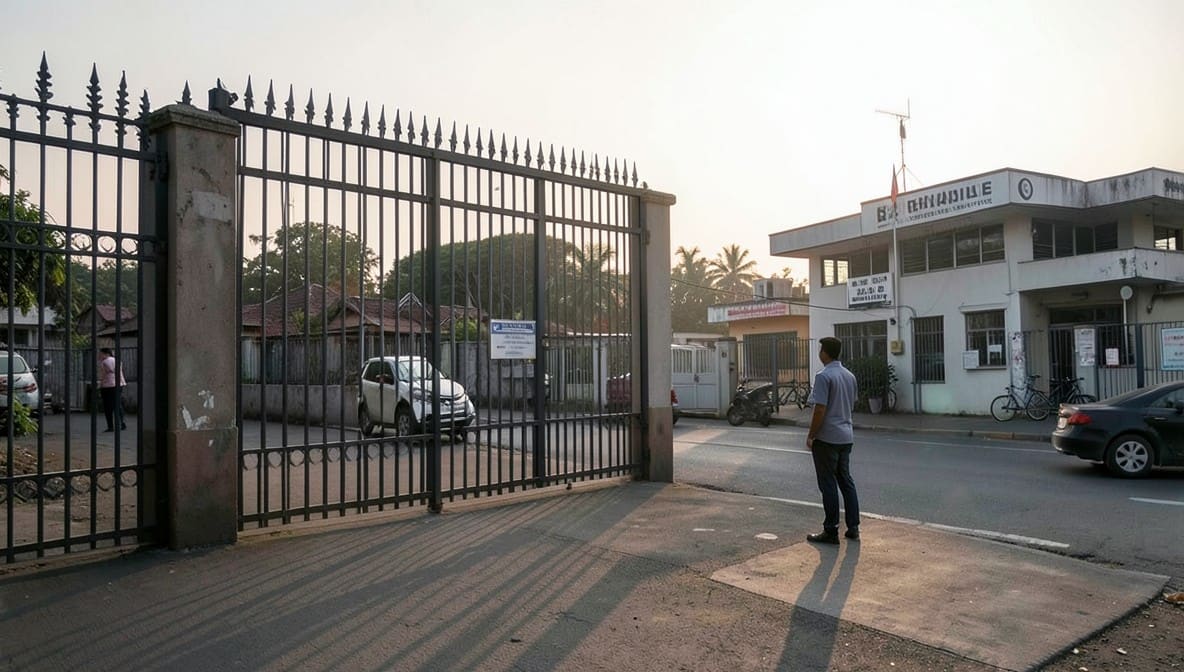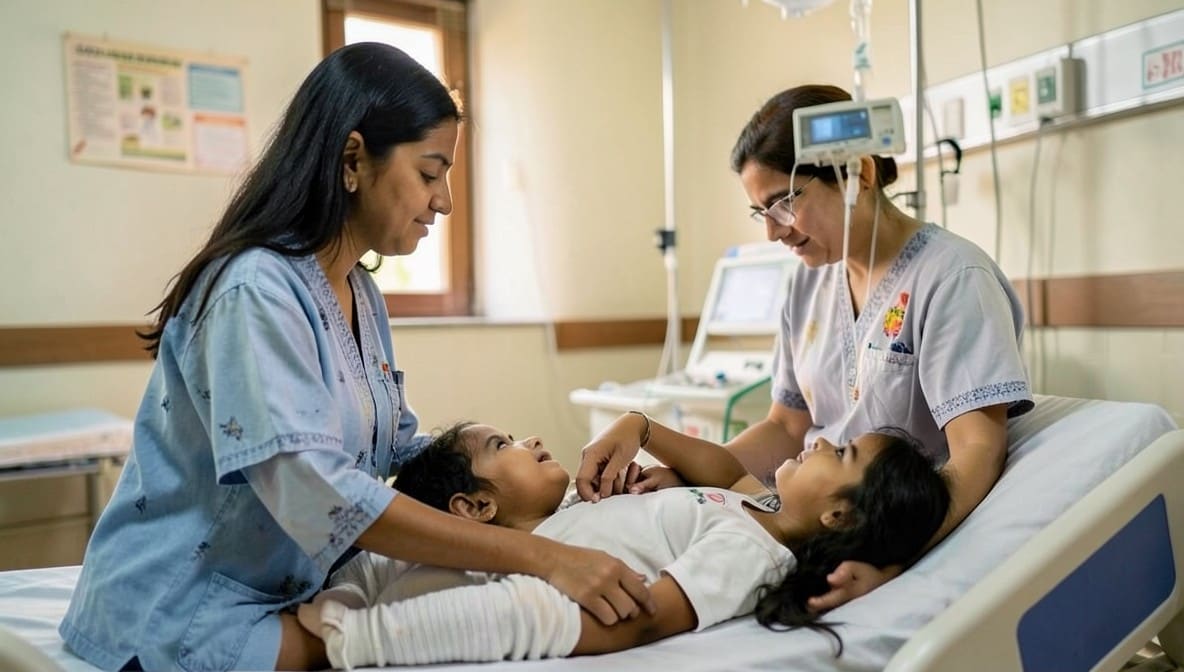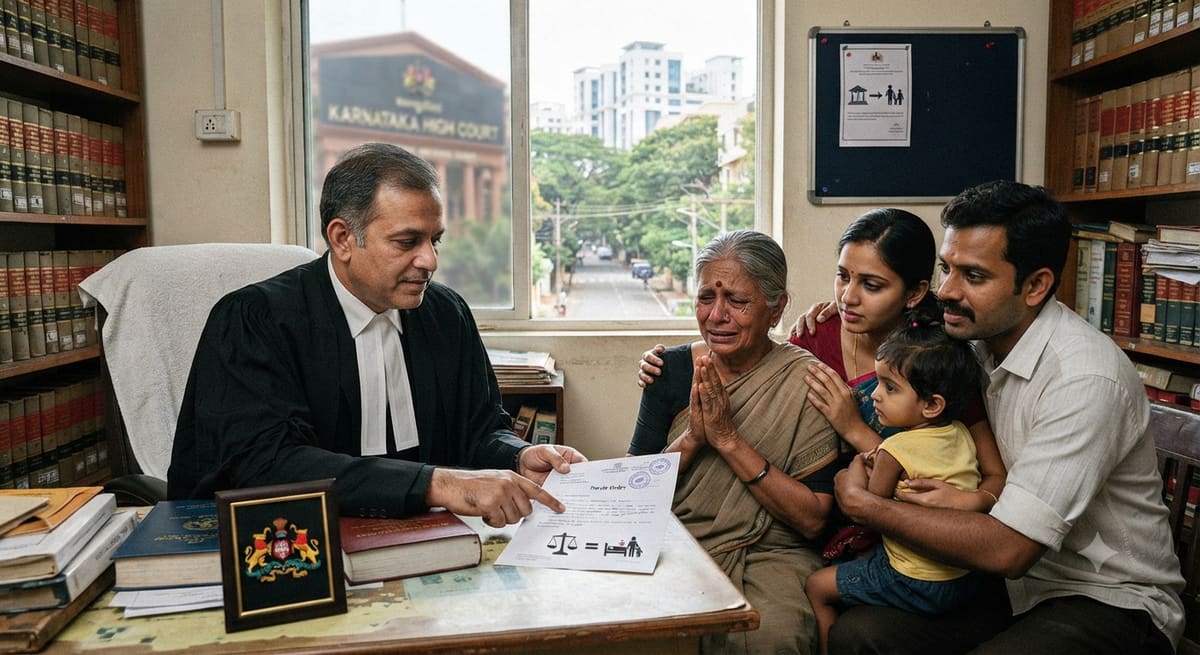
The Karnataka High Court has underscored that emergency parole cannot be denied based on mere presumptions of potential nuisance, particularly when a convict seeks release to address a medical necessity involving a minor child. The judgment reinforces that parole decisions must be grounded in material evidence, not speculative reports, and prioritizes humanitarian considerations over administrative convenience.
Background & Facts
The Dispute
The petitioner, Sri Harish H.B., a convict serving a 5-year rigorous imprisonment sentence in Central Prison, Bengaluru, filed a writ petition under Articles 226 and 227 of the Constitution of India. He sought to quash an endorsement dated 06.05.2026 issued by the Chief Superintendent of Prison (Respondent No. 2), which rejected his application for emergency parole to attend to his 7-year-old son’s medical condition. The rejection was based on a report from the Sub-Inspector of Police, Amruthur Police Station (Respondent No. 4), which alleged that the petitioner might create a nuisance in the village if released.
Key Facts
- Conviction: The petitioner was convicted in SC No. 184/2011 by the III Additional District and Sessions Judge, Tumakuru, for offences under Sections 307 (attempt to murder), 114 (abetment), and 37 (cooperation in commission of offence) of the IPC, arising from Crime No. 0013/2011. He was sentenced to 5 years of rigorous imprisonment and has been in judicial custody since.
- Parole Application: On 24.04.2026, the petitioner applied for emergency parole to attend to his son’s medical needs.
- Police Report: Respondent No. 4 submitted a report stating that the petitioner might create a nuisance if released and that other family members could attend to the child’s medical needs.
- Rejection: Based on this report, Respondent No. 2 rejected the parole application on 06.05.2026.
Procedural History
- 24.04.2026: Petitioner files an application for emergency parole before Respondent No. 2.
- 06.05.2026: Respondent No. 2 rejects the application (Letter No. BCP/J3/818/2026).
- 29.05.2026: Petitioner files Writ Petition No. 15394 of 2026 before the Karnataka High Court.
Relief Sought
The petitioner sought:
- Quashing of the impugned endorsement dated 06.05.2026.
- Direction to Respondent No. 2 to release him on emergency parole for 90 days.
- Any other relief deemed fit by the Court.
The Legal Issue
The central question was whether emergency parole can be denied based on a speculative report alleging potential nuisance, without material evidence, when the convict seeks release for a medical necessity involving a minor child.
Arguments Presented
For the Petitioner
- The police report rejecting the parole application was baseless and lacked material evidence.
- The petitioner’s presence was essential for his son’s medical care, given the child’s age and condition.
- The second respondent (Chief Superintendent of Prison) ought to have granted parole considering the humanitarian grounds.
For the Respondents
- The fourth respondent (Sub-Inspector of Police) contended that the petitioner might create a nuisance if released.
- It was argued that other family members could attend to the child’s medical needs, making the petitioner’s presence unnecessary.
The Court's Analysis
The Court critically examined the basis for rejecting the parole application and found the police report to be devoid of merit. Key observations included:
-
Lack of Material Evidence: The report submitted by Respondent No. 4 failed to disclose any previous conduct of the petitioner or any basis for the presumption that he would create a nuisance. The Court emphasized that parole decisions cannot be based on mere assumptions.
-
Humanitarian Considerations: The Court noted that the petitioner’s son was 7 years old and required medical attention. The presence of the petitioner was deemed necessary, and the Court rejected the argument that other family members could suffice.
-
Judicial Scrutiny of Parole Decisions: The judgment underscored that parole authorities must exercise discretion judiciously, ensuring that speculative reports do not override genuine humanitarian grounds.
"The whole basis for the second respondent to reject the case of the petitioner seeking parole is that the petitioner may cause nuisance and there are other family members to take care of the medical necessities of the child. The said report of the 4th respondent appears to be without any basis and without any material. Nothing has been disclosed about any previous conduct or on what basis the respondent No. 4 is of the view that he would cause nuisance."
The Verdict
The Court allowed the writ petition and granted the petitioner emergency parole for 15 days from the date of release, subject to the following conditions:
- The petitioner must furnish an undertaking that he will not indulge in any unlawful activities during the parole period.
- The respondents shall impose stringent conditions, including ensuring the timely surrender of the petitioner upon expiry of the parole.
- Any violation of the conditions would entail immediate cancellation of parole.
- The Registry was directed to communicate the order to the jurisdictional prison authorities forthwith, including by electronic mode.
What This Means For Similar Cases
Parole Decisions Must Be Evidence-Based
- Speculative reports alleging potential nuisance or misconduct cannot justify denial of parole, especially when humanitarian grounds are involved.
- Parole authorities must scrutinize police reports critically and demand material evidence before rejecting applications.
Medical Necessity Trumps Administrative Convenience
- Courts are likely to prioritize medical or humanitarian needs over administrative concerns, particularly when minor children are involved.
- The judgment reinforces that family members’ ability to assist does not automatically negate the convict’s right to parole for urgent medical reasons.
Judicial Review of Parole Rejections
-
Writ petitions under Articles 226 and 227 remain a viable remedy for convicts aggrieved by arbitrary parole rejections.
-
Practitioners should challenge unsubstantiated reports and emphasize lack of material evidence in parole rejection orders.
-
Actionable Takeaways for Practitioners:
- Always demand material evidence when parole is rejected on grounds of potential nuisance.
- Highlight humanitarian grounds, such as medical necessity, to strengthen parole applications.
- Ensure compliance with procedural safeguards in parole decisions to avoid judicial intervention.