Topic

Parole Jurisprudence

8 articlesLatest July 2026
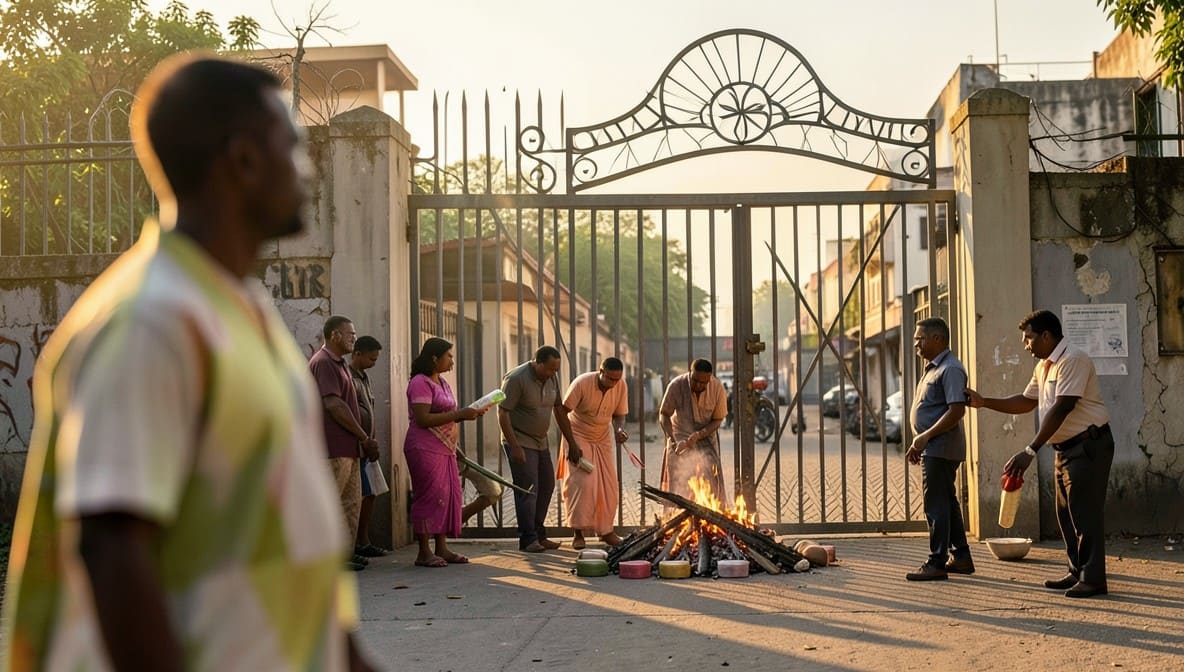
Rule 11, Rajasthan Prisoners Parole Rules 2021 | Emergent Parole Granted for Post-Funeral Rituals Under Humanitarian Clause : Rajasthan HC
Case Law Analysis
|Rajasthan High Court

Rule 11, Rajasthan Prisoners Parole Rules 2021 | Emergent Parole Granted for Post-Funeral Rituals Under Humanitarian Clause : Rajasthan HC

The Rajasthan High Court has recognized that the death of a close relative triggers an automatic humanitarian right to emergent parole for post-funeral rites, even for convicts, provided strict bond conditions are met. This ruling affirms that custodial punishment must yield to fundamental familial obligations under the Rules of 2021, setting a precedent for compassionate release in grief-related emergencies.

Rule 10A Rajasthan Prisoners Release on Parole Rules | Humanitarian Parole for Ailing Children : Raj HC
Case Law Analysis
|Rajasthan High Court

Rule 10A Rajasthan Prisoners Release on Parole Rules | Humanitarian Parole for Ailing Children : Raj HC

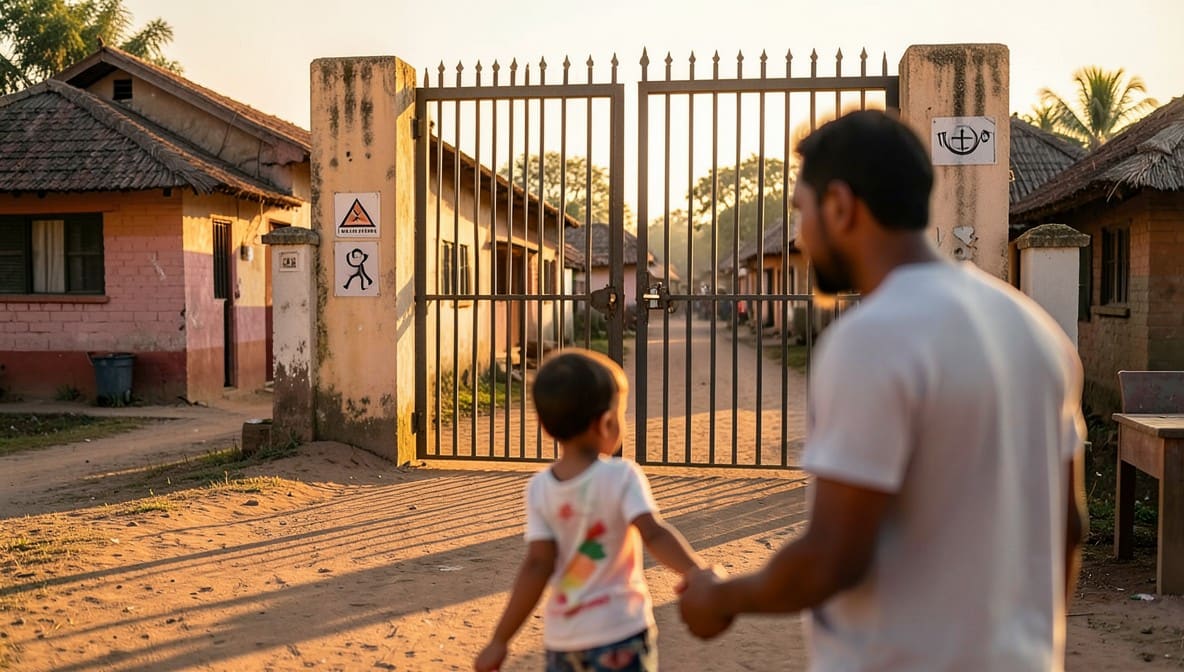
Rajasthan High Court invokes Rule 10A of the Rajasthan Prisoners Release on Parole Rules to grant 30-day emergent parole to a convict mother, emphasizing the necessity of her presence for the care of her critically ill children. The ruling underscores the court's discretion to prioritize humanitarian grounds in parole decisions, setting a precedent for similar cases involving ailing dependents.

Emergency Parole for Medical Emergency | Humanitarian Grounds Override Speculative Police Objections : Karnataka HC
Case Law Analysis
|Karnataka High Court

Emergency Parole for Medical Emergency | Humanitarian Grounds Override Speculative Police Objections : Karnataka HC

Karnataka High Court grants 15-day emergency parole to a convict to attend to his son's critical medical condition, rejecting a police report alleging potential nuisance without material evidence. The ruling underscores that humanitarian considerations must prevail over procedural objections when medical emergencies are substantiated.

Parole Denial Requires Individualized Assessment Under Punjab Good Conduct Prisoners Act, 1962 | Mere Police Reports Insufficient : Punjab & Haryana HC
Case Law Analysis
|Punjab and Haryana High Court

Parole Denial Requires Individualized Assessment Under Punjab Good Conduct Prisoners Act, 1962 | Mere Police Reports Insufficient : Punjab & Haryana HC

The Punjab & Haryana High Court has ruled that denying parole under the Punjab Good Conduct Prisoners Act, 1962 cannot rest on generic police reports or speculative public order concerns. A reasoned, evidence-based evaluation of the prisoner's conduct and rehabilitation is mandatory, reinforcing that good behavior creates a presumption in favor of temporary release.