The Rajasthan High Court recently granted emergent parole to a convict mother, emphasizing the humanitarian considerations under Rule 10A of the Rajasthan Prisoners Release on Parole Rules. The judgment underscores the court's discretion to prioritize familial care in cases involving serious medical emergencies, setting a precedent for similar pleas based on compassionate grounds.
Background & Facts
The Petitioner's Circumstances
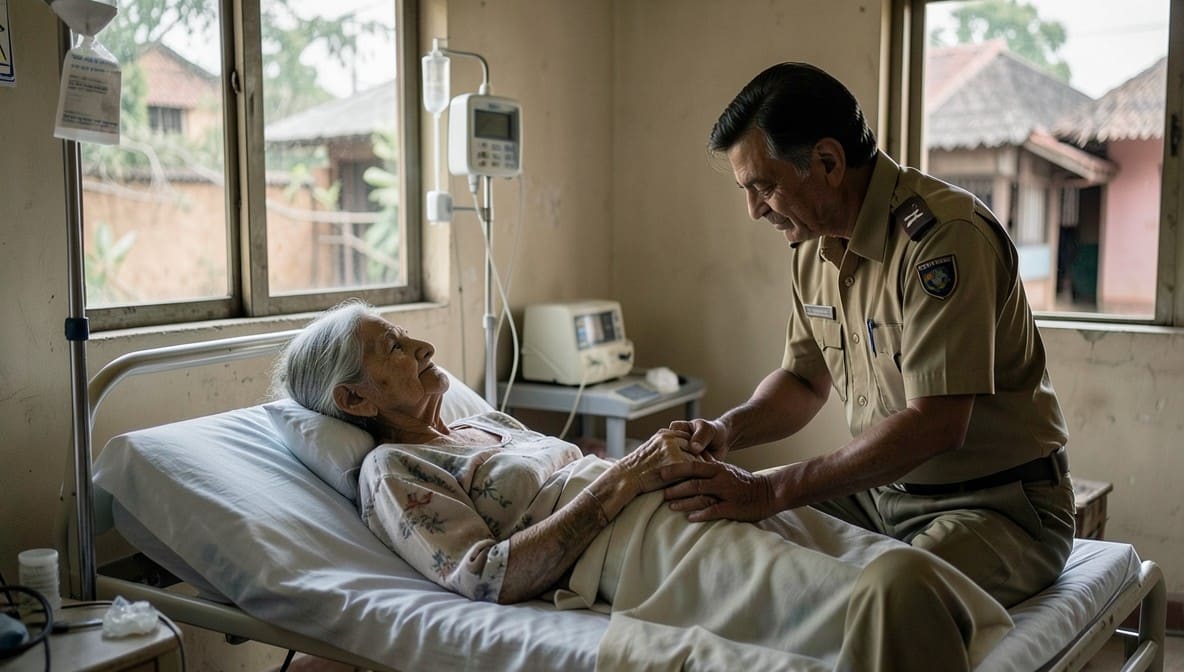
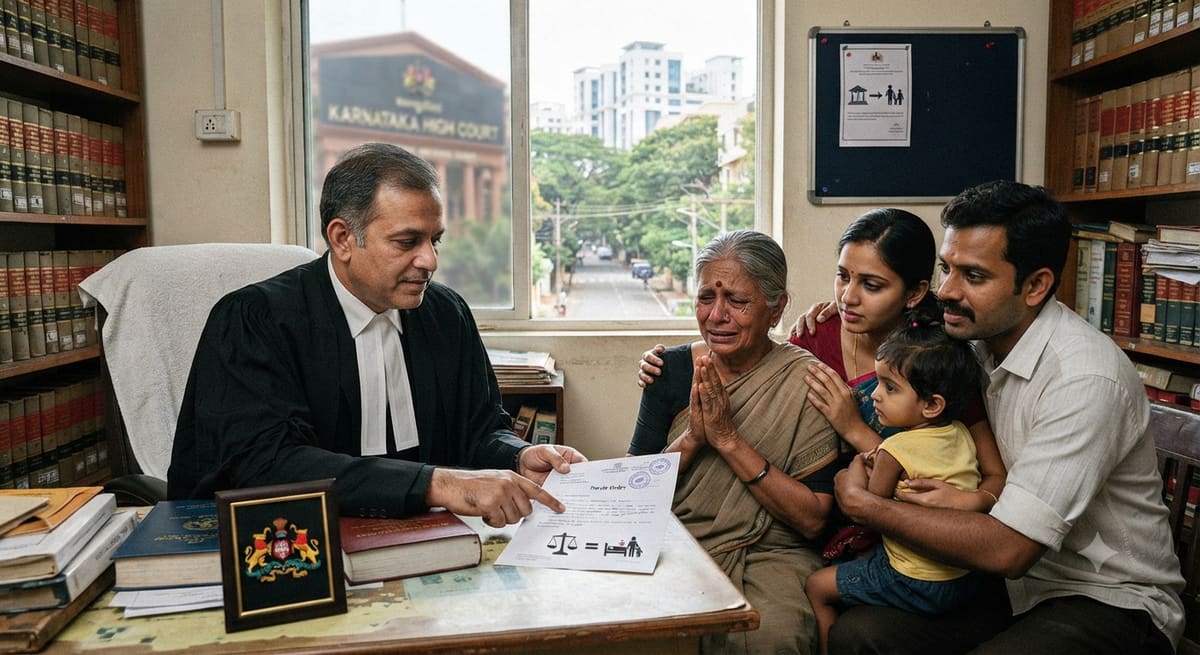
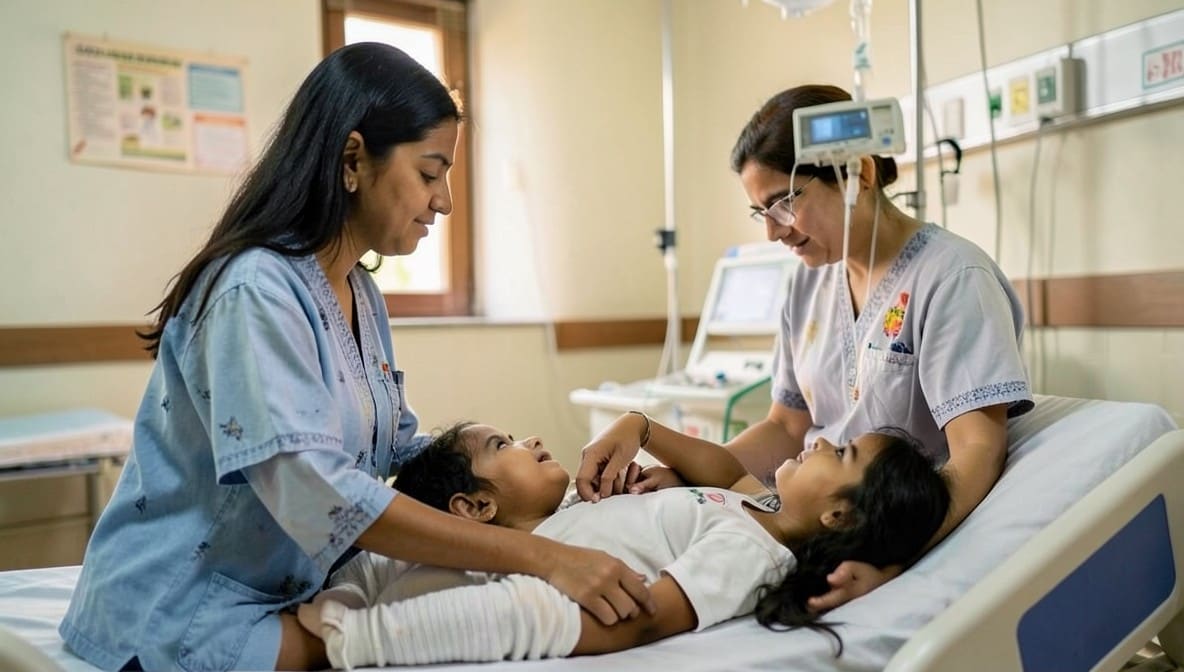
The petitioner, Smt. Priyanka, wife of late Shri Ranjeet Singh, is currently lodged in Central Jail, Ajmer. She sought emergent parole on the ground that her son, Yashwardhan, is suffering from a serious medical ailment. According to the medical report dated 20.01.2026 from Sanjivani Ortho & General Hospital, Churu, her son underwent an Interlocking Femur Nail procedure and has been advised to undergo a major re-surgery. Additionally, the petitioner's daughter is also unwell, making the petitioner's presence indispensable for their care and support.
Procedural History
- Date of Filing: The instant writ petition (D.B. Criminal Writ Petition No. 2619/2026) was filed before the Rajasthan High Court, Jodhpur Bench, seeking emergent parole.
- Hearing Date: The matter was heard on 12.06.2026 by a Division Bench comprising Hon'ble Mr. Justice Farjand Ali and Hon'ble Mr. Justice Sunil Beniwal.
Relief Sought
The petitioner sought release on emergent parole for a period sufficient to enable her to care for her ailing children, citing Rule 10A of the Rajasthan Prisoners Release on Parole Rules.
The Legal Issue
The central question before the court was whether emergent parole could be granted under Rule 10A of the Rajasthan Prisoners Release on Parole Rules on humanitarian grounds, specifically when the convict's immediate presence is required to care for seriously ill family members.
Arguments Presented
For the Petitioner
The petitioner's counsel argued that:
- The medical condition of the petitioner's son, as evidenced by the medical report dated 20.01.2026, warranted immediate attention.
- The petitioner's daughter was also unwell, necessitating the petitioner's presence for their care.
- Rule 10A of the Rajasthan Prisoners Release on Parole Rules permits the grant of emergent parole in cases involving humanitarian considerations.
For the Respondent
The learned Additional Advocate General (Mr. Deepak Choudhary) opposed the petition, though the specific grounds for opposition were not detailed in the judgment.
The Court's Analysis
The court examined the medical documents submitted by the petitioner and noted that they prima facie indicated the serious medical condition of the petitioner's son. The court observed:
"Rule 10A of the Rajasthan Prisoners Release on Parole Rules provides for grant of emergent parole in cases involving humanitarian considerations. Having regard to the facts and circumstances of the case and taking a humanitarian view of the matter, this Court is of the opinion that the petitioner deserves to be released on emergent parole so as to enable her to look after and provide necessary care to her ailing children."
The court emphasized the humanitarian aspect of the case, balancing the state's interest in maintaining custody with the petitioner's right to care for her children during a medical emergency. The judgment did not delve into the merits of the conviction or the underlying offence, focusing solely on the emergent parole plea.
The Verdict
The court allowed the writ petition and directed the release of the convict-petitioner, Smt. Priyanka, on emergent parole for 30 days. The following conditions were imposed:
- The petitioner must furnish a personal bond of Rs. 50,000/-.
- She must provide two sound and solvent sureties of Rs. 25,000/- each.
- The parole period shall commence from the date of her actual release.
- The Superintendent, Central Jail, Ajmer, is empowered to impose additional reasonable conditions to ensure the petitioner's return to custody after the parole period.
What This Means For Similar Cases
Humanitarian Grounds Trump Procedural Rigidity
This judgment reinforces that emergent parole under Rule 10A is not merely a procedural formality but a substantive right in cases involving genuine humanitarian crises. Practitioners should note:
- Courts are likely to grant emergent parole where the convict's immediate presence is indispensable for the care of seriously ill family members.
- Medical documentation plays a crucial role in establishing the urgency and merit of the plea.
Conditions for Parole Are Flexible
- The court retained discretion to impose additional conditions to ensure compliance, indicating that parole is not unconditional.
- Practitioners must ensure that clients are prepared to meet financial and suretyship requirements as part of the parole conditions.
Scope for Broader Interpretation of Humanitarian Considerations
- While this case involved ailing children, the judgment leaves room for other humanitarian grounds (e.g., terminal illness of a spouse, natural disasters, or other emergencies).
- Future petitions may cite this judgment to argue for expanded interpretations of what constitutes a humanitarian crisis under Rule 10A.