Topic

Section 307 IPC

Section 307 IPC criminalizes attempt to commit murder, requiring proof of intention to cause death through circumstantial evidence under Indian penal law.

44 articlesLatest 1 week ago
Second Section 216 CrPC Application for Adding Sec 307 IPC Maintainable Before Judgment on Prima Facie Material : Allahabad HC
|Allahabad High Court

Second Section 216 CrPC Application for Adding Sec 307 IPC Maintainable Before Judgment on Prima Facie Material : Allahabad HC

Allahabad HC upheld a trial court's order allowing a second Section 216 CrPC application to add Section 307 IPC, ruling medical evidence of a firearm injury and the victim's statement sufficient prima facie material for pre-judgment charge alteration. The court declined Section 528 BNSS interference, affirming trial courts' discretion to alter charges on credible evidence.


Probation of Offenders Act Overrides Decades-Long Delay | Reformative Justice Prevails Over Conviction Under Sections 307/34 IPC : Allahabad HC
Case Law Analysis
|Allahabad High Court

Probation of Offenders Act Overrides Decades-Long Delay | Reformative Justice Prevails Over Conviction Under Sections 307/34 IPC : Allahabad HC

Allahabad High Court extends probation under the Probation of Offenders Act to appellants despite a 40-year pendency, emphasizing reformative justice over punitive imprisonment. The ruling sets aside imprisonment while upholding convictions under Sections 307/34 and 323/34 IPC, reinforcing judicial discretion in sentencing even in delayed appeals.

BNSS Section 430 | Bail Granted to 87-Year-Old Accused with Minor Role in Section 307/149 IPC Case : MP HC Jabalpur
Case Law Analysis
|Madhya Pradesh High Court

BNSS Section 430 | Bail Granted to 87-Year-Old Accused with Minor Role in Section 307/149 IPC Case : MP HC Jabalpur

The Madhya Pradesh High Court suspended the sentence of an 87-year-old accused with no central role in a Section 307/149 IPC case, recognizing advanced age and minimal involvement as sufficient grounds for bail pending appeal. This reinforces humanitarian considerations under BNSS Section 430, setting a precedent for elderly defendants in non-violent, ancillary roles within collective offenses.

Bail Cancellation | Commission of Fresh Offence While on Bail Vitiates Liberty: Allahabad HC
Case Law Analysis
|Allahabad High Court

Bail Cancellation | Commission of Fresh Offence While on Bail Vitiates Liberty: Allahabad HC

The Allahabad High Court has ruled that committing a serious offence like attempt to murder while on bail in a prior case filed by the same victim nullifies the very basis of bail, establishing that post-bail conduct is a decisive factor in liberty revocation. This sets a clear precedent for prosecutors and courts to act swiftly when bail is weaponized to commit further crimes against the same complainant.

Section 34 IPC | Liability for Attempted Murder Requires Active Participation, Not Mere Presence: Jharkhand HC
Case Law Analysis
|Jharkhand High Court

Section 34 IPC | Liability for Attempted Murder Requires Active Participation, Not Mere Presence: Jharkhand HC

The Jharkhand High Court acquits two accused under Section 307 IPC when medical evidence contradicted the victim’s claim of stone assault, holding that Section 34 cannot extend collective liability without proof of active, intentional involvement. This ruling sharpens the threshold for common intention in violent offenses, protecting bystanders from vicarious criminal liability.

Section 307 IPC | Anticipatory Bail Granted Where No Specific Allegation Links Applicant to Weapon Use or Injury : Bombay HC
Case Law Analysis
|Bombay High Court

Section 307 IPC | Anticipatory Bail Granted Where No Specific Allegation Links Applicant to Weapon Use or Injury : Bombay HC

The Bombay High Court granted anticipatory bail to an accused in a Section 307 IPC case after finding no particularized evidence tying him to weapon use or causing injuries, despite omnibus allegations against co-accused. This reinforces that generic group liability cannot substitute individualized proof in serious offences, protecting individuals from overbroad arrest based on collective suspicion.

Section 307 IPC | Suspension of Sentence Warranted When Custody Exceeds Likely Final Term + Hostile Witness + No Weapon Recovery : Rajasthan HC
Case Law Analysis
|Rajasthan High Court

Section 307 IPC | Suspension of Sentence Warranted When Custody Exceeds Likely Final Term + Hostile Witness + No Weapon Recovery : Rajasthan HC

The Rajasthan High Court suspended the sentences of two convicts under Section 307 IPC after they served six and four years respectively, holding that prolonged custody exceeding the probable sentence, coupled with a hostile prosecution witness and no recovery of the alleged weapon, creates a strong likelihood of acquittal on appeal. This ruling reinforces that procedural and evidentiary weaknesses in serious cases must not justify indefinite pre-appeal detention.

Section 528 BNSS | Factual Disputes Cannot Justify Quashing Cognizance in Non-Compoundable Offences Like Section 307 IPC : Allahabad HC
|Allahabad High Court

Section 528 BNSS | Factual Disputes Cannot Justify Quashing Cognizance in Non-Compoundable Offences Like Section 307 IPC : Allahabad HC

The Allahabad High Court has clarified that courts cannot interfere at the cognizance stage to resolve factual disputes in serious non-compoundable offences such as attempt to murder under Section 307 IPC. This reinforces that abuse of process must be evident on the face of the record - not inferred from contested evidence - preserving the trial court’s role as the sole forum for adjudicating guilt or innocence.

Emergency Parole for Medical Emergency | Humanitarian Grounds Override Speculative Police Objections : Karnataka HC
Case Law Analysis
|Karnataka High Court

Emergency Parole for Medical Emergency | Humanitarian Grounds Override Speculative Police Objections : Karnataka HC

Karnataka High Court grants 15-day emergency parole to a convict to attend to his son's critical medical condition, rejecting a police report alleging potential nuisance without material evidence. The ruling underscores that humanitarian considerations must prevail over procedural objections when medical emergencies are substantiated.

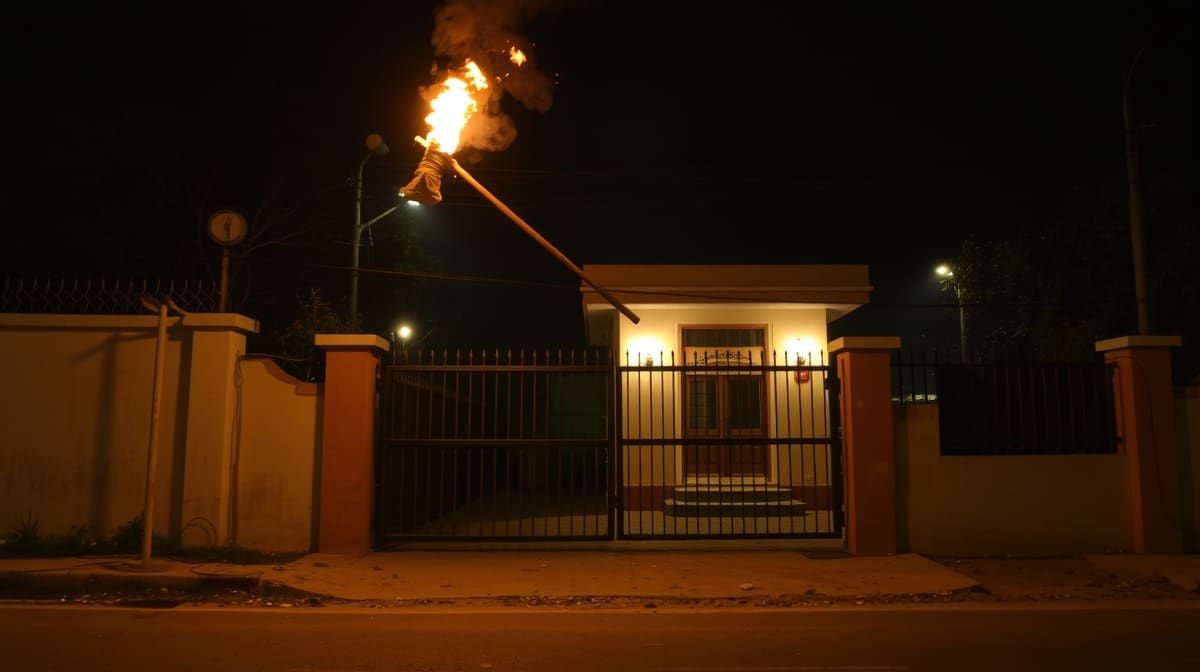
Section 307 IPC | Throwing Burning Effigy at Security Room with Occupants Constitutes Attempt to Murder, Even Without Injury or Weapon: Delhi HC
Case Law Analysis
|Delhi High Court

Section 307 IPC | Throwing Burning Effigy at Security Room with Occupants Constitutes Attempt to Murder, Even Without Injury or Weapon: Delhi HC

The Delhi High Court ruled that deliberately hurling a burning effigy at a guarded security room, knowing occupants are inside, amounts to attempt to murder under Section 307 IPC - protest intent cannot shield intentional acts likely to cause death. This sets a critical precedent for distinguishing legitimate dissent from lethal aggression in public demonstrations.