Topic

Karnataka High Court

The Karnataka High Court handles appeals and original jurisdiction over civil, criminal, and personal law matters within the state of Karnataka under Indian legal framework.

76 articlesLatest August 2026
Zero-Liability Clause Enforced - Bank Must Refund Unauthorized E-Banking Debit Reported Within 3 Hours and Pay Compensation : Karnataka HC
|Karnataka High Court

Zero-Liability Clause Enforced - Bank Must Refund Unauthorized E-Banking Debit Reported Within 3 Hours and Pay Compensation : Karnataka HC

Karnataka High Court upheld the consumer commission’s order, directing SBI to credit Rs 1,99,000 to the customer and award Rs 25,000 compensation. The ruling affirms the RBI’s zero-liability circular, requiring banks to reverse unauthorised electronic debits reported within three hours and pay interest for non-compliance. Account-holders benefit from swift redress against e-banking fraud.

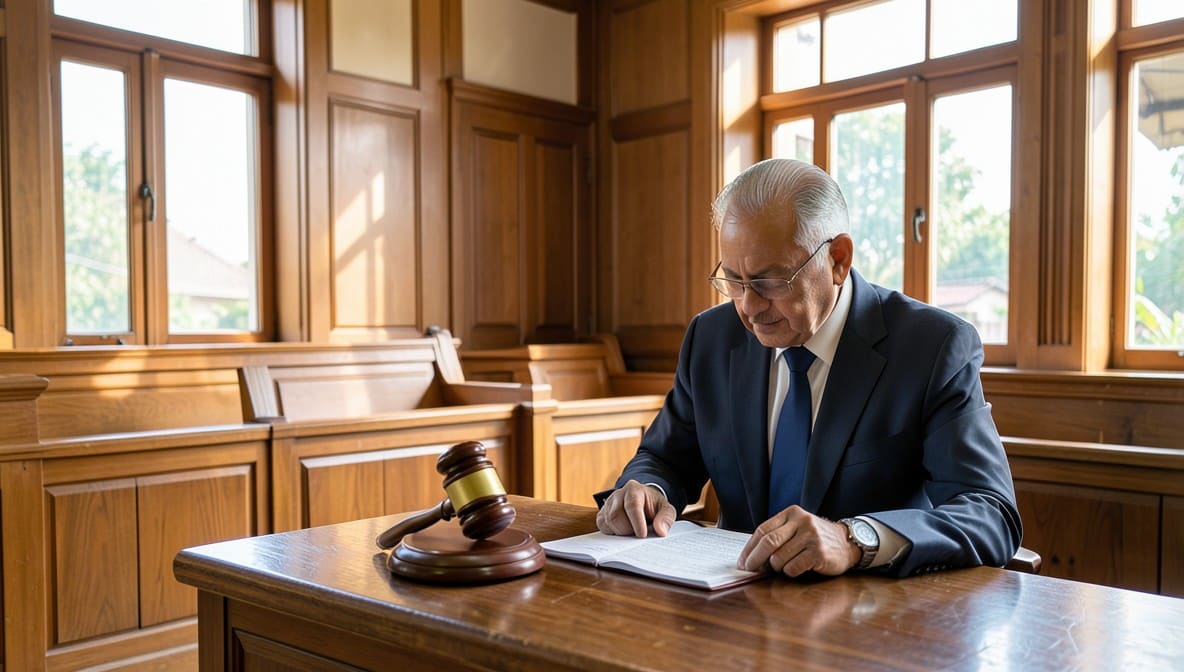
Section 9(1)(vii) Finance Act 2010 Amendment Held Prospective, Not Retrospective - Upholds Territorial-Nexus Rule & Allows Refund for Offshore Technical Services : Karnataka HC
Case Law Analysis
|Karnataka High Court

Section 9(1)(vii) Finance Act 2010 Amendment Held Prospective, Not Retrospective - Upholds Territorial-Nexus Rule & Allows Refund for Offshore Technical Services : Karnataka HC

Karnataka High Court ruled that the 2010 Finance Act amendment to Section 9(1)(vii) of the Income-Tax Act applies only prospectively, preserving the Supreme Court’s territorial-nexus principle. Consequently, taxpayers providing offshore technical services can claim refunds for taxes previously demanded.

Non-compliance with Sec 33(2)(b) does not bar back-wage entitlement or tribunal jurisdiction | KSRTC dismissal : Karnataka HC
Case Law Analysis
|Karnataka High Court

Non-compliance with Sec 33(2)(b) does not bar back-wage entitlement or tribunal jurisdiction | KSRTC dismissal : Karnataka HC

Even though the employer failed to obtain prior approval under Sec 33(2)(b) before dismissing the employee, the High Court ruled that the workman remains entitled to back wages and that the Labour Court retains jurisdiction to assess misconduct. This protects dismissed workers from losing monetary relief due to procedural lapses by the employer.

Rule 9 Karnataka Selection Rules | Retrospective Application of Sports Quota Eligibility Mandates Fresh Representation : Karnataka HC
Case Law Analysis
|Karnataka High Court

Rule 9 Karnataka Selection Rules | Retrospective Application of Sports Quota Eligibility Mandates Fresh Representation : Karnataka HC

Karnataka High Court directs fresh consideration for CET-2026 admissions under amended Rule 9, emphasizing natural justice and retrospective effect of sports quota eligibility. The ruling mandates procedural fairness for candidates previously deemed ineligible, impacting UGCET aspirants relying on sports reservations.

Compassionate Appointment | Unverified Second Marriage Cannot Justify Denial of Benefit Under Natural Justice : Karnataka HC
Case Law Analysis
|Karnataka High Court

Compassionate Appointment | Unverified Second Marriage Cannot Justify Denial of Benefit Under Natural Justice : Karnataka HC

The Karnataka High Court has ruled that denying compassionate appointment to legal heirs based solely on an unverified claim of the deceased's second marriage violates natural justice and administrative fairness. This sets a critical precedent for public employers: procedural due process, not speculative allegations, must govern eligibility decisions in welfare-based appointments.

Electricity Rebate Scheme | Clubbing LT Installations for HT Conversion Requires Uniform Consumer Registration: Karnataka HC
Case Law Analysis
|Karnataka High Court

Electricity Rebate Scheme | Clubbing LT Installations for HT Conversion Requires Uniform Consumer Registration: Karnataka HC

The Karnataka High Court has ruled that to qualify for electricity rebates under LT-to-HT conversion schemes, all linked low-tension installations must be registered under a single consumer’s name. This clarifies a critical compliance requirement for industrial users seeking fiscal incentives, preventing fragmented claims and reinforcing administrative accountability in utility subsidy regimes.

NDPS Act Sections 42 & 50 | Fleeing Accused Forfeits Right to Procedural Safeguards: Karnataka HC Upholds Conviction
Case Law Analysis
|Karnataka High Court

NDPS Act Sections 42 & 50 | Fleeing Accused Forfeits Right to Procedural Safeguards: Karnataka HC Upholds Conviction

Karnataka High Court rules that an accused who flees before a personal search under the NDPS Act waives mandatory compliance with Sections 42 and 50, reinforcing that procedural safeguards are not absolute when evasion occurs. The ruling upholds a 4-year sentence for possession of 7 kg ganja, clarifying that flight negates statutory protections designed to prevent arbitrary searches.