Madras High Court judgments

539 Madras High Court judgments explained in plain English: what was decided, the law applied and why it matters. Page 6 of 23.

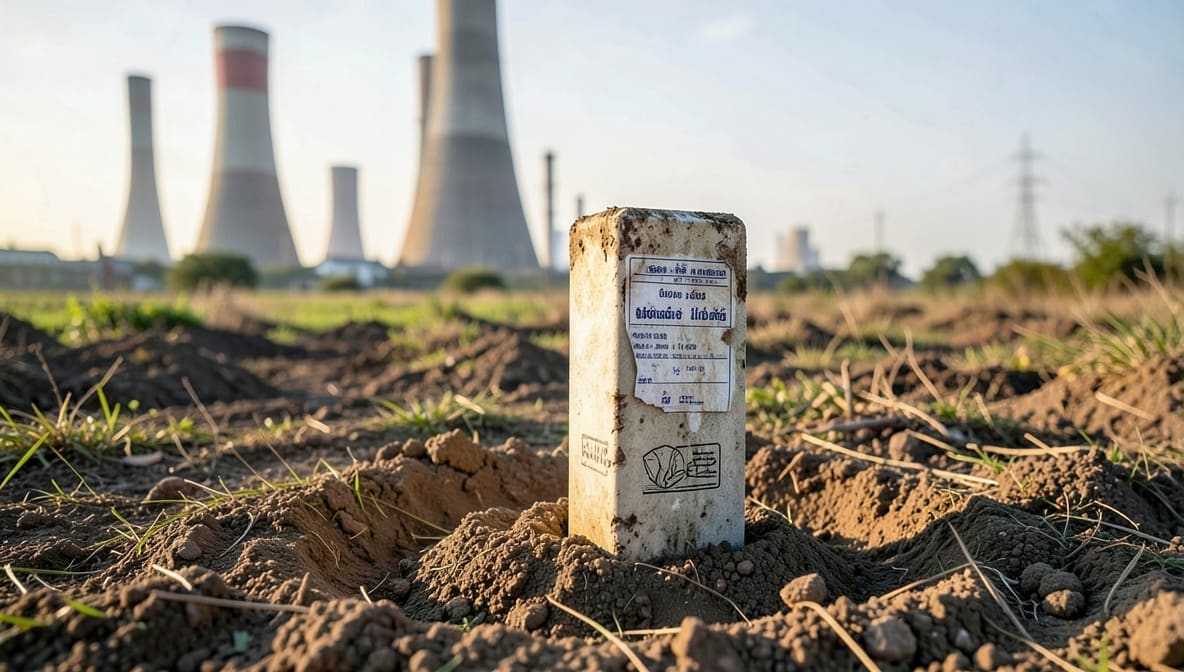
Tamil Nadu Land Encroachments Act, 1905 | Block Development Officer Must Issue Notice Before Tahsildar Eviction : Madras HC
Case Law Analysis
|Madras High Court

Tamil Nadu Land Encroachments Act, 1905 | Block Development Officer Must Issue Notice Before Tahsildar Eviction : Madras HC

Madras High Court reinforces procedural safeguards under the Tamil Nadu Land Encroachments Act, 1905, mandating that the Block Development Officer must first issue notice to encroachers before the Tahsildar can initiate eviction. Failure to follow this sequence renders eviction proceedings illegal, ensuring statutory compliance and protecting panchayat land rights.

SARFAESI Act Section 13 | Unsecured Court Attachments Cannot Invalidate Sale Certificate Registration: Madras HC
Case Law Analysis
|Madras High Court

SARFAESI Act Section 13 | Unsecured Court Attachments Cannot Invalidate Sale Certificate Registration: Madras HC

The Madras High Court has ruled that a secured creditor’s SARFAESI sale certificate cannot be blocked from registration merely due to a prior court attachment by an unsecured creditor. This affirms the primacy of secured interests under the SARFAESI Act and invalidates non-speaking orders that deny registration without hearing - a procedural safeguard critical for asset reconstruction companies and financial institutions enforcing security interests.

Section 10 TN Land Encroachment Act | Exhaustion of Appellate Remedy Mandatory Before Writ Petition; Commercial Use of Grama Natham Land Illegal : Madras HC
Case Law Analysis
|Madras High Court

Section 10 TN Land Encroachment Act | Exhaustion of Appellate Remedy Mandatory Before Writ Petition; Commercial Use of Grama Natham Land Illegal : Madras HC

Madras High Court ruled that a writ petition challenging an eviction notice under Section 6 of the Tamil Nadu Land Encroachment Act is not maintainable without first exhausting the statutory appeal under Section 10. The court also held that commercial use of grama natham land is illegal, reinforcing the state's authority over such lands.

Article 329(b) Bars Writ Petitions | Election Affidavit Non-Disclosure Must Be Challenged via Election Petition Under Section 100 RPA : Madras HC
Case Law Analysis
|Madras High Court

Article 329(b) Bars Writ Petitions | Election Affidavit Non-Disclosure Must Be Challenged via Election Petition Under Section 100 RPA : Madras HC

Madras HC reaffirms that challenges to candidate affidavit disclosures must be raised exclusively through election petitions under Section 100 of the Representation of the People Act, 1951. Article 329(b) precludes alternative remedies like writ petitions, reinforcing the statutory exclusivity of election disputes.

CGST Act Section 62 | Ex Parte Assessment Invalid If Notice Was Never Received Due to Cancelled Registration : Madras HC
Case Law Analysis
|Madras High Court

CGST Act Section 62 | Ex Parte Assessment Invalid If Notice Was Never Received Due to Cancelled Registration : Madras HC

The Madras High Court has ruled that an ex parte GST assessment under Section 62 is void if the assessee never received notice because their registration was cancelled without proper service. This upholds natural justice by requiring actual notice, not just procedural compliance, and mandates release of attached bank accounts pending fresh adjudication with a fair hearing.

Mootness Doctrine | Writ Petition Disposed After Encroachment Removal; Madras HC Directs Authorities to Prevent Future Public Land Encroachments : Madras HC
Case Law Analysis
|Madras High Court

Mootness Doctrine | Writ Petition Disposed After Encroachment Removal; Madras HC Directs Authorities to Prevent Future Public Land Encroachments : Madras HC

Madras HC disposed of a writ petition as moot after encroachments on a public road and water body were removed, emphasizing that authorities must proactively prevent future encroachments. The ruling reinforces administrative compliance under environmental and public land protection laws, setting a precedent for similar cases.

Section 67 Indian Evidence Act | Registered Sale Deed Presumption of Genuineness Overrides Allegations of Fraud Without Cogent Proof : Madras HC
Case Law Analysis
|Madras High Court

Section 67 Indian Evidence Act | Registered Sale Deed Presumption of Genuineness Overrides Allegations of Fraud Without Cogent Proof : Madras HC

Madras High Court reaffirms that a registered sale deed under Section 67 of the Indian Evidence Act carries a statutory presumption of validity, requiring cogent evidence to displace it. Mere allegations of fraud, undue influence, or non-payment of consideration are insufficient unless substantiated with proof, reinforcing the sanctity of registered property transactions.

Order VII Rule 11 CPC | Plaint in Partition Suit Cannot Be Rejected for General Property Description or Deficient Court Fee if Cause of Action and Constructive Possession Are Pleaded : Madras HC
Case Law Analysis
|Madras High Court

Order VII Rule 11 CPC | Plaint in Partition Suit Cannot Be Rejected for General Property Description or Deficient Court Fee if Cause of Action and Constructive Possession Are Pleaded : Madras HC

Madras High Court rules that a plaint in a partition suit cannot be dismissed under Order VII Rule 11 CPC merely for vague property description or insufficient court fees if the plaintiff establishes a cause of action and constructive possession. Such defects are triable issues, not grounds for outright rejection, reinforcing procedural fairness in property disputes.

Hybrid Accounting Permissible for Construction Firms | Tax Motive Irrelevant If Transactions Are Lawful : Madras HC
Case Law Analysis
|Madras High Court

Hybrid Accounting Permissible for Construction Firms | Tax Motive Irrelevant If Transactions Are Lawful : Madras HC

Madras High Court ruled that construction firms can adopt hybrid accounting methods and validated sale-and-leaseback transactions for cinematograph films, holding that tax-saving motives alone cannot invalidate lawful, documented transactions. The judgment reinforces the principle that the mercantile system allows flexibility in matching income and expenses, provided the transactions are genuine and properly recorded.

Service Regulations | Acting Beyond Authority in SHG Loan Sanction Constitutes Misconduct Even Without Personal Gain : Madras HC
Case Law Analysis
|Madras High Court

Service Regulations | Acting Beyond Authority in SHG Loan Sanction Constitutes Misconduct Even Without Personal Gain : Madras HC

The Madras High Court has ruled that a bank officer’s violation of Self Help Group lending norms, even without evidence of personal enrichment, amounts to misconduct under service regulations. This sets a critical precedent for disciplinary proceedings in public sector banks, reinforcing that procedural integrity and adherence to lending guidelines are non-negotiable duties, not optional best practices.

Passing Off | Likelihood of Confusion Established by Circumstantial Evidence Without Counterfeit Goods : Madras HC
Case Law Analysis
|Madras High Court

Passing Off | Likelihood of Confusion Established by Circumstantial Evidence Without Counterfeit Goods : Madras HC

The Madras High Court ruled that trademark passing off claims succeed when cumulative evidence demonstrates a real likelihood of consumer confusion, even in the absence of physical counterfeit products. This clarifies that brand protection hinges on market perception, not just imitation, empowering rights holders to act against deceptive trade practices without waiting for forged goods to surface.

Section 348 BNSS | POCSO Act’s Section 33(5) Does Not Bar Cross-Examination of Adult Witnesses: Madras HC
Case Law Analysis
|Madras High Court

Section 348 BNSS | POCSO Act’s Section 33(5) Does Not Bar Cross-Examination of Adult Witnesses: Madras HC

The Madras High Court has ruled that the POCSO Act’s procedural safeguards for child victims do not extend to blocking cross-examination of adult prosecution witnesses under BNSS Section 348. This affirms the accused’s constitutional right to a fair trial and prevents misuse of POCSO’s protective provisions to suppress legitimate defense rights in mixed-witness cases.

Supreme Court Rent Cap Binding on Municipal Shops | Rs.140/sq.ft. Lease Rate Enforced with Retroactive Adjustment: Madras HC
Case Law Analysis
|Madras High Court

Supreme Court Rent Cap Binding on Municipal Shops | Rs.140/sq.ft. Lease Rate Enforced with Retroactive Adjustment: Madras HC

The Madras High Court has ruled that municipal corporations must enforce the Supreme Court’s Rs.140 per square foot rent cap on leased commercial shops, ordering refunds of all excess payments collected since January 2022. This sets a binding precedent for all civic bodies across Tamil Nadu, ensuring uniformity in lease rentals and protecting small traders from arbitrary municipal demands.

Section 90 Waqf Act, 1995 | Failure to Join Wakf Board Renders Decree Non Est in Law: Madras HC
Case Law Analysis
|Madras High Court

Section 90 Waqf Act, 1995 | Failure to Join Wakf Board Renders Decree Non Est in Law: Madras HC

The Madras High Court has ruled that any decree passed without joining the Wakf Board as a mandatory party under Section 90 of the Waqf Act, 1995 is legally void ab initio - regardless of the suit’s merits or elapsed time. This sets a binding precedent for all property disputes involving waqf properties, requiring strict compliance with statutory joinder to avoid nullification of judgments.

Public Interest in Wildlife Conservation Justifies Final Contractual Time Extension Under Article 226 : Madurai HC
Case Law Analysis
|Madras High Court

Public Interest in Wildlife Conservation Justifies Final Contractual Time Extension Under Article 226 : Madurai HC

The Madurai High Court ordered a final extension of the construction deadline for the Slender Loris Conservation Center to 30.04.2026, directing immediate measurement of completed work and partial fund release to ensure completion. This ruling establishes that when public interest in environmental conservation is at stake, contractual rigidity must yield to judicial intervention under Article 226, setting a precedent for ecological infrastructure projects across India.

Section 77A Registration Act | Civil Courts Sole Forum for Title Disputes; Registration Authorities Cannot Cancel Sale Deeds : Madras HC
Case Law Analysis
|Madras High Court

Section 77A Registration Act | Civil Courts Sole Forum for Title Disputes; Registration Authorities Cannot Cancel Sale Deeds : Madras HC

The Madras High Court has struck down Section 77A of the Registration Act as unconstitutional, ruling that registration officers lack jurisdiction to cancel sale deeds - even where possession is disputed. Only civil courts may adjudicate title claims, reinforcing the separation between administrative registration functions and substantive property rights. This empowers corporate debtors and long-term possessors to challenge cancellations through civil litigation, not bureaucratic orders.

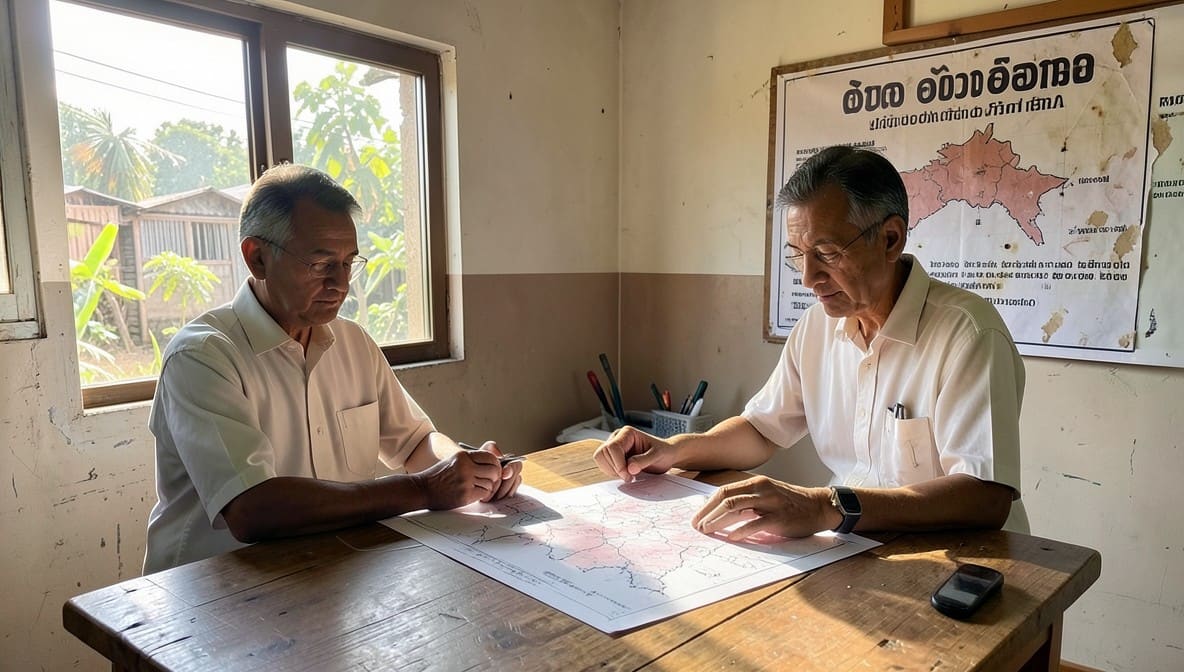
Land Survey Demarcation | Notice to Neighbors Mandatory Before State Boundary Fixation: Madras HC
Case Law Analysis
|Madras High Court

Land Survey Demarcation | Notice to Neighbors Mandatory Before State Boundary Fixation: Madras HC

The Madras High Court has ruled that no land survey or boundary demarcation by revenue authorities can proceed without first issuing notice to adjacent landowners and other interested parties. This establishes a non-negotiable procedural safeguard under administrative law, ensuring that property rights are not altered unilaterally by the state - a critical protection for rural landholders facing encroachment disputes.

Hindu Widow Cannot Act as Karta of HUF Without All Class-I Heirs: Madras HC Invalidates Sale Deed Registration
Case Law Analysis
|Madras High Court

Hindu Widow Cannot Act as Karta of HUF Without All Class-I Heirs: Madras HC Invalidates Sale Deed Registration

Madras High Court rules that a Hindu widow cannot unilaterally act as Karta of her deceased husband’s Hindu Undivided Family (HUF) to sell property without the consent of all Class-I heirs, including the deceased’s mother. The court upheld the Sub-Registrar’s refusal to register the sale deed, reinforcing that self-acquired property devolves individually on heirs under the Hindu Succession Act, not as HUF assets.

Article 226 | Writ Petitions for Speedy Disposal of Interlocutory Applications Require Exceptional Circumstances : Madras HC
Case Law Analysis
|Madras High Court

Article 226 | Writ Petitions for Speedy Disposal of Interlocutory Applications Require Exceptional Circumstances : Madras HC

Madras High Court dismisses writ petition seeking urgent disposal of an interlocutory application to unfreeze a bank account, reaffirming that judicial interference under Article 226 is unwarranted absent proven delay or exceptional circumstances. The ruling underscores the principle of judicial restraint in tribunal case management.