High Courts judgments

10239 High Courts judgments explained in plain English: what was decided, the law applied and why it matters. Page 99 of 427.

Section 13(1)(e) PC Act | Sale Proceeds from Joint Property Included in Disproportionate Assets Only to Extent of Unexplained Income : Kerala HC
Case Law Analysis
|Kerala High Court

Section 13(1)(e) PC Act | Sale Proceeds from Joint Property Included in Disproportionate Assets Only to Extent of Unexplained Income : Kerala HC

The Kerala High Court has ruled that when a public servant sells jointly owned immovable property, only the portion of sale proceeds attributable to their unexplained income - not a fixed 50% - qualifies as disproportionate asset under Section 13(1)(e) of the Prevention of Corruption Act. This clarifies asset accounting for public servants and prevents automatic presumption of guilt based on co-ownership, reinforcing the need for direct nexus between income and asset accumulation.

Builder’s Non-Delivery + Dishonoured Cheques = Deficiency in Service & Unfair Trade Practice | CPA 2019, Section 2(1)(o) & 2(1)(r) : Maharashtra SCDRC
Case Law Analysis
|Bombay High Court

Builder’s Non-Delivery + Dishonoured Cheques = Deficiency in Service & Unfair Trade Practice | CPA 2019, Section 2(1)(o) & 2(1)(r) : Maharashtra SCDRC

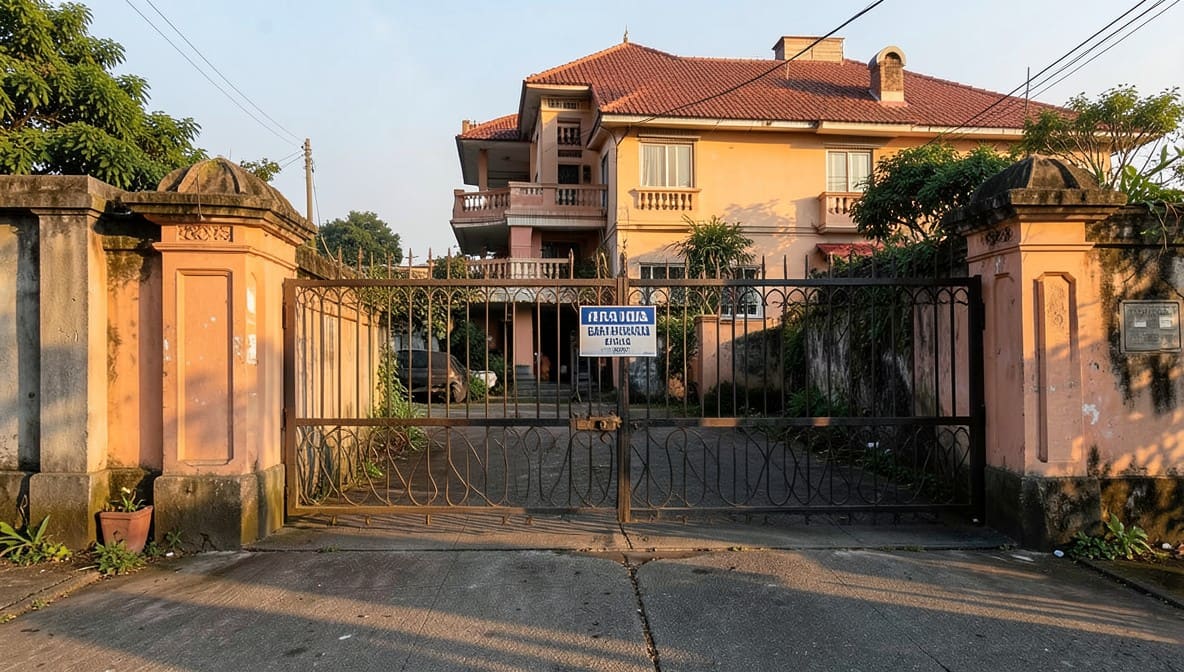
The Maharashtra State Consumer Commission held that accepting full payment without delivering the flat, coupled with issuing dishonoured cheques, constitutes both deficiency in service and unfair trade practice under the Consumer Protection Act, 2019. This ruling reinforces that residential buyers acting in good faith are protected consumers - not investors - and builders cannot evade liability through financial misrepresentation.

Specific Performance | Readiness Must Strictly Align with Contract Terms; No Implied Adjustment of Advances Without Express Provision : Kerala HC
Case Law Analysis
|Kerala High Court

Specific Performance | Readiness Must Strictly Align with Contract Terms; No Implied Adjustment of Advances Without Express Provision : Kerala HC

The Kerala High Court ruled that a plaintiff’s readiness to perform under a sale agreement cannot be assumed merely because prior advances were made-explicit contractual terms govern performance obligations. This sets a critical precedent for property buyers and sellers, reinforcing that contractual specificity overrides informal adjustments in specific performance claims.

Order XXXIII CPC | Indigency for Court Fee Waiver Assessed at Balance Payment Due, Not Filing; Accident-Induced Income Loss Qualifies : Kerala HC
Case Law Analysis
|Kerala High Court

Order XXXIII CPC | Indigency for Court Fee Waiver Assessed at Balance Payment Due, Not Filing; Accident-Induced Income Loss Qualifies : Kerala HC

The Kerala High Court ruled that a litigant’s indigent status under Order XXXIII CPC must be evaluated when the balance court fee becomes payable, not at the time of suit filing. This clarifies that sudden financial hardship due to accident or medical emergency can justify pauper status, significantly expanding access to justice for professionals and middle-income litigants facing unforeseen economic shock.

Cooperative Housing Society | Cannot Impose Non-Occupancy Charges or Deny Membership to Owner-Occupier Who Paid Full Consideration : Maharashtra SCDRC
Case Law Analysis
|Bombay High Court

Cooperative Housing Society | Cannot Impose Non-Occupancy Charges or Deny Membership to Owner-Occupier Who Paid Full Consideration : Maharashtra SCDRC

The Maharashtra State Consumer Commission ruled that housing societies violate the Consumer Protection Act by charging non-occupancy fees or withholding membership from flat owners who have paid the full sale consideration and reside in the unit. This sets a critical precedent protecting homeowners from exploitative society bylaws and reinforces that physical possession coupled with full payment equates to lawful occupancy rights.

Regulation 15.4 MERC Regulations | Loose Connection ≠ Defective Meter; Consumer Liable for Full Billing Period : Bombay HC
Case Law Analysis
|Bombay High Court

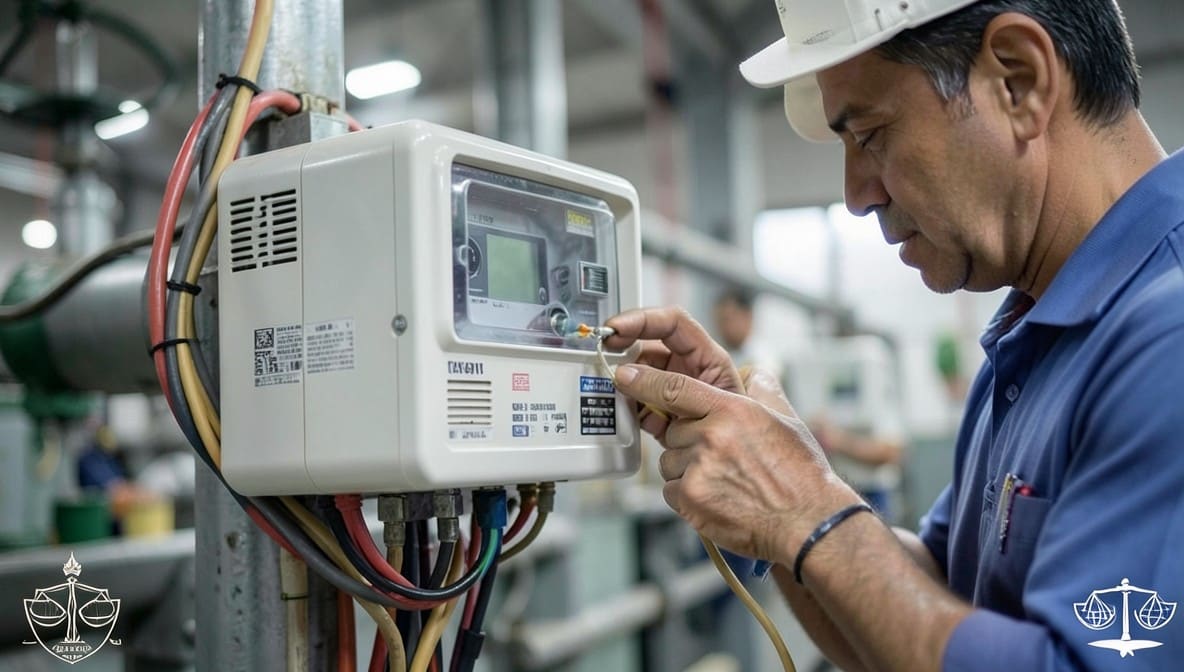
Regulation 15.4 MERC Regulations | Loose Connection ≠ Defective Meter; Consumer Liable for Full Billing Period : Bombay HC

Bombay High Court clarifies that a loose connection in an electricity meter does not qualify as a 'defective meter' under MERC Regulations, upholding MSEDCL's recovery of ₹16.83 lakh for the disputed period. The ruling reinforces that consumers cannot evade billing liability by citing technical defects unless the meter itself is proven defective.

Deceptive Similarity in Pharmaceutical Marks | 'ZENOX' Infringes 'ZINOX' Under Section 29(4) Trademarks Act, 2015: Bombay HC
Case Law Analysis
|Bombay High Court

Deceptive Similarity in Pharmaceutical Marks | 'ZENOX' Infringes 'ZINOX' Under Section 29(4) Trademarks Act, 2015: Bombay HC

The Bombay High Court granted a permanent injunction against Zenlabs India for using 'ZENOX' on pharmaceuticals, finding it deceptively similar to Glenmark's registered mark 'ZINOX'. The ruling reinforces that minor spelling variations in drug trademarks can constitute passing off when consumer confusion is likely, setting a clear precedent for brand protection in the pharma sector.

Section 24 CPC | Wife's Financial Dependence and Proximity to Related Litigation Justify Transfer of Matrimonial Proceedings : Himachal Pradesh HC
Case Law Analysis
|Himachal Pradesh High Court

Section 24 CPC | Wife's Financial Dependence and Proximity to Related Litigation Justify Transfer of Matrimonial Proceedings : Himachal Pradesh HC

Himachal Pradesh High Court transfers divorce proceedings under Section 24 CPC, prioritizing the wife's financial dependence, logistical convenience, and proximity to pending maintenance and domestic violence cases. The ruling reinforces judicial sensitivity to gendered hardships in matrimonial disputes.

Contempt of Court Under Land Acquisition Act | Willful Disobedience of Judicial Orders Triggers Civil Contempt: Andhra Pradesh HC
Case Law Analysis
|Andhra Pradesh High Court

Contempt of Court Under Land Acquisition Act | Willful Disobedience of Judicial Orders Triggers Civil Contempt: Andhra Pradesh HC

The Andhra Pradesh High Court ruled that willful disobedience of judicial orders in land acquisition cases constitutes civil contempt, granting a final compliance opportunity. The judgment underscores the judiciary's intolerance for non-compliance with land acquisition directives, reinforcing the Rule of Law and judicial authority over public bodies.

Section 100 CPC | Statutory Vesting Converts Inherited Property to Self-Acquired; Concurrent Findings on Will Execution Binding in Second Appeal : HP HC
|Himachal Pradesh High Court

Section 100 CPC | Statutory Vesting Converts Inherited Property to Self-Acquired; Concurrent Findings on Will Execution Binding in Second Appeal : HP HC

The Himachal Pradesh High Court holds that property inherited from a non-occupancy tenant under statutory vesting ceases to be ancestral and becomes self-acquired, making it freely disposable by will. Concurrent findings of fact on the execution of a will, once affirmed by two lower courts, cannot be reappreciated in a second appeal under Section 100 CPC, reinforcing finality in testamentary disputes affecting heirs and beneficiaries.

WFI Constitution | General Council Retains Disaffiliation Power Despite Executive Committee Suspension: Bombay HC
Case Law Analysis
|Bombay High Court

WFI Constitution | General Council Retains Disaffiliation Power Despite Executive Committee Suspension: Bombay HC

The Bombay High Court has ruled that even when a sports federation's executive body is suspended by the government, its General Council retains independent constitutional authority to disaffiliate member units. This affirms that structural governance bodies are not automatically paralyzed by administrative intervention, protecting the autonomy of internal federation processes under natural justice and constitutional principles.

Consumer Protection Act, 2019 | Arrest Warrants Valid Against Judgment Debtors Evading Compliance for Three Years : Karnataka HC
Case Law Analysis
|Karnataka High Court

Consumer Protection Act, 2019 | Arrest Warrants Valid Against Judgment Debtors Evading Compliance for Three Years : Karnataka HC

The Karnataka High Court upholds the issuance of arrest warrants against landowners who deliberately avoided complying with a three-year-old consumer dispute order, affirming that willful evasion of statutory remedies justifies coercive enforcement. This sets a critical precedent for consumer commissions to use criminal sanctions against serial non-compliers, strengthening the enforceability of final orders under the Act.

Section 100(1)(d) RP Act | Election Petition Dismissed for Failing to Plead Material Effect of Nomination Defects : Bombay HC
|Bombay High Court

Section 100(1)(d) RP Act | Election Petition Dismissed for Failing to Plead Material Effect of Nomination Defects : Bombay HC

The Bombay High Court has ruled that mere technical violations in nomination forms - such as misplaced photographs or incomplete criminal disclosures - cannot void an election unless the petitioner specifically pleads how those defects materially affected the outcome. This reinforces that election petitions must go beyond procedural complaints and demonstrate real-world impact on voter choice, raising the bar for challengers nationwide.

Patent Prosecution Remand | Controller Barred from Introducing New Objections or Prior Art Beyond Original Record Under Natural Justice : Bombay HC
Case Law Analysis
|Bombay High Court

Patent Prosecution Remand | Controller Barred from Introducing New Objections or Prior Art Beyond Original Record Under Natural Justice : Bombay HC

The Bombay High Court has ruled that a remand order issued to cure a breach of natural justice in patent examination cannot be used as a vehicle for the Controller to raise fresh objections or cite new prior art not present in the original file. This clarifies that remand is strictly procedural - meant to ensure fair hearing, not to restart prosecution with new grounds - protecting applicants from procedural ambush and reinforcing the integrity of patent examination.

Motor Vehicles Act | Future Prospects and Realistic Permanent Disability Assessment Mandatory in Compensation Calculations: Kerala HC
Case Law Analysis
|Kerala High Court

Motor Vehicles Act | Future Prospects and Realistic Permanent Disability Assessment Mandatory in Compensation Calculations: Kerala HC

The Kerala High Court has ruled that Motor Accident Claims Tribunals must explicitly account for realistic future prospects and the true extent of permanent disability when calculating compensation, rejecting mechanical or minimalistic approaches. This sets a new benchmark for claimants with long-term impairments, ensuring awards reflect actual earning loss and rehabilitation needs under Section 166 of the Motor Vehicles Act.

Kerala Conservation of Paddy Land Rules Rule 4(4f) | Authorised Officer Must Independently Assess Land via Satellite & Inspection, Not Rely Solely on Subordinate Report : Kerala HC
Case Law Analysis
|Kerala High Court

Kerala Conservation of Paddy Land Rules Rule 4(4f) | Authorised Officer Must Independently Assess Land via Satellite & Inspection, Not Rely Solely on Subordinate Report : Kerala HC

The Kerala High Court has ruled that an authorised officer cannot approve or reject a Form-5 application under the Paddy Land Rules by merely accepting a subordinate’s report. The officer must independently review satellite data and conduct a physical inspection as mandated by Rule 4(4f), ensuring procedural integrity in land use decisions. This sets a critical precedent for administrative accountability in environmental land regulation across Kerala.

Bank Account Freezing | Police Requisition Insufficient Without SOP & Abdul Azeez Guidelines: Kerala HC
Case Law Analysis
|Kerala High Court

Bank Account Freezing | Police Requisition Insufficient Without SOP & Abdul Azeez Guidelines: Kerala HC

The Kerala High Court ruled that banks cannot freeze accounts based solely on police requisition; they must follow established SOPs for cybercrime-related freezes and comply with the Abdul Azeez guidelines, ensuring a quantified grievance mechanism and proportional relief. This binds all financial institutions to procedural safeguards under Article 300A and BNSS, preventing arbitrary deprivation of property.

SARFAESI Act Section 13(8) | Sale Certificate Not Liable to Stamp Duty at Issuance, Only Upon Registration: Kerala HC
|Kerala High Court

SARFAESI Act Section 13(8) | Sale Certificate Not Liable to Stamp Duty at Issuance, Only Upon Registration: Kerala HC

The Kerala High Court has ruled that a sale certificate issued under the SARFAESI Act does not attract stamp duty when issued, as it merely evidences title already transferred by auction confirmation. Stamp duty is payable only when the certificate is presented for registration, relieving auction purchasers of premature financial burdens and aligning procedural compliance with substantive rights.

Right to Hearing Before Fine Imposition | Municipal Seizure of Flex Materials Requires Opportunity to Contest: Kerala HC
|Kerala High Court

Right to Hearing Before Fine Imposition | Municipal Seizure of Flex Materials Requires Opportunity to Contest: Kerala HC

The Kerala High Court has ruled that municipal authorities cannot impose fines based on seized materials without first providing the affected party a meaningful opportunity to be heard and substantiate their objections. This sets a critical precedent for all local bodies enforcing administrative penalties, ensuring procedural fairness overrides summary action in regulatory enforcement.

Kerala Panchayat Building Rules, 2011 | Ignoring Exempting Circulars Vitiates Notice; Natural Justice Demands Reconsideration : Kerala HC
Case Law Analysis
|Kerala High Court

Kerala Panchayat Building Rules, 2011 | Ignoring Exempting Circulars Vitiates Notice; Natural Justice Demands Reconsideration : Kerala HC

The Kerala High Court has ruled that panchayats cannot issue building compliance notices while disregarding binding exempting circulars, violating natural justice. Authorities must reconsider applications by factoring in all relevant circulars, particularly where land conversion predates regulatory restrictions, ensuring lawful issuance of occupancy certificates.

SARFAESI Act Section 17 | Non-Borrower Has Standing to Challenge Asset Sale; Sale Stayed Until Certified Copy of DRT Order Is Obtained : Kerala HC
Case Law Analysis
|Kerala High Court

SARFAESI Act Section 17 | Non-Borrower Has Standing to Challenge Asset Sale; Sale Stayed Until Certified Copy of DRT Order Is Obtained : Kerala HC

The Kerala High Court has ruled that a third party with a legitimate interest in property, even if not a borrower or guarantor, can invoke Section 17 of the SARFAESI Act to challenge a bank’s recovery action. The sale of the property must be stayed until the appellant obtains a certified copy of the DRT’s order, ensuring procedural fairness and preventing irreversible harm before legal redress is complete.

Model Cadre Recruitment Rules | DPC-Approved Non-Functional Pay Upgradation Entitled Upon 5-Year Service Completion: Kerala HC
Case Law Analysis
|Kerala High Court

Model Cadre Recruitment Rules | DPC-Approved Non-Functional Pay Upgradation Entitled Upon 5-Year Service Completion: Kerala HC

The Kerala High Court ruled that once Model Cadre Recruitment Rules are accepted in principle, employees with DPC approval for non-functional pay upgradation after five years of service are legally entitled to the benefit under Article 14. Denial violates legitimate expectation and equality, setting a binding precedent for all Central Universities and autonomous institutions adopting the Model Rules.