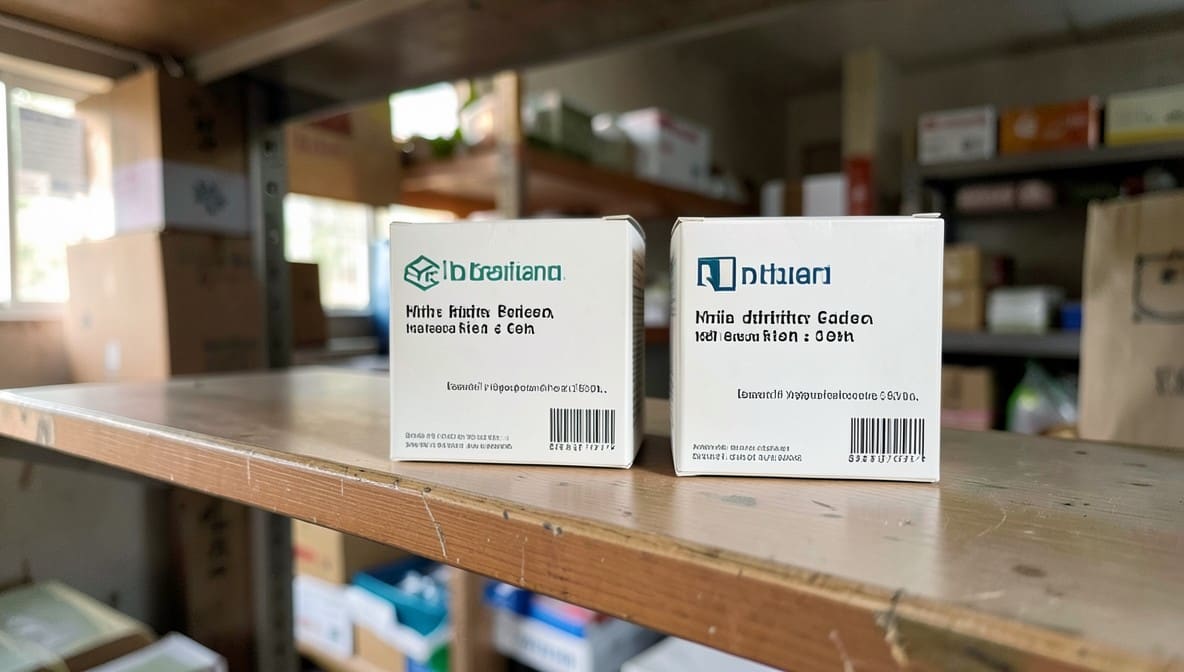
The Bombay High Court has delivered a significant judgment in a trade mark infringement and passing off suit, holding that the mark 'ZENOX' is deceptively similar to the registered mark 'ZINOX' for pharmaceutical preparations. The Court emphasized the stricter standards applicable to medicinal products and awarded costs of Rs. 5,00,000 under the Commercial Courts Act, 2015, underscoring the need to curb dishonest adoption of marks in the pharmaceutical sector.
Background & Facts
The Dispute
The plaintiff, Glenmark Pharmaceuticals Limited, filed a suit for permanent injunction restraining the defendants, Zenlabs India and another, from infringing its registered trade mark 'ZINOX' and from using the impugned mark 'ZENOX' for pharmaceutical preparations. The plaintiff alleged that the impugned mark was deceptively similar to its registered mark, leading to confusion among consumers and potential public health risks.
Key Facts
- The plaintiff adopted the trade mark 'ZINOX' in 2007 and began using it for medicinal and pharmaceutical preparations in June 2013.
- The plaintiff is the registered proprietor of the mark 'ZINOX' under Class 5 (Registration No. 1535546), valid until 2027.
- The plaintiff’s product under the 'ZINOX' mark contains 'Garenoxacin' and is used for treating bacterial infections.
- The plaintiff incurred substantial promotional expenses and demonstrated extensive sales turnover under the 'ZINOX' mark.
- In February 2016, the plaintiff discovered the defendants’ product bearing the impugned mark 'ZENOX', containing 'Ofloxacin', also used for bacterial infections.
- The plaintiff argued that the impugned mark was visually and phonetically similar to 'ZINOX', leading to potential confusion and public health risks.
Procedural History
- 18.04.2016: Bombay High Court granted ad interim relief in favour of the plaintiff.
- 25.07.2016: Ad interim order confirmed.
- 15.12.2016: Suit transferred to the list of undefended suits as the defendants failed to file a written statement.
- 15.04.2026: Plaintiff filed affidavit of evidence and documents through Ms. Archana Madhav Bene, General Manager of the plaintiff company.
- 27.04.2026: Arguments heard.
- 15.06.2026: Judgment pronounced.
Relief Sought
The plaintiff sought:
- Permanent injunction restraining the defendants from using the impugned mark 'ZENOX' (Prayer Clause (a)).
- Injunction restraining the defendants from passing off their goods as those of the plaintiff (Prayer Clause (b)).
- Damages of Rs. 5,00,000 (Prayer Clause (c)).
- Costs under Section 35 of the Civil Procedure Code, 1908, as amended by the Commercial Courts Act, 2015 (Prayer Clause (d)).
The Legal Issue
The central question was whether the defendants’ use of the mark 'ZENOX' for pharmaceutical preparations constituted trade mark infringement and passing off, given its deceptive similarity to the plaintiff’s registered mark 'ZINOX', and whether the plaintiff was entitled to damages and costs under the Commercial Courts Act, 2015.
Arguments Presented
For the Plaintiff
- The plaintiff is the registered proprietor of the mark 'ZINOX' under Class 5, valid and subsisting since 2007.
- The plaintiff demonstrated extensive use of the mark since 2013 through sales turnover, invoices, and promotional expenses.
- The impugned mark 'ZENOX' is visually and phonetically similar to 'ZINOX', leading to consumer confusion.
- The defendants’ adoption of 'ZENOX' was dishonest, intended to ride on the plaintiff’s goodwill and reputation.
- The use of deceptively similar marks for medicinal products poses a public health risk, warranting stricter scrutiny.
- Reliance was placed on K. R. Chinna Krishna Chettiar v. Shri Ambal & Co. and Cadila Health Care Ltd. v. Cadila Pharmaceuticals Ltd. to establish the test for deceptive similarity.
- The plaintiff argued for punitive damages and costs under Section 35 of the CPC, as amended by the Commercial Courts Act, 2015, due to the defendants’ dishonest conduct.
For the Defendants
The defendants did not file a written statement, lead any evidence, or cross-examine the plaintiff’s witness, effectively leaving the plaintiff’s case uncontroverted.
The Court's Analysis
The Court conducted a detailed analysis of the plaintiff’s claims and the legal principles governing trade mark infringement and passing off:
"A perusal of the rival trade marks makes plain that they are almost identical, and the only difference between the impugned mark ‘ZENOX’ and the Plaintiff’s mark ‘ZINOX’ is the replacement of the letter 'I' by 'E', and hence both the marks look and sound similar. Therefore, the Defendants’ use of the impugned mark in respect of medicinal products is likely to cause confusion amongst the consumers and members of the trade."
The Court relied on the following key principles:
-
Registration and Validity of Plaintiff’s Mark: The plaintiff’s registration of 'ZINOX' since 2007, renewed until 2027, established its exclusive rights over the mark.
-
Commercial Use and Distinctiveness: The plaintiff demonstrated extensive use of 'ZINOX' through sales turnover, invoices, and promotional expenses, proving that the mark had acquired distinctiveness and goodwill.
-
Deceptive Similarity: The Court held that 'ZENOX' and 'ZINOX' were visually and phonetically similar, leading to potential confusion. It relied on K. R. Chinna Krishna Chettiar v. Shri Ambal & Co., which emphasized that ocular comparison is not the sole test, and phonetic similarity must also be considered.
-
Public Health Risk: The Court noted that the products in question were medicinal preparations, where even slight confusion could have life-threatening consequences. It relied on Cadila Health Care Ltd. v. Cadila Pharmaceuticals Ltd., which held that stricter standards apply to medicinal products to avoid confusion.
-
Dishonest Adoption: The defendants failed to justify their adoption of 'ZENOX' or present any defence, leading the Court to conclude that the adoption was dishonest and intended to ride on the plaintiff’s goodwill.
-
Costs Under Commercial Courts Act: The Court observed that Section 35 of the CPC, as amended by the Commercial Courts Act, 2015, mandates costs to follow the event. Given the defendants’ conduct and the potential public health risk, the Court awarded costs to deter similar dishonest practices.
The Verdict
The Court decreed the suit in favour of the plaintiff in the following terms:
- The defendants are permanently restrained from using the impugned mark 'ZENOX' for pharmaceutical preparations (Prayer Clauses (a) and (b)).
- The defendants are directed to pay costs of Rs. 5,00,000 to the plaintiff within 8 weeks from the date of the judgment (Prayer Clause (d)).
- In the event of non-payment within 8 weeks, interest at 8% per annum shall apply.
- The plaintiff’s claim for damages (Prayer Clause (c)) was rejected due to lack of evidence.
What This Means For Similar Cases
Stricter Scrutiny for Pharmaceutical Marks
- Courts will apply a stricter test for deceptive similarity in cases involving medicinal products, given the potential public health risks.
- Even minor visual or phonetic similarities between marks for pharmaceuticals can lead to confusion and are likely to be held infringing.
Dishonest Adoption and Costs
- The Commercial Courts Act, 2015 empowers courts to award costs, including legal fees, to deter dishonest adoption of marks.
- Defendants who fail to contest the suit or justify their adoption of a mark risk being held liable for punitive costs, especially in cases involving public health.
Evidence of Use and Goodwill
- Plaintiffs must lead comprehensive evidence of use, sales turnover, promotional expenses, and goodwill to establish distinctiveness.
- Documentary evidence, such as invoices, sales statements, and promotional certificates, is crucial to proving commercial use and reputation.
No Automatic Damages
- While courts may grant injunctions and costs, damages are not automatic and require specific evidence of loss suffered by the plaintiff.