High Courts judgments

10239 High Courts judgments explained in plain English: what was decided, the law applied and why it matters. Page 100 of 427.

Article 14 | Co-Accused Incarceration Cannot Be a Prerequisite for Ordinary Leave: Kerala HC
Case Law Analysis
|Kerala High Court

Article 14 | Co-Accused Incarceration Cannot Be a Prerequisite for Ordinary Leave: Kerala HC

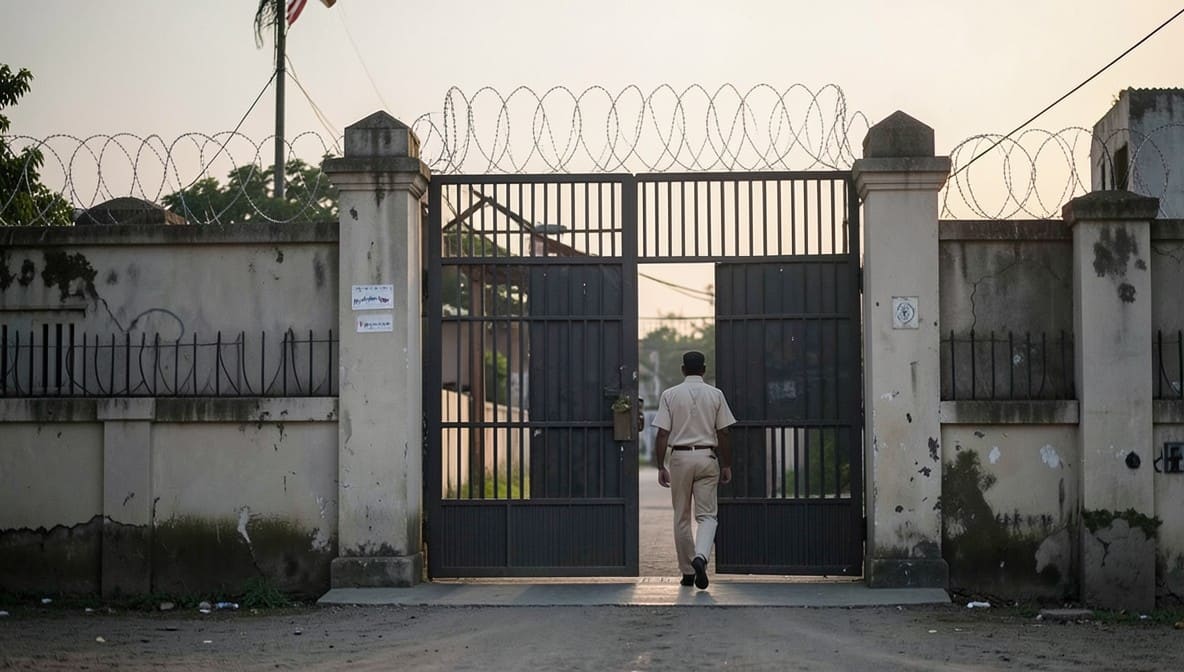
The Kerala High Court has struck down a prison rule requiring convicts to wait until all co-accused remain incarcerated before being granted ordinary leave. This ruling affirms that parole decisions must be based on individual merit and conduct, not collective punishment, reinforcing the constitutional right to equal treatment under Article 14 and setting a critical precedent for prisoner rights across India.

Article 21 | District-Level Expert Committee Mandatory to Assess Criminal Medical Negligence Before Police Action: Kerala HC
Case Law Analysis
|Kerala High Court

Article 21 | District-Level Expert Committee Mandatory to Assess Criminal Medical Negligence Before Police Action: Kerala HC

The Kerala High Court has ruled that no criminal complaint for medical negligence can proceed without a preliminary assessment by a constitutionally mandated District Level Expert Committee. This procedural safeguard ensures that allegations are vetted by medical experts before triggering criminal proceedings, protecting healthcare providers from frivolous FIRs while upholding the right to life and health under Article 21. The directive applies to all district medical officers and police authorities across Kerala.

Rule 41 CCS (Pension) Rules | Compassionate Allowance Permitted Despite Disciplinary Dismissal Without Moral Turpitude: Kerala HC
Case Law Analysis
|Kerala High Court

Rule 41 CCS (Pension) Rules | Compassionate Allowance Permitted Despite Disciplinary Dismissal Without Moral Turpitude: Kerala HC

The Kerala High Court has ruled that a retired government employee dismissed for a non-moral turpitude act - such as being wrongly presumed to wear a protest badge - remains eligible for compassionate allowance under Rule 41 of the CCS Pension Rules. This sets a vital precedent for thousands of dismissed service personnel whose dismissals lacked dishonesty or criminal intent, ensuring pension equity based on conduct, not presumption.

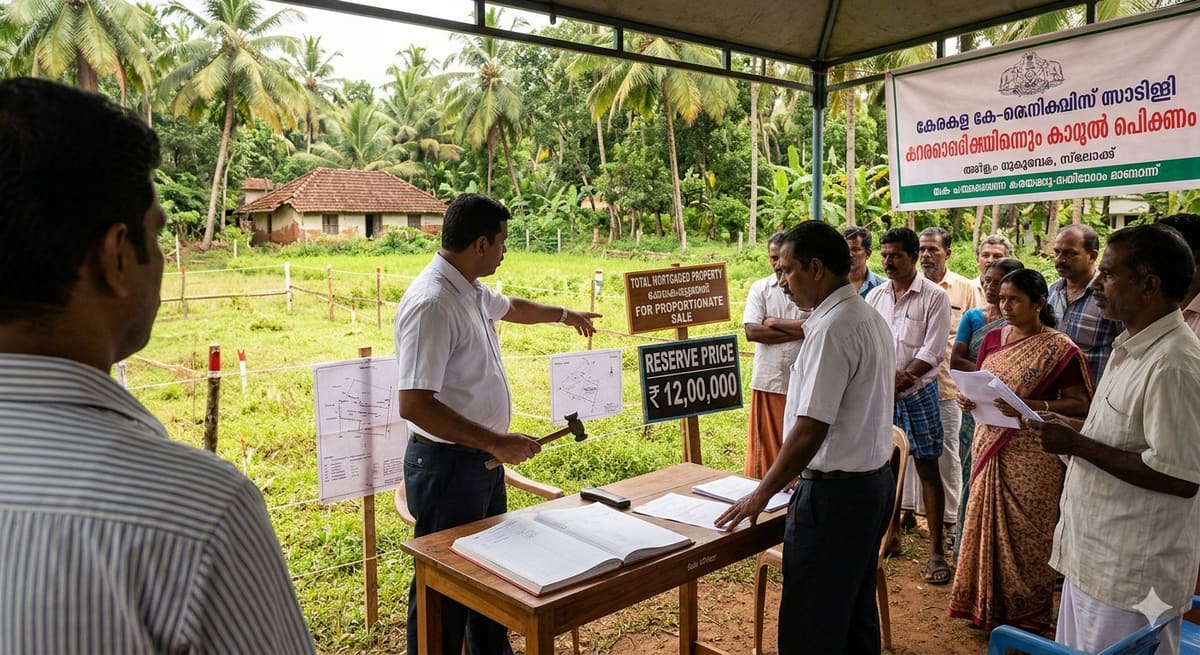
Rule 85, Kerala Co-operative Societies Rules | Sale Officer Must Sell Only Proportionate Portion of Mortgaged Property with Reserve Price : Kerala HC
Case Law Analysis
|Kerala High Court

Rule 85, Kerala Co-operative Societies Rules | Sale Officer Must Sell Only Proportionate Portion of Mortgaged Property with Reserve Price : Kerala HC

The Kerala High Court has ruled that cooperative banks cannot auction entire mortgaged properties to recover dues - sale officers must determine and sell only the minimum portion sufficient to cover the debt, interest, and expenses, and must first fix a reserve price. This protects borrowers from disproportionate asset loss and enforces statutory safeguards under cooperative law.

Section 69 Kerala Co-operative Societies Act | Ex Parte Award Challenges Must Be Decided Within Two Months to Uphold Natural Justice: Kerala HC
Case Law Analysis
|Kerala High Court

Section 69 Kerala Co-operative Societies Act | Ex Parte Award Challenges Must Be Decided Within Two Months to Uphold Natural Justice: Kerala HC

The Kerala High Court has mandated that Special Sale Officers must decide applications to set aside ex parte awards under Section 69 of the Kerala Co-operative Societies Act within two months, ensuring timely redressal and preventing indefinite legal limbo for guarantors. This ruling reinforces natural justice in cooperative dispute resolution and binds all arbitral officers under the Act to enforce procedural deadlines.

THOTA Rules Rule 12(3) | Reasoned Order Mandatory Before Rejecting Organ Transplant Application: Kerala HC
Case Law Analysis
|Kerala High Court

THOTA Rules Rule 12(3) | Reasoned Order Mandatory Before Rejecting Organ Transplant Application: Kerala HC

The Kerala High Court has ruled that rejecting a kidney transplant application without a reasoned order violates procedural fairness under the Transplantation of Human Organs and Tissues Act. Authorities must now conduct a fresh evaluation, including a police verification report and a hearing, ensuring transparency and accountability in transplant approvals affecting life-or-death medical decisions.

Section 148 NI Act | Judicial Discretion Permits Waiver of 20% Deposit for Indigence and Serious Illness: Kerala HC
Case Law Analysis
|Kerala High Court

Section 148 NI Act | Judicial Discretion Permits Waiver of 20% Deposit for Indigence and Serious Illness: Kerala HC

The Kerala High Court has ruled that appellate courts may waive the mandatory 20% deposit under Section 148 of the Negotiable Instruments Act when the appellant proves extreme financial hardship and severe illness, affirming that rigid statutory compliance must yield to equity in exceptional cases. This sets a vital precedent for economically vulnerable litigants facing criminal liability under cheque bounce provisions.

Section 498A IPC | Prima Facie Case Established Against Father-in-Law Only Upon Specific Allegations of Dowry Cruelty: MP HC
Case Law Analysis
|Madhya Pradesh High Court

Section 498A IPC | Prima Facie Case Established Against Father-in-Law Only Upon Specific Allegations of Dowry Cruelty: MP HC

The Madhya Pradesh High Court clarified that a father-in-law cannot be charged under Section 498A IPC merely by virtue of his relationship; specific, direct allegations of dowry demand or cruelty must be pleaded against him personally. This ruling reinforces the Arnesh Kumar principle that blanket imputation of guilt to in-laws without individualized conduct is legally unsustainable, protecting innocent relatives from frivolous prosecution.

Hindu Succession Act Section 15(1)(b) | Plaintiff’s Death During Pendency Transfers Title to Brother’s Sons, Not Defendants’ Claim: MP HC Gwalior
Case Law Analysis
|Madhya Pradesh High Court

Hindu Succession Act Section 15(1)(b) | Plaintiff’s Death During Pendency Transfers Title to Brother’s Sons, Not Defendants’ Claim: MP HC Gwalior

When a plaintiff in a title dispute dies during appeal, their legal heirs under Section 15(1)(b) of the Hindu Succession Act inherit the property - even if defendants previously claimed ownership through revenue mutations. This ruling closes a loophole where heirs of a deceased brother could inherit property not directly bequeathed, affirming statutory succession over informal transfers.

Section 26 MP Public Trust Act | Registrar May Directly Approach Court When No Trustee Exists to Prevent Trust Collapse : MP HC
Case Law Analysis
|Madhya Pradesh High Court

Section 26 MP Public Trust Act | Registrar May Directly Approach Court When No Trustee Exists to Prevent Trust Collapse : MP HC

The Madhya Pradesh High Court has ruled that when a public trust is left without any functioning trustee, the Registrar of Public Trusts may directly file a reference before the court under Section 26 - bypassing redundant administrative reviews. This empowers the Registrar to act swiftly to protect trust assets and uphold public interest, setting a vital precedent for trust governance in cases of managerial vacuum.

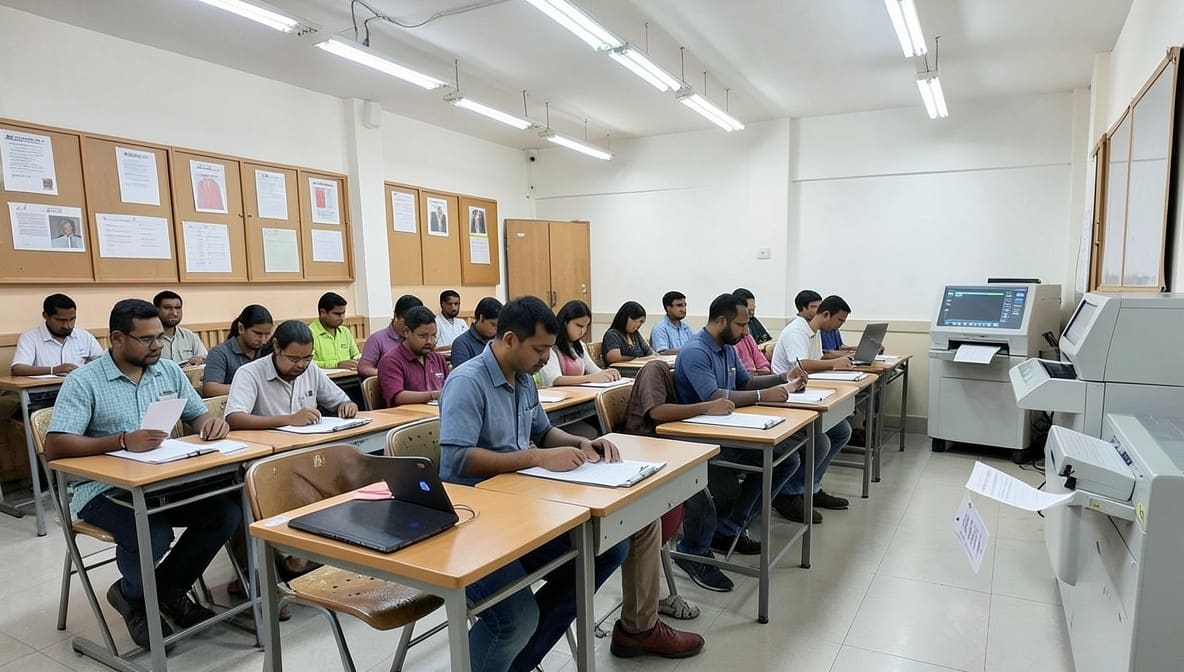
Digital Evaluation of Answer Sheets | No Right to Revaluation When Dual-Check & Anonymization Ensure Fairness: MP HC
Case Law Analysis
|Madhya Pradesh High Court

Digital Evaluation of Answer Sheets | No Right to Revaluation When Dual-Check & Anonymization Ensure Fairness: MP HC

The Madhya Pradesh High Court ruled that when answer sheets are digitally evaluated through dual valuation and anonymized scanning, students have no legal right to revaluation - even if they dispute their marks. This affirms that procedural fairness under natural justice is satisfied by systemic safeguards, not individual rechecking requests, setting a precedent for state universities nationwide.

Section 430(1) BNSS | Bail and Sentence Suspension Granted in Corruption Conviction Despite Gravity of Offence, Citing Clean Record and Delay in Appeal : MP HC Jabalpur
Case Law Analysis
|Madhya Pradesh High Court

Section 430(1) BNSS | Bail and Sentence Suspension Granted in Corruption Conviction Despite Gravity of Offence, Citing Clean Record and Delay in Appeal : MP HC Jabalpur

The Madhya Pradesh High Court suspended the remaining jail term and granted bail to a convicted official under Section 430(1) BNSS, holding that a clean criminal record, no misuse of prior liberty, and undue delay in hearing the appeal outweigh the seriousness of the corruption charge. This reinforces that procedural fairness and delay can justify bail even in heinous statutory offences, setting a precedent for convicted public servants awaiting appellate review.

MTP Act Section 3(2)(b) | Rape Survivor’s Consent Alone Sufficient for Termination Beyond 20 Weeks Under Article 21: MP HC
Case Law Analysis
|Madhya Pradesh High Court

MTP Act Section 3(2)(b) | Rape Survivor’s Consent Alone Sufficient for Termination Beyond 20 Weeks Under Article 21: MP HC

The Madhya Pradesh High Court ruled that a rape survivor’s voluntary consent is decisive for medical termination of pregnancy, even beyond the 20-week limit, affirming bodily autonomy as a fundamental right under Article 21. The judgment removes procedural barriers for survivors seeking timely abortion, reinforcing that POCSO and MTP Act must be read harmoniously to protect dignity and health.

Police Regulations Regulation 214 | Enquiry Officer's Clarificatory Questions Do Not Vitiate Proceeding; Six-Month Limit Applies Only to Inquiry Initiation, Not Revision : MP HC Gwalior
Case Law Analysis
|Madhya Pradesh High Court

Police Regulations Regulation 214 | Enquiry Officer's Clarificatory Questions Do Not Vitiate Proceeding; Six-Month Limit Applies Only to Inquiry Initiation, Not Revision : MP HC Gwalior

The Madhya Pradesh High Court holds that an Enquiry Officer’s limited questions to clarify evidence do not amount to acting as prosecutor, preserving natural justice. Crucially, the six-month timeline under Police Regulations applies only to initiating the inquiry, not to filing or deciding a revision, giving authorities flexibility in imposing major punishment without procedural invalidity. This protects disciplinary proceedings from being derailed by technicalities while upholding fairness.

Article 21 | Temporary Bail Granted for Compound Fracture When Jail Medical Care Inadequate: MP HC Jabalpur
Case Law Analysis
|Madhya Pradesh High Court

Article 21 | Temporary Bail Granted for Compound Fracture When Jail Medical Care Inadequate: MP HC Jabalpur

The Madhya Pradesh High Court has ruled that a convict suffering from a compound fracture is entitled to temporary bail if jail medical facilities cannot provide adequate care, affirming the right to health under Article 21. This sets a clear precedent for non-commercial NDPS offenders with severe, verifiable medical emergencies, balancing custodial obligations with constitutional rights to life and dignity.

Land Acquisition | Revenue Records Mandate Irrigated Land Classification; Bifurcation Without Evidence Violates Fair Compensation : MP HC
|Madhya Pradesh High Court

Land Acquisition | Revenue Records Mandate Irrigated Land Classification; Bifurcation Without Evidence Violates Fair Compensation : MP HC

The Madhya Pradesh High Court ruled that when revenue records conclusively prove land is irrigated, authorities cannot arbitrarily split it into irrigated and unirrigated parcels for compensation purposes. This ensures fair market value under the Land Acquisition Act, protecting landowners from arbitrary valuation and reinforcing the primacy of official land records over administrative discretion.

Section 482 CrPC | High Court May Quash FIR in Non-Compoundable Offences Under BNSS Upon Voluntary Compromise: MP HC Gwalior
Case Law Analysis
|Madhya Pradesh High Court

Section 482 CrPC | High Court May Quash FIR in Non-Compoundable Offences Under BNSS Upon Voluntary Compromise: MP HC Gwalior

The Madhya Pradesh High Court has affirmed that even in non-compoundable offences under the Bharatiya Nagarik Suraksha Sanhita, a genuine, voluntary compromise between parties justifies quashing the FIR under Section 482 CrPC to prevent abuse of process. This reinforces judicial discretion to prioritize settlement over mechanical prosecution, impacting victims, accused, and prosecutors in serious criminal matters where reconciliation is feasible.

Order XXI Rule 97 CPC | Pendente Lite Transferee May Assert Title via Proved Will to Claim Inherited Share in Execution: MP HC Gwalior
Case Law Analysis
|Madhya Pradesh High Court

Order XXI Rule 97 CPC | Pendente Lite Transferee May Assert Title via Proved Will to Claim Inherited Share in Execution: MP HC Gwalior

A pendente lite transferee in execution proceedings can claim a share of property by invoking a proved will that bequeaths an interest to him, even if he was not a party to the original suit. This ruling clarifies that testamentary succession can override mere possession claims in execution, empowering heirs of deceased parties to assert rights through wills without initiating fresh title suits.

Regulation 70-A MP Police Regulations | Out-of-Turn Promotion Mandated for Life-Threatening Rescue Beyond Duty Call: MP HC Jabalpur
Case Law Analysis
|Madhya Pradesh High Court

Regulation 70-A MP Police Regulations | Out-of-Turn Promotion Mandated for Life-Threatening Rescue Beyond Duty Call: MP HC Jabalpur

The Madhya Pradesh High Court ruled that extraordinary gallantry in rescuing lives from a 200-foot gorge, even when outside official duty parameters, triggers mandatory out-of-turn promotion under Regulation 70-A. This sets a precedent for recognizing non-combat bravery as equivalent to wartime valor in police service promotions, affecting thousands of state police personnel eligible for similar recognition.

Article 19 & 21 | Arbitrary Vehicle Seizure Under Forest Laws Violates Due Process: Andhra Pradesh HC Sets Strict Timeline for Release
Case Law Analysis
|Andhra Pradesh High Court

Article 19 & 21 | Arbitrary Vehicle Seizure Under Forest Laws Violates Due Process: Andhra Pradesh HC Sets Strict Timeline for Release

The Andhra Pradesh High Court ruled that seizure of vehicles under forest laws without due process violates constitutional rights under Articles 19 and 21. The court mandated the release of a seized vehicle within a strict timeline, reinforcing procedural fairness in state actions affecting property and liberty.

Motor Vehicles Act | Single ITR Sufficient for Compensation Assessment; Averaging Three Years' ITRs Unnecessary: Bombay HC
|Bombay High Court

Motor Vehicles Act | Single ITR Sufficient for Compensation Assessment; Averaging Three Years' ITRs Unnecessary: Bombay HC

Bombay High Court rules that a single Income Tax Return (ITR) closest to the date of death is adequate to determine compensation under the Motor Vehicles Act, rejecting the need for averaging three years' ITRs. The Court upheld a compensation award of ₹77,27,864 with 6% interest, emphasizing the Act's benevolent nature to simplify claimant burden in motor accident cases.

Section 4 POCSO Act | Child Victim Testimony Alone Sufficient for Conviction Despite Intoxication and Minor Inconsistencies : Gauhati HC
Case Law Analysis
|Gauhati High Court

Section 4 POCSO Act | Child Victim Testimony Alone Sufficient for Conviction Despite Intoxication and Minor Inconsistencies : Gauhati HC

Gauhati High Court rules that a child victim's testimony under Section 4 of the POCSO Act requires no corroboration if it is cogent, even when the accused claims intoxication or minor inconsistencies exist. The judgment reinforces the primacy of victim testimony in penetrative sexual assault cases, impacting criminal appeals under the POCSO framework.