High Courts judgments

10232 High Courts judgments explained in plain English: what was decided, the law applied and why it matters. Page 44 of 427.

Habeas Corpus Inapplicable Post-Divorce Decree | Major Corpus' Free Will Overrides Custody Claim : Allahabad HC
Case Law Analysis
|Allahabad High Court

Habeas Corpus Inapplicable Post-Divorce Decree | Major Corpus' Free Will Overrides Custody Claim : Allahabad HC

Allahabad High Court dismisses habeas corpus petition where the marital relationship was already dissolved by a mutual consent divorce decree, holding that no illegal detention exists if the corpus is a major and expresses free will. The ruling clarifies that habeas corpus cannot be invoked for custody disputes once a divorce decree is in effect.

Condonation of Delay Under Slum Rehabilitation Laws | Illness or Lack of Knowledge Justifies Relief : Bombay HC
Case Law Analysis
|Bombay High Court

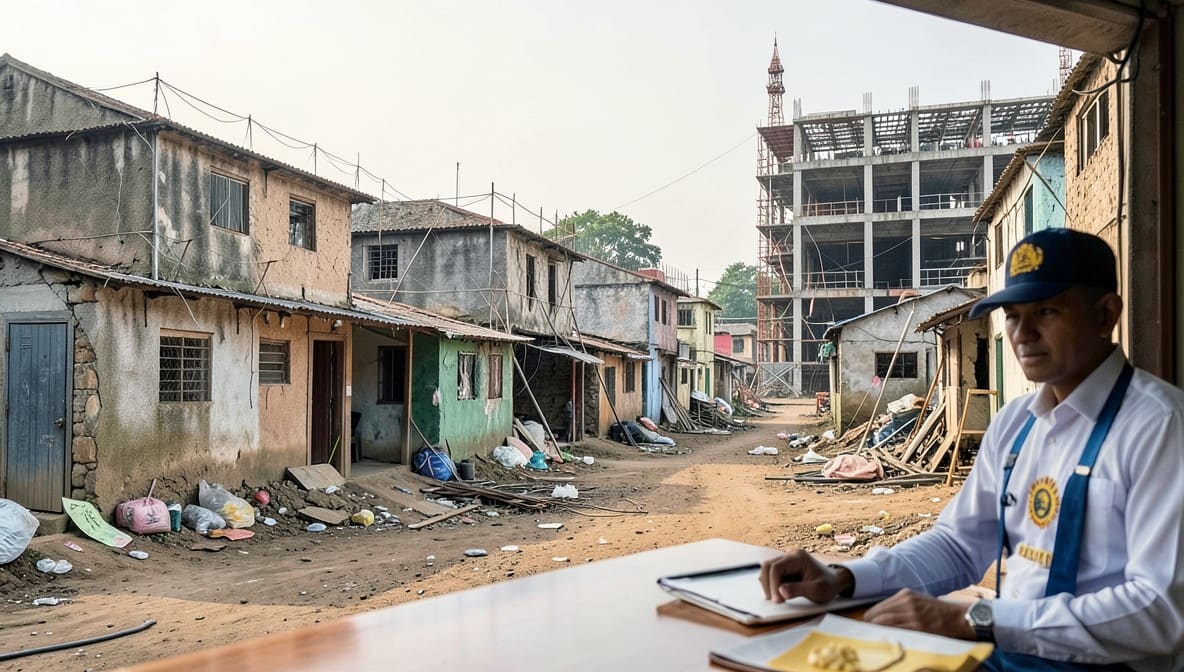
Condonation of Delay Under Slum Rehabilitation Laws | Illness or Lack of Knowledge Justifies Relief : Bombay HC

Bombay High Court holds that delays in filing appeals due to illness or lack of knowledge of impugned orders must be condoned under slum rehabilitation laws, ensuring petitioners are not denied statutory remedies. The ruling directs authorities to reconsider eligibility afresh, setting aside eviction proceedings until merits are adjudicated.

MPDA Act Section 3(1) | Bail Conditions Must Be Evaluated Before Preventive Detention: Bombay HC Quashes Order
Case Law Analysis
|Bombay High Court

MPDA Act Section 3(1) | Bail Conditions Must Be Evaluated Before Preventive Detention: Bombay HC Quashes Order

Bombay High Court rules that detaining authorities must consider bail conditions and the accused's conduct post-bail before invoking preventive detention under the MPDA Act. The judgment underscores that mere repetition of offences, without assessing bail compliance, does not justify detention, reinforcing constitutional safeguards against arbitrary state action.

NDPS Act Section 2(iii) | Definition of 'Ganja' as Greenish Leafy Substance Critical for Bail in Intermediate Quantity Cases : Bombay HC
Case Law Analysis
|Bombay High Court

NDPS Act Section 2(iii) | Definition of 'Ganja' as Greenish Leafy Substance Critical for Bail in Intermediate Quantity Cases : Bombay HC

Bombay High Court grants bail in an NDPS case, ruling that a seized greenish leafy substance did not prima facie meet the statutory definition of 'Ganja' under Section 2(iii) of the NDPS Act. The decision underscores that intermediate quantity cases hinge on precise statutory interpretation, impacting bail eligibility for similar offences.

Anticipatory Bail Granted for GST Misappropriation | Mere Financial Irregularity Not an Offence Under IPC Sections 409, 420, 464, 468, 471 : Bombay HC
Case Law Analysis
|Bombay High Court

Anticipatory Bail Granted for GST Misappropriation | Mere Financial Irregularity Not an Offence Under IPC Sections 409, 420, 464, 468, 471 : Bombay HC

Bombay High Court rules that mere financial irregularity in GST fund handling does not automatically constitute an offence under IPC Sections 409, 420, 464, 468, or 471. The court granted anticipatory bail, emphasizing that custodial interrogation was unnecessary where the accused had issued cheques to a tax consultant and was willing to provide specimen signatures.

BNSS Section 483 | Mere Signatory Status Without Active Role Insufficient for Continued Detention: Bombay HC Grants Bail
Case Law Analysis
|Bombay High Court

BNSS Section 483 | Mere Signatory Status Without Active Role Insufficient for Continued Detention: Bombay HC Grants Bail

Bombay High Court rules that passive signatory status in government tender irregularities, without proof of active involvement, does not justify prolonged detention under Bharatiya Nagarik Suraksha Sanhita. The ruling reinforces bail jurisprudence by distinguishing nominal participation from culpable conduct, impacting public officials facing similar allegations.

Wildlife Protection Act | Bombay HC Mandates SBWL Compliance with NTCA's Six Statutory Parameters for Tiger Corridor Identification
Case Law Analysis
|Bombay High Court

Wildlife Protection Act | Bombay HC Mandates SBWL Compliance with NTCA's Six Statutory Parameters for Tiger Corridor Identification

Bombay High Court ruled that the State Board for Wildlife (SBWL) cannot restrict tiger corridor identification solely to NTCA's 2014 report and DSS, ignoring six statutory parameters under the Wildlife Protection Act. The judgment reinforces statutory compliance in wildlife conservation, impacting tiger habitat protection and administrative law.

Vidhya Sambal Scheme | Guest Faculty Entitled to Continuity Until Regular RPSC Appointment: Rajasthan HC Upholds Legitimate Expectation
Case Law Analysis
|Rajasthan High Court

Vidhya Sambal Scheme | Guest Faculty Entitled to Continuity Until Regular RPSC Appointment: Rajasthan HC Upholds Legitimate Expectation

The Rajasthan High Court ruled that guest faculty under the Vidhya Sambal Scheme cannot be displaced until regular appointments via RPSC are made, reinforcing their legitimate expectation to continue service. The honorarium is fixed at Rs. 800/hour, ensuring contractual employment rights are protected pending regularization.

Statutory Appeal Must Be Heard Within Reasonable Time to Avoid Rendered Infructuous Remedy | Licence Suspension Under Bombay Police Act : Bombay HC
Case Law Analysis
|Bombay High Court

Statutory Appeal Must Be Heard Within Reasonable Time to Avoid Rendered Infructuous Remedy | Licence Suspension Under Bombay Police Act : Bombay HC

The Bombay High Court has ruled that when a statutory appeal against a short-term licence suspension is delayed, the remedy becomes meaningless - mandating that appellate authorities hear such appeals expeditiously or at least decide stay applications within four weeks. This sets a critical precedent for administrative litigants facing time-sensitive licensing penalties, ensuring statutory rights are not nullified by bureaucratic inertia.

Section 15 Maharashtra Nurses Act | Statutory Body Autonomy Overrides Government Control: Bombay HC Bench at Aurangabad
Case Law Analysis
|Bombay High Court

Section 15 Maharashtra Nurses Act | Statutory Body Autonomy Overrides Government Control: Bombay HC Bench at Aurangabad

Bombay High Court restrains the Maharashtra Government from interfering with the Nursing Council's statutory functions, including appointing a Registrar and incurring day-to-day expenses. The court held that government sanction is not required for temporary appointments under Section 15(3) of the Act, reinforcing the autonomy of statutory bodies in discharging their duties.

Motor Vehicles Act | Bombay HC Sets Rs. 30,000 Notional Income Benchmark & Rs. 48,000 Consortium Per Dependent in Fatal Accident Claims
Case Law Analysis
|Bombay High Court

Motor Vehicles Act | Bombay HC Sets Rs. 30,000 Notional Income Benchmark & Rs. 48,000 Consortium Per Dependent in Fatal Accident Claims

Bombay High Court revises compensation norms in fatal motor accident cases, establishing Rs. 30,000 as notional annual income for deceased graduates assisting in family businesses and awarding Rs. 48,000 consortium per dependent. The ruling reduces personal expense deduction to 1/2 for bachelors with unmarried siblings, impacting future claims under the Motor Vehicles Act.

Section 438 CrPC | Counterblast FIR & Lack of Prima Facie Evidence Justify Anticipatory Bail : Bombay HC
Case Law Analysis
|Bombay High Court

Section 438 CrPC | Counterblast FIR & Lack of Prima Facie Evidence Justify Anticipatory Bail : Bombay HC

Bombay High Court grants anticipatory bail, holding that an FIR lodged as a counterblast to prior litigation and absence of prima facie evidence of misappropriation undermine the prosecution's case. The ruling reinforces that bail cannot be denied merely on allegations without material proof, especially when the account in question was closed before the accused's resignation.

Rule 1(3-A) Allahabad HC Rules | Mandatory Credentials Affidavit Non-Compliance Bars PIL Maintainability : Allahabad HC
Case Law Analysis
|Allahabad High Court

Rule 1(3-A) Allahabad HC Rules | Mandatory Credentials Affidavit Non-Compliance Bars PIL Maintainability : Allahabad HC

Allahabad High Court dismisses a Public Interest Litigation for failing to comply with Rule 1(3-A) of the Allahabad HC Rules, which mandates a sworn affidavit disclosing the petitioner's credentials, public cause, and absence of personal interest. The ruling reinforces procedural compliance as a prerequisite for PIL maintainability, impacting all future PIL filings in the Lucknow Bench.

Section 438 CrPC | False Implication in Rape Case Due to Prior Disputes & Lack of Medical Evidence Justifies Anticipatory Bail : Bombay HC
Case Law Analysis
|Bombay High Court

Section 438 CrPC | False Implication in Rape Case Due to Prior Disputes & Lack of Medical Evidence Justifies Anticipatory Bail : Bombay HC

Bombay High Court grants anticipatory bail in a rape case, holding that prior serious disputes between parties and absence of corroborative medical evidence raise strong doubts about false implication. The ruling underscores the need for prima facie evidence beyond mere allegations in sexual offence cases under Bhartiya Nyaya Sanhita.

Medical Negligence | Non-Consideration of Affidavits & OT Register Vitiates Order: NCDRC Remands for Fresh Adjudication
|Delhi High Court

Medical Negligence | Non-Consideration of Affidavits & OT Register Vitiates Order: NCDRC Remands for Fresh Adjudication

The NCDRC has set aside a State Commission order for failing to examine critical evidence - including affidavits and the operation theatre register - in a medical negligence complaint. This reinforces that procedural fairness in consumer forums demands full appreciation of all material evidence, even when parties dispute involvement. Healthcare providers and insurers must now ensure all documentary defenses are formally recorded and evaluated.

NDPS Act | Delayed Trial Justifies Bail Despite Gravity of Offence: Rajasthan HC Reinforces Right to Speedy Trial
Case Law Analysis
|Rajasthan High Court

NDPS Act | Delayed Trial Justifies Bail Despite Gravity of Offence: Rajasthan HC Reinforces Right to Speedy Trial

Rajasthan High Court grants bail to an accused under Section 439 CrPC after 3+ years of incarceration, holding that prolonged trial delays-with only 4 of 35 witnesses examined-override the gravity of NDPS offences. The ruling underscores that undue delay attributable to the prosecution violates the right to speedy trial, entitling the accused to bail even in serious drug cases.

Seniority Based on Common Merit List Mandatory Under Rajasthan Education Service Rules 1971 : Rajasthan HC
Case Law Analysis
|Rajasthan High Court

Seniority Based on Common Merit List Mandatory Under Rajasthan Education Service Rules 1971 : Rajasthan HC

Rajasthan High Court reaffirms that seniority in government service must be determined strictly by inter-se merit in common selection lists, as per Rule 27 of the Rajasthan Education Subordinate Service Rules 1971. The ruling mandates compliance with established precedents, ensuring fairness in service appointments and promotions for similarly situated candidates.

Arbitrary State Appointment Process Violates Natural Justice | Rajasthan HC Quashes Discriminatory Advertisement, Mandates Appointment Orders Within 3 Weeks : Rajasthan HC
Case Law Analysis
|Rajasthan High Court

Arbitrary State Appointment Process Violates Natural Justice | Rajasthan HC Quashes Discriminatory Advertisement, Mandates Appointment Orders Within 3 Weeks : Rajasthan HC

Rajasthan High Court reinforces that state governments must adhere to prescribed legal procedures in recruitment, striking down an arbitrary appointment advertisement. The court directed issuance of appointment orders within three weeks for petitioners in Baran, Sirohi, Dholpur, and Pratapgarh districts, setting a precedent for compliance with natural justice in public employment.