The Bombay High Court has underscored a critical principle in bail jurisprudence under the Bharatiya Nagarik Suraksha Sanhita, 2023 (BNSS): mere signatory status to a document, without active involvement in alleged irregularities, does not justify continued detention after the filing of a charge sheet. This judgment provides clarity on the threshold for custodial detention in cases involving procedural lapses in government tenders, emphasizing that bail should not be denied solely on the basis of formal roles in administrative processes.
Background & Facts
The Dispute
The applicant, Nikhil Somnath Saindane, a Chief Administrative Officer at General Hospital, Nashik, was implicated in Crime No. 310 of 2025 registered at Sarkarwada Police Station, Nashik. The case arose from alleged irregularities in the tender process for the construction of a 30-bed Modular Intensive Care Unit (ICU) at District Hospital Nashik and a 10-bed Modular ICU at Government Hospital, Malegaon, funded under the National Health Mission’s ECRP-II scheme. The prosecution alleged violations of multiple provisions of the Bharatiya Nyaya Sanhita (BNS), including Sections 318(4), 316(2)(5), 336(2), 338, 336(3), 340(2), and 61(2).
Key Facts
- Tender Process: The tender for the Modular ICUs was initiated under bid No. GEM/2022/B/1957157, with funds allocated under the National Health Mission’s ECRP-II scheme.
- Applicant’s Role: The applicant was one of four signatories to the "Technical Evaluation Chart" for the tender. The other signatories included the Chief Pharmacy Officer, Additional Chief Surgeon, and Civil Surgeon of Nashik.
- Allegations: The prosecution alleged that the tender was awarded to Crenovative Power Tech Pvt. Ltd. (represented by directors Ashwini Chothve and Dilip Chothve) due to irregularities in the evaluation process. The applicant’s role was limited to being a signatory to the evaluation chart; he was not involved in the decision to award the tender.
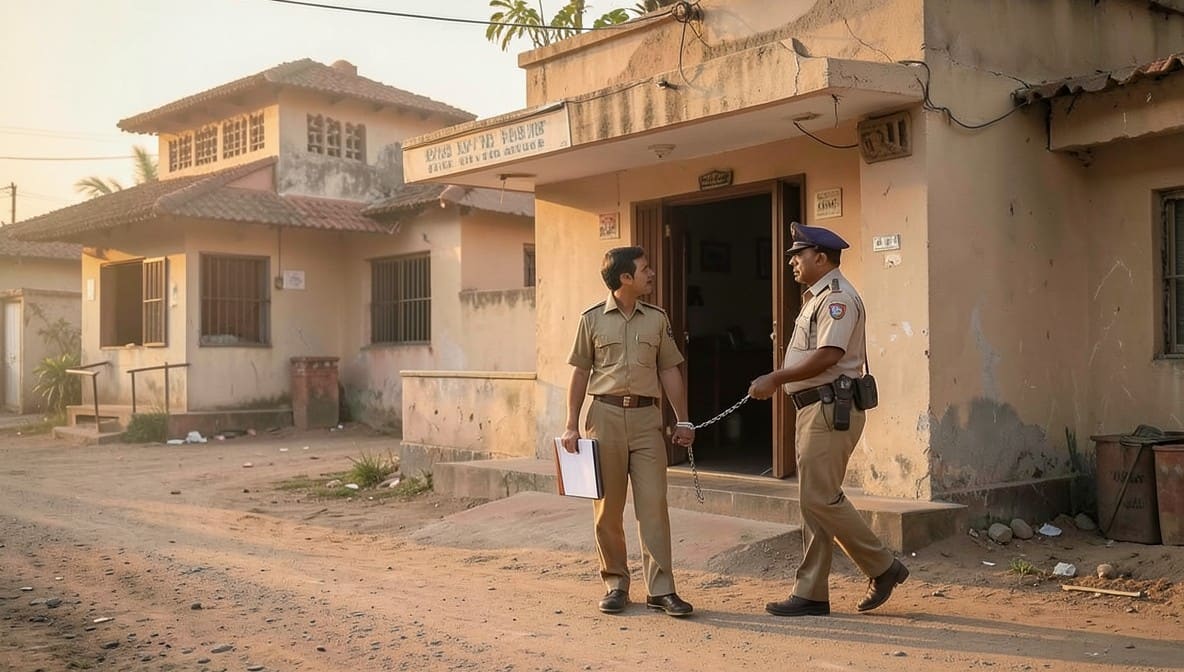
- Arrest and Detention: The applicant was arrested on 12.01.2026 and had been in custody for nearly six months at the time of this bail application.
- Procedural History:
- 24.01.2026: Bail Application No. 554 of 2026 rejected by the Metropolitan Magistrate.
- 22.04.2026: Bail application rejected by the Additional Sessions Judge, Nashik.
- 13.07.2026: Present bail application filed before the Bombay High Court.
Procedural History
- 12.01.2026: Applicant arrested in connection with Crime No. 310 of 2025.
- 24.01.2026: Bail Application No. 554 of 2026 rejected by the Metropolitan Magistrate.
- 22.04.2026: Bail application rejected by the Additional Sessions Judge, Nashik.
- 13.07.2026: Present bail application (Criminal Bail Application No. 2039 of 2026) disposed of by the Bombay High Court.
The Parties' Positions
For the Applicant
- The applicant’s counsel argued that the applicant was merely a signatory to the "Technical Evaluation Chart" and had no role in the decision to award the tender to Crenovative Power Tech Pvt. Ltd.
- It was contended that none of the other signatories to the evaluation chart had been arrested, highlighting the arbitrary nature of the applicant’s detention.
- The applicant had been in custody for nearly six months, and the investigation was complete with the charge sheet already filed.
- No recoveries were pending from the applicant, and the case relied solely on documentary evidence.
For the Respondent-State
- The prosecution argued that the applicant’s role as a signatory to the "Technical Evaluation Chart" imposed a responsibility to verify the documents submitted by the bidders.
- It was alleged that the applicant failed in this duty, thereby contributing to the irregularities in the tender process.
Relief Sought
The applicant sought bail on the grounds that:
- His continued detention was unwarranted given the completion of the investigation.
- His role was limited to being a signatory, with no active involvement in the alleged irregularities.
- No recoveries were pending from him, and the case relied solely on documentary evidence.
The Legal Issue
The central question before the court was whether continued detention of the applicant was justified under Section 483 of the BNSS, given that:
- The applicant’s role was limited to being a signatory to a technical evaluation chart.
- The investigation was complete, and the charge sheet had been filed.
- No recoveries were pending from the applicant, and the case relied solely on documentary evidence.
Arguments Presented
For the Applicant
- Signatory Role Alone Insufficient: The applicant’s counsel argued that mere signatory status to a document, without active involvement in the alleged irregularities, does not justify continued detention. Reliance was placed on the principle that bail should not be denied solely on the basis of formal roles in administrative processes.
- Arbitrary Detention: It was highlighted that none of the other signatories to the evaluation chart had been arrested, suggesting arbitrary targeting of the applicant.
- Completion of Investigation: The investigation was complete, and the charge sheet had been filed. No recoveries were pending from the applicant, and the case relied solely on documentary evidence.
- Duration of Detention: The applicant had been in custody for nearly six months, which was disproportionate to his alleged role.
For the Respondent-State
- Duty of Verification: The prosecution contended that the applicant, as a signatory to the "Technical Evaluation Chart", had a duty to verify the documents submitted by the bidders. His failure to do so constituted a lapse contributing to the irregularities.
- Gravity of Offence: The prosecution emphasized the gravity of the alleged offences under the Bharatiya Nyaya Sanhita, arguing that the applicant’s role was not merely formal but integral to the tender process.
The Court's Analysis
The court conducted a prima facie assessment of the applicant’s role and the nature of the allegations. Key observations included:
-
Limited Role of the Applicant: The court noted that the applicant’s role was confined to being one of four signatories to the "Technical Evaluation Chart". There was no allegation of active involvement in the decision to award the tender or any financial benefit accruing to the applicant.
-
Completion of Investigation: The court emphasized that the investigation was complete, and the charge sheet had been filed. No recoveries were pending from the applicant, and the case relied solely on documentary evidence. This fact weighed heavily in favor of granting bail, as continued detention was not necessary for further investigation.
-
Arbitrary Detention: The court observed that none of the other signatories to the evaluation chart had been arrested, raising concerns about the arbitrary nature of the applicant’s detention. This disparity suggested that the applicant’s detention was not justified on the merits of his role alone.
-
Principle of Bail: The court reiterated the principle that bail should not be denied solely on the basis of the gravity of the offence when the investigation is complete and no recoveries are pending. The applicant’s prolonged detention, in the absence of any aggravating factors, was deemed unwarranted.
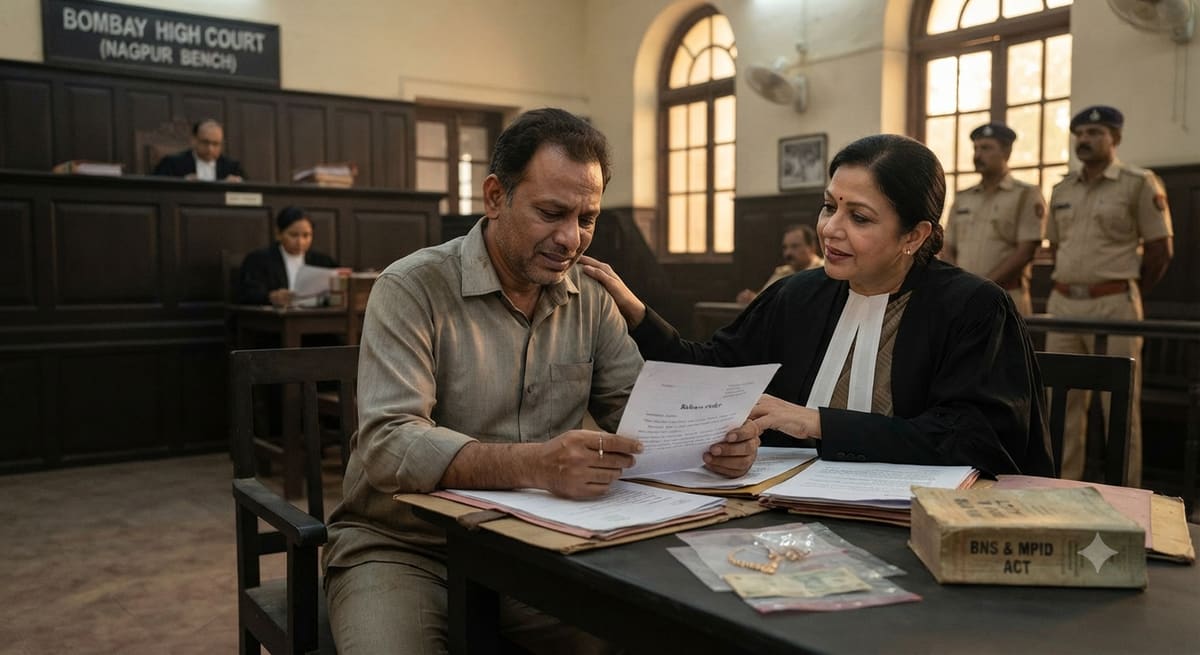
"Considering the above facts and the completion of the investigation, the continued detention of the Applicant in jail is not warranted."
The court also clarified that its observations were prima facie and limited to the consideration of bail, without expressing any findings on the merits of the case.
The Verdict
The Bombay High Court allowed the bail application, subject to the following conditions:
-
Bail Bond: The applicant was directed to be released on bail upon executing a Personal Recognizance (P.R.) Bond in the sum of Rs. 1,00,000 (Rupees One Lakh Only), with one or two local sureties in the like amount, to the satisfaction of the Additional Sessions Judge, Nashik.
-
Conditions of Bail:
- The applicant shall not directly or indirectly make any inducement, threat, or promise to any person acquainted with the facts of the case to dissuade them from disclosing such facts to the court or any police personnel.
- The applicant shall not tamper with the prosecution evidence.
- The applicant shall report to the Investigating Officer at Sarkarwada Police Station, Nashik, on the 2nd Saturday of each month from 11:00 a.m. to 1:00 p.m., until the framing of charges in Crime No. 310 of 2025.
- The applicant shall cooperate in the conduct of the trial and attend all hearings before the Trial Court, unless exempted from appearance.
-
Prima Facie Observations: The court clarified that its observations were limited to the consideration of bail and should not be treated as findings on the merits of the case.
What This Means For Similar Cases
Signatory Role Alone Does Not Justify Continued Detention
This judgment establishes a critical precedent for cases involving government officials or public servants accused of procedural lapses in administrative processes:
- Bail as the Rule: When the investigation is complete, the charge sheet is filed, and no recoveries are pending, continued detention is not justified merely on the basis of signatory status to a document.
- Active Involvement Required: For detention to be warranted, the prosecution must demonstrate active involvement in the alleged irregularities, beyond mere formal roles.
- Arbitrary Detention: Courts will scrutinize cases where only select individuals are detained while others in similar roles are not, to prevent arbitrary targeting.
Implications for Government Tender Cases
- Clarity on Liability: Government officials involved in tender processes can now argue that mere signatory status, without evidence of active involvement or financial benefit, does not justify prolonged detention.
- Procedural Safeguards: This judgment reinforces the need for procedural safeguards in cases involving allegations of irregularities in government tenders, ensuring that officials are not arbitrarily detained.
- Burden of Proof: The prosecution must establish more than formal roles to justify detention, shifting the burden to demonstrate active complicity in the alleged offences.
Broader Bail Jurisprudence Under BNSS
- Completion of Investigation: This judgment aligns with the principle that post-charge sheet detention must be justified by specific factors, such as the need for further investigation or recoveries.
- Documentary Evidence Cases: In cases relying solely on documentary evidence, prolonged detention is unwarranted unless the accused’s role is actively complicit in the alleged offences.
- Judicial Scrutiny: Courts will closely examine the specific roles of accused individuals to prevent arbitrary or disproportionate detention, particularly in cases involving multiple accused.
Practitioners should note the following actionable takeaways:
- For Defence: Argue that mere signatory status or formal roles in administrative processes do not justify continued detention, especially when the investigation is complete and no recoveries are pending.
- For Prosecution: Ensure that allegations of irregularities are supported by evidence of active involvement or financial benefit to justify detention.
- For Trial Courts: Scrutinize the specific roles of accused individuals to prevent arbitrary detention, particularly in cases involving multiple accused with varying degrees of involvement.