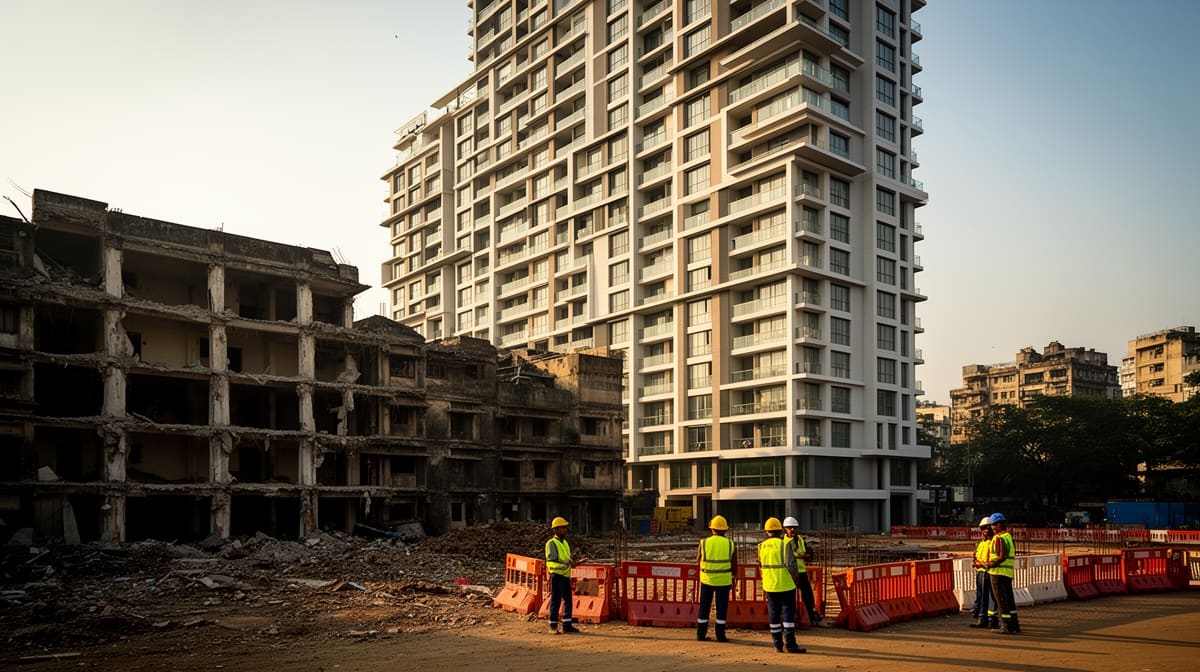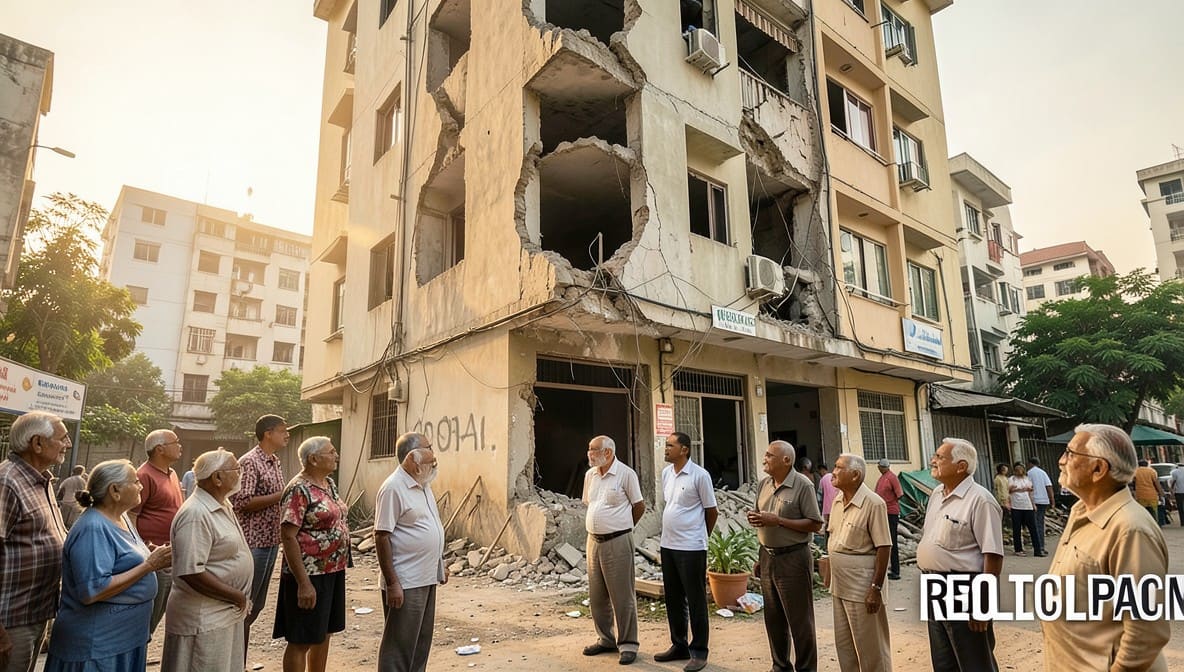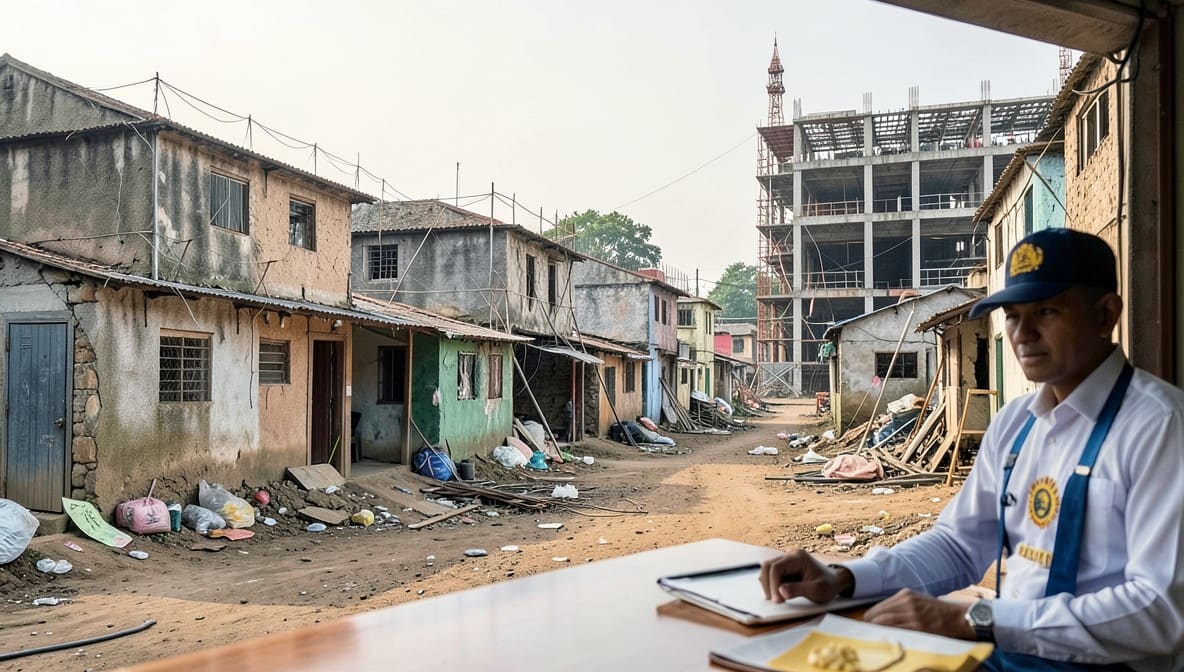
The Bombay High Court has underscored the importance of condoning delays in legal proceedings when petitioners demonstrate bona fide reasons, such as illness or lack of knowledge of impugned orders. In a significant ruling, the Court set aside eviction orders and directed fresh consideration of eligibility for rehabilitation, balancing the rights of slum dwellers and developers under the Slum Rehabilitation Authority framework.
Background & Facts
The Dispute
The four writ petitions before the Bombay High Court arose from disputes under the Slum Rehabilitation Authority (SRA) scheme. The petitioners - some slum dwellers and others subsequent purchasers - challenged orders rejecting their applications for condonation of delay in pursuing statutory remedies. The delays ranged up to approximately 300 days, with petitioners attributing them to lack of knowledge of the impugned orders and, in one case, illness during the relevant period.
Key Facts
- Writ Petition No. 13400 of 2022: The petitioner, a subsequent purchaser, claimed through the original slum developer.
- Writ Petition No. 13523 of 2022: The petitioner was a slum dweller challenging the rejection of condonation of delay.
- Writ Petition Nos. 6412 and 6413 of 2019: These petitions arose from eviction proceedings initiated by the developer, which were contingent on the petitioners' eligibility for rehabilitation.
- The petitioners contended that they were unaware of the impugned orders and, in one case, provided medical documents to substantiate illness during the relevant period.
Procedural History
- The petitioners filed applications for condonation of delay, which were rejected by the authorities under the Act.
- Writ Petition Nos. 13400 and 13523 of 2022: Challenged the rejection of condonation of delay.
- Writ Petition Nos. 6412 and 6413 of 2019: Challenged eviction orders issued by the developer.
- The matters were clubbed together due to common questions of fact and law.
Relief Sought
The petitioners sought:
- Condonation of delay in pursuing statutory remedies.
- Setting aside of eviction orders pending fresh determination of eligibility.
- Directions to the Appellate Authority to decide eligibility afresh within a stipulated timeframe.
- Provision of alternate accommodation or transit rent in the event of eligibility.
The Legal Issue
The central question before the Court was whether the authorities were justified in rejecting the petitioners' applications for condonation of delay, particularly when the delay was attributed to lack of knowledge of the impugned orders or illness. Additionally, the Court had to determine the fate of eviction proceedings contingent on the petitioners' eligibility for rehabilitation.
Arguments Presented
For the Petitioners
- The petitioners argued that the delay was not due to negligence but rather lack of knowledge of the impugned orders.
- In one petition, medical documents were submitted to demonstrate that the petitioner was ill during the relevant period, justifying the delay.
- The petitioners contended that the authorities' refusal to condone the delay deprived them of an opportunity to pursue their statutory remedies.
For the Respondents
- The respondents, including the State and the developer, likely argued that the delay was inordinate and not sufficiently explained.
- They may have contended that the petitioners failed to demonstrate bona fide reasons for the delay, warranting rejection of the condonation applications.
The Court's Analysis
The Court emphasized the principles governing condonation of delay, particularly under circumstances where petitioners lack knowledge of impugned orders or face genuine hardships such as illness. The Court observed:
"Having considered the explanation tendered, I am of the view that the authorities under the Act were not justified in refusing to condone the delay. The explanation cannot be said to be either lacking in bona fides or so insufficient as to deny the Petitioners an opportunity of pursuing the statutory remedy."
The Court further noted that the eviction proceedings were contingent on the petitioners' eligibility for rehabilitation. Since the issue of eligibility was remitted for fresh consideration, the foundation for the eviction proceedings could not survive. Accordingly, the Court set aside the eviction orders while reserving liberty for the developer to initiate fresh proceedings if the petitioners were found ineligible.
The Verdict
The Bombay High Court allowed the writ petitions, setting aside the impugned orders rejecting condonation of delay and the eviction orders. Key directions included:
- The Appellate Authority was directed to decide the petitioners' eligibility afresh within eight weeks from the date of production of an authenticated copy of the judgment.
- The eviction proceedings were set aside, subject to the developer's liberty to revive or initiate fresh proceedings if the petitioners were held ineligible.
- If the petitioners were found eligible, the developer was directed to provide alternate accommodation within four weeks from the date of eligibility determination.
- In the event transit accommodation was not provided, the developer was ordered to pay transit rent of Rs. 20,000 per month to each petitioner until final adjudication of eligibility.
- The petitioners were directed to hand over vacant and peaceful possession of their existing premises to the developer within four weeks from the date of the judgment.
What This Means For Similar Cases
Condonation of Delay Requires Bona Fide Explanation
- Courts are inclined to condone delays when petitioners demonstrate genuine reasons, such as lack of knowledge of impugned orders or illness.
- Practitioners should ensure that applications for condonation of delay are supported by documentary evidence (e.g., medical records) to substantiate claims of hardship.
Eviction Proceedings Are Contingent on Eligibility
- Eviction orders under slum rehabilitation schemes cannot stand if the petitioners' eligibility for rehabilitation is under reconsideration.
- Developers must await the final determination of eligibility before initiating or reviving eviction proceedings.
Transit Accommodation and Compensation
- Courts may direct developers to provide transit accommodation or monetary compensation (e.g., Rs. 20,000 per month) if alternate accommodation is not made available.
- Petitioners should seek interim relief, such as transit rent, to mitigate hardships during pendency of proceedings.