Competition Commission of India judgments

16 Competition Commission of India judgments explained in plain English: what was decided, the law applied and why it matters.

Section 3 Competition Act - Trustees’ Association & Debenture Trustees Found Guilty of Price-Fixing Trusteeship Fees : CCI
Competition Law
|Competition Commission of India

Section 3 Competition Act - Trustees’ Association & Debenture Trustees Found Guilty of Price-Fixing Trusteeship Fees : CCI

The CCI found the Trustees’ Association of India and four debenture-trustee firms colluded to fix trusteeship fees for NCDs, breaching Section 3 of the Competition Act. It ordered a cease-and-desist and penalties, warning that fee-setting in the debt-securities market is subject to competition law. NCD issuers and investors are directly affected.


No Prima Facie Abuse of Dominance in FIPS-140-3 Token Migration | Section 26(2) CCI Order : CCI
|Competition Commission of India

No Prima Facie Abuse of Dominance in FIPS-140-3 Token Migration | Section 26(2) CCI Order : CCI

CCI found no prima facie violation of the Competition Act in the complaint that the mandatory shift to FIPS-140-3 favoured a single token vendor, dismissing the alleged abuse of dominance claim. The ruling clears the way for MeitY's migration mandate, affecting the Controller of Certifying Authorities, Precision Biometric and other token manufacturers.

No Prima Facie Violation of Competition Act in Nickel Supply Arrangements | CCI Closes Case No. 30 of 2025 : CCI
Competition Law
|Competition Commission of India

No Prima Facie Violation of Competition Act in Nickel Supply Arrangements | CCI Closes Case No. 30 of 2025 : CCI

The Competition Commission of India closed Case No. 30 of 2025 after finding no prima facie violation of Sections 3(4) or 4 of the Competition Act in Jindal Stainless' nickel supply arrangements. The ruling clarifies standards for exclusive dealing and market foreclosure under the Act, impacting cross-border supply chain disputes.

Section 3(3) Competition Act | OEM-Reseller Collusion in GeM Tenders Constitutes Horizontal Agreement: CCI Penalizes HP India & Resellers
Competition Law
|Competition Commission of India

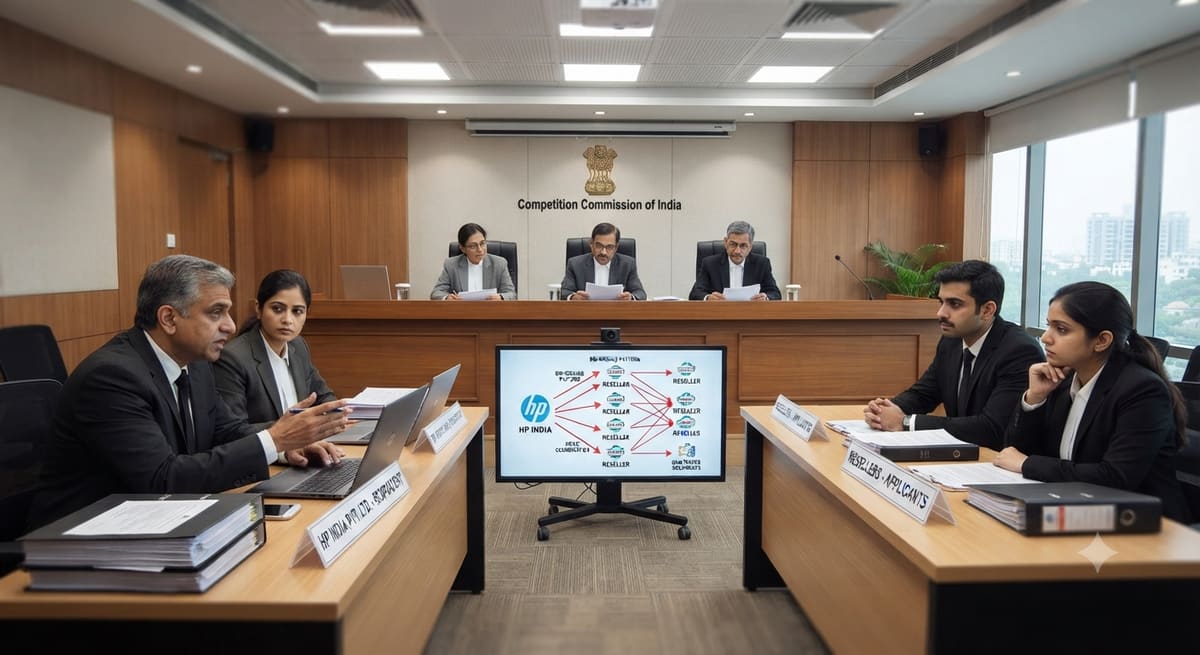
Section 3(3) Competition Act | OEM-Reseller Collusion in GeM Tenders Constitutes Horizontal Agreement: CCI Penalizes HP India & Resellers

CCI holds that collusion between HP India and its resellers in Government e-Marketplace (GeM) tenders amounts to a horizontal agreement under Section 3(3) of the Competition Act, imposing penalties for cartelization. The ruling clarifies that OEM-reseller arrangements can violate competition law if they eliminate price competition, impacting public procurement integrity.

Section 3(4) & 4 Competition Act | Vertical Agreements Without Market Dominance Not Anti-Competitive : CCI Dismisses Dealership Termination Case
Competition Law
|Competition Commission of India

Section 3(4) & 4 Competition Act | Vertical Agreements Without Market Dominance Not Anti-Competitive : CCI Dismisses Dealership Termination Case

CCI clarifies that vertical agreements under Section 3(4) of the Competition Act require proof of dominance to establish anti-competitive practices. Dealers cannot challenge unilateral termination unless market power is demonstrated, reinforcing the threshold for abuse of dominance claims under Section 4. The ruling impacts automotive dealerships and vertical business relationships across sectors.

Section 4 Competition Act | Excessive Pricing Alone Does Not Constitute Abuse of Dominance: CCI Dismisses Case Against St. Stephen's Hospital
Competition Law
|Competition Commission of India

Section 4 Competition Act | Excessive Pricing Alone Does Not Constitute Abuse of Dominance: CCI Dismisses Case Against St. Stephen's Hospital

CCI holds that higher pricing of medical services and products, without evidence of anti-competitive conduct or market power abuse, does not violate Section 4 of the Competition Act. The ruling clarifies that excessive pricing complaints require proof of dominance and exploitative practices, not just price disparity.

Section 4 Competition Act | Restricting CBS Upgrades to OEM-Authorized Partners Not Abuse of Dominance : CCI
Competition Law
|Competition Commission of India

Section 4 Competition Act | Restricting CBS Upgrades to OEM-Authorized Partners Not Abuse of Dominance : CCI

CCI clarifies that limiting Core Banking Solution upgrades to Infosys-authorized partners does not violate Sections 3 or 4 of the Competition Act, reinforcing that procurement restrictions tied to technical compatibility do not constitute anti-competitive conduct. The ruling sets a precedent for digital infrastructure procurement disputes involving statutory monopolies and OEM dependencies.

Section 4 Competition Act | No Prima Facie Abuse of Dominance Where Tender Design Allows Multiple Bidders & Market Definition Excludes Non-Solar Sources : CCI
Competition Law
|Competition Commission of India

Section 4 Competition Act | No Prima Facie Abuse of Dominance Where Tender Design Allows Multiple Bidders & Market Definition Excludes Non-Solar Sources : CCI

The Competition Commission of India found that the solar power bidding process did not constitute abuse of dominance because the tender design permitted open participation, the relevant market was properly defined to exclude non-solar energy sources, and no anti-competitive conduct was demonstrated by Adani or SECI. This sets a critical precedent for renewable energy procurement, affirming that market structure and transparent bidding protocols can preclude dominance concerns even with major players.

Section 4 Competition Act | Price Fluctuations Due to Exchange Rates & Order Volume Not Abuse of Dominance : CCI
Competition Law
|Competition Commission of India

Section 4 Competition Act | Price Fluctuations Due to Exchange Rates & Order Volume Not Abuse of Dominance : CCI

CCI dismisses allegations of abuse of dominance under Section 4 of the Competition Act, ruling that price variations driven by currency exchange rates and order volume do not constitute anti-competitive conduct. The decision clarifies that market-driven pricing adjustments, even by a sole supplier, are permissible unless proven predatory or exclusionary.

Section 3(3)(d) Competition Act | CCI Presumes Collusion from Identical Bids, Shared IP & Sequential DDs : CCI
Competition Law
|Competition Commission of India

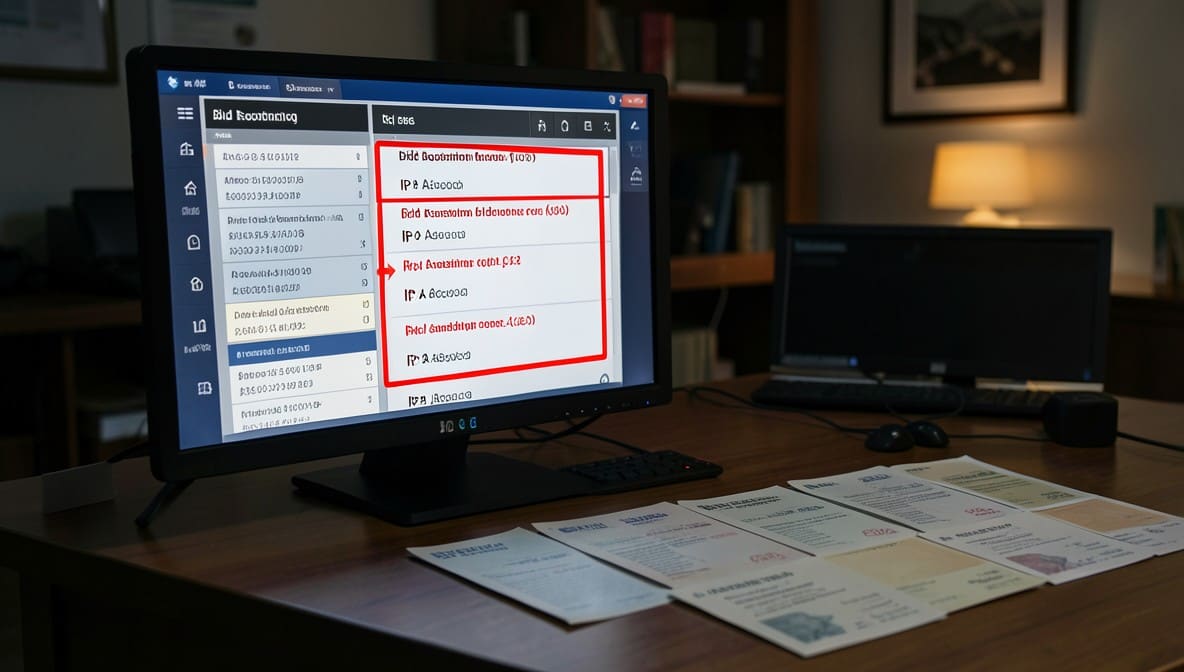
Section 3(3)(d) Competition Act | CCI Presumes Collusion from Identical Bids, Shared IP & Sequential DDs : CCI

The Competition Commission of India (CCI) held 17 electrical contractors guilty of bid rigging in Assam Police tenders, relying on coordinated bidding patterns, shared IP addresses, and sequentially numbered demand drafts as conclusive evidence of collusion. The ruling reinforces that such circumstantial evidence can establish a Section 3(3)(d) violation without direct proof of agreement, imposing cease-and-desist orders on all parties.

Section 3(4) Competition Act | CCI Directs DG Probe into VH Group's Exclusive Supply Agreements as Prima Facie Anti-Competitive Vertical Restraints : CCI
Competition Law
|Competition Commission of India

Section 3(4) Competition Act | CCI Directs DG Probe into VH Group's Exclusive Supply Agreements as Prima Facie Anti-Competitive Vertical Restraints : CCI

CCI finds VH Group's exclusive supply agreements for broiler and layer parent stock prima facie violative of Section 3(4) of the Competition Act, 2002, ordering a DG investigation. The ruling signals heightened scrutiny of vertical restraints in poultry breeding, impacting integrated agribusiness players with similar distribution models.

Competition Act | CCI Holds Bike-Taxi Operations Without Permits Fall Under Motor Vehicles Act, Not Abuse of Dominance : CCI
Competition Law
|Competition Commission of India

Competition Act | CCI Holds Bike-Taxi Operations Without Permits Fall Under Motor Vehicles Act, Not Abuse of Dominance : CCI

The Competition Commission of India (CCI) dismissed allegations of abuse of dominance against Rapido, ruling that unlicensed bike-taxi operations are governed by the Motor Vehicles Act, not the Competition Act. The decision clarifies that regulatory non-compliance does not automatically establish anti-competitive conduct, impacting app-based transport platforms and regulatory enforcement.

Section 4 Competition Act | Dominance Alone Insufficient for Abuse; Market Foreclosure Must Be Proven: CCI
Competition Law
|Competition Commission of India

Section 4 Competition Act | Dominance Alone Insufficient for Abuse; Market Foreclosure Must Be Proven: CCI

The Competition Commission of India ruled that mere dominance in the online ticketing market does not constitute abuse under Section 4 of the Competition Act unless there is evidence of market foreclosure or discriminatory conduct. The decision underscores that competitors must demonstrate anti-competitive effects, not just market share, to establish abuse of dominance.