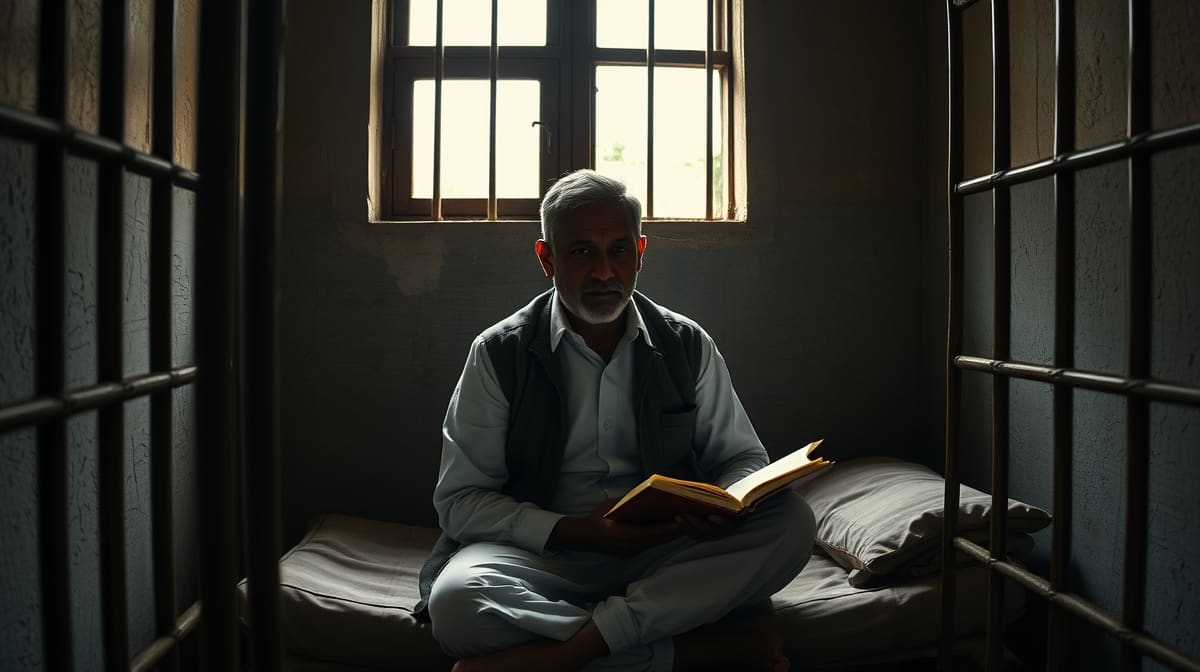
Chhattisgarh High Court judgments

498 Chhattisgarh High Court judgments explained in plain English: what was decided, the law applied and why it matters. Page 8 of 21.

Section 13B Hindu Marriage Act | Statutory Cooling-Off Period Waived for Couples Separated Over One Year with Full Settlement : Chhattisgarh HC
Case Law Analysis
|Chhattisgarh High Court

Section 13B Hindu Marriage Act | Statutory Cooling-Off Period Waived for Couples Separated Over One Year with Full Settlement : Chhattisgarh HC

Chhattisgarh High Court waives the mandatory six-month cooling-off period under Section 13B(2) of the Hindu Marriage Act where spouses have lived separately for over a year, resolved all disputes, and jointly filed for divorce with full financial settlement. The ruling reinforces the Supreme Court’s Amardeep Singh precedent, offering expedited divorce for mutually consenting couples with no pending disputes.

BNS Section 296 | Prosecution for Obstruction of Police Requires Proof of Lawful Duty; Absence of Written Authorization Vitiates FIR : Chhattisgarh HC
Case Law Analysis
|Chhattisgarh High Court

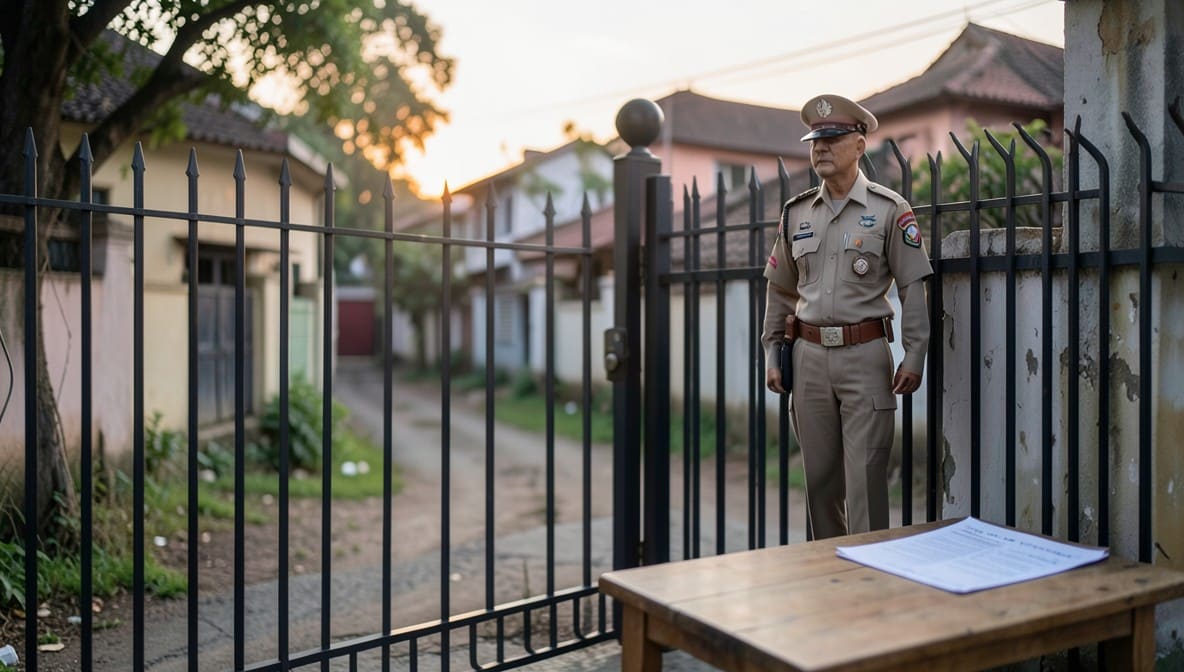
BNS Section 296 | Prosecution for Obstruction of Police Requires Proof of Lawful Duty; Absence of Written Authorization Vitiates FIR : Chhattisgarh HC

The Chhattisgarh High Court has ruled that police officers must demonstrate lawful duty under BNS 2023 to prosecute obstruction, and mere verbal instructions without formal authorization render the FIR unsustainable. This sets a critical precedent for accountability in law enforcement actions, protecting citizens from arbitrary use of criminal process under the new penal code.

Benefit of Doubt Applied When Prosecution Witnesses Turn Hostile and FSL Report on Weapon Is Absent | Chhattisgarh HC
Case Law Analysis
|Chhattisgarh High Court

Benefit of Doubt Applied When Prosecution Witnesses Turn Hostile and FSL Report on Weapon Is Absent | Chhattisgarh HC

The Chhattisgarh High Court acquitted the appellant in a Section 304 IPC case after finding all prosecution witnesses hostile, no forensic link to the weapon, and no evidence establishing exclusive involvement. This reinforces that the benefit of doubt must be granted when the prosecution fails to meet its burden of proof through credible, corroborated evidence - a critical safeguard for accused persons in cases reliant on eyewitness testimony and forensic gaps.

Section 3(1)(xi) SC/ST Act | Conviction Requires Proven Caste-Based Intent and Valid Caste Certificate: Chhattisgarh HC
Case Law Analysis
|Chhattisgarh High Court

Section 3(1)(xi) SC/ST Act | Conviction Requires Proven Caste-Based Intent and Valid Caste Certificate: Chhattisgarh HC

The Chhattisgarh High Court acquits an accused under the SC/ST Act after finding no evidence the offense was motivated by caste animus, and no competent caste certificate was produced to establish the victim’s Scheduled Tribe status. This ruling reinforces that procedural and evidentiary rigor is non-negotiable in atrocities cases - protecting both victims from false accusations and accused from presumption-based convictions.

NDPS Act Section 20(b)(ii)(B) | Sentence Reduced to Time Served for First-Time Offender with Family Responsibilities and Near-Complete Custody: Chhattisgarh HC
Case Law Analysis
|Chhattisgarh High Court

NDPS Act Section 20(b)(ii)(B) | Sentence Reduced to Time Served for First-Time Offender with Family Responsibilities and Near-Complete Custody: Chhattisgarh HC

The Chhattisgarh High Court has ruled that mandatory minimum sentencing under the NDPS Act can be departed from when an accused is a first-time offender with significant family obligations and has already served nearly the full term. This sets a precedent for proportionality-based sentencing in non-commercial drug possession cases, offering relief to undertrials whose personal circumstances align with judicial mercy.

Order 39 CPC | Settled Possession + Stamp Duty Discrepancy Establishes Prima Facie Fraud to Grant Injunction: Chhattisgarh HC
Case Law Analysis
|Chhattisgarh High Court

Order 39 CPC | Settled Possession + Stamp Duty Discrepancy Establishes Prima Facie Fraud to Grant Injunction: Chhattisgarh HC

The Chhattisgarh High Court held that mere registration of a sale deed cannot override evidence of settled possession and material stamp duty underreporting, which together reveal fraudulent misrepresentation of property extent. This ruling empowers plaintiffs in property disputes to secure interim relief without waiting for full trial, reinforcing that procedural formality cannot mask substantive fraud.

Section 14 SARFAESI Act | District Magistrate Must Decide Applications Within 60 Days or Face Writ Jurisdiction : CGHC
Case Law Analysis
|Chhattisgarh High Court

Section 14 SARFAESI Act | District Magistrate Must Decide Applications Within 60 Days or Face Writ Jurisdiction : CGHC

Chhattisgarh High Court mandates that District Magistrates must dispose of SARFAESI Act Section 14 applications within 60 days, failing which secured creditors can invoke writ jurisdiction. The ruling underscores that statutory timelines are mandatory and prolonged inaction without recorded reasons violates creditors' rights under the Act.

Section 376(2)(n) IPC | False Promise of Marriage Must Be Proven Beyond Reasonable Doubt to Establish Lack of Consent: Chhattisgarh HC
Case Law Analysis
|Chhattisgarh High Court

Section 376(2)(n) IPC | False Promise of Marriage Must Be Proven Beyond Reasonable Doubt to Establish Lack of Consent: Chhattisgarh HC

Chhattisgarh High Court sets a high bar for prosecuting sexual offences under false promise of marriage, requiring proof beyond reasonable doubt that consent was vitiated. The ruling underscores that a consensual relationship spanning five years, corroborative evidence, and prior travels weaken the prosecution's claim of deceit.

Article 300A | Landowners Entitled to Compensation for Submerged Land Even Without Formal Acquisition Proceedings : CGHC
Case Law Analysis
|Chhattisgarh High Court

Article 300A | Landowners Entitled to Compensation for Submerged Land Even Without Formal Acquisition Proceedings : CGHC

Chhattisgarh High Court rules that landowners retain constitutional rights under Article 300A to compensation for submerged land due to dam construction, even in the absence of formal acquisition proceedings. The judgment mandates authorities to demarcate affected land and initiate compensation, reinforcing state liability for environmental displacement.

Supurdnama for Seized Vehicles | Weather-Induced Depreciation Justifies Release When No Investigative Need Exists : Chhattisgarh HC
Case Law Analysis
|Chhattisgarh High Court

Supurdnama for Seized Vehicles | Weather-Induced Depreciation Justifies Release When No Investigative Need Exists : Chhattisgarh HC

The Chhattisgarh High Court ruled that prolonged police custody of a seized tractor-trolley, without any ongoing investigative necessity, violates property rights under Article 21 and invites avoidable damage from weather exposure. This sets a precedent for owners of seized vehicles in mining-related cases to seek release on Supurdnama when the asset's value is at risk and its retention serves no evidentiary purpose.

BNS Section 108 | Mere Call Logs Without Instigation Evidence Insufficient for Arrest: Chhattisgarh HC Grants Anticipatory Bail
Case Law Analysis
|Chhattisgarh High Court

BNS Section 108 | Mere Call Logs Without Instigation Evidence Insufficient for Arrest: Chhattisgarh HC Grants Anticipatory Bail

Chhattisgarh High Court rules that call records alone, without proof of direct instigation or coercion, cannot justify arrest under BNS Section 108 for abetment of suicide. The judgment underscores the need for substantive evidence linking the accused's actions to the victim's suicide, setting a precedent for bail jurisprudence in similar cases.

Section 6 Hindu Succession Act | Daughters' Coparcenary Rights Cannot Be Defeated by Unrecorded Partition: Chhattisgarh HC
Case Law Analysis
|Chhattisgarh High Court

Section 6 Hindu Succession Act | Daughters' Coparcenary Rights Cannot Be Defeated by Unrecorded Partition: Chhattisgarh HC

Chhattisgarh High Court reaffirms that daughters' coparcenary rights under the 2005 amendment to Section 6 of the Hindu Succession Act are absolute and cannot be extinguished by informal partitions or revenue mutations without explicit, documented relinquishment. The ruling reinforces equal inheritance rights for daughters, invalidating undocumented family settlements that seek to bypass statutory protections.

Section 20(b)(ii)(B) NDPS Act | First-Time Offender with No Minimum Sentence Entitled to Reformative Justice: Chhattisgarh HC
Case Law Analysis
|Chhattisgarh High Court

Section 20(b)(ii)(B) NDPS Act | First-Time Offender with No Minimum Sentence Entitled to Reformative Justice: Chhattisgarh HC

Chhattisgarh High Court reduces sentence to time served for a first-time offender caught with 1.5 kg ganja under Section 20(b)(ii)(B) of the NDPS Act, emphasizing reformative justice over retribution where no statutory minimum penalty applies. The ruling sets a precedent for leniency in cases involving minor drug offenses without prior criminal records.

Victim's Objections & Public Order Prevail Over Statutory Parole Entitlement Under Chhattisgarh Prisoners Leave Rules : CGHC
Case Law Analysis
|Chhattisgarh High Court

Victim's Objections & Public Order Prevail Over Statutory Parole Entitlement Under Chhattisgarh Prisoners Leave Rules : CGHC

Chhattisgarh High Court upholds parole denial for a convict under Section 376(D) IPC, ruling that documented victim fears and public order concerns override statutory parole entitlements, even after substantial sentence completion. The judgment reinforces discretionary authority of jail authorities in heinous offence cases.

Section 24 CPC | Wife's Convenience Prevails Over Husband's Hardship in Matrimonial Transfer Petitions : CGHC
Case Law Analysis
|Chhattisgarh High Court

Section 24 CPC | Wife's Convenience Prevails Over Husband's Hardship in Matrimonial Transfer Petitions : CGHC

Chhattisgarh High Court reaffirms that in matrimonial transfer petitions under Section 24 CPC, the wife's convenience takes precedence, especially when parallel proceedings exist in her jurisdiction. The Court permitted virtual participation to ensure access to justice, balancing the husband's hardship against the wife's right to fair proceedings.

Section 432 CrPC | Long Incarceration & Reformation Override Speculative Risk of Reoffending : Chhattisgarh HC
Case Law Analysis
|Chhattisgarh High Court

Section 432 CrPC | Long Incarceration & Reformation Override Speculative Risk of Reoffending : Chhattisgarh HC

Chhattisgarh High Court sets aside remission denial for a life convict after 20 years, ruling that speculative fears of reoffending cannot trump statutory reformative principles under Section 432 CrPC and Chhattisgarh Jail Rules. The judgment reinforces that prolonged incarceration and demonstrated reformation must guide remission decisions, not hypothetical risks.

Section 323 IPC | First-Time Offenders Entitled to Rehabilitation Over Incarceration; Fine & Compensation Enhanced : Chhattisgarh HC
Case Law Analysis
|Chhattisgarh High Court

Section 323 IPC | First-Time Offenders Entitled to Rehabilitation Over Incarceration; Fine & Compensation Enhanced : Chhattisgarh HC

Chhattisgarh High Court sets aside jail terms for four first-time offenders under Section 323 IPC, enhancing fines to Rs. 3,000 each and directing Rs. 4,000 compensation per victim. The ruling reaffirms rehabilitation as the binding sentencing doctrine for minor offences, prioritising victim restitution over punitive measures.

Section 317(2) BNS | Rehabilitation Trumps Retributive Sentencing for First-Time Cyber Fraud Offenders : Chhattisgarh HC
Case Law Analysis
|Chhattisgarh High Court

Section 317(2) BNS | Rehabilitation Trumps Retributive Sentencing for First-Time Cyber Fraud Offenders : Chhattisgarh HC

Chhattisgarh High Court sets aside the statutory minimum sentence for a first-time offender convicted under Bharatiya Nyaya Sanhita for a minor role in cyber fraud, holding that rehabilitation must prevail over punitive sentencing. The ruling underscores the court's discretion to prioritize reformative justice even in cases involving financial crimes, impacting sentencing policies for peripheral offenders in cyber fraud schemes.

Section 147 MV Act | Insurer Liable for Compensation if Deceased Passenger Was Helper or Authorized Representative, Not Gratuitous : CGHC
Case Law Analysis
|Chhattisgarh High Court

Section 147 MV Act | Insurer Liable for Compensation if Deceased Passenger Was Helper or Authorized Representative, Not Gratuitous : CGHC

Chhattisgarh High Court rules that insurers cannot reject compensation claims under Section 147 of the Motor Vehicles Act, 1988, if the deceased passenger was a helper or authorized representative of the vehicle owner. The judgment clarifies that such passengers are not 'gratuitous' and thus fall within the scope of insurable liability, impacting motor insurance claims and third-party liability disputes.

BNSS Section 483 | Charge-Sheet Filing Alone Does Not Bar Bail for First-Time Accused with Simple Injuries: Chhattisgarh HC
Case Law Analysis
|Chhattisgarh High Court

BNSS Section 483 | Charge-Sheet Filing Alone Does Not Bar Bail for First-Time Accused with Simple Injuries: Chhattisgarh HC

Chhattisgarh High Court rules that mere filing of a charge-sheet under BNSS does not automatically disentitle a first-time accused with simple injuries to bail. The court emphasized the accused's clean record, minor injuries, and co-accused's prior bail as key factors, reinforcing bail jurisprudence under the new criminal procedure code.

Legitimate Expectation & Age Relaxation | No Vested Right to Appointment but State Must Mitigate Hardship from Recruitment Cancellation : Chhattisgarh HC
Case Law Analysis
|Chhattisgarh High Court

Legitimate Expectation & Age Relaxation | No Vested Right to Appointment but State Must Mitigate Hardship from Recruitment Cancellation : Chhattisgarh HC

Chhattisgarh High Court rules that while candidates have no vested right to appointment, the State must grant age relaxation to mitigate hardship caused by administrative delays in cancelled recruitment processes. The judgment balances administrative discretion with fairness, ensuring affected candidates are not unduly penalized for procedural lapses.