The Chhattisgarh High Court has clarified that motor insurance companies cannot evade liability merely by alleging that deceased passengers were gratuitous travelers. Where credible evidence establishes that the deceased were acting as helpers or authorized representatives of the goods owner, the insurer remains liable under the Motor Vehicles Act, 1988. This ruling reinforces the principle that factual determination, not speculative pleas, governs insurance liability in road accident claims.
Background & Facts
The Dispute
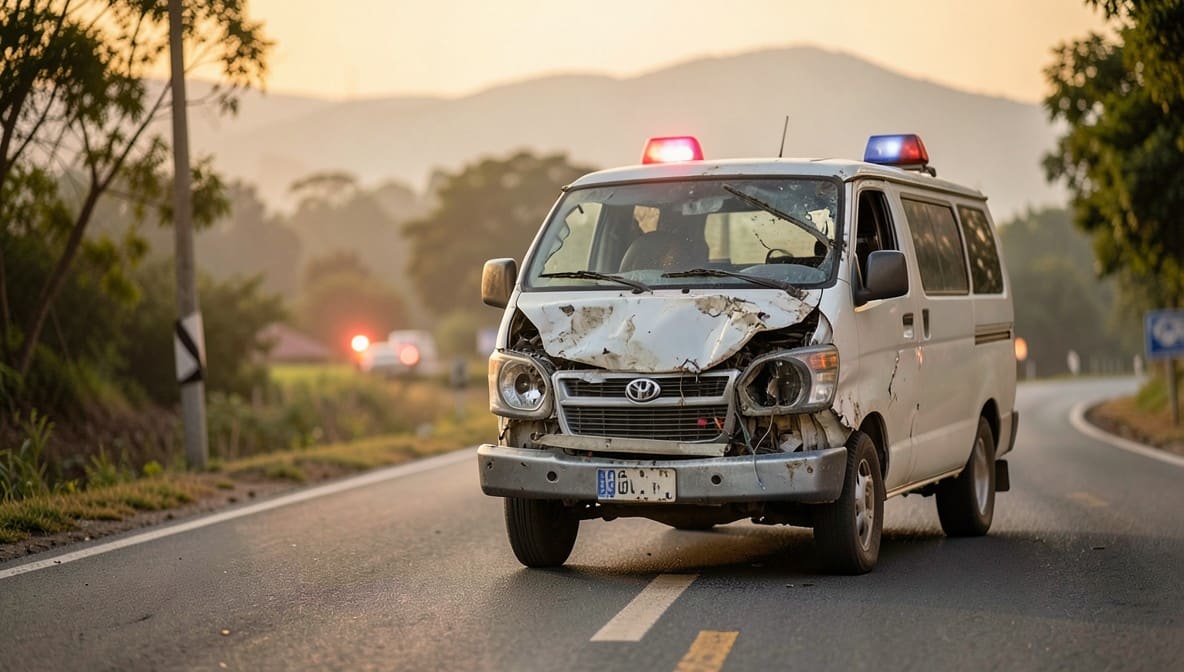
These two appeals arise from a common road accident that occurred on 12.10.2017 near Korba, Chhattisgarh. A truck owned by respondent Mahavir Jain and driven by respondent Rahmuddin Ansari collided with another vehicle, resulting in the deaths of two individuals: Rajesh Yadav and Pratap Singh Kawar. The claimants, being the legal heirs of the deceased, filed separate claims before the Motor Accident Claims Tribunal seeking compensation. The Tribunal, by its order dated 06.03.2019, awarded Rs. 12,81,172/- to the heirs of Rajesh Yadav and Rs. 9,73,379/- to the heirs of Pratap Singh Kawar, holding the appellant National Insurance Co. Ltd. liable to pay the amounts under its third-party insurance policy.
Key Facts
- The accident occurred on 12.10.2017 at approximately 11:30 PM near Korba, Chhattisgarh
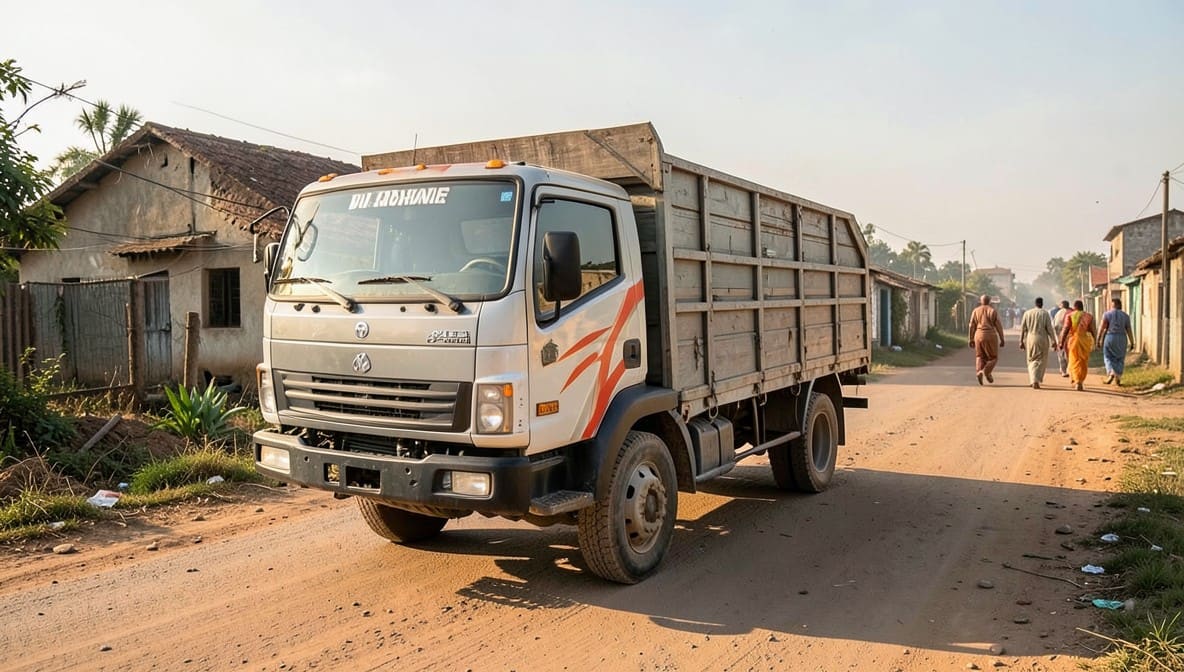
- The offending vehicle was a Tata truck bearing registration number CG-14-1234, owned by Mahavir Jain and driven by Rahmuddin Ansari
- Rajesh Yadav (deceased, aged 32) was employed as a helper in the transportation business and was traveling in the truck’s cabin at the time of the accident
- Pratap Singh Kawar (deceased, aged 45) was the authorized representative of the consignor, monitoring the safe delivery of goods being transported
- Both deceased persons were not paying passengers; they were present in the vehicle in connection with the commercial activity
- The insurance policy issued by National Insurance Co. Ltd. covered third-party liability under Section 147 of the Motor Vehicles Act, 1988
- The insurer denied liability on the ground that the deceased were gratuitous passengers, not covered under the policy
- The claimants submitted statements from eye-witness Rajkumar Chouhan and owner Mahavir Jain affirming the roles of the deceased
- Mahavir Jain was cross-examined on this point and did not retract his statement
Procedural History
- 12.10.2017: Road accident occurred resulting in deaths of Rajesh Yadav and Pratap Singh Kawar
- 15.11.2017: Claim applications filed before Motor Accident Claims Tribunal, Korba
- 06.03.2019: Tribunal awarded compensation of Rs. 12,81,172/- and Rs. 9,73,379/- respectively, holding insurer liable
- 05.04.2019: National Insurance Co. Ltd. filed MAC No. 1186/2019 challenging the award
- 08.04.2019: National Insurance Co. Ltd. filed MAC No. 1187/2019 challenging the second award
- 06.04.2025: High Court heard both appeals jointly and delivered this order
The Parties' Positions
Appellant (National Insurance Co. Ltd.): Argued that Rajesh Yadav and Pratap Singh Kawar were gratuitous passengers, not covered under the insurance policy. Relied on statements of RTO officer Sadanand Jagde and internal officer Arun Kumar Yadav, neither of whom had direct knowledge of the deceased’s roles.
Respondents (Claimants and Vehicle Owner): Contended that Rajesh Yadav was a helper engaged in the loading/unloading of goods and Pratap Singh Kawar was an authorized representative of the consignor. Cited sworn statements of owner Mahavir Jain and eyewitness Rajkumar Chouhan.
Relief Sought
The appellant sought setting aside of the Tribunal’s award dated 06.03.2019 and a declaration that the insurer is not liable to pay compensation. The respondents sought confirmation of the award and payment of the awarded amounts with interest.
The Legal Issue
The central question was whether an insurance company can deny liability under Section 147 of the Motor Vehicles Act, 1988 by merely alleging that deceased passengers were gratuitous, when the evidence on record, including testimony of the vehicle owner and eyewitnesses, establishes that they were traveling as helpers or authorized representatives in connection with the commercial use of the vehicle.
Arguments Presented
For the Appellant
The appellant contended that the insurance policy only covers third-party liability for passengers who are paying or lawfully employed. It argued that since no fare was paid and no formal employment contract existed, the deceased were gratuitous passengers. Relied on general principles that gratuitous passengers are excluded from coverage unless expressly included. Cited the RTO officer’s statement as proof of non-employment status, despite the officer having no direct knowledge of the deceased’s presence in the vehicle.
For the Respondent
The respondents argued that the nature of the deceased’s presence was not determined by payment but by function. Rajesh Yadav was a helper engaged in the business of transportation, and Pratap Singh Kawar was a consignor’s representative, both integral to the commercial operation. Cited National Insurance Co. Ltd. v. Laxmi Narain and Smt. Sushila Devi v. Oriental Insurance Co., where courts held that functional role, not payment, determines coverage. Emphasized that the owner’s testimony, subjected to cross-examination, was unimpeached.
The Court's Analysis
The Court undertook a rigorous evaluation of the evidence presented before the Claims Tribunal. It noted that the insurer’s sole evidence consisted of statements from two officials - an RTO officer and an internal insurance officer - neither of whom had personal knowledge of the deceased’s role in the vehicle at the time of the accident. These statements were purely speculative and devoid of factual foundation.
In contrast, the owner of the vehicle, Mahavir Jain, testified under oath that Rajesh Yadav was employed as a helper and Pratap Singh Kawar was an authorized representative of the consignor. This testimony was corroborated by the eyewitness, Rajkumar Chouhan. Crucially, during cross-examination, the owner did not retract or contradict his statement. The Court emphasized that the burden of disproving the claimant’s assertion lay with the insurer, which failed to discharge it.
"In absence of any evidence to show that at the time of the accident, deceased persons- Rajesh Yadav and Pratap Singh Kawar were traveling as gratuitous passengers in the offending vehicle, the claims tribunal has rightly fastened the liability to pay compensation upon the appellant- Insurance Company."
The Court further held that the Tribunal’s findings were based on a reasonable appreciation of evidence and were not perverse or illegal. The insurer’s attempt to rely on a blanket exclusion of gratuitous passengers could not override the specific factual context established by the claimants. The Court reaffirmed that Section 147 of the Motor Vehicles Act imposes strict liability on insurers for death or injury arising out of the use of the insured vehicle in public places, irrespective of whether the passenger paid a fare, provided their presence was connected to the vehicle’s commercial purpose.
The Verdict
The appeals were dismissed. The High Court upheld the Motor Accident Claims Tribunal’s award dated 06.03.2019. The appellant, National Insurance Co. Ltd., is directed to pay Rs. 12,81,172/- to the legal heirs of Rajesh Yadav and Rs. 9,73,379/- to the legal heirs of Pratap Singh Kawar. The insurer shall pay the amounts within 8 weeks from the date of this order. The parties shall bear their own costs.
What This Means For Similar Cases
Functional Role Trumps Payment Status
- Practitioners must now argue that the nature of a passenger’s presence - whether as helper, agent, or authorized representative - determines coverage, not whether a fare was paid
- Insurers cannot rely on generic policy exclusions without disproving the functional role established by evidence
- Claimants should proactively document and present affidavits from owners, consignors, or coworkers establishing the deceased’s role
Insurer’s Burden of Disproof Is High
- Mere assertion by insurer’s officials without firsthand knowledge is insufficient to rebut claimant testimony
- Cross-examination of the vehicle owner is a critical evidentiary moment; if the owner’s testimony remains unchallenged, it becomes decisive
- Courts will not accept speculative denials where credible, corroborated evidence supports the claimant’s version
Commercial Use Defines Coverage
- The Court’s reasoning aligns with the purpose of Section 147: to ensure compensation for all persons injured due to the commercial use of motor vehicles
- This judgment reinforces that insurance coverage extends to those whose presence is incidental to the vehicle’s business function, even if not formally employed
- Legal advisors should advise clients to maintain records of helpers, consignor representatives, and other non-paying travelers in commercial transport operations