The Allahabad High Court has dismissed a Public Interest Litigation alleging illegal encroachment on revenue-recorded pond and Navin Parti land, holding that the petitioner’s claims were unsubstantiated and the land in question had been lawfully earmarked for residential use during consolidation proceedings. The judgment underscores the primacy of official revenue records and the necessity of factual substantiation in PILs.
Background & Facts
The Dispute
The petitioner filed a Public Interest Litigation seeking removal of alleged illegal encroachments on two plots of land - Arazi No. 36 (0.3920 hectare, recorded as Taal/Pond) and Arazi No. 25 (0.0630 hectare, recorded as Navinparti) - both belonging to the Gram Sabha. The petitioner alleged that respondents 5 to 10 had unlawfully occupied these lands, causing irreparable harm to public interest.
Key Facts
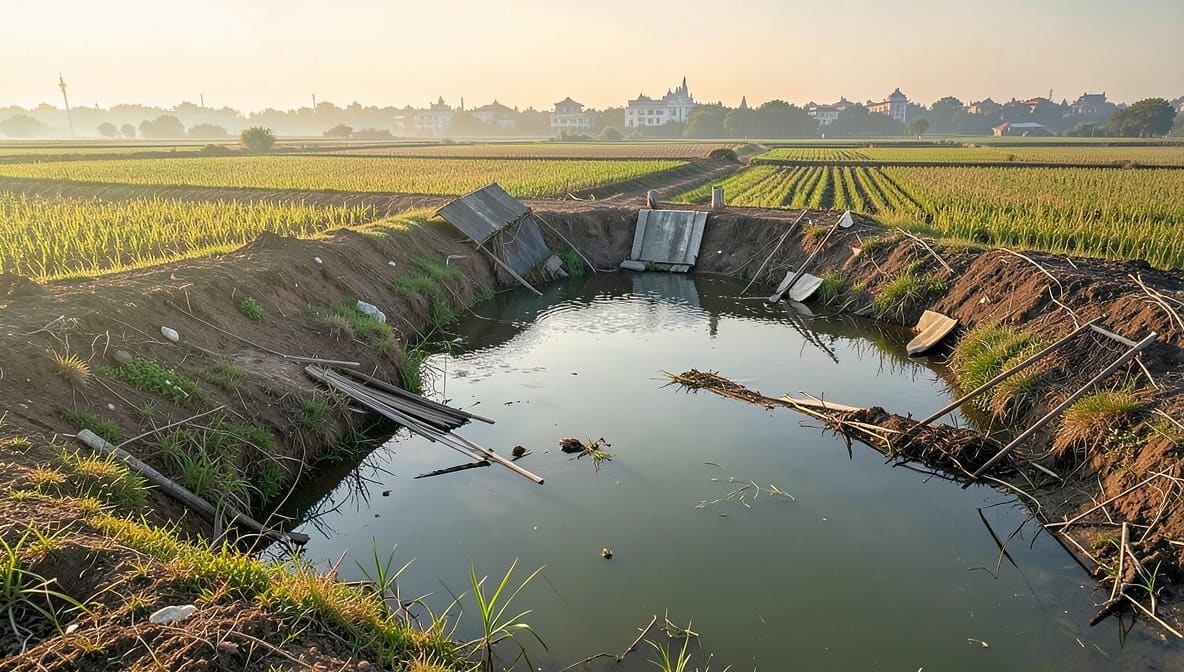
- Arazi No. 36 is recorded in revenue records as "Taal" (Pond) and is currently filled with water.
- Arazi No. 25 is recorded as "Navin Parti" and was earmarked during consolidation proceedings for "Sarvajanik Abadi" (public residential settlement).
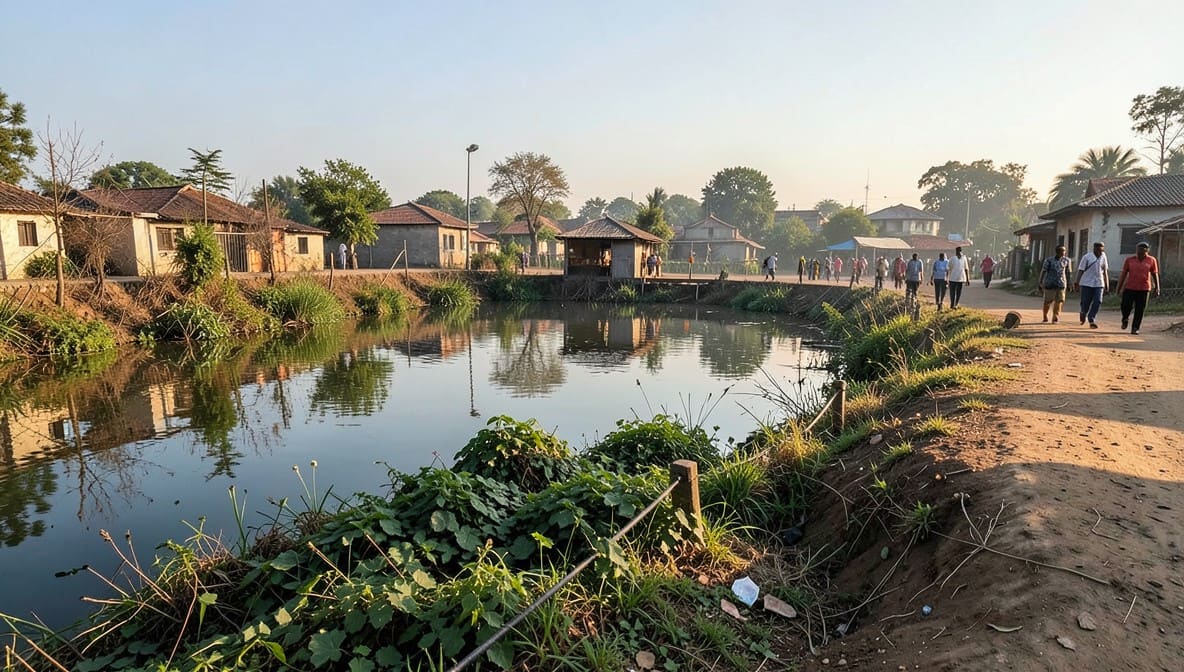
- The petitioner and respondents 5 to 7 reside on Plot No. 25, where residential structures, including a toilet constructed by the petitioner, exist.
- Respondents 9 and 10 reside in Kolkata; their Bhumidhari land is cultivated by respondent no. 5.
- On the ramp of the pond (Plot No. 36), the petitioner’s family has planted bamboo clumps and stored cow dung.
- All occupants of Plot No. 25 are agricultural laborers and financially weak.
Procedural History
- 2025: Public Interest Litigation No. 3941 of 2025 filed before the Allahabad High Court.
- 22.01.2026: Gram Pradhan submitted instructions confirming the status of both plots and alleging personal vendetta behind the PIL.
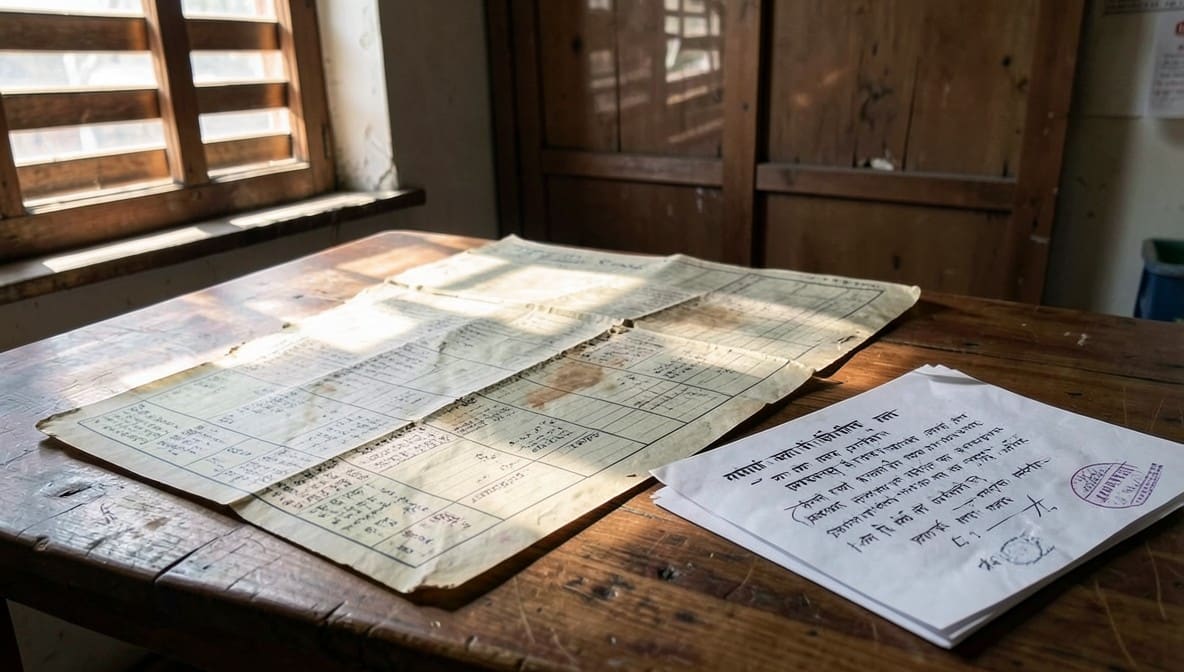
- 28.01.2026: Deputy District Magistrate, Jakhaniya, Ghazipur, submitted official revenue instructions corroborating the Gram Pradhan’s report.
- 15.05.2026: Hearing concluded before Hon’ble Justice Arun Kumar.
The Parties' Positions
Petitioner’s Position: Alleged that respondents 5 to 10 had illegally encroached upon Gram Sabha land (Plot No. 36 as pond and Plot No. 25 as Navin Parti), violating public trust and land use norms. Sought mandamus for removal of structures.
Respondents’ Position: Contended that Plot No. 36 was not encroached upon and remained a water body. Plot No. 25 was lawfully designated for residential use during consolidation and had been occupied by villagers for decades. Alleged the PIL was a tool of personal harassment.
Relief Sought
The petitioner sought a writ of mandamus directing respondents 2 and 3 (state authorities) to remove alleged encroachments on Plot No. 36 and Plot No. 25 to protect public land.
The Legal Issue
The central question was whether the construction on land recorded as "Navin Parti" and earmarked for "Sarvajanik Abadi" during consolidation proceedings constitutes illegal encroachment, and whether a PIL can be maintained when the petitioner’s own family is among the occupants and the allegations are contradicted by official revenue records.
Arguments Presented
For the Petitioner
The petitioner’s counsel argued that any construction on land recorded as "Taal" or "Navin Parti" under Gram Sabha ownership, without formal transfer or permission, amounted to illegal encroachment. Relied on general principles of public trust doctrine and the duty of the state to protect communal land.
For the Respondent/State
The State and Gram Pradhan submitted official documents showing that Plot No. 36 was free from encroachment and remained a water body. Plot No. 25 was explicitly earmarked for residential development during consolidation, and the structures thereon were legitimate. The PIL was alleged to be motivated by personal animosity, as the petitioner himself occupied the land and had no standing to raise a public grievance.
The Court's Analysis
The Court examined the official instructions from the Deputy District Magistrate and the Gram Pradhan, both of which were placed on record. The revenue records clearly indicated that Plot No. 36, recorded as "Taal", was not encroached upon and remained filled with water. The presence of bamboo clumps and cow dung on its ramp did not constitute illegal occupation of the pond itself.
"Plot no.25, which was earmarked for residential purposes during the consolidation proceedings, consists of Abadi, over which the petitioner and the private respondents have their construction."
The Court emphasized that land designated as "Navin Parti" for "Sarvajanik Abadi" during consolidation proceedings acquires a lawful status for residential use. The fact that the occupants were agricultural laborers and financially weak further supported the legitimacy of their occupation under the spirit of the consolidation scheme.
The Court noted that PILs are not meant to be used as instruments of private vendetta. The petitioner’s own family resided on the disputed land, and the allegations against respondents 9 and 10 - who lived in Kolkata and had no physical presence - were entirely baseless.
The Court held that the petitioner failed to establish any illegal encroachment, and the PIL was therefore misconceived and filed with mala fide intent.
The Verdict
The petition was dismissed as misconceived. The Court found no illegal encroachment on Plot No. 36 or Plot No. 25. No directions for removal of structures were issued. The petitioner was directed to bear the costs of the litigation.
What This Means For Similar Cases
Official Revenue Records Prevail Over Allegations
- Practitioners must rely on revenue records and consolidation orders when challenging land use - oral claims or unsubstantiated allegations will not suffice.
- Any PIL alleging encroachment on Gram Sabha land must be supported by survey maps, revenue extracts, and consolidation records.
PILs Cannot Be Used for Personal Vendettas
- Courts will dismiss PILs where the petitioner is a direct beneficiary of the alleged encroachment or where the relief sought targets individuals with no connection to the land.
- The burden shifts to the petitioner to prove public interest, not private grievance.
Consolidation Designations Are Legally Binding
- Land earmarked as "Sarvajanik Abadi" during consolidation proceedings acquires lawful residential status, even if originally classified as "Navin Parti" or "Taal".
- Post-consolidation occupation by villagers cannot be treated as encroachment absent proof of illegal diversion or violation of zoning.