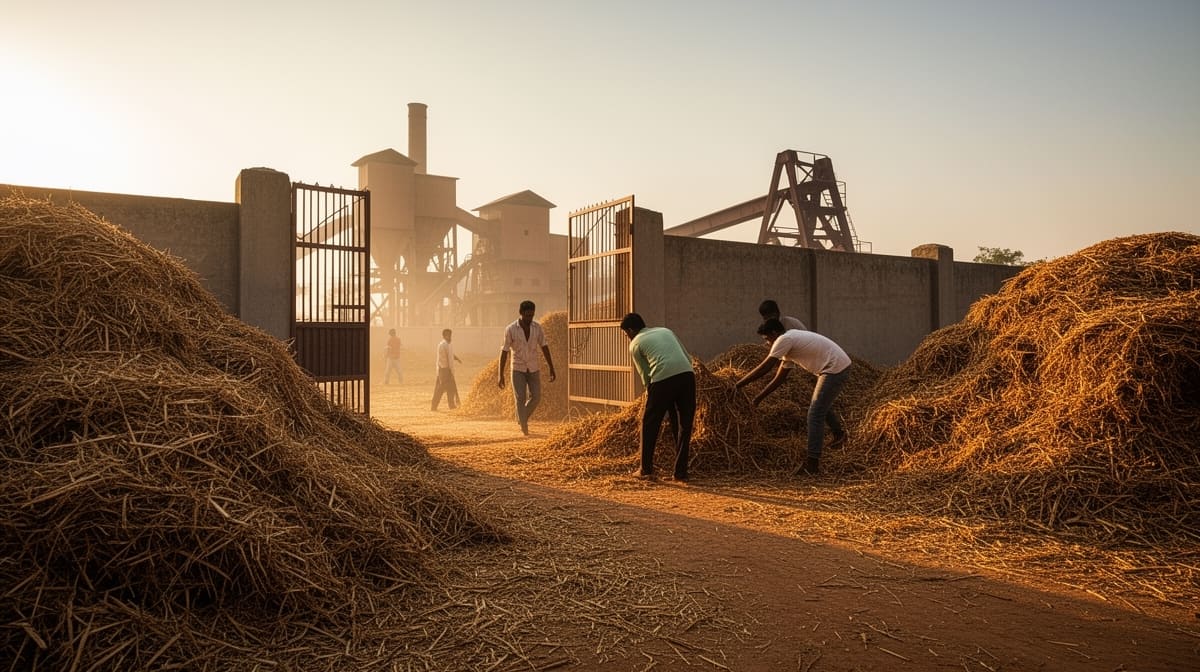
The Customs, Excise & Service Tax Appellate Tribunal has definitively clarified that agricultural waste such as bagasse and press mud, generated during sugar manufacturing, cannot be classified as excisable goods even when sold for consideration. This ruling overturns longstanding departmental demands for duty and penalty based on the reversal of Cenvat credit, reinforcing that mere marketability does not equate to manufacture under the Central Excise Act.
Background & Facts
The Dispute
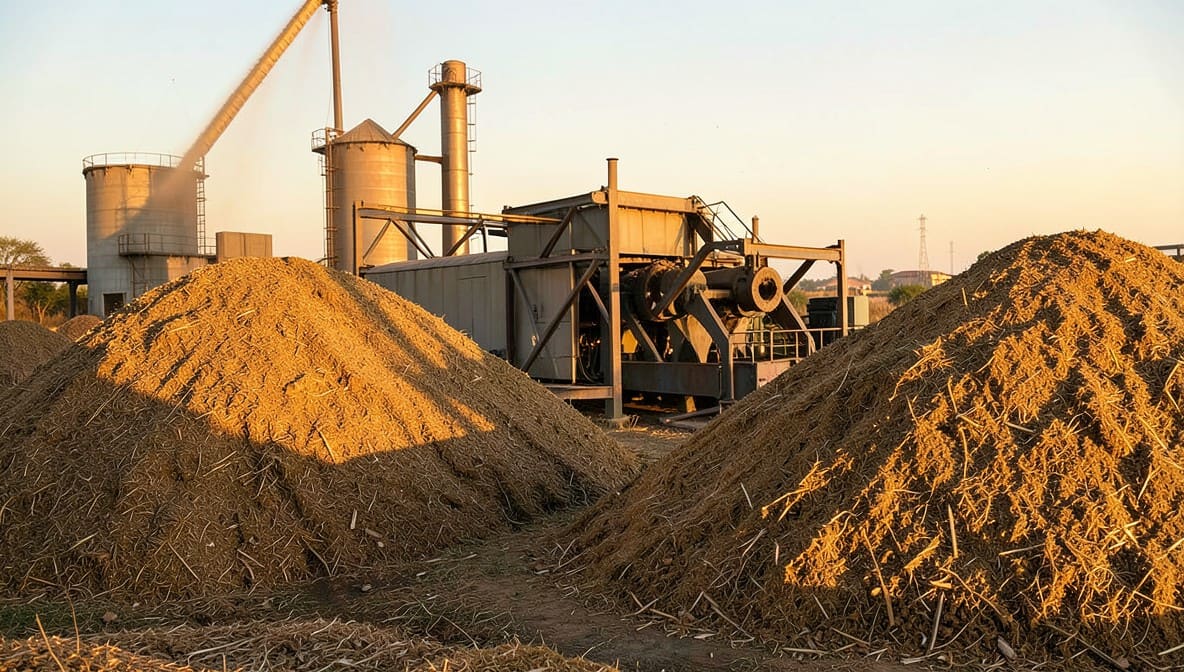
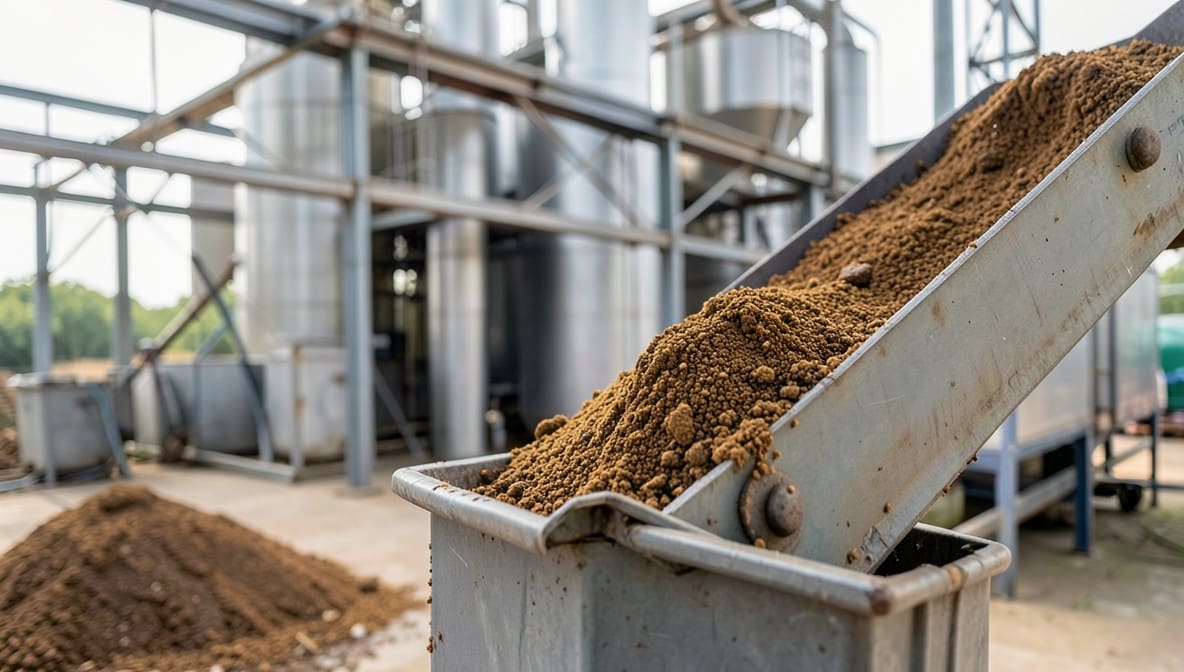
The appellant, Shree Chalthan Vibhag Khand Udyog Sahakari Mandli Limited, is a sugar cooperative engaged in the manufacture of VP Sugar (Chapter Heading 1701) from sugarcane. During this process, it generates by-products including bagasse, press mud, and bio-compost (Tariff Item 23032000), which attract a nil rate of duty. These by-products are sold to farmers for agricultural use. The Revenue authorities contended that these materials became excisable goods after the 2008 amendment to Section 2(d) of the Central Excise Act, 1944, and demanded reversal of Cenvat credit under Rule 6 of the Cenvat Credit Rules, 2004, along with interest and penalty.
Procedural History
- 2006 - 2010: Appellant cleared bagasse, press mud, and bio-compost without paying excise duty or reversing Cenvat credit.
- 2012 - 2013: Adjudicating Authority issued show-cause notices demanding duty, interest, and penalty based on Board Circular No. 904/24/2009-CX.
- 2013: Commissioner (Appeals) upheld the demands in two appeals (E/10670/2013 and E/10674/2013).
- 2013: Commissioner (Original) confirmed a demand of Rs. 2.58 crore under Rule 14 read with Section 11A(1) in Appeal No. E/10675/2013.
- 2025: Appeals were heard before the Tribunal.
Relief Sought
The appellant sought quashing of all duty demands, interest, and penalties, arguing that bagasse and press mud are inevitable waste, not manufactured goods, and therefore Rule 6 of the Cenvat Credit Rules does not apply.
The Legal Issue
The central question was whether bagasse and press mud, generated as waste during sugar manufacturing, qualify as excisable goods under Section 2(d) of the Central Excise Act, 1944, and whether Rule 6 of the Cenvat Credit Rules, 2004 mandates reversal of input credit when such waste is sold for consideration.
Arguments Presented
For the Appellant
The appellant relied on Bajaj Hindustan Limited v. Commissioner of Central Excise, Meerut-I (2013) and Balrampur Chini Mills v. Union of India (2014), where the Allahabad High Court held that bagasse is an inevitable by-product of sugarcane crushing and not a manufactured good. It further cited the Supreme Court’s decision in Union of India v. DSCL Sugar Limited (2015), which affirmed that waste lacking any manufacturing process cannot be deemed excisable. The appellant emphasized that the 2008 amendment to Section 2(d) only deems marketable goods as excisable but does not transform waste into manufactured goods. The withdrawal of Circular No. 1027/15/2016-CX by Circular No. 1084/05/2022-CX further invalidated the department’s basis for demand.
For the Respondent
The Revenue relied on Board Circular No. 904/24/2009-CX and Circular No. 1027/15/2016-CX, which interpreted the 2008 amendment to treat waste sold for consideration as exempted goods under Rule 6. It cited Hindalco Industries Ltd. v. UOI (2009) to argue that the Explanation to Section 2(d) creates a deeming fiction that renders marketable waste excisable. The department contended that since bagasse and press mud were sold commercially, they fell within the ambit of Rule 6, requiring proportionate credit reversal or payment of 5% of their value.
The Court's Analysis
The Tribunal conducted a rigorous analysis of statutory interpretation, distinguishing between "manufacture" and "emergence." It held that Section 2(d), as amended, defines "goods" as those capable of being bought and sold, but does not alter the nature of the product itself. The key distinction lies in whether the item is the result of a manufacturing process.
"Bagasse is nothing but a waste obtained during manufacture of sugar. Waste cannot be regarded as a final product exempt from duty for invoking provisions of Rule 57CC of Central Excise Rules, 1944."
The Tribunal emphasized that the Supreme Court in DSCL Sugar Limited had already ruled that bagasse is an agricultural residue, not the product of any manufacturing activity. The addition of the Explanation to Section 2(d) merely clarifies marketability, not manufacture. Rule 6 of the Cenvat Credit Rules applies only when both dutiable and exempted final products are manufactured. Since bagasse and press mud are not manufactured but emerge incidentally, Rule 6 has no application.
The Tribunal further noted that Circular No. 1027/2016-CX, which sought to extend Rule 6 to non-excisable waste, had been expressly withdrawn by Circular No. 1084/2022-CX following the Supreme Court’s 2022 judgment in Indian Sucrose Limited. The department’s reliance on outdated circulars was therefore legally untenable.
The Tribunal concluded that the absence of any manufacturing process in the generation of bagasse and press mud renders them ineligible for classification as excisable goods or exempted final products under Rule 6. Consequently, no reversal of Cenvat credit or payment of 5% is legally permissible.
The Verdict
The appellant prevailed. The Tribunal held that bagasse and press mud are non-excisable agricultural waste, not manufactured goods, and Rule 6 of the Cenvat Credit Rules, 2004 does not apply to such by-products. All duty demands, interest, and penalties were set aside.
What This Means For Similar Cases
Waste Generated in Manufacturing Is Not an Exempted Final Product
- Practitioners must distinguish between waste that emerges incidentally and goods that are intentionally manufactured.
- Rule 6 applies only when both dutiable and exempted final products are produced; mere sale of waste does not trigger credit reversal.
- Circulars attempting to expand Rule 6’s scope to non-manufactured waste are legally invalid post-Indian Sucrose Limited.
Penalty and Interest Cannot Be Levied Without Valid Duty Demand
- No penalty under Section 11AC or interest under Section 11AB can be imposed where the underlying duty demand is legally unsustainable.
- Taxpayers who paid under protest are entitled to refund of amounts deposited, as confirmed by the Allahabad High Court in Balrampur Chini Mills.
Pre-2008 Activities Are Beyond Recovery
- Demands for reversal of credit for periods prior to the 2008 amendment are barred by limitation and legal principle, as the statutory basis for such demands did not exist.
- Adjudicating authorities must now rely on judicial precedent, not circulars, when assessing liability for waste products.