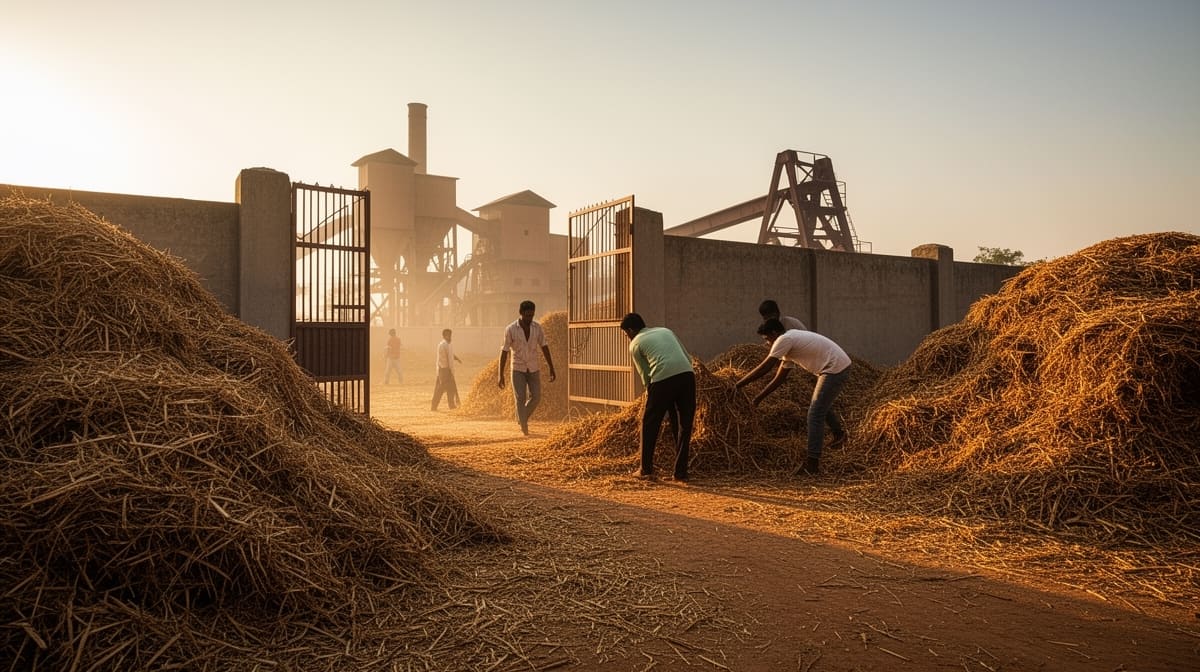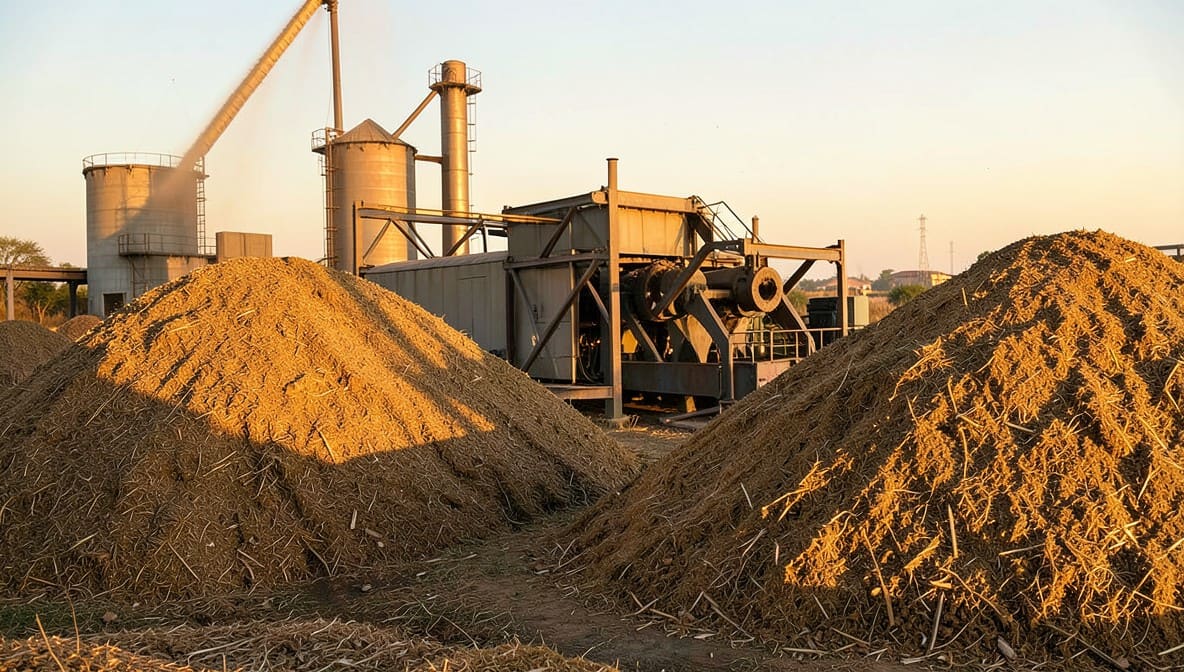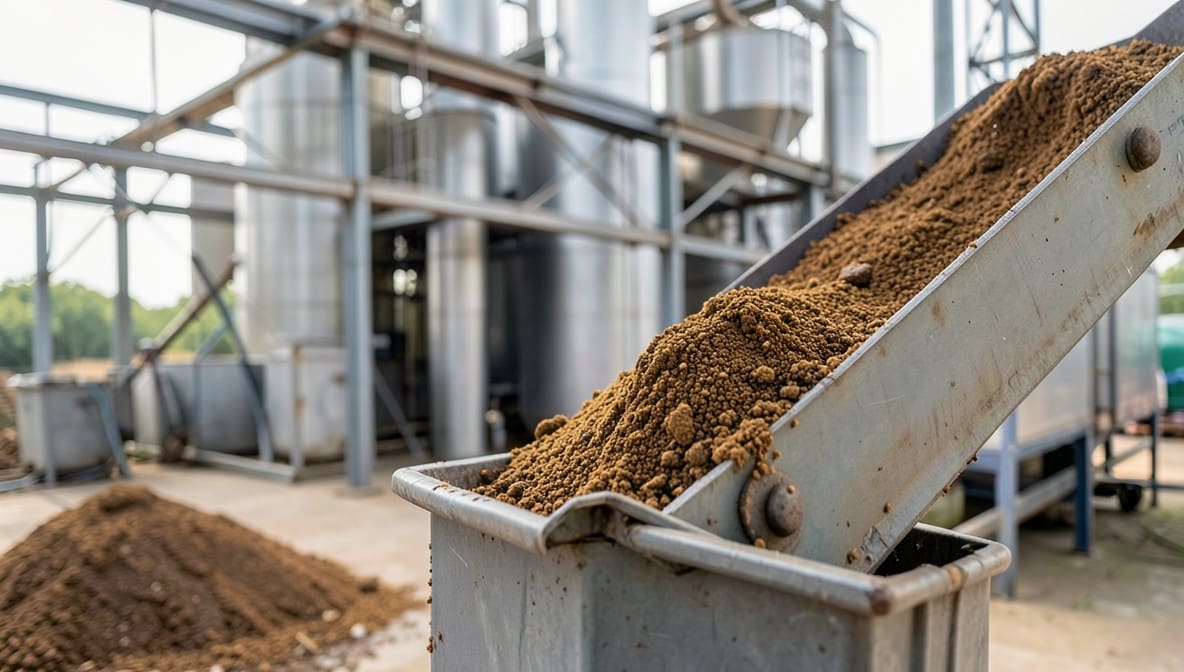
The Central Excise and Service Tax Appellate Tribunal (CESTAT) Hyderabad has clarified that waste mud generated during the bleaching of crude palm oil does not constitute an excisable good under the Central Excise Act, 1944. This decision resolves a long-standing ambiguity regarding the classification of by-products in edible oil manufacturing and reinforces the principle that involuntary waste cannot be taxed as manufactured goods.
Background & Facts
The Dispute
M/s 3F Industries Ltd, engaged in the manufacture of fatty acids and fatty acid pitch, was assessed for Central Excise duty on "waste mud" - a by-product emerging during the bleaching of crude palm oil using fuller’s earth. The department classified this waste mud under Tariff Item 1522 0090 and issued a Show Cause Notice (SCN) demanding duty, asserting that the material qualified as an excisable good under the amended definition in Section 2(d) of the Central Excise Act, 1944.
Key Facts
- The appellant’s manufacturing process involves refining crude palm oil, during which bleaching with fuller’s earth produces a residue known as "spent earth" or "waste mud"
- The waste mud is not intentionally produced; it is an unavoidable by-product of the physical filtration process
- The department relied on CBIC Circular No. 904/24/09-CX dated 28.10.2009, which interpreted bleaching as a process of manufacture
- The appellant argued that spent earth has no commercial value and is disposed of as waste, not sold as a product
- The same issue was previously adjudicated in the appellant’s favor in Final Order No. A/30012/2026 dated 09.01.2026
- Circular No. 904/24/09-CX was subsequently withdrawn by CBIC via Circular No. 1027/15/2016-CX dated 25.04.2016, following Supreme Court rulings
- Notification No. 89/1995-CE dated 18.05.1995 exempts all waste, parings, and scrap arising in the course of manufacture of exempted goods
Procedural History
- 30.09.2013: Original Order-in-Order (OIO) issued by Assistant Commissioner demanding excise duty on waste mud
- 22.04.2014: Commissioner (Appeals) upheld the demand in Order-in-Appeal No. 27/2014 (G)
- 22.07.2014: Appeal filed by appellant before CESTAT Hyderabad (Excise Appeal No. 22096 of 2014)
- 06.01.2026: Hearing conducted before Division Bench
- 29.04.2026: Final Order passed allowing the appeal
Relief Sought
The appellant sought quashing of the impugned order dated 22.04.2014, cancellation of the duty demand, and refund of any amounts paid, on the grounds that waste mud is not an excisable good and is exempt under Notification No. 89/1995-CE.
The Legal Issue
The central question was whether waste mud (spent earth) generated during the bleaching of crude palm oil qualifies as an "excisable good" under Section 2(d) of the Central Excise Act, 1944, particularly after the withdrawal of CBIC Circular No. 904/24/09-CX and the applicability of exemption notifications.
Arguments Presented
For the Appellant
The appellant’s counsel argued that spent earth is an involuntary by-product with no marketability or commercial utility, and its emergence is incidental to the manufacturing process. He relied on the withdrawal of Circular No. 904/24/09-CX, which had been the sole basis for treating bleaching as manufacture. He cited multiple tribunal and Supreme Court judgments - including Balrampur Chini Mills Ltd v. UOI, DSCL Sugars Ltd., and Marico Ltd - which held that waste materials arising without conscious intent cannot be classified as manufactured goods. He further invoked Notification No. 89/1995-CE, which explicitly exempts waste arising in the course of manufacture of exempted goods.
For the Respondent
The Respondent’s Advocate reiterated the Commissioner’s finding that bleaching alters the physical properties of crude palm oil and therefore constitutes manufacture under the amended definition. He contended that the mere withdrawal of a circular does not invalidate the statutory interpretation, and that the material’s marketability (even if minimal) was sufficient to classify it as excisable. He did not address the applicability of Notification No. 89/1995-CE.
The Court's Analysis
The Tribunal examined the legislative history of the term "excisable goods" and the impact of the 2008 amendments to Section 2(d) of the Central Excise Act, which introduced the concept of "manufacture" as including any process incidental or ancillary to the completion of a manufactured product. However, the Court emphasized that the amendment did not expand the definition to include all by-products.
"It is an undisputed fact that the spent fuller earth has not emerged by way of any conscious effort and it has emerged involuntarily in the process of bleaching the crude palm oil."
The Court noted that the department’s entire case rested on Circular No. 904/24/09-CX, which had been expressly withdrawn by CBIC in 2016. The Tribunal held that circulars cannot override statutory provisions or judicial pronouncements, and their withdrawal rendered the department’s legal basis untenable.
The Court further relied on Notification No. 89/1995-CE, which provides a blanket exemption for "waste, parings and scrap arising in the course of manufacture of exempted goods." The Tribunal held that since crude palm oil is an exempted good under the Tariff Act, any waste arising from its processing falls squarely within this exemption.
The Tribunal also distinguished the facts from cases where by-products were intentionally produced for sale, noting that spent earth here had no commercial purpose and was merely discarded.
The Verdict
The appeal was allowed. The impugned order dated 22.04.2014 was set aside. The demand for Central Excise duty on waste mud was cancelled in its entirety. Any amounts collected or paid towards the demand were directed to be refunded within 6 weeks from the date of the order. Costs of Rs. 10,000 were awarded to the appellant.
What This Means For Similar Cases
Waste Is Not Manufacture
- Practitioners must now argue that any by-product emerging involuntarily during manufacturing cannot be classified as an excisable good unless there is evidence of intentional production or marketability
- The burden shifts to the department to prove conscious intent to produce the material, not merely its physical existence
Exemption Notifications Trump Circulars
- Notification No. 89/1995-CE provides a clear, statutory exemption for waste arising from exempted goods
- Circulars issued by CBIC cannot override such exemptions, and their withdrawal invalidates any demand based on them
- Practitioners should routinely invoke exemption notifications in cases involving by-products, even if the department relies on outdated circulars
Precedent Binding Across Jurisdictions
-
CESTAT judgments on identical issues involving the same appellant and same process are binding on departmental authorities
-
The Tribunal’s reliance on Marico Ltd and DSCL Sugars Ltd. confirms that Supreme Court and tribunal precedents on waste classification are uniformly applicable across India
-
Always check for withdrawn circulars before accepting departmental demands
-
File appeals citing Notification No. 89/1995-CE and relevant judgments when dealing with spent earth, bagasse, dross, or similar residues