The Allahabad High Court has issued a significant directive in a pending revenue dispute, mandating that the Subordinate Court decide the matter within three months while preserving the status quo over the disputed property. This order underscores the judiciary’s intervention to prevent procedural delay from prejudicing property rights in revenue proceedings under the U.P. Revenue Code, 2006.
Background & Facts
The Dispute
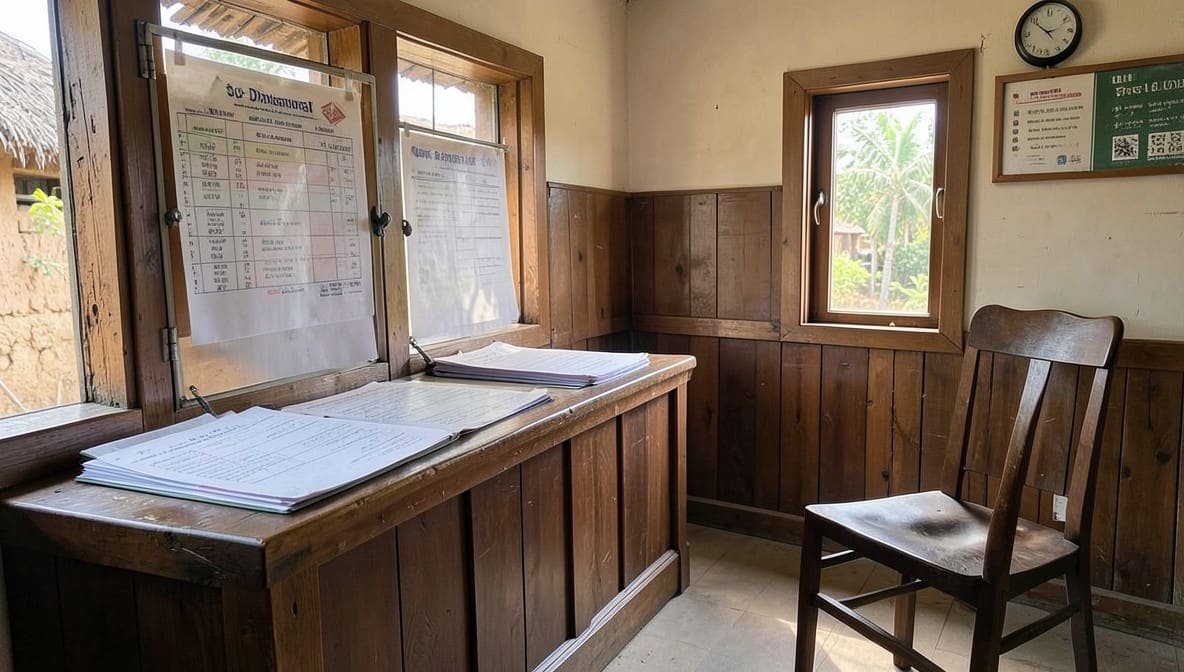
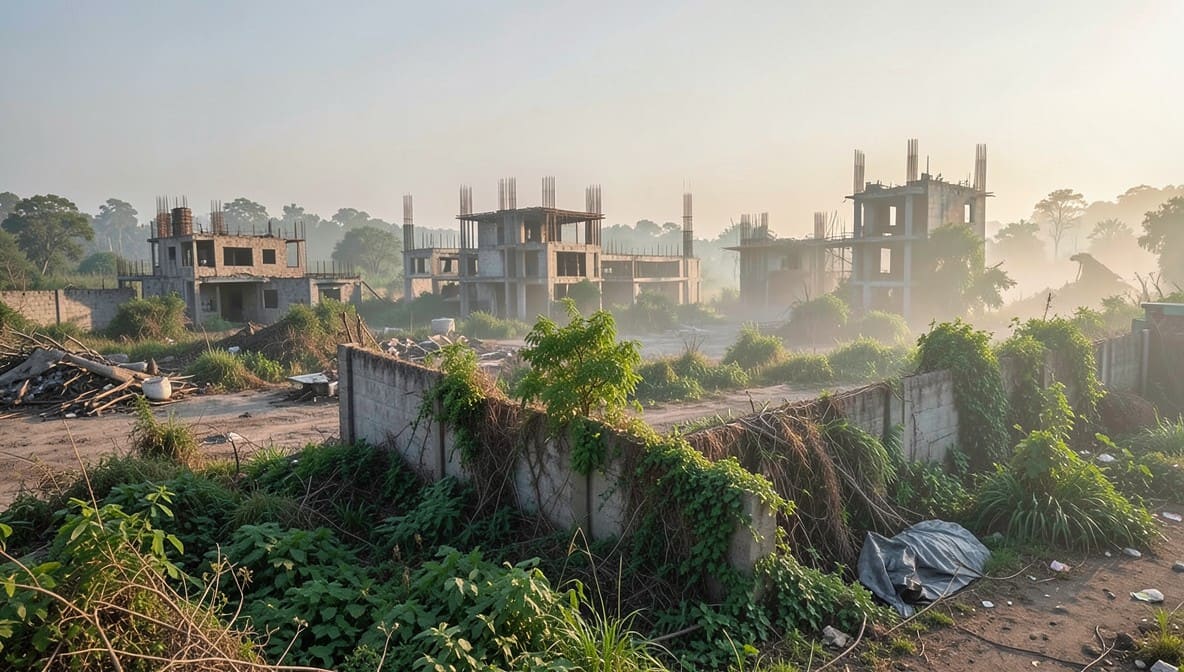
The petitioner, Surya Narayan, filed a case seeking correction of a revenue map relating to a disputed property in Bhadohi district, Uttar Pradesh. The application for map correction was submitted in 2025 but remained unregistered for over a year due to administrative inaction by government officials. The petitioner alleges that this delay has created a risk of unauthorized alienation or third-party claims over the property.
Key Facts
- The petitioner filed an application for correction of revenue map in 2025
- The application was not registered by the revenue authorities despite repeated follow-ups
- The District Magistrate, Bhadohi, issued a show cause notice regarding the non-registration of the case
- On 18.06.2026, the matter was listed before the High Court for hearing
- On the date of hearing, the State produced instructions confirming that a civil suit had been registered on 19.06.2026 under Case No. D202616670000605, titled Suryanarayan and others v. State, under Section 30 of the U.P. Revenue Code, 2006
- The next date of hearing in the civil suit is fixed for 22.06.2026
Procedural History
- 2025: Petitioner filed application for correction of revenue map
- Unspecified date prior to 18.06.2026: Application remained unregistered; no action taken by revenue authorities
- Before 18.06.2026: District Magistrate, Bhadohi, issued show cause notice for non-registration
- 18.06.2026: Matter listed before the High Court
- 19.06.2026: State produced instructions confirming registration of civil suit under Section 30 of U.P. Revenue Code, 2006
- 19.06.2026: Hearing before the High Court; petitioner sought expeditious disposal and interim protection
The Parties' Positions
For the Petitioner:
- Argued that the prolonged non-registration of the map correction application created a risk of irreversible harm to property rights
- Expressed apprehension that the property might be alienated or encumbered by third parties during the pendency of the unregistered application
- Sought immediate interim protection and direction for expeditious disposal
For the Respondent (State):
- Fairly conceded that the case had remained pending for over a year without registration
- Acknowledged the issuance of the show cause notice by the District Magistrate
- Did not oppose the prayer for expeditious disposal
- Provided documentation confirming the subsequent registration of the civil suit
Relief Sought
The petitioner sought:
- Immediate interim protection to maintain status quo over the disputed property
- Restraint on alienation or creation of third-party rights over the property
- Direction for the Subordinate Court to decide the matter expeditiously, preferably within three months
The Legal Issue
Whether the High Court can intervene to direct expeditious disposal of a revenue dispute pending before a Subordinate Court and impose a status quo order to prevent prejudice to property rights during prolonged administrative delay.
Arguments Presented
For the Petitioner
The petitioner relied on the principle that undue delay in adjudicating revenue matters, especially where property rights are at stake, amounts to denial of justice. He cited the show cause notice issued by the District Magistrate as evidence of administrative failure. He argued that the registration of a civil suit under Section 30 of the U.P. Revenue Code, 2006, did not absolve the State of its obligation to ensure timely adjudication. He invoked the doctrine of audi alteram partem and the right to speedy justice under Article 21 of the Constitution.
For the Respondent
The State did not contest the petitioner’s submissions. The Additional Chief Standing Counsel acknowledged the delay and provided documentary proof of the suit’s registration. He conceded that the matter had remained pending for over a year without formal registration and expressed no objection to the petitioner’s prayer for expeditious disposal.
The Court's Analysis
The Court observed that the petition was filed in response to a clear case of administrative inaction. The fact that the application for map correction had remained unregistered for over a year, despite the issuance of a show cause notice by the District Magistrate, indicated a systemic failure in the revenue administration. The Court noted that the subsequent registration of a civil suit under Section 30 of the U.P. Revenue Code, 2006, did not cure the prior delay, nor did it eliminate the risk of prejudice to the petitioner’s property rights.
"It would be appropriate that the matter be directed to be decided expeditiously, preferably within a period of three months from the date of production of a certified copy of this order after giving due opportunity of hearing to all the concerned parties."
The Court emphasized that the purpose of the writ petition was not to usurp the jurisdiction of the Subordinate Court, but to prevent irreparable harm caused by delay. The Court held that the principle of status quo is particularly vital in land and revenue disputes where possession and title are contested. The Court further clarified that its observations were not binding on the Subordinate Court’s final decision, which must be rendered independently and in accordance with law.
The Verdict
The petition was disposed of with directions. The Subordinate Court is directed to decide the case within three months from the date of production of a certified copy of this order. The parties are restrained from alienating the disputed property or creating any third-party rights over it until final disposal. The status quo over the property shall be maintained. The Court did not award costs or monetary relief.
What This Means For Similar Cases
Status Quo Is a Remedy Against Administrative Delay
- Practitioners may now invoke status quo orders in writ petitions where revenue applications remain unregistered for over a year
- The mere registration of a suit does not negate the need for interim protection if prejudice is imminent
- Courts are likely to treat prolonged non-registration of revenue applications as a violation of the right to timely adjudication under Article 21
Expeditious Disposal Can Be Mandated by High Courts
- High Courts may set specific timelines (e.g., three months) for disposal of pending revenue matters, even if the case has been transferred to a civil suit
- Such directions are not interference but enforcement of the duty to adjudicate without undue delay
- Counsel should cite this judgment when seeking time-bound disposal in revenue, land, and property disputes pending before subordinate courts
Administrative Inaction Is Not a Defense
- The State’s failure to register applications cannot be used to justify prolonged uncertainty in property rights
- Show cause notices issued by District Magistrates can serve as evidence of administrative lapse in writ proceedings
- Courts will not permit procedural negligence to become a tool for depriving citizens of their property rights