Topic

Writ Jurisprudence

Writ jurisprudence in India refers to the power of High Courts under Article 226 to issue writs like mandamus, certiorari, and prohibition for enforcing fundamental rights or addressing public law violations.

40 articlesLatest 0 month ago
Article 226 Writ Power Limited to Jurisdictional Errors, Not Factual Findings of Consumer Forums | Refund with 12% Interest Upheld : Punjab & Haryana HC
Case Law Analysis
|Punjab and Haryana High Court

Article 226 Writ Power Limited to Jurisdictional Errors, Not Factual Findings of Consumer Forums | Refund with 12% Interest Upheld : Punjab & Haryana HC

The Punjab & Haryana High Court held that a writ under Article 226 cannot disturb the factual determinations of a consumer forum, confirming the forum’s modified refund order with 12 % interest. This narrows supervisory review, impacting insurers and consumers under the CPA 2019.

Section 16 FCRA Renewal Refusal Must Observe Natural Justice | FCRA Certificate Renewal : Calcutta HC
Case Law Analysis
|Calcutta High Court

Section 16 FCRA Renewal Refusal Must Observe Natural Justice | FCRA Certificate Renewal : Calcutta HC

The High Court set aside the July 2026 order denying renewal of a foreign contribution registration, finding the authority failed to record a satisfaction of mind and breached natural-justice principles. It ordered a fresh hearing, underscoring that FCRA renewal decisions must be reasoned and afford the applicant a fair chance to be heard. NGOs and societies holding FCRA certificates are directly impacted.

Exhaustion of SARFAESI Remedy Required Before Writ Challenge - RBI 2023 Guidelines Withdrawal Irrelevant | SARFAESI Act : Calcutta HC
|Calcutta High Court

Exhaustion of SARFAESI Remedy Required Before Writ Challenge - RBI 2023 Guidelines Withdrawal Irrelevant | SARFAESI Act : Calcutta HC

A writ petition contesting NPA classification is inadmissible unless the borrower first pursues the SARFAESI enforcement route, and the RBI’s 2023 Fair Lending Guidelines, withdrawn in 2025, do not affect this statutory requirement. This limits borrowers’ recourse to writ jurisdiction and underscores the primacy of SARFAESI procedures.

Section 154 CrPC | Cross-Complaints and Premature Trial Stage Bar Writ for Compensation Against Police : Bombay HC
Case Law Analysis
|Bombay High Court

Section 154 CrPC | Cross-Complaints and Premature Trial Stage Bar Writ for Compensation Against Police : Bombay HC

Bombay High Court rules that compensation and disciplinary action against police for delayed FIR registration under Section 154 CrPC cannot be granted via writ when cross-complaints exist and the trial is premature. The judgment underscores that judicial relief for police inaction is unsustainable without final adjudication of competing complaints.

Mines Act, 1957 & Kerala Minor Mineral Rules | Seizure of Vehicle Invalid Unless Substantial Mineral Content Proven: Kerala HC
|Kerala High Court

Mines Act, 1957 & Kerala Minor Mineral Rules | Seizure of Vehicle Invalid Unless Substantial Mineral Content Proven: Kerala HC

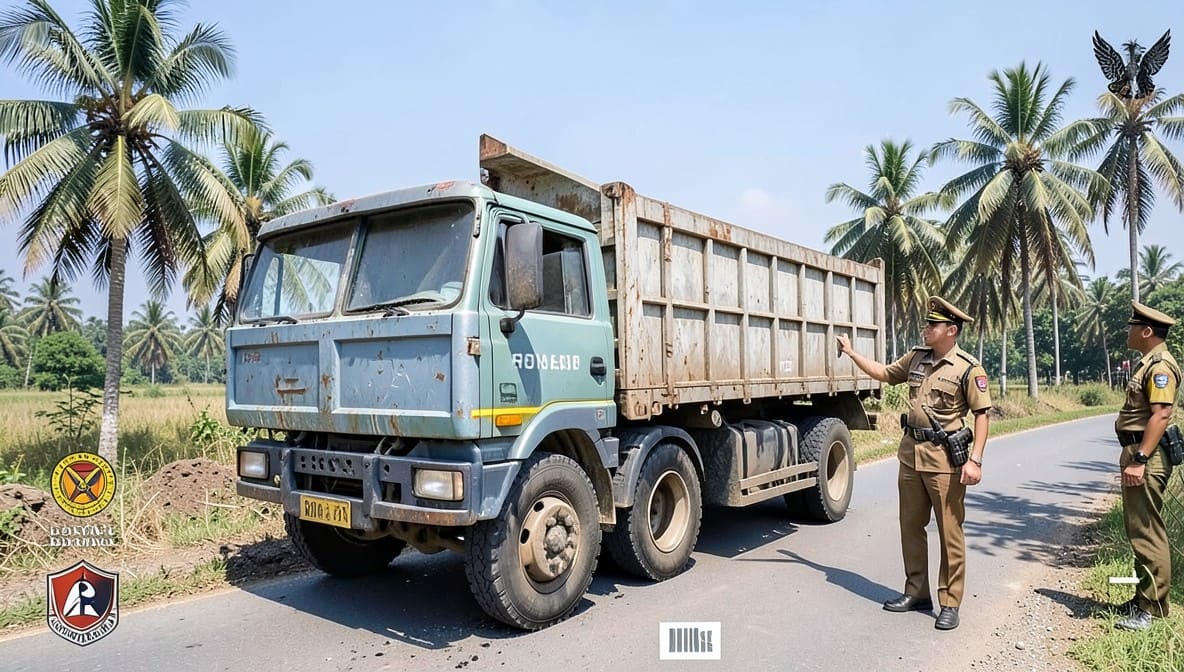
The Kerala High Court ruled that seizing a vehicle under mining laws is unlawful if only trace specs of ordinary earth are found - not enough to qualify as 'minerals' under the Kerala Minor Mineral Concession Rules, 2015. This sets a critical boundary for enforcement agencies, protecting transporters from arbitrary seizures based on negligible, non-commercial soil residue.

MCS Act Section 32 | Rs.2/Page Document Inspection Right Enforceable; Writ Jurisdiction Barred for FIR, Section 88 Enquiry, or Office-Bearer Removal : Bombay HC
Case Law Analysis
|Bombay High Court

MCS Act Section 32 | Rs.2/Page Document Inspection Right Enforceable; Writ Jurisdiction Barred for FIR, Section 88 Enquiry, or Office-Bearer Removal : Bombay HC

Bombay HC affirms co-operative society members' statutory right to inspect documents at Rs.2/page under Section 32 of the Maharashtra Co-operative Societies Act. However, writ petitions cannot bypass statutory remedies for FIR registration, Section 88 enquiries, or removal of office-bearers, reinforcing the exhaustion doctrine for co-operative disputes.

RERA Section 40 | Writ Jurisdiction Under Article 226 Barred When Statutory Appeal Exists: Bombay HC
Case Law Analysis
|Bombay High Court

RERA Section 40 | Writ Jurisdiction Under Article 226 Barred When Statutory Appeal Exists: Bombay HC

The Bombay High Court has ruled that developers cannot bypass MahaRERA’s statutory appeal mechanism by filing writ petitions challenging recovery orders under Section 40 of RERA. This reinforces that specialized tribunals like RERA are the exclusive forum for resolving real estate disputes, preserving legislative intent and preventing forum shopping by promoters.

U.P. Revenue Code Rule 109(10) | SDOs Must Decide Section 116 Suits Within Six Months or Record Reasons : Allahabad HC
Case Law Analysis
|Allahabad High Court

U.P. Revenue Code Rule 109(10) | SDOs Must Decide Section 116 Suits Within Six Months or Record Reasons : Allahabad HC

The Allahabad High Court has mandated that Sub-Divisional Officers decide pending revenue suits under Section 116 of the U.P. Revenue Code, 2006 within six months, as required by Rule 109(10) of the 2016 Rules. Failure to comply requires a recorded justification, reinforcing accountability in revenue adjudication and curbing chronic delays that undermine land rights and rural justice.

Central Crop Insurance Portal Registration Mandatory for Claim Enforcement | Writ Jurisdiction Bars Factual Disputes Over Portal Failures : CGHC
Case Law Analysis
|Chhattisgarh High Court

Central Crop Insurance Portal Registration Mandatory for Claim Enforcement | Writ Jurisdiction Bars Factual Disputes Over Portal Failures : CGHC

Chhattisgarh High Court holds that farmers cannot enforce agricultural insurance claims without registration on the Central Crop Insurance Portal, even if premiums were paid. The ruling underscores that writ jurisdiction cannot resolve disputes over administrative lapses in portal registration, shifting the burden of compliance to claimants.

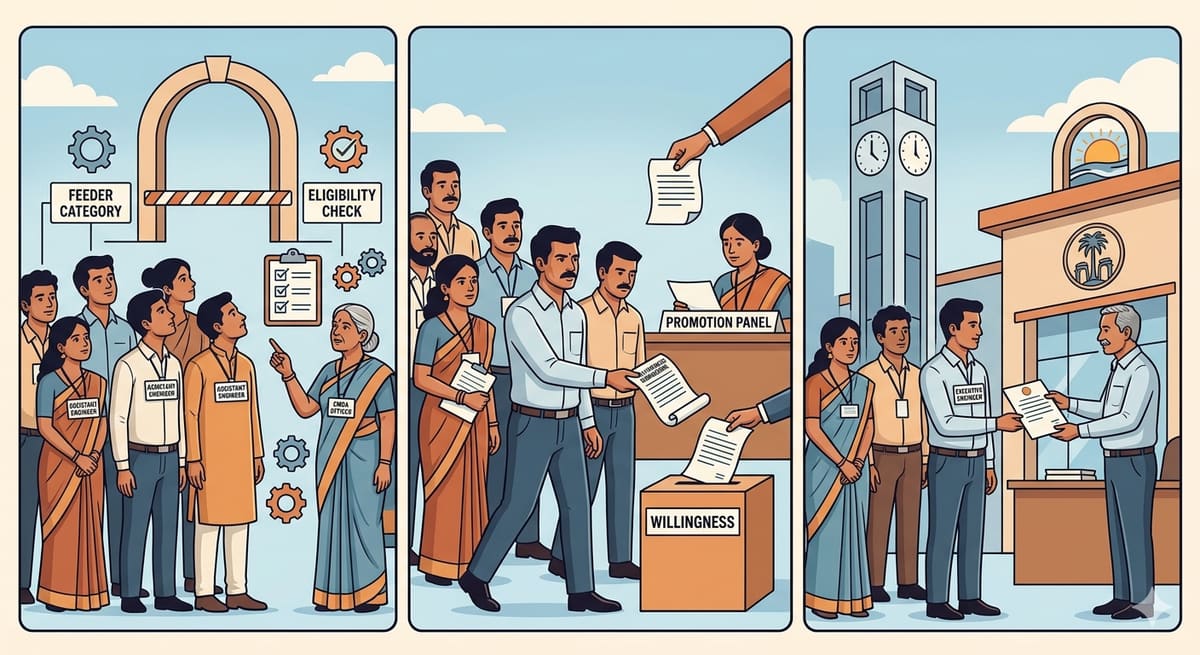
CMDA Service Regulations | Promotion Not Automatic; Willingness Submission & Feeder Category Compliance Mandatory : Madras HC
Case Law Analysis
|Madras High Court

CMDA Service Regulations | Promotion Not Automatic; Willingness Submission & Feeder Category Compliance Mandatory : Madras HC

Madras High Court rules that promotion under Chennai Metropolitan Development Authority Regulations requires active submission of willingness and strict adherence to feeder category requirements. The judgment underscores that service rules do not guarantee time-bound elevation, impacting government employees seeking career progression under administrative regulations.

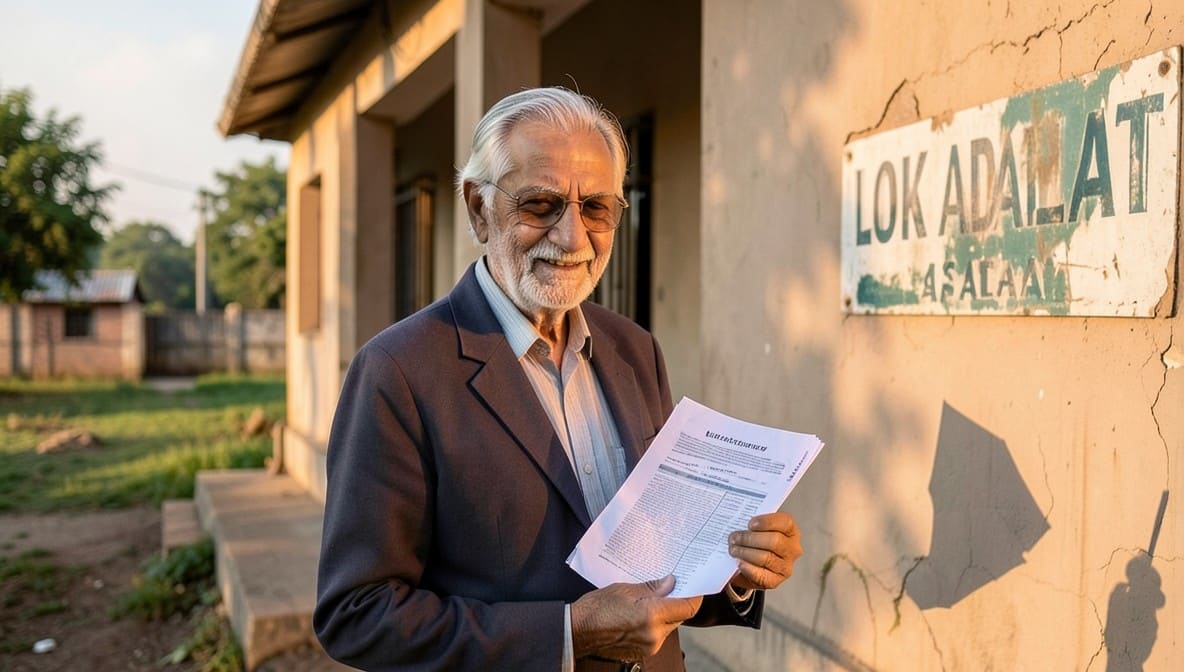
Lok Adalat Award Enforceable as Writ Mandate | Non-Compliance Violates Constitutional Rights : Jharkhand HC
Case Law Analysis
|Jharkhand High Court

Lok Adalat Award Enforceable as Writ Mandate | Non-Compliance Violates Constitutional Rights : Jharkhand HC

Jharkhand High Court rules that failure to implement a Lok Adalat award under the Legal Services Authorities Act within the stipulated deadline amounts to a violation of constitutional rights. The court directed the state to comply within four weeks, with 6% interest from the award date, reinforcing that writ jurisdiction can directly enforce statutory settlements.

Article 226 | Admitted MGNREGS Dues Entitle Contractor to Mandamus Despite Alternate Remedies: Andhra Pradesh HC
Case Law Analysis
|Andhra Pradesh High Court

Article 226 | Admitted MGNREGS Dues Entitle Contractor to Mandamus Despite Alternate Remedies: Andhra Pradesh HC

The Andhra Pradesh High Court ruled that non-payment of admitted dues under MGNREGS constitutes arbitrary state action, justifying a writ of mandamus under Article 226 even when statutory remedies exist. The judgment reinforces contractors' rights to seek judicial intervention for unpaid government dues, setting a precedent for similar disputes.

Article 226 | High Courts Cannot Mandate Filing of Charge Sheets During Ongoing Police Investigation: Andhra Pradesh HC
Case Law Analysis
|Andhra Pradesh High Court

Article 226 | High Courts Cannot Mandate Filing of Charge Sheets During Ongoing Police Investigation: Andhra Pradesh HC

The Andhra Pradesh High Court has ruled that writ jurisdiction under Article 226 cannot be invoked to compel police to file a charge sheet before investigation concludes, safeguarding the investigative autonomy of law enforcement. While denying the petitioner’s demand for immediate action, the court ordered expedited probe completion within 60-75 days, reinforcing that judicial oversight must not substitute procedural diligence with premature intervention.