Topic

ultra vires

Ultra vires refers to actions or rules by authorities that exceed their legal powers under Indian statutes or constitutional provisions. This page provides latest judgments, case analyses.

13 articlesLatest October 2026
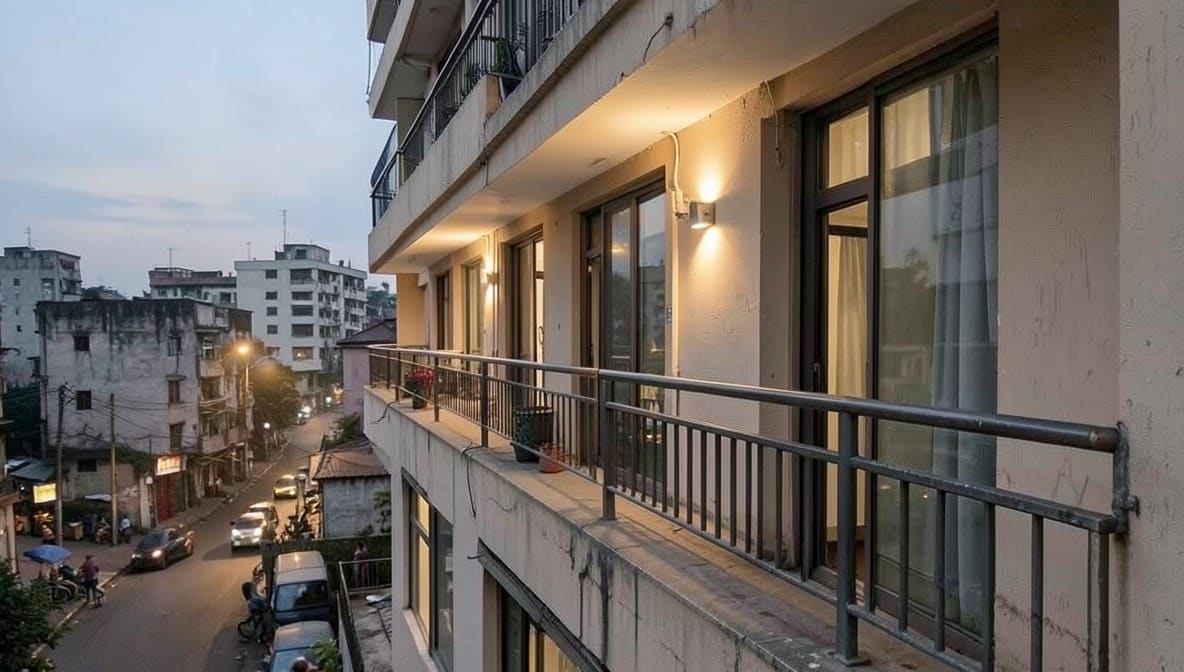
Senior Citizens Act Allows Tribunals to Order Eviction for Protection | Rejecting DV Act Challenge to Shared Household : Delhi HC
Case Law Analysis
|Delhi High Court

Senior Citizens Act Allows Tribunals to Order Eviction for Protection | Rejecting DV Act Challenge to Shared Household : Delhi HC

The Delhi High Court upheld the eviction provisions under the Senior Citizens Act, confirming that tribunals may direct a respondent to vacate premises to protect a senior citizen’s life and property. It clarified that such orders do not infringe the Domestic Violence Act’s shared household safeguard, impacting seniors facing abuse from co-habitants.
Section 17 of Maintenance Act Ultra Vires of Section 30 Advocates Act - Senior Citizens Entitled to Legal Representation before Maintenance Tribunal : Calcutta HC
Case Law Analysis
|Calcutta High Court

Section 17 of Maintenance Act Ultra Vires of Section 30 Advocates Act - Senior Citizens Entitled to Legal Representation before Maintenance Tribunal : Calcutta HC

The Calcutta High Court ruled that Section 17 of the Maintenance and Welfare of Parents and Senior Citizens Act, 2007 exceeds the scope of Section 30 of the Advocates Act, 1961, thereby affirming the right of senior citizens to be represented by a chosen advocate before the Maintenance Tribunal. This ensures tribunals cannot deny legal counsel, strengthening procedural safeguards for elderly litigants.

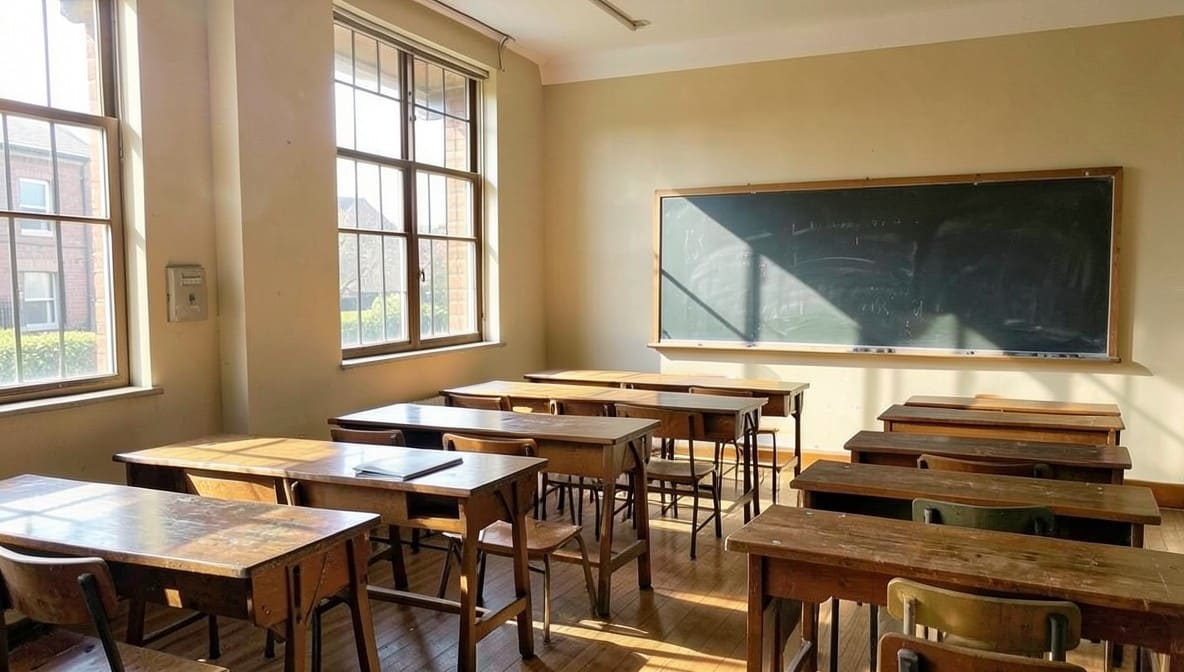
Officiating Headmaster Handover | No Statutory Power to Appoint Ad Hoc Principal Without Committee of Management : Allahabad HC
Case Law Analysis
|Allahabad High Court

Officiating Headmaster Handover | No Statutory Power to Appoint Ad Hoc Principal Without Committee of Management : Allahabad HC

The Allahabad High Court quashed orders directing an officiating headmaster to surrender charge to an ad hoc principal, ruling that government officials cannot assume the statutory functions of a non-existent Committee of Management. This sets a critical precedent for school governance: administrative actions in educational institutions require compliance with statutory bodies, not unilateral directives.

Legitimate Expectation in Public Tenders | Authorities Cannot Unilaterally Reduce Mela Duration After Bidder’s Reliance : MP HC Gwalior
Case Law Analysis
|Madhya Pradesh High Court

Legitimate Expectation in Public Tenders | Authorities Cannot Unilaterally Reduce Mela Duration After Bidder’s Reliance : MP HC Gwalior

The Madhya Pradesh High Court has ruled that once a bidder relies on tender conditions-such as a guaranteed 45-day mela duration-the government cannot arbitrarily shorten it. This reinforces the principle of legitimate expectation in public procurement, protecting contractors who invest time and capital based on official terms, and sets a precedent for enforcing contractual integrity against administrative overreach.

Locus Standi Expires with Tenure | Former Chairperson of Haj Committee Cannot Challenge Post-Tenure Appointment Under Haj Committee Act, 2002 : MP HC Gwalior
Case Law Analysis
|Madhya Pradesh High Court

Locus Standi Expires with Tenure | Former Chairperson of Haj Committee Cannot Challenge Post-Tenure Appointment Under Haj Committee Act, 2002 : MP HC Gwalior

The Madhya Pradesh High Court holds that once a public officeholder's tenure ends, they lose all legal standing to challenge subsequent appointments-even if the appointment is allegedly ultra vires. This clarifies that only current officeholders or directly affected parties may seek judicial review of administrative appointments, reinforcing the principle that standing is tied to present legal interest, not past office.

Explosives Act Section 5 | State Cannot Impose Additional Licensing Conditions Beyond Central Rules : Gujarat HC Strikes Down Ultra Vires SOP
Case Law Analysis
|Gujarat High Court

Explosives Act Section 5 | State Cannot Impose Additional Licensing Conditions Beyond Central Rules : Gujarat HC Strikes Down Ultra Vires SOP

Gujarat High Court rules that District Collectors lack authority to impose extra licensing conditions for fireworks manufacturing beyond those prescribed in the Explosives Rules, 2008. The court quashed the state government's Standard Operating Procedure (SOP) dated 21.08.2025 as ultra vires Section 5 of the Explosives Act, reinforcing that rule-making power rests solely with the Central Government. The judgment directs fresh disposal of pending applications within six weeks, setting a precedent against administrative overreach in licensing matters.