
Topic

Temple Management

Temple management in India involves legal disputes over administration, charitable trusts, and religious practices governed by the Code of Civil Procedure, particularly Section 92, and constitutional provisions like Article 226.

5 articlesLatest May 2026
Section 92 CPC | Constructive Trust Recognized for Ancient Temple Without Formal Deed, Affirming Public Interest Over Proprietary Claims : Allahabad HC
Case Law Analysis
|Allahabad High Court

Section 92 CPC | Constructive Trust Recognized for Ancient Temple Without Formal Deed, Affirming Public Interest Over Proprietary Claims : Allahabad HC

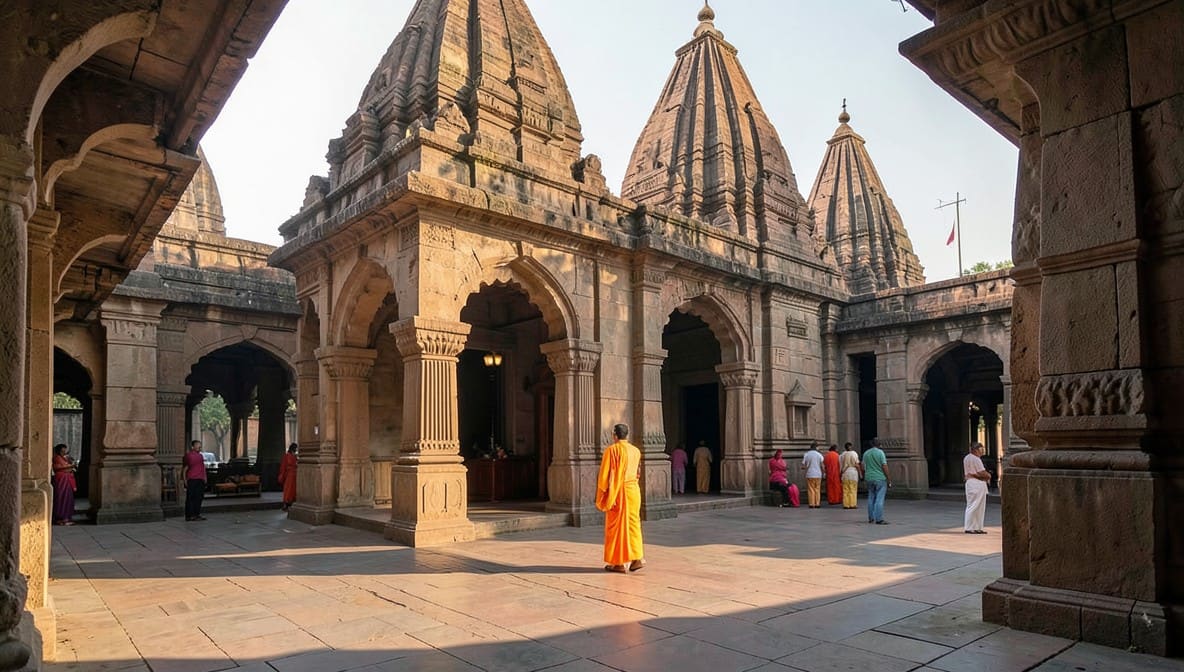
The Allahabad High Court held that a centuries-old public temple, though lacking formal trust deeds, qualifies as a public religious trust under Section 92 CPC, with constructive trust established through long-standing public use and revenue records. This ruling empowers community custodians to seek judicial protection against private encroachment, reinforcing that public religious property cannot be claimed through mere possession or familial succession.
CrPC Section 145 | Writ Petition Under Article 226 Barred Without Exhausting Civil Remedy Under CPC Section 92 : Allahabad HC
Case Law Analysis
|Allahabad High Court

CrPC Section 145 | Writ Petition Under Article 226 Barred Without Exhausting Civil Remedy Under CPC Section 92 : Allahabad HC

Allahabad High Court reinforces the doctrine of exhaustion of alternative remedies by dismissing a writ petition challenging temple attachment under CrPC Section 145. The court held that civil disputes involving temple management must first be adjudicated under Section 92 CPC before invoking writ jurisdiction, impacting religious institutions and property disputes.

Constructive Res Judicata Bars New Mohtamin Claim After Final Adjudication : HP HC
Case Law Analysis
|Himachal Pradesh High Court

Constructive Res Judicata Bars New Mohtamin Claim After Final Adjudication : HP HC

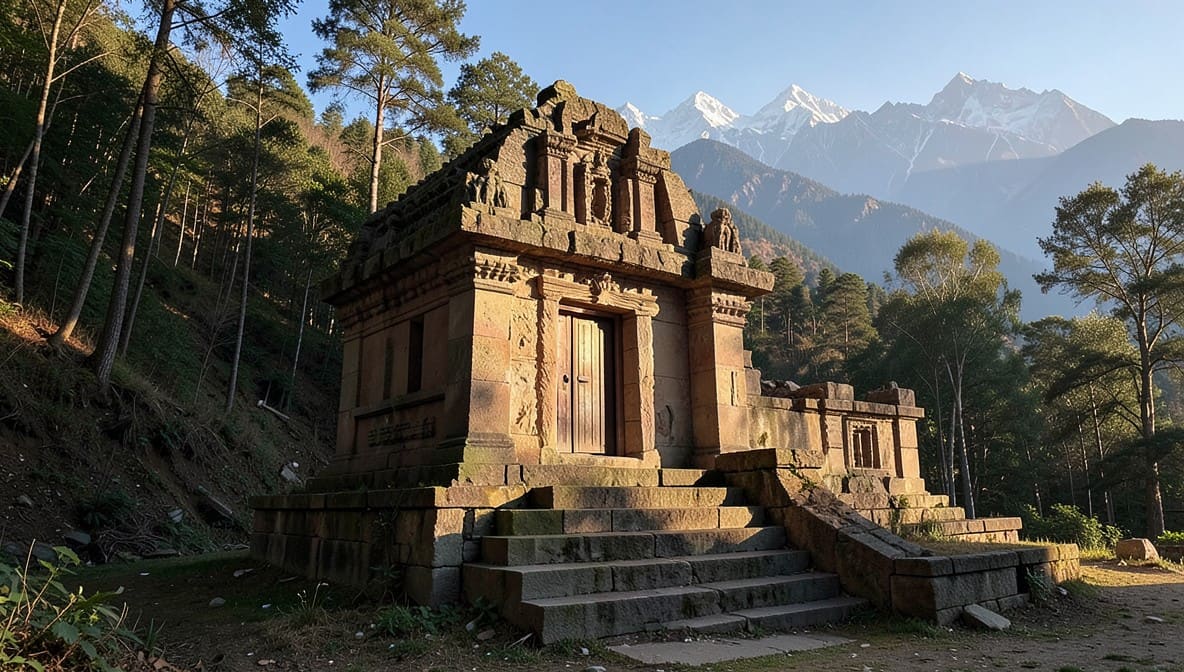
The Himachal Pradesh High Court ruled that once a temple dispute is finally adjudicated, a petitioner cannot raise a new claim of Mohtamin status, invoking constructive res judicata, limitation, and the clean hands doctrine. The decision reinforces that writ jurisdiction under Article 226 cannot be used to reopen settled disputes, affecting stakeholders in temple management and similar public endowment cases.