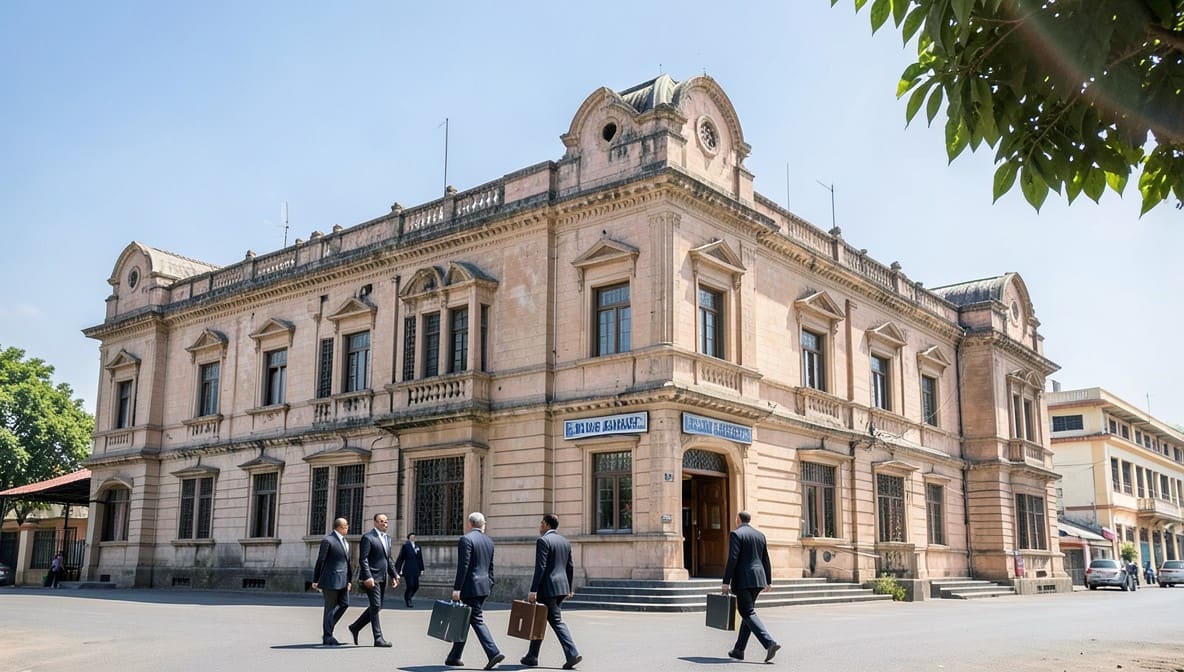
The Allahabad High Court has affirmed that a public religious temple, even without formal trust deeds or documented succession, may be governed by an implied constructive trust under Section 92 of the Code of Civil Procedure when its management is misappropriated by private claimants. This ruling reinforces the principle that public religious property cannot be privately claimed merely through revenue entries or familial assertions.
Background & Facts
The Dispute
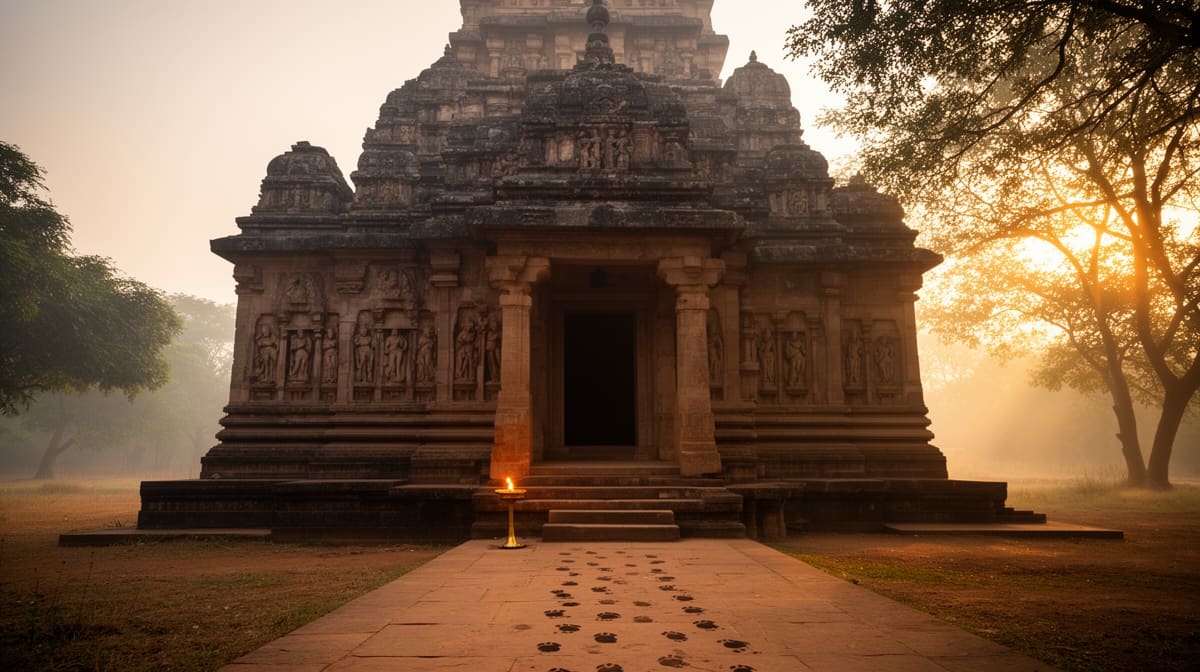
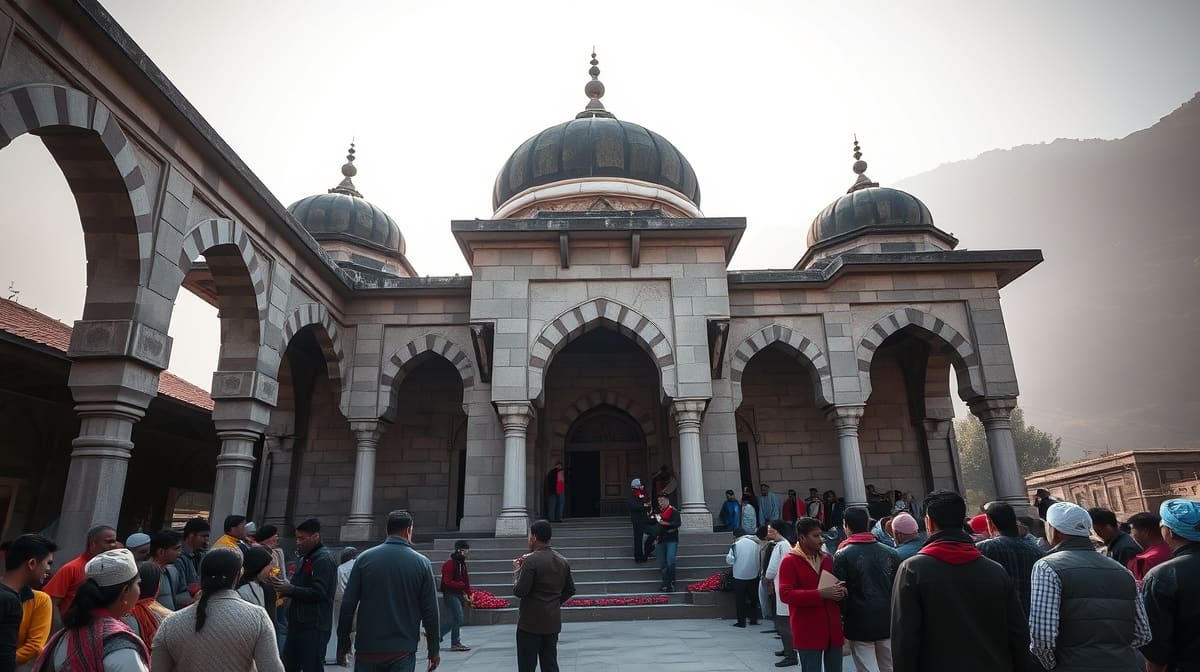
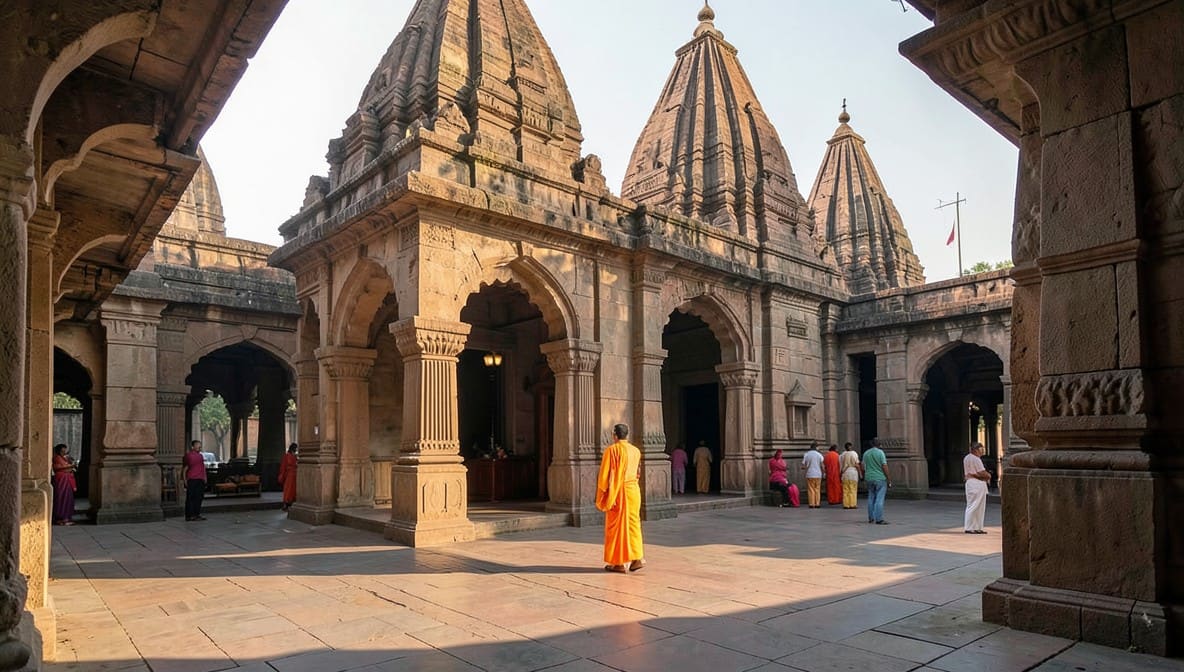
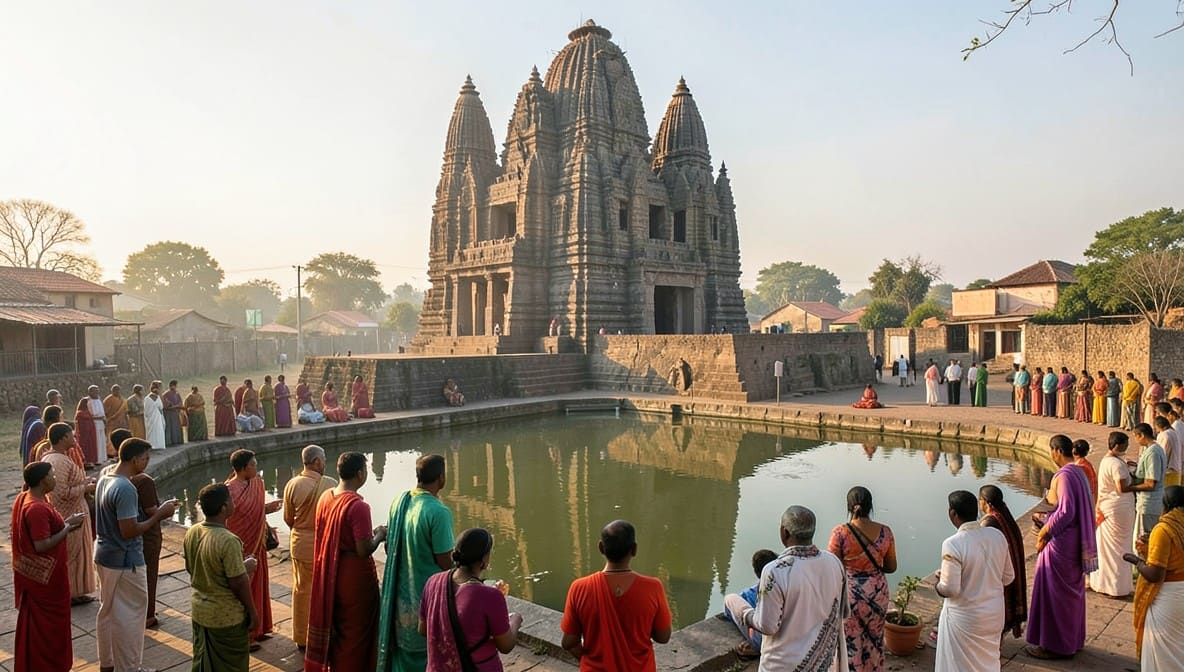
The dispute centers on the Shri Ram Chandra Ji Maharaj Mandir Ramtal, a centuries-old temple located in village Aheripur, District Etawah, Uttar Pradesh. The temple, which has been in continuous public use for approximately a hundred years, is associated with a large pond and surrounding land recorded in multiple revenue entries. The plaintiffs, comprising the temple itself and six individuals including Sadhu Sanyasis of the Bairagi sect, allege that the temple’s management and property have been unlawfully usurped by the Maheshwari family, who claim ownership through a disputed Will and revenue records.
Key Facts
- The temple has been managed historically by unmarried Sadhu Sanyasis of the Bairagi sect, following the Guru-chela tradition.
- The land on which the temple and pond stand is recorded in four revenue gatas: Gata No. 396 (71 decimals), Gata No. 199 (1 acre 12 decimals), Gata No. 507 (1 acre 24 decimals), and Gata No. 550 (62 decimals).
- A plot in the abadi area of Aheripur, upon which two shops stand, is also claimed as temple property.
- Ram Swaroop, son of Bhagwandas, a resident of Kanpur Nagar and a householder, was recorded as Sarvarakar in revenue records around 40 years ago, despite not being a Bairagi Sanyasi and having no physical presence in the village.
- Ram Swaroop executed a Will dated 21.12.1976, bequeathing temple management and property to his grandson, Sushil Chandra Maheshwari.
- Sushil Maheshwari, the original defendant, resided in Chennai for 30 - 40 years and visited Aheripur only once or twice annually.
- On 26.03.2002, the Naib Tehsildar, Bharthana, accepted Sushil Maheshwari’s application under Section 34 of the Land Revenue Act to record his name as Sarvarakar.
- This order was overturned by the Additional Commissioner, Kanpur Zone, on 28.02.2007, but the Naib Tehsildar’s entry remained in effect.
- After Ram Swaroop’s death, Sushil Maheshwari assumed control, appointing successive priests (Nepali Baba, Irendra Das, Jeetu Gaur) to manage daily rituals.
- In 2020, Sushil Maheshwari handed over temple keys to Shyamsundar Das, who allegedly turned the temple into a hub of criminal activity.
- Sushil Maheshwari died during litigation and was substituted by his sons, Amit and Anup Kumar (Respondents 1/1 and 1/2).
- The plaintiffs allege that the defendants have no intention of managing the temple but seek to sell its land and shops.
Procedural History
- 2021: Original suit under Section 92 CPC filed by plaintiffs seeking leave to institute a suit for framing a management committee.
- 13.01.2026: Additional District Judge, Etawah, dismissed the application for leave under Section 92 CPC, holding that no express or implied trust was established.
- 14.05.2026: First Appeal From Order No. 1018 of 2026 filed before the Allahabad High Court.
The Parties' Positions
Plaintiffs/Appellants:
- Argue the temple is a public religious trust with centuries of public worship.
- Assert that revenue entries do not confer ownership and that Sarvarakarship must be determined by civil court under tradition and law.
- Claim the Maheshwaris are outsiders with no religious or cultural connection to the temple’s tradition.
- Cite the doctrine of constructive trust under Section 92 CPC and the Trusts Act, 1882.
Defendants/Respondents:
- Claim the temple and land were constructed and owned by their ancestors.
- Rely on the 1976 Will executed by Ram Swaroop as the legal basis for succession.
- Argue that the temple is open to the public but privately owned by the Maheshwari family.
- Contend that the plaintiffs are colluding with criminal elements to seize temple property.
- Cite Janardan Dagdu Khomane and Bishwanath to argue that Section 92 CPC does not apply to suits for declaration of title.
Relief Sought
The plaintiffs seek:
- Leave to institute a suit under Section 92 CPC.
- Appointment of a court-supervised management committee for the temple.
- Prevention of alienation or sale of temple property.
- Restoration of proper religious administration in accordance with tradition.
The Legal Issue
The central question was whether Section 92 of the Code of Civil Procedure permits a suit for the appointment of a management committee when a public religious temple, though lacking formal trust documentation, has been historically maintained for public worship and is now allegedly mismanaged by private claimants who hold revenue entries but no traditional or religious authority.
Arguments Presented
For the Appellant/Petitioner
The appellants relied on Ambrish Kumar Singh v. Raja Abhushan Bran Bramhshah to argue that at the leave stage under Section 92 CPC, the court need not adjudicate rights but only determine whether a prima facie case of public trust exists. They emphasized that the temple’s century-long public use, absence of any prior documented Sarvarakar before Ram Swaroop, and the fact that the Maheshwaris are non-resident householders with no religious lineage establish an implied trust. They invoked Operation Asha v. Shelly Batra to assert that a constructive trust arises when fiduciary control is exercised over property held for public religious purposes, regardless of intent. They further cited Gyan Prakash Chaurasia to underscore that Section 92 CPC is designed to protect public rights in religious trusts, not private claims.
For the Respondent/State
The respondents contended that the temple is a private family property open to the public, not a public trust. They relied on Bishwanath v. Sri Thakur Radha Ballabhli to argue that Section 92 CPC does not cover suits for declaration of title or possession, which they claimed the plaintiffs were effectively seeking. They cited Janardan Dagdu Khomane to assert that constructive trust requires clear fiduciary breach, which they denied. They maintained that the 1976 Will and revenue entries confer legal ownership, and that the plaintiffs’ allegations of mismanagement were unsubstantiated and motivated by malice.
The Court's Analysis
The Court undertook a detailed examination of the nature of Section 92 CPC and the doctrine of constructive trust. It noted that while the appellants did not produce formal trust deeds or historical records of prior Sarvarakars, the undisputed fact that the temple has been used by the public for approximately a hundred years, and that the Maheshwari family has no traditional or religious connection to the Bairagi sect, strongly supports the existence of a public religious purpose.
"The function of the court at the leave stage under Section 92 CPC is not to decide ownership, but to determine whether there is a prima facie case that the property is held for public religious purposes and that the current management may be in breach of that trust."
The Court rejected the respondents’ reliance on Bishwanath, distinguishing it on the ground that the present suit was not seeking title or possession, but rather the appointment of a management committee under Section 92(1)(b) and (g). It held that the respondents’ claim of ownership through revenue entries and a Will did not override the public character of the temple, especially where the alleged owner had no physical presence or religious role.
The Court further affirmed the principle from Operation Asha that a constructive trust arises by operation of law when property held for public benefit is controlled by someone who cannot conscientiously retain it. The Maheshwaris, as non-resident householders with no spiritual lineage, were deemed to hold the temple property in a fiduciary capacity, even if unintentionally, given its public use.
The Court emphasized that Section 92 CPC was amended in 1976 to replace the Advocate-General’s consent with court leave precisely to enable public-spirited litigants to protect religious trusts from private encroachment. The absence of formal documentation does not negate the existence of a trust where public use and tradition are established.
The Verdict
The appeal was allowed. The High Court set aside the order dated 13.01.2026 of the Additional District Judge, Etawah, and granted leave to the plaintiffs to institute a suit under Section 92 CPC. The Court directed that a management committee be constituted under court supervision to oversee the temple’s administration, including rituals, finances, and property maintenance. The respondents were restrained from alienating, selling, or mortgaging any temple property until the final adjudication of the suit. The Court further directed that the petitioners file the main suit within 60 days of this order.
What This Means For Similar Cases
Constructive Trusts Can Arise Without Formal Documentation
- Practitioners must now argue that long-standing public use, absence of traditional succession, and non-resident control can establish a constructive trust under Section 92 CPC.
- Revenue entries alone cannot override the public character of religious property.
Leave Under Section 92 CPC Is a Prima Facie Threshold
- Courts must not require conclusive proof of trust at the leave stage.
- The burden is on the respondent to show the property is not held for public religious purposes.
Family Ownership Claims Are Insufficient Against Public Use
- Even if a family constructed the temple or holds revenue records, they cannot claim exclusive ownership if the property has been used by the public for generations.
- The doctrine of constructive trust applies regardless of intent, as long as fiduciary control over public religious property is exercised.
Actionable Takeaways for Practitioners
- In temple disputes, focus on historical public use, not just title documents.
- Cite Operation Asha and Ambrish Kumar Singh to establish the prima facie standard.
- Frame Section 92 suits to seek management committees, not title declarations, to avoid dismissal under Bishwanath.
- Always include allegations of mismanagement or alienation to satisfy the breach requirement under Section 92(1).