Topic

Taxation Law

Taxation Law in India governs the levy and collection of taxes such as GST, excise, and service tax under central and state statutes, with frequent judicial interpretations shaping compliance and liability.

113 articlesLatest July 2026
ITAT Jaipur | Non-Application of Mind by AO Invalidates Section 153C Assessment
|Income Tax Appellate Tribunal

ITAT Jaipur | Non-Application of Mind by AO Invalidates Section 153C Assessment

ITAT Jaipur quashed an assessment under Section 153C of the Income Tax Act, 1961, after finding the Assessing Officer failed to apply mind while recording satisfaction. The ruling underscores strict compliance with statutory prerequisites for invoking Section 153C, impacting pending and future assessments based on similar jurisdictional flaws.

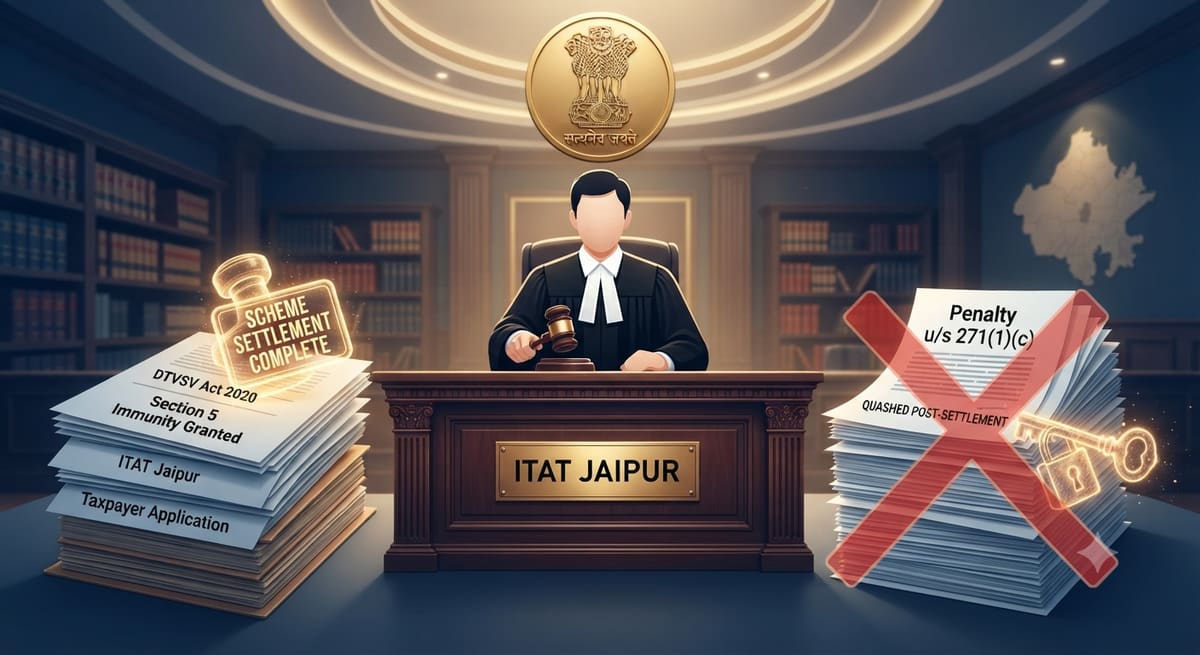
DTVSV Act 2020 Section 5 Immunity | Penalty u/s 271(1)(c) Quashed Post-Scheme Settlement : ITAT Jaipur
Case Law Analysis
|Income Tax Appellate Tribunal

DTVSV Act 2020 Section 5 Immunity | Penalty u/s 271(1)(c) Quashed Post-Scheme Settlement : ITAT Jaipur

The ITAT Jaipur bench quashed penalty under Section 271(1)(c) after the assessee settled quantum dispute under the Direct Tax Vivad Se Vishwas Scheme 2020, holding that Section 5 grants immunity from penalty post-scheme settlement. This ruling clarifies that penalty proceedings cannot survive once a dispute is resolved under the DTVSV Act.

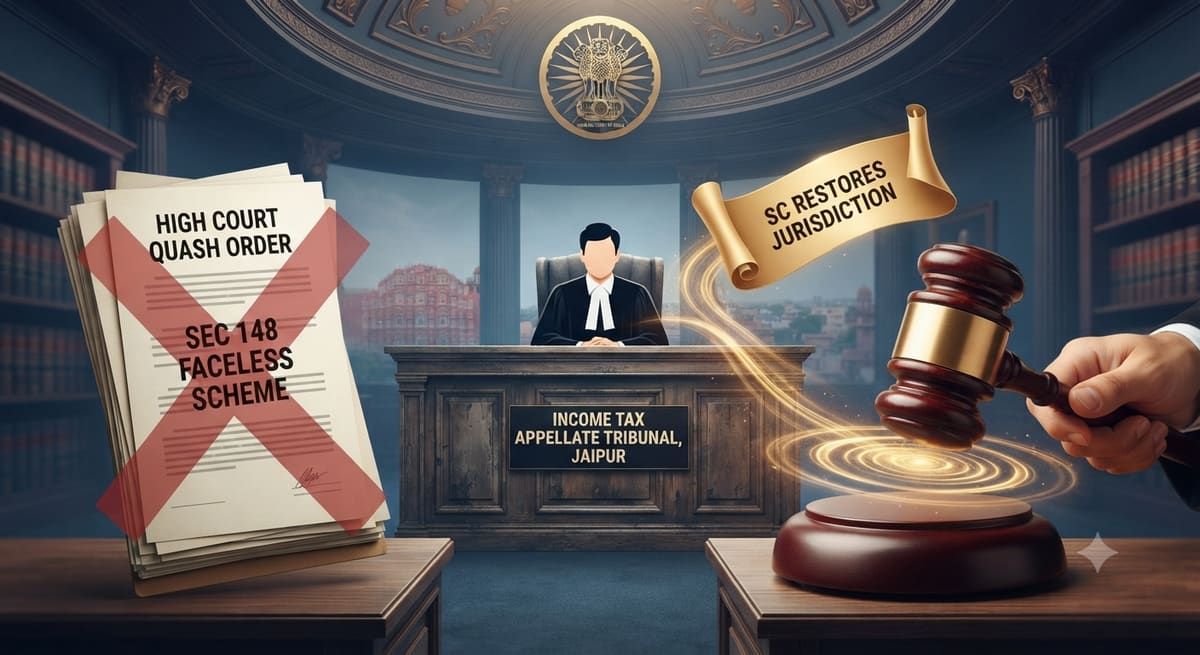
SC Restores ITAT Jaipur’s Reassessment Jurisdiction After HC Quash | Section 148 Faceless Scheme : ITAT Jaipur
Case Law Analysis
|Income Tax Appellate Tribunal

SC Restores ITAT Jaipur’s Reassessment Jurisdiction After HC Quash | Section 148 Faceless Scheme : ITAT Jaipur

Supreme Court set aside a Rajasthan High Court order quashing a Section 148 reassessment notice, restoring the Income Tax Appellate Tribunal Jaipur’s jurisdiction to re-examine the case under the Faceless Assessment Scheme. The ruling clarifies that appellate jurisdiction under the Act remains distinct from writ jurisdiction, impacting reassessment proceedings pending before ITAT.

7-Day Compliance Period Mandatory Under Section 148A IT Act | Kolkata ITAT Quashes Reassessment Notices : ITAT Kolkata
Case Law Analysis
|Income Tax Appellate Tribunal

7-Day Compliance Period Mandatory Under Section 148A IT Act | Kolkata ITAT Quashes Reassessment Notices : ITAT Kolkata

Kolkata ITAT quashed reassessment notices under Section 148A for failing to provide the mandatory 7-day compliance period and unsigned notices, reinforcing strict procedural safeguards in tax reassessment. The ruling underscores the importance of adherence to statutory timelines for notices issued under the Income Tax Act, impacting future reassessment proceedings.

Section 13(1)(c)(ii) IT Act | Refund of CSR Funds to Donor Does Not Constitute Direct/Indirect Benefit : ITAT Delhi
Case Law Analysis
|Income Tax Appellate Tribunal

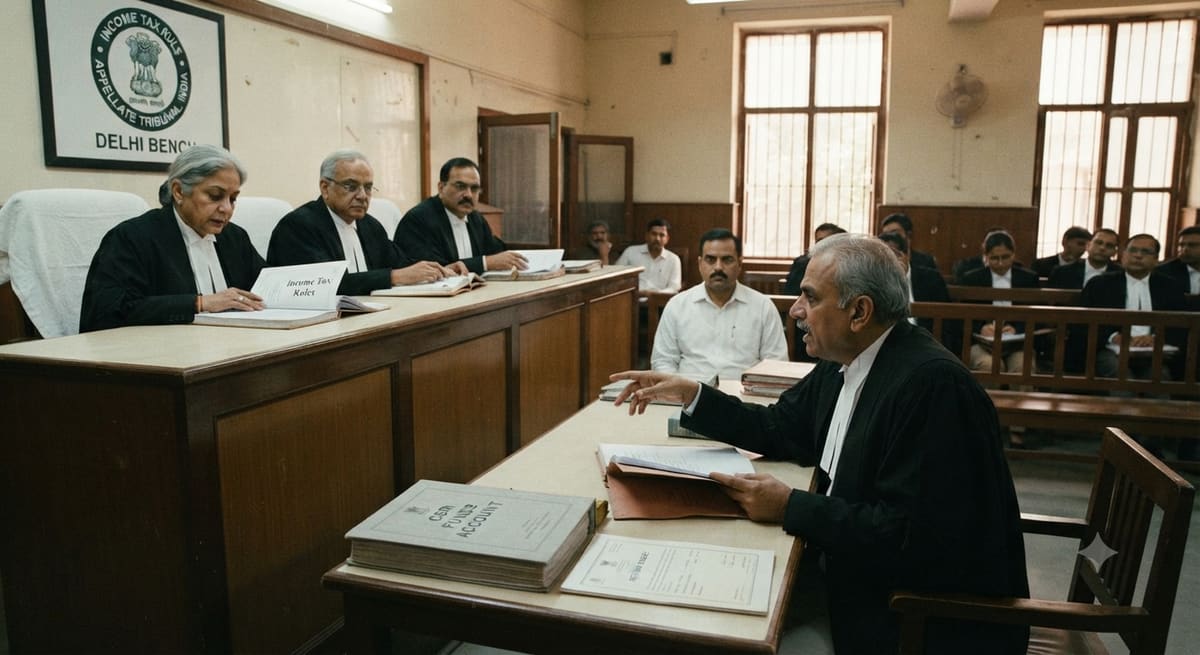
Section 13(1)(c)(ii) IT Act | Refund of CSR Funds to Donor Does Not Constitute Direct/Indirect Benefit : ITAT Delhi

The ITAT Delhi has ruled that returning excess CSR funds to the original donor does not violate Section 13(1)(c)(ii) of the Income Tax Act, as it lacks the element of benefit to a prohibited person. This clarifies that charitable trusts can return unutilized corporate donations without forfeiting their tax exemption under Section 11, providing critical relief to NGOs managing CSR compliance.

Cenvat Credit Rules, 2004 | Credit Permitted for Reverse Charge on Imported Services Before July 2012: CESTAT
Case Law Analysis
|Custom, Excise & Service Tax Tribunal

Cenvat Credit Rules, 2004 | Credit Permitted for Reverse Charge on Imported Services Before July 2012: CESTAT

CESTAT has ruled that taxpayers could lawfully utilize Cenvat credit to discharge service tax liability under the reverse charge mechanism for imported services prior to July 2012, overturning departmental demands and clarifying a critical ambiguity in pre-GST compliance. This decision protects businesses that relied on existing rules and sets a precedent for retrospective interpretation of credit utilization in indirect tax regimes.

Section 65(105)(zzzm) Finance Act | Municipal Corporations Exempt from Service Tax on Advertisement Space Sales Pre-2012: CESTAT Chandigarh
Case Law Analysis
|Custom, Excise & Service Tax Tribunal

Section 65(105)(zzzm) Finance Act | Municipal Corporations Exempt from Service Tax on Advertisement Space Sales Pre-2012: CESTAT Chandigarh

CESTAT Chandigarh ruled that municipal corporations do not qualify as 'persons' under Section 65(105)(zzzm) of the Finance Act, 1994, for the period before 01.07.2012, exempting them from service tax on advertisement space sales. The decision sets a precedent for statutory interpretation of taxable entities, impacting revenue disputes involving constitutional bodies.

Service Tax Exemption for Railway Projects | Notification 25/2012 Covers Both Public and Private Use: CESTAT Chandigarh
Case Law Analysis
|Custom, Excise & Service Tax Tribunal

Service Tax Exemption for Railway Projects | Notification 25/2012 Covers Both Public and Private Use: CESTAT Chandigarh

CESTAT Chandigarh has ruled that services related to railway infrastructure qualify for exemption under Notification 25/2012 regardless of whether the project serves public or private interests, clarifying that the exemption is not contingent on ownership or end-use. This decision shields project consultants and agents from service tax liability in railway development, offering critical relief to private contractors and public-sector partners alike.