Topic

student rights

Student rights in Indian law protect access to education, fair academic procedures, and the non-withholding of certificates or degrees for unrelated financial disputes.

21 articlesLatest July 2026
Academic Progression Overrides Semester Backlog | Kerala HC Rules B.Pharm Students Eligible for Final Exam Despite Seventh Semester Failure : Kerala HC
Case Law Analysis
|Kerala High Court

Academic Progression Overrides Semester Backlog | Kerala HC Rules B.Pharm Students Eligible for Final Exam Despite Seventh Semester Failure : Kerala HC

Kerala High Court held that B.Pharm students who cleared all prior semesters must be permitted to appear for the final (eighth) semester exam, even if they failed one subject in the seventh semester. The ruling emphasizes academic progression over rigid backlog rules, setting a precedent for student rights in professional degree programs.


Article 21 & Right to Education | MBBS Student Cannot Be Denied Exam Appearance Due to Fee Arrears : AP HC
Case Law Analysis
|Andhra Pradesh High Court

Article 21 & Right to Education | MBBS Student Cannot Be Denied Exam Appearance Due to Fee Arrears : AP HC

Andhra Pradesh High Court reinforces that denying a student the right to appear for exams due to tuition fee arrears violates Articles 14 and 21 of the Constitution. The court directed the university to permit the student to take supplementary exams while mandating fee payment within three months, balancing institutional interests with fundamental rights.

Educational Institutions Cannot Withhold Original Academic Records for Unpaid Fees | Writ Petition Under Article 226 : Kerala HC
Case Law Analysis
|Kerala High Court

Educational Institutions Cannot Withhold Original Academic Records for Unpaid Fees | Writ Petition Under Article 226 : Kerala HC

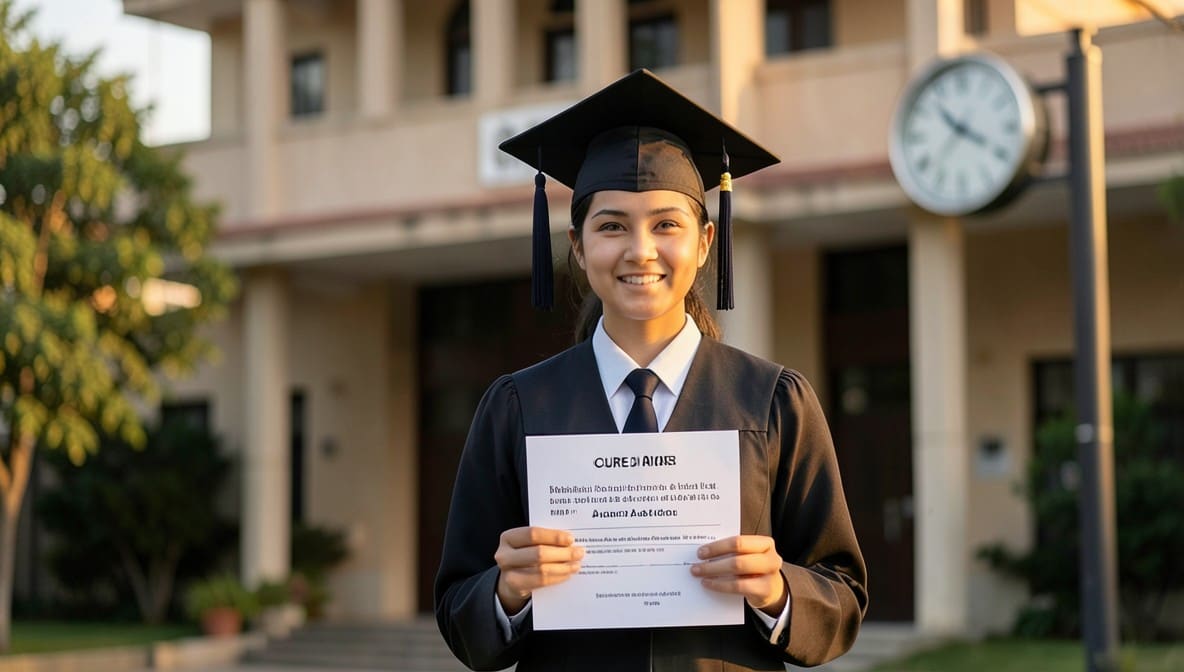
The Kerala High Court has ruled that retaining original academic documents like mark sheets, transfer certificates, and conduct certificates due to unpaid fees violates students' fundamental rights to education and dignity. This binding precedent empowers students to demand immediate return of their records, regardless of financial disputes, and holds institutions liable for obstructing academic continuity.

Medical Students' Original Documents Must Be Returned Within 2 Days of PG Allotment | Article 226 Mandamus Enforces Procedural Fairness : MP HC
Case Law Analysis
|Madhya Pradesh High Court

Medical Students' Original Documents Must Be Returned Within 2 Days of PG Allotment | Article 226 Mandamus Enforces Procedural Fairness : MP HC

The Madhya Pradesh High Court has mandated that all medical colleges return original academic documents to MBBS graduates within 48 hours of PG seat allotment, regardless of category, to prevent undue delay in higher education pursuits. This ruling reinforces the constitutional right to education under Article 21 and establishes a binding procedural standard for institutions across the state, ensuring students are not held hostage to administrative inertia.

Natural Justice in Regulatory Compliance | Late Fees Cannot Be Condition for Renewal of Law College Approval When Student Degrees Are at Stake : Allahabad HC
Case Law Analysis
|Allahabad High Court

Natural Justice in Regulatory Compliance | Late Fees Cannot Be Condition for Renewal of Law College Approval When Student Degrees Are at Stake : Allahabad HC

The Allahabad High Court has ruled that the Bar Council of India cannot withhold renewal of LL.B. course approvals merely because a college disputes late fees, mandating that mandatory fees be processed independently. This protects thousands of law students from academic disruption and affirms that regulatory bodies must separate procedural penalties from core educational rights under natural justice.

No Objection Certificate & Academic Documents | Educational Institutions Cannot Withhold Originals to Enforce Fee Claims : Karnataka HC
Case Law Analysis
|Karnataka High Court

No Objection Certificate & Academic Documents | Educational Institutions Cannot Withhold Originals to Enforce Fee Claims : Karnataka HC

The Karnataka High Court has ruled that educational institutions cannot withhold original academic documents or deny No Objection Certificates to students seeking transfer, even when fees are unpaid. This upholds the right to education and natural justice, ensuring that financial disputes do not block academic progression or future admissions.

Natural Justice in University Disciplinary Actions | Mere Scribbling on Palm Without Proof of Use Not Unfair Means : Uttarakhand HC Quashes Debarment
Case Law Analysis
|Uttarakhand High Court

Natural Justice in University Disciplinary Actions | Mere Scribbling on Palm Without Proof of Use Not Unfair Means : Uttarakhand HC Quashes Debarment

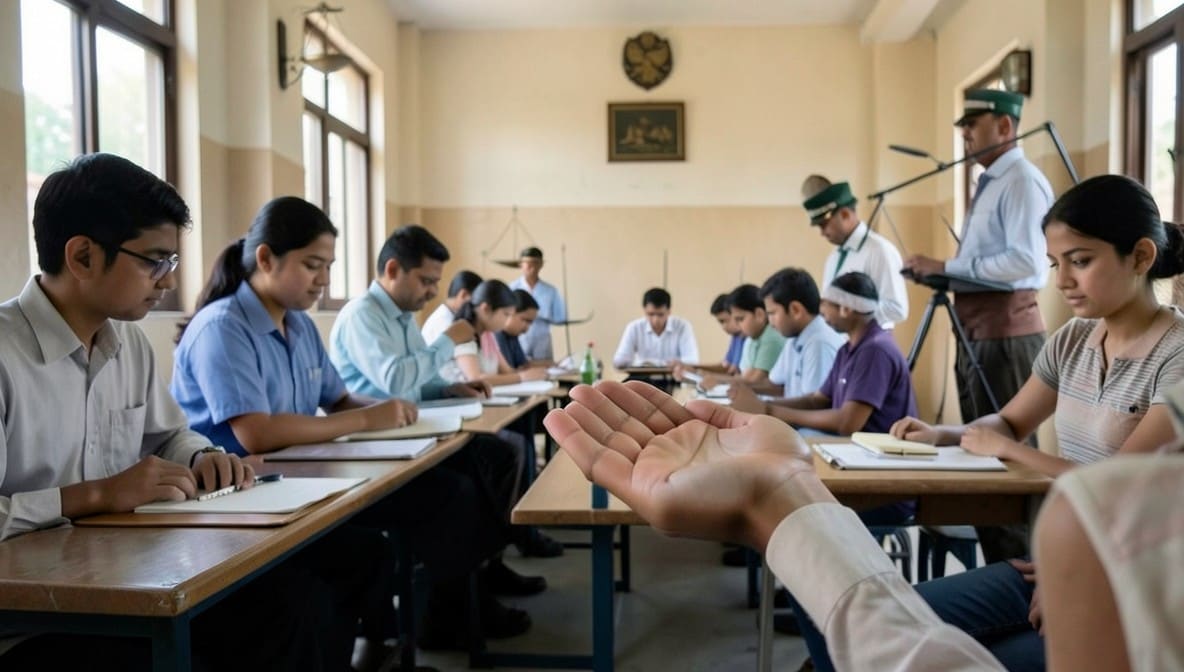
Uttarakhand High Court reinforces that disciplinary actions in universities must be evidence-based, holding that mere scribbling on a palm without proof of actual use in exams does not constitute unfair means. The ruling sets a precedent for protecting student rights against arbitrary academic penalties.

MSVE-2016 | 75% Attendance Rule Cannot Bar Academic Continuity When Delay Is Beyond Student’s Control: Allahabad HC
Case Law Analysis
|Allahabad High Court

MSVE-2016 | 75% Attendance Rule Cannot Bar Academic Continuity When Delay Is Beyond Student’s Control: Allahabad HC

The Allahabad High Court ruled that rigid enforcement of the 75% attendance requirement under MSVE-2016 violates the fundamental right to education when a student’s delay is due to circumstances beyond their control. This sets a precedent for sympathetic interpretation of academic regulations in veterinary and medical education, ensuring no student is arbitrarily dropped from a course for procedural non-compliance without individualized consideration.

Right to Education Under Article 21 | SARFAESI Enforcement Paused to Allow School Exams : Allahabad HC
Case Law Analysis
|Allahabad High Court

Right to Education Under Article 21 | SARFAESI Enforcement Paused to Allow School Exams : Allahabad HC

The Allahabad High Court has ruled that pending SARFAESI proceedings cannot disrupt school examinations when children's right to education is at stake. This sets a critical precedent that fundamental rights override asset recovery processes in educational settings, protecting over a hundred students and their teachers from abrupt institutional disruption.

Article 14 & 300A | Withholding Original Academic Certificates for Unpaid Fees Violates Constitutional Rights : Telangana HC
Case Law Analysis
|Telangana High Court

Article 14 & 300A | Withholding Original Academic Certificates for Unpaid Fees Violates Constitutional Rights : Telangana HC

Telangana High Court holds that retaining original academic certificates as security for unpaid fees is illegal, arbitrary, and violates Articles 14 (equality) and 300A (right to property). The court directed immediate return of documents within one week, reinforcing that educational institutions cannot use coercive measures to recover dues.

Academic Credentials Not Leverage for Fee Recovery | Madras HC Bars Withholding MBBS Degree for Unpaid 'Break Fees'
Case Law Analysis
|Madras High Court

Academic Credentials Not Leverage for Fee Recovery | Madras HC Bars Withholding MBBS Degree for Unpaid 'Break Fees'

Madras High Court holds that educational certificates, including MBBS degrees and transfer certificates, cannot be withheld as security for unpaid fees. The ruling reinforces that academic credentials are not marketable commodities and institutions must pursue fee recovery through separate legal proceedings, not coercive retention of documents.

Academic Certificates Not Marketable Commodities | Madras HC Bars Withholding of Documents for Unpaid Discontinuation Fees Under Education Law
Case Law Analysis
|Madras High Court

Academic Certificates Not Marketable Commodities | Madras HC Bars Withholding of Documents for Unpaid Discontinuation Fees Under Education Law

Madras High Court reinforces that educational institutions cannot retain academic certificates as leverage for unpaid fees, affirming that such retention violates student rights and settled legal principles. The ruling clarifies that certificates are not contractual securities and mandates their immediate release, impacting medical and dental education institutions across Tamil Nadu.