Topic

Section 9

13 articlesLatest 3 weeks ago
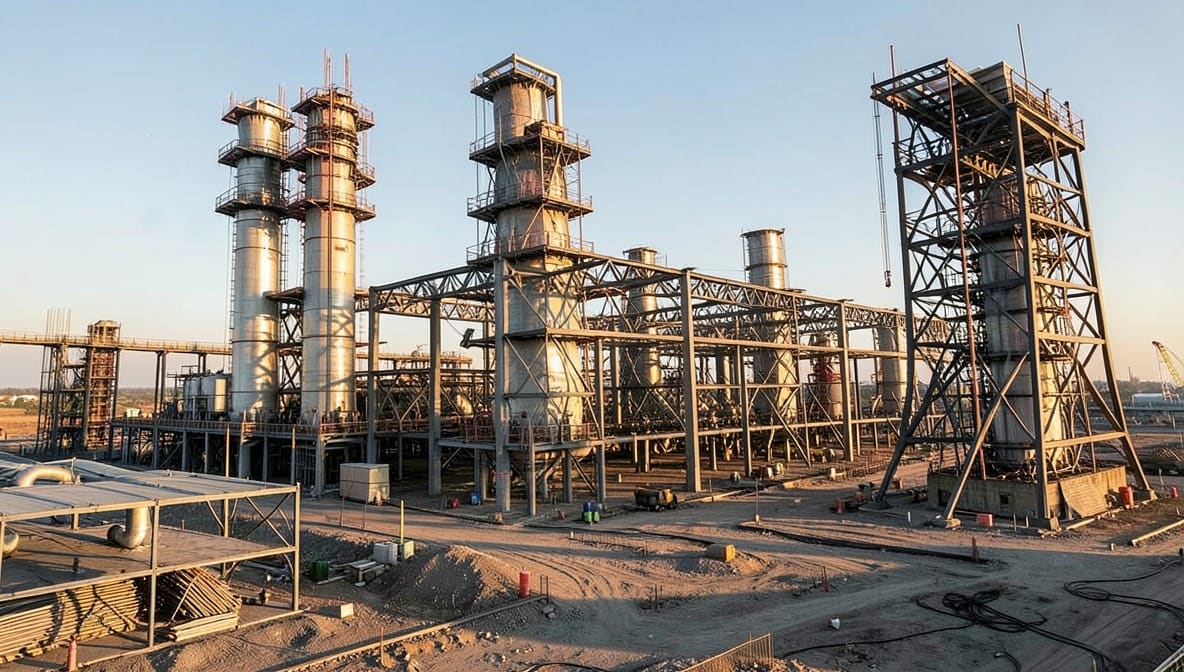
Milestone payments classified as operational debt; Section 9 insolvency petition barred by three-year limitation | EPC contract remains subsisting : SC
Case Law Analysis
|Supreme Court of India

Milestone payments classified as operational debt; Section 9 insolvency petition barred by three-year limitation | EPC contract remains subsisting : SC

Milestone payments under the EPC agreement are treated as operational debt under Section 5(21) of the IBC, and the creditor’s Section 9 petition is dismissed as time-barred after three years. The ruling confirms that such contracts continue despite delays, limiting insolvency claims by contractors. This impacts EPC contractors and lenders seeking recovery in insolvency proceedings.

Equitable interim relief can be ordered under Section 9 even for a losing party | Arbitration Act Section 9 : SC
Case Law Analysis
|Supreme Court of India

Equitable interim relief can be ordered under Section 9 even for a losing party | Arbitration Act Section 9 : SC

The Supreme Court upheld a Delhi High Court order directing the appellant to deposit Rs 3.5 crore under Section 9 of the Arbitration Act, clarifying that courts may grant interim security to a party who ultimately loses the arbitration where equity demands it. This ruling expands the scope of Section 9, allowing preservation of assets even when the applicant’s substantive claim is weak, affecting all parties seeking interim protection during arbitration.

Section 9(1)(vii) Finance Act 2010 Amendment Held Prospective, Not Retrospective - Upholds Territorial-Nexus Rule & Allows Refund for Offshore Technical Services : Karnataka HC
Case Law Analysis
|Karnataka High Court

Section 9(1)(vii) Finance Act 2010 Amendment Held Prospective, Not Retrospective - Upholds Territorial-Nexus Rule & Allows Refund for Offshore Technical Services : Karnataka HC

Karnataka High Court ruled that the 2010 Finance Act amendment to Section 9(1)(vii) of the Income-Tax Act applies only prospectively, preserving the Supreme Court’s territorial-nexus principle. Consequently, taxpayers providing offshore technical services can claim refunds for taxes previously demanded.

Section 9 Arbitration Act | Prima Facie Breach of LLP Agreement Justifies Interim Relief Against Expelled Partners : Bombay HC
Case Law Analysis
|Bombay High Court

Section 9 Arbitration Act | Prima Facie Breach of LLP Agreement Justifies Interim Relief Against Expelled Partners : Bombay HC

Bombay High Court rules that a prima facie breach of an LLP agreement, including expulsion clauses, entitles aggrieved partners to interim relief under Section 9 of the Arbitration Act. The judgment clarifies that courts may restrain expelled partners from interfering with ongoing projects while preserving arbitration rights, setting a precedent for commercial disputes involving partnership expulsions.

Section 9 Arbitration Act | Bombay HC Appoints Receiver to Preserve Disputed Property; Registered Deeds Prevail Over Unregistered Agreements
|Bombay High Court

Section 9 Arbitration Act | Bombay HC Appoints Receiver to Preserve Disputed Property; Registered Deeds Prevail Over Unregistered Agreements

Bombay High Court reinforces interim protection under Section 9 of the Arbitration Act by restraining further transfers of 152 disputed plots and appointing a symbolic Receiver. The ruling clarifies that registered conveyance deeds override unregistered agreements, ensuring preservation of arbitration subject-matter for developers and investors in real estate disputes.

Section 9 Arbitration Act | Small Causes Court Jurisdiction Overrides Arbitration Clause in Licensor-Licensee Disputes : Bombay HC
Case Law Analysis
|Bombay High Court

Section 9 Arbitration Act | Small Causes Court Jurisdiction Overrides Arbitration Clause in Licensor-Licensee Disputes : Bombay HC

Bombay High Court holds that disputes relating to possession under licensor-licensee agreements fall exclusively under the Small Causes Court's jurisdiction, rendering arbitration clauses unenforceable. This ruling impacts commercial tenants and landlords seeking interim relief under the Arbitration Act, reinforcing the primacy of statutory jurisdiction over contractual arbitration.

Court Receiver Cannot Be Discharged Until Underlying Arbitration Dispute Is Resolved | Section 9 Arbitration Act : Bombay HC
Case Law Analysis
|Bombay High Court

Court Receiver Cannot Be Discharged Until Underlying Arbitration Dispute Is Resolved | Section 9 Arbitration Act : Bombay HC

The Bombay High Court has ruled that a Court Receiver appointed under Section 9 of the Arbitration Act remains in equitable custody until the substantive dispute between the parties is finally settled, regardless of a subsequent consent award. This ensures asset preservation aligns with the arbitration’s ultimate outcome, affecting parties relying on interim receiverships in complex partnership or property disputes.