The Madhya Pradesh High Court has clarified that convenience alone cannot justify the transfer of matrimonial proceedings when one petition is already pending. In a significant ruling, the Court emphasized that judicial efficiency and avoidance of conflicting judgments take precedence over personal hardship, even for women litigants.
Background & Facts
The Dispute
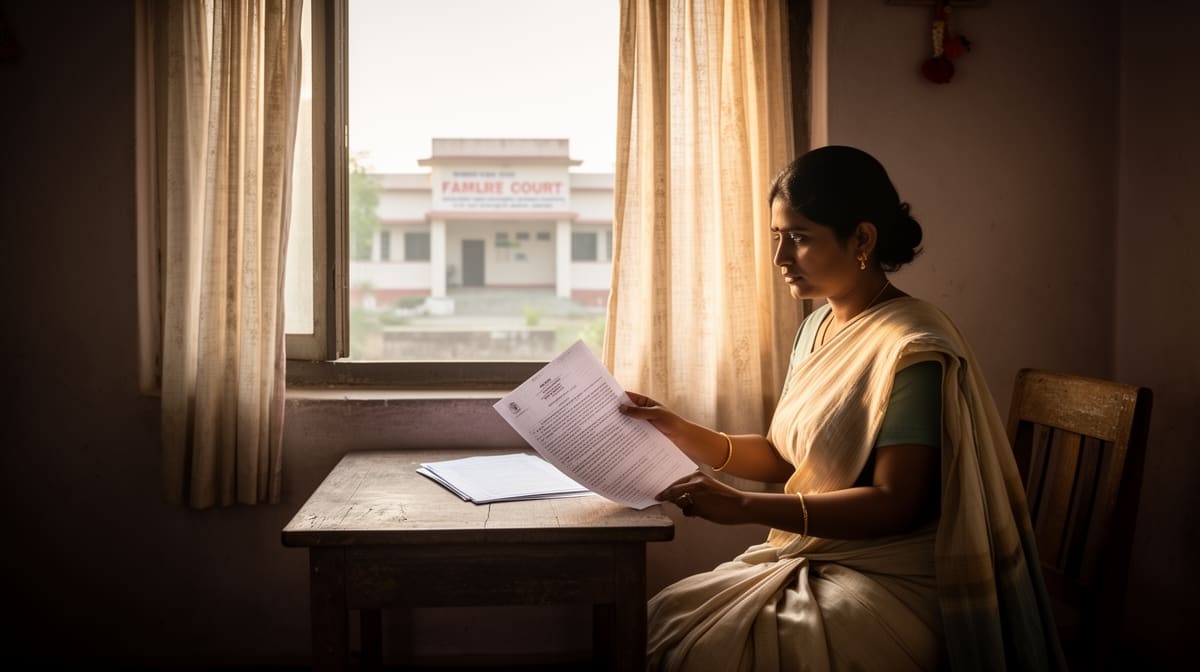
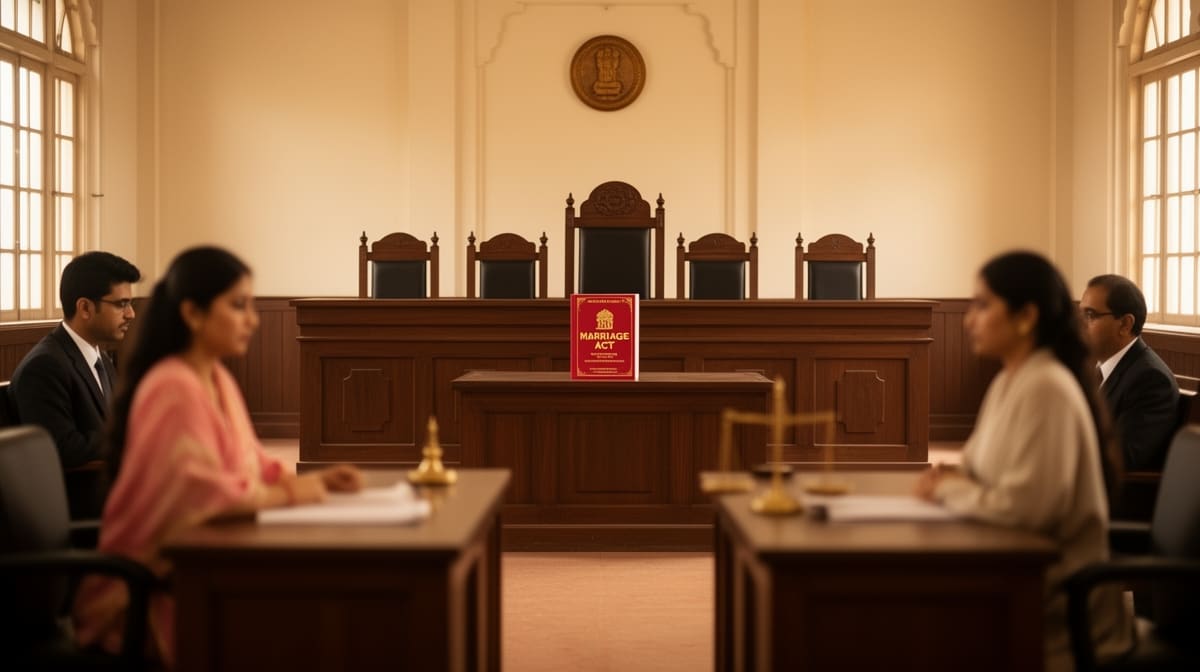
The petitioner, Neha Lahariya, filed an application under Section 9 of the Hindu Marriage Act seeking restitution of conjugal rights at the District Judge’s Court in Lahar, Bhind. Subsequently, her husband, Ramkishore Gupta Nagraiya, filed a divorce petition under Section 13 of the same Act at the Family Court in Datia. The wife then sought transfer of the husband’s Section 13 petition to Lahar, citing her residence, financial constraints, and the presence of her minor son.
Procedural History
- May 2014: Marriage solemnized between petitioner and respondent
- 2024: Respondent files RCSHM No. 29/2024 under Section 13 at Family Court, Datia
- 2025: Petitioner files RCSHM No. 91/2025 under Section 9 at District Judge’s Court, Lahar
- February 2026: Petitioner files M.C.C. No. 4350/2025 seeking transfer of Section 13 case to Lahar
Relief Sought
The petitioner sought transfer of the Section 13 petition from Datia to Lahar, arguing that her residence, lack of livelihood, and the need to care for her minor child made travel to Datia (90 km away) unduly burdensome.
The Legal Issue
The central question was whether the mere convenience of a wife, coupled with financial hardship, is sufficient grounds to transfer a matrimonial petition already pending before another court, particularly when the petition sought to be transferred was filed earlier.
Arguments Presented
For the Petitioner
The petitioner’s counsel relied on the principle of gender sensitivity and the right to access justice without undue hardship. He cited the petitioner’s status as a woman with no independent income, residing with her aged father, and caring for a minor child. He argued that the distance and travel burden violated her right to equal access to justice under Article 14 and Article 21 of the Constitution.
For the Respondent
The respondent did not oppose the transfer on substantive grounds but emphasized that the Section 13 petition was filed first and that transferring it would disrupt judicial economy. He contended that the petitioner’s financial hardship could be mitigated by reimbursing travel expenses, as permitted under settled Supreme Court precedents.
The Court's Analysis
The Court examined the competing principles of convenience, judicial efficiency, and the risk of conflicting judgments. It noted that while the petitioner’s circumstances were sympathetic, they did not override the procedural priority of the earlier-filed petition.
"Even otherwise, it must be seen that at one stage this Court was showing leniency to ladies. But since then it has been found that a large number of transfer petitions are filed by women taking advantage of the leniency shown by this Court."
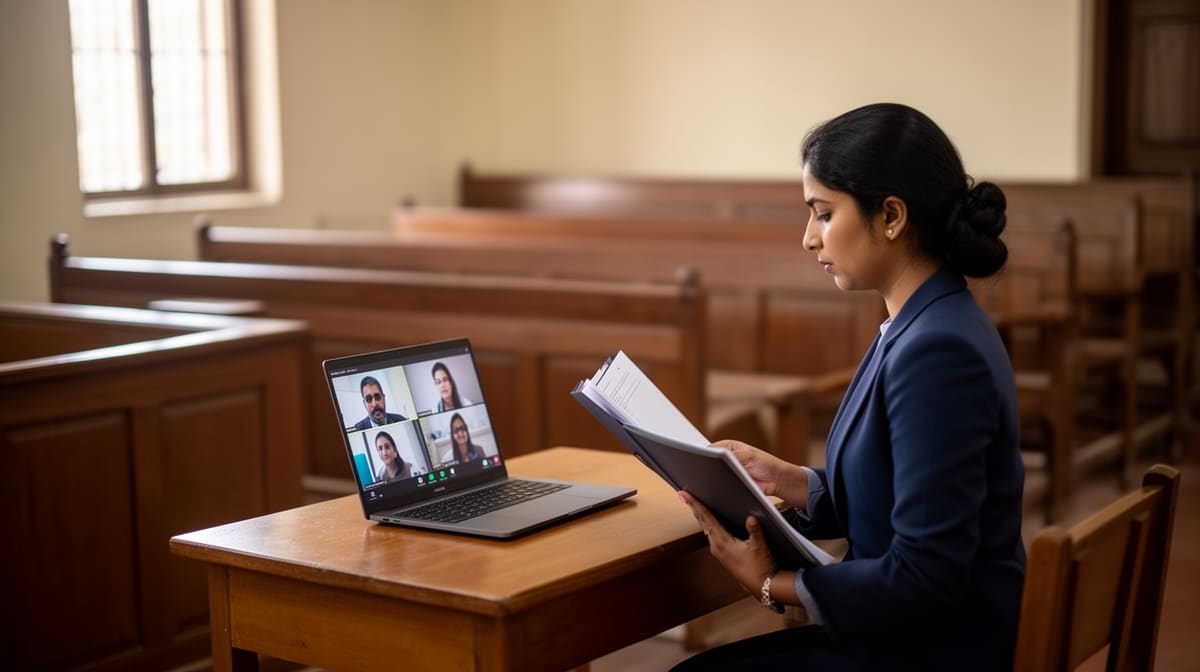
The Court relied on Anindita Das v. Srijit Das and Preeti Sharma v. Manjit Sharma, both of which held that financial hardship does not justify transfer unless the petitioner is genuinely unable to attend court even with expense reimbursement. The Court observed that the petitioner had not demonstrated an inability to appear via video conferencing, nor had she sought exemption from personal attendance.
The Court further emphasized that allowing parallel proceedings under Sections 9 and 13 in different jurisdictions risked contradictory outcomes. Consolidation, not transfer, was the appropriate remedy. The Court directed that the Section 9 petition be transferred to Datia, where the Section 13 petition was pending, and mandated that the Family Court consolidate both matters.
The Court also imposed a practical safeguard: the respondent must bear all travel and stay expenses for the petitioner’s in-person appearances, with advance payment for train tickets and hotel stays. For all other proceedings, video conferencing was permitted.
The Verdict
The petitioner’s transfer petition was dismissed. The Court held that the prior-filed petition under Section 13 must prevail, and the Section 9 petition was transferred to the same forum. The Family Court was directed to consolidate both cases, and the respondent was ordered to bear all travel and accommodation costs for the petitioner’s in-person appearances.
What This Means For Similar Cases
Prior Filing Determines Jurisdiction
- Practitioners must now prioritize the chronological order of filing when advising on transfer applications in matrimonial disputes
- A petition filed first, even if less convenient for one party, establishes the proper forum unless exceptional circumstances exist
- Transfer petitions based solely on residence or financial hardship will be dismissed unless the party proves inability to attend even with expense reimbursement
Expense Reimbursement Is Mandatory, Not Optional
- Courts must now routinely direct the opposing party to pay for travel and stay expenses for in-person appearances
- Failure to comply with expense orders may be treated as contempt or grounds for cost imposition
- Video conferencing must be offered as a default alternative for non-examination hearings
Consolidation Is the Preferred Remedy
- Parallel proceedings under Sections 9 and 13 must be consolidated to prevent conflicting judgments
- Family Courts are now under a duty to proactively identify and consolidate related petitions
- Advocates should file joint applications for consolidation at the earliest opportunity to avoid procedural delays