Topic

search and seizure

Search and seizure in Indian law governs the legal procedures authorities must follow when inspecting or confiscating property, particularly under statutes like the NDPS Act, PMLA, and IT Act.

52 articlesLatest September 2026
Substantial compliance with Sec 42 NDPS sufficient for urgent vehicle searches; Sec 50 notice not applicable | Search & seizure : SC
Case Law Analysis
|Supreme Court of India

Substantial compliance with Sec 42 NDPS sufficient for urgent vehicle searches; Sec 50 notice not applicable | Search & seizure : SC

The Supreme Court ruled that in urgent narcotics raids, merely substantial compliance with Section 42 of the NDPS Act satisfies procedural requirements, and Section 50’s notice-to-owner provision does not apply to vehicle searches. This narrows procedural safeguards for suspects and streamlines enforcement actions.

Procedural lapse in informing search right under Sec 50 NDPS Act does not overturn acquittal | NDPS search-rights requirement : Gujarat HC
Case Law Analysis
|Gujarat High Court

Procedural lapse in informing search right under Sec 50 NDPS Act does not overturn acquittal | NDPS search-rights requirement : Gujarat HC

Gujarat High Court upheld the acquittal, noting that while Sec 50 mandates informing a suspect of the right to be searched before a gazetted officer or magistrate, failure to do so alone does not invalidate a trial court's finding of reasonable doubt. The ruling limits the fatal impact of such procedural lapses in NDPS cases.

Section 153C IT Act | Reassessment Barred if Deemed Search Date Is on or After 01.04.2021: ITAT Delhi
Case Law Analysis
|Income Tax Appellate Tribunal

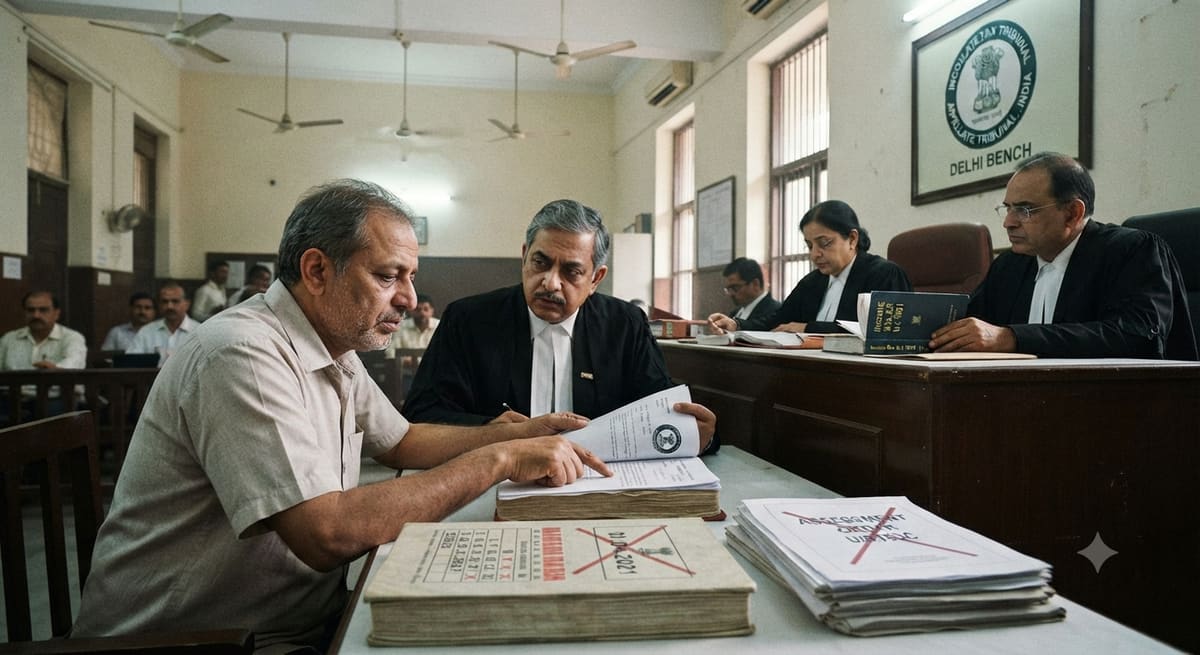
Section 153C IT Act | Reassessment Barred if Deemed Search Date Is on or After 01.04.2021: ITAT Delhi

The ITAT Delhi has ruled that reassessments under Section 153C cannot proceed if the deemed date of search falls on or after April 1, 2021, due to the Finance Act 2021 amendment that eliminated the power to initiate such proceedings beyond that date. This decision protects taxpayers from retrospective application of reassessment powers and clarifies the temporal limits of search-related assessments under the Income Tax Act.

Section 153C ITA | Jurisdiction Hinges on Date of AO's Satisfaction Note, Not Search or Handover Date: ITAT Delhi
Case Law Analysis
|Income Tax Appellate Tribunal

Section 153C ITA | Jurisdiction Hinges on Date of AO's Satisfaction Note, Not Search or Handover Date: ITAT Delhi

For assessments under Section 153C, the Income Tax Appellate Tribunal Delhi ruled that the assessing officer’s date of satisfaction - not the search date or handover of seized material - determines jurisdictional validity. This clarifies a critical procedural gap for post-2021 searches where handover records are missing, protecting assessees from invalid proceedings based on administrative delays.

Section 69A IT Act | Mere Mobile Phone Estimates Without Corroborative Evidence Insufficient for Unexplained Investment Addition : ITAT Jaipur
Case Law Analysis
|Income Tax Appellate Tribunal

Section 69A IT Act | Mere Mobile Phone Estimates Without Corroborative Evidence Insufficient for Unexplained Investment Addition : ITAT Jaipur

ITAT Jaipur holds that rough estimates of jewellery purchases found on a mobile phone, without proof of actual transactions or physical possession, cannot justify additions under Section 69A of the Income Tax Act. The ruling reinforces strict evidentiary standards for unexplained investments, protecting assessees from double taxation based on loose notings.

Section 153C ITA | Jurisdiction Triggered by Handover Date of Incriminating Material, Not Search Date: ITAT Delhi Sets Precedent
Case Law Analysis
|Income Tax Appellate Tribunal

Section 153C ITA | Jurisdiction Triggered by Handover Date of Incriminating Material, Not Search Date: ITAT Delhi Sets Precedent

ITAT Delhi rules that proceedings under Section 153C of the Income Tax Act are invalid if incriminating material is handed over after 01.04.2021, even if the search occurred earlier. This holding establishes that the jurisdictional trigger is the date of handover, not the search date, impacting all pending assessments under the repealed provision.

Conscious Possession Under NDPS Act Upheld Despite Witness Contradictions When Forensic and Chain-of-Custody Evidence Is Unbroken : Gauhati HC
Case Law Analysis
|Gauhati High Court

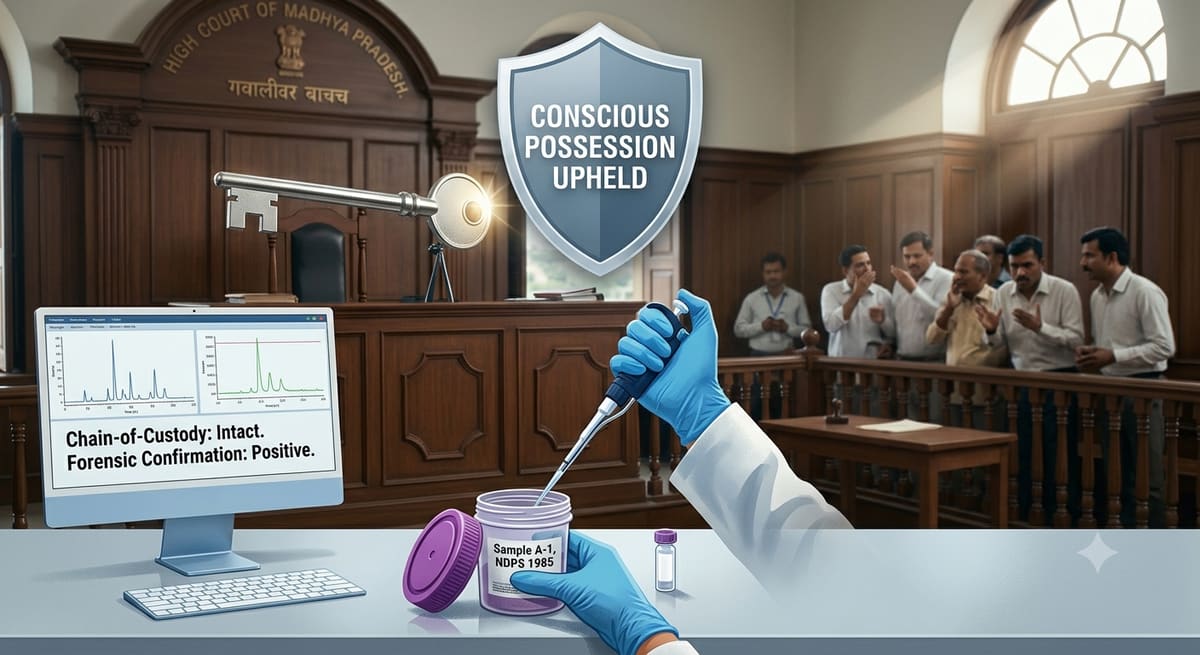
Conscious Possession Under NDPS Act Upheld Despite Witness Contradictions When Forensic and Chain-of-Custody Evidence Is Unbroken : Gauhati HC

The Gauhati High Court affirmed that minor inconsistencies in witness testimony do not invalidate a conviction under the NDPS Act when forensic analysis and unbroken chain of custody establish deliberate possession. This reinforces that procedural hiccups cannot override substantive evidence in drug trafficking cases, setting a clear standard for trial courts handling similar evidentiary challenges.

Section 153C ITA | Assessment Based on Third-Party Search Material Must Follow Special Regime, Not Section 147 Reassessment : ITAT Mumbai
Case Law Analysis
|Bombay High Court

Section 153C ITA | Assessment Based on Third-Party Search Material Must Follow Special Regime, Not Section 147 Reassessment : ITAT Mumbai

When tax assessment relies on documents seized from a person other than the assessee, the Income Tax Appellate Tribunal mandates that Section 153C’s special assessment regime applies exclusively - overriding the general reassessment power under Section 147. This clarifies jurisdictional boundaries for assessing unrelated parties and prevents arbitrary reassessments based on unrelated search material.

Section 165 CrPC | Vehicle Search Without Recorded Reasons + Reliance on Stock Witness Invalidates Prosecution: HP HC
|Himachal Pradesh High Court

Section 165 CrPC | Vehicle Search Without Recorded Reasons + Reliance on Stock Witness Invalidates Prosecution: HP HC

The Himachal Pradesh High Court overturned a conviction after police failed to record written reasons for searching a vehicle under Section 165 CrPC and depended on a witness with a pattern of appearing in police cases. This ruling reinforces that procedural compliance is non-negotiable in search operations and that reliance on habitual police witnesses undermines evidentiary credibility in excise and criminal prosecutions.

Peak Credit Method Mandatory for Unaccounted Cash Receipts | ITAT Pune Deletes Section 69A Additions : ITAT Pune
Case Law Analysis
|Income Tax Appellate Tribunal

Peak Credit Method Mandatory for Unaccounted Cash Receipts | ITAT Pune Deletes Section 69A Additions : ITAT Pune

ITAT Pune rules that unaccounted cash receipts ('on-money') must be assessed under the unified peak credit method, striking down separate additions under Section 69A. The decision mandates a single peak computation for undisclosed income, preventing double taxation and ensuring consistency in tax assessments for real estate developers.

Section 153C IT Act | Assessments Void Without Incriminating Material Linking Assessee to Alleged Income : ITAT Delhi
Case Law Analysis
|Income Tax Appellate Tribunal

Section 153C IT Act | Assessments Void Without Incriminating Material Linking Assessee to Alleged Income : ITAT Delhi

ITAT Delhi sets aside assessments under Section 153C where no incriminating material connects the assessee to alleged commission receipts. The ruling invalidates protective additions when substantive additions fail, reinforcing that jurisdictional validity under Section 153C hinges on direct evidence linking the assessee to undisclosed income.