Regularisation in Indian law refers to the process of converting contractual or temporary government employment into permanent status, often contested when done arbitrarily or without due process.
CAT Jammu holds regularised ReT teachers cannot face discriminatory transfer restrictions based on initial recruitment mode; impugned repatriation orders set aside.
The Uttarakhand High Court set aside the 2023 order that forced a long-serving contractual library employee to join an outsourcing agency, directing her regularisation under the state's service rules. The ruling strengthens statutory protection for contractual staff against forced outsourcing.
The Gauhati High Court quashed the April 2025 order cancelling the regularisation of 45 Block Education Officers, holding that appointments must adhere to the statutory recruitment rules and earlier judicial directions. The decision reinstates the officers’ regular status and bars arbitrary revocation.
The Allahabad High Court ruled that an employee’s entitlement to regularisation does not lapse upon death, and the deceased’s heir may claim a compassionate appointment under the 1974 Rules. This expands post-mortem service rights for daily-wage staff in Uttar Pradesh.
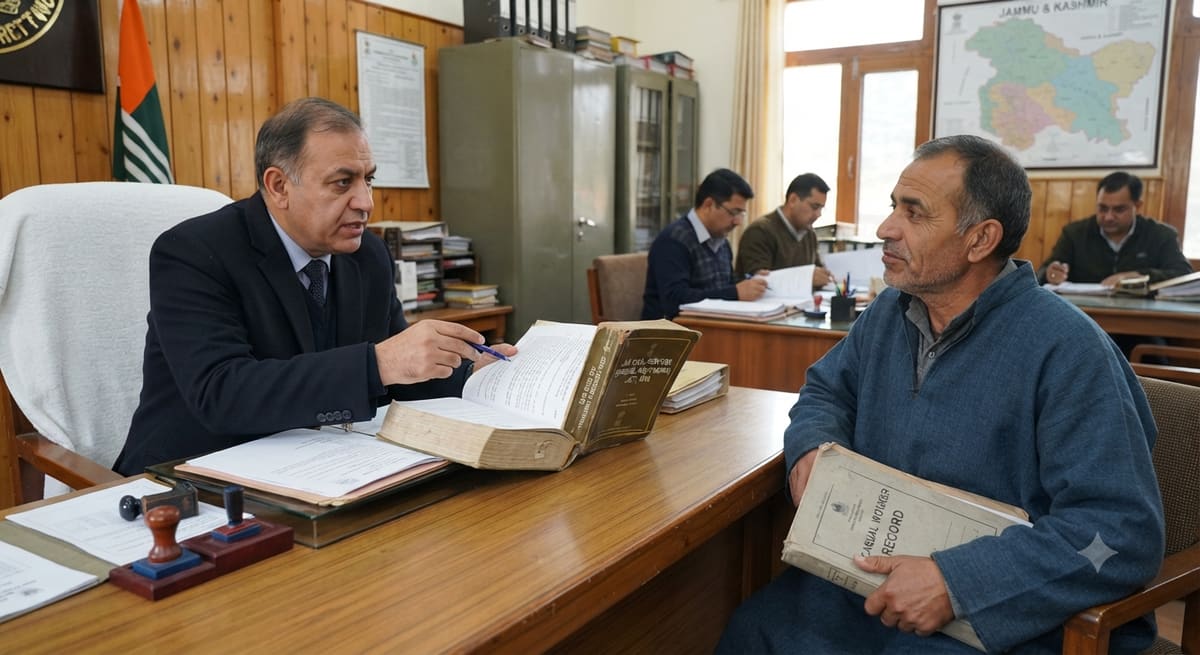
The JK High Court set aside the CAT order that regularised a long-serving casual driver as a driver, ordering regularisation as an orderly in the entry-level grade with arrears and a three-month deadline. The decision confirms that under Section 5 of the J&K Civil Services (Special Provisions) Act, 2010 casual employees must be regularised at the lowest grade, shaping future cases.
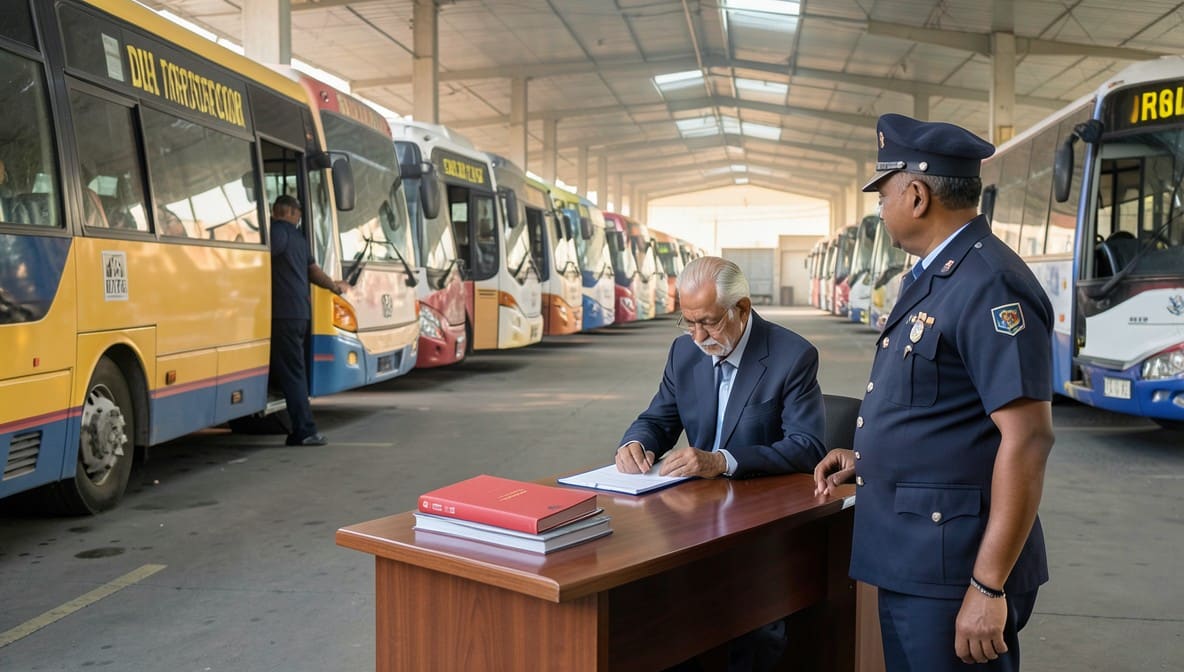
Delhi HC set aside the 2005 Industrial Tribunal award that regularised a DTC driver, holding that mere continuity of service does not create a right to regularisation. The decision means employers need a statutory basis, not just tenure, to regularise temporary staff, affecting public-sector transport bodies and their workmen.
The Andhra Pradesh High Court directed regularisation of a daily wage employee with 30 years of service, waiving the statutory 5-year condition under the Andhra Pradesh (Regulation of Appointment to Public Services) Amendment Act, 1998. The ruling underscores that perennial work and decades of indispensable service override technicalities, reinforcing constitutional protections under Article 21. State governments must now justify denial of regularisation on stronger grounds.
The Supreme Court ruled that casual labourers conferred temporary status for over a decade under the CCS (Temporary Service) Rules, 1965, are entitled to pensionary benefits regardless of formal regularisation. This judgment reinforces the constitutional right to social security for long-serving temporary workers, impacting thousands of similarly placed employees in government departments.
Karnataka High Court dismisses a writ appeal challenging a land grant to Sri Raghavendra Swamy Mutt, ruling that petitioners lacked valid statutory application and locus standi. The court emphasized consistent legal claims across forums as a prerequisite for challenging government land grants to religious institutions, reinforcing procedural compliance in property disputes.
Supreme Court rules that an employer cannot deny back wages from the date an employee completes 180 days of service, even if formal regularisation is delayed for years. The final Industrial Court order on regularisation operates as res judicata, binding the employer to pay arrears regardless of procedural delays.
The Bombay High Court upheld back wages for the legal heirs of a deceased ad hoc worker, ruling that prolonged delay in filing an industrial dispute is not fatal when the worker’s continuous service and unequal treatment compared to regular employees are established. This reinforces that constitutional protections under Articles 14 and 16 can override procedural laches in cases of systemic employment informality.
Uttarakhand High Court rules that revoking an employee's regularisation without issuing a show cause notice or providing a hearing breaches natural justice, rendering the cancellation order void. The judgment underscores that subordinate officers cannot override decisions of superior authorities, reinforcing procedural fairness in public employment matters.
Delhi High Court rules that contractual employees engaged through transparent public recruitment and serving over 15 years cannot be indefinitely kept on contractual terms. The Court mandates consideration for regularisation under Articles 14 and 16, rejecting the State's use of contractual labels to bypass constitutional guarantees for public employment.
Madras High Court rules that contractual employees with over ten years of continuous service are entitled to notional regularisation for terminal benefits like gratuity and seniority, but not monetary arrears. The judgment reinforces substantive equality under Article 14, impacting public employment policies and service law jurisprudence.
CAT Allahabad holds that reinstatement under Section 17-B IDA requires full regularisation, not daily wage engagement. Key precedent for public sector employment disputes.