Topic

Payment of Gratuity Act

The Payment of Gratuity Act, 1972, governs the mandatory payment of gratuity to employees in India upon retirement, resignation, or termination after five years of continuous service.

23 articlesLatest September 2026
Section 7(7) of the Payment of Gratuity Act imposes a strict 120-day appeal limit | Gratuity order challenge dismissed : Bombay HC
Case Law Analysis
|Bombay High Court

Section 7(7) of the Payment of Gratuity Act imposes a strict 120-day appeal limit | Gratuity order challenge dismissed : Bombay HC

The Bombay High Court held that a writ petition contesting a gratuity award cannot proceed because the petitioners failed to file an appeal within the 120-day period prescribed by Section 7(7) of the Payment of Gratuity Act, and it affirmed the validity of the notice served on the Trust’s administrative manager. This underscores that parties must strictly observe the statutory limitation to seek relief under the PG Act, affecting employers and former employees alike.

Section 4(6)(a) Payment of Gratuity Act | Forfeiture of Gratuity Requires Quantified Loss & Separate Show-Cause Notice : Bombay HC
Case Law Analysis
|Bombay High Court

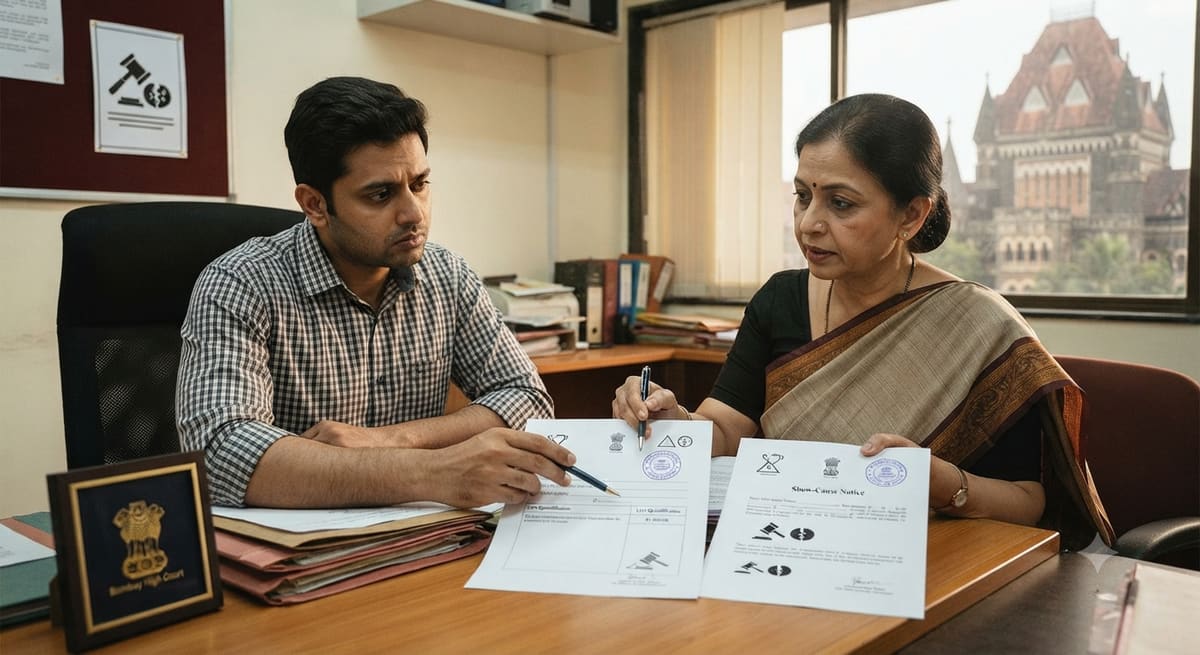
Section 4(6)(a) Payment of Gratuity Act | Forfeiture of Gratuity Requires Quantified Loss & Separate Show-Cause Notice : Bombay HC

Bombay High Court reinforces that forfeiture of gratuity under Section 4(6)(a) of the Payment of Gratuity Act mandates a quantified financial loss and a distinct show-cause notice, ensuring compliance with natural justice. The ruling sets a precedent that employers cannot forfeit gratuity without adhering to these procedural safeguards, impacting all gratuity forfeiture disputes under labour law.

Section 7(7) Payment of Gratuity Act | 120-Day Appeal Window Is Mandatory, No Extension Beyond: HP HC
Case Law Analysis
|Himachal Pradesh High Court

Section 7(7) Payment of Gratuity Act | 120-Day Appeal Window Is Mandatory, No Extension Beyond: HP HC

The Himachal Pradesh High Court has held that appeals under Section 7(7) of the Payment of Gratuity Act, 1972 must be filed within 120 days-60 days statutory plus 60 days condonable delay-and any delay beyond this period renders the appeal non-maintainable. This reinforces that statutory limitation periods in special enactments like the Gratuity Act are strictly enforceable, affecting employers and beneficiaries alike in gratuity disputes.

Payment of Gratuity Act | Post-Decisional Hearing Mandatory If Statutory Claim Rejected Without Opportunity: Allahabad HC
Case Law Analysis
|Allahabad High Court

Payment of Gratuity Act | Post-Decisional Hearing Mandatory If Statutory Claim Rejected Without Opportunity: Allahabad HC

Allahabad HC rules that rejecting a gratuity claim without affording the employee a hearing violates principles of natural justice. The court directed a post-decisional hearing to allow the petitioner to present legal arguments, emphasizing that statutory benefits cannot be denied arbitrarily even if initial grounds appear valid.

Payment of Gratuity Act | Employer Liable for 4% Interest on Delayed Gratuity Despite Qualification Dispute : MP HC Jabalpur
Case Law Analysis
|Madhya Pradesh High Court

Payment of Gratuity Act | Employer Liable for 4% Interest on Delayed Gratuity Despite Qualification Dispute : MP HC Jabalpur

The Madhya Pradesh High Court ruled that employers must pay 4% per annum interest on delayed gratuity payments, even if the employee's qualifications are later challenged. The court held that once an employee is allowed to work until superannuation, disputes over qualifications cannot justify withholding statutory benefits, reinforcing employer liability for delayed payments under the Payment of Gratuity Act.

Statutory Terminal Benefits Unconditional Upon Retirement | Madras HC Bars Withholding Gratuity & PF Over Pending Audit Allegations
Case Law Analysis
|Madras High Court

Statutory Terminal Benefits Unconditional Upon Retirement | Madras HC Bars Withholding Gratuity & PF Over Pending Audit Allegations

Madras High Court rules that retirement benefits like gratuity, provident fund, and leave encashment are statutory entitlements that cannot be withheld due to pending audit findings or surcharge allegations post-retirement. The judgment reinforces that terminal dues must be disbursed immediately upon superannuation, irrespective of ongoing investigations, protecting retiring employees from administrative delays.

Payment of Gratuity Act, Section 7(2) | Widow Entitled to Compound Interest on Unpaid Gratuity After Controlling Authority’s Final Order: MP HC
Case Law Analysis
|Madhya Pradesh High Court

Payment of Gratuity Act, Section 7(2) | Widow Entitled to Compound Interest on Unpaid Gratuity After Controlling Authority’s Final Order: MP HC

The Madhya Pradesh High Court has ordered the Ujjain Municipal Corporation to pay Rs.14.46 lakh gratuity to a widow, along with 15% compound interest, after the employer failed to execute a final order issued under the Payment of Gratuity Act. This ruling reinforces that statutory gratuity awards, once final, are enforceable as debts with compounded penalties for state delay - setting a critical precedent for legal heirs of deceased employees.

Section 4 Payment of Gratuity Act | Principal Employer Liable for Gratuity Only with Direct Employment Relationship : Calcutta HC
Case Law Analysis
|Calcutta High Court

Section 4 Payment of Gratuity Act | Principal Employer Liable for Gratuity Only with Direct Employment Relationship : Calcutta HC

Calcutta High Court clarifies that principal employers under the Payment of Gratuity Act, 1972, are not vicariously liable for gratuity payments to contract workers unless a direct employer-employee relationship exists. The ruling rejects judicial expansion of liability via the Contract Labour Act, reinforcing statutory interpretation over judicial precedent.

Payment of Gratuity Act, 1972 | Reinstatement Without Break in Service Counts Toward Gratuity Eligibility, Even if Period is 'Dies Non' : MP HC Jabalpur
Case Law Analysis
|Madhya Pradesh High Court

Payment of Gratuity Act, 1972 | Reinstatement Without Break in Service Counts Toward Gratuity Eligibility, Even if Period is 'Dies Non' : MP HC Jabalpur

The Madhya Pradesh High Court has ruled that an employee’s period treated as 'dies non' - where no wages are due but service is uninterrupted - must still be counted toward qualifying service under the Payment of Gratuity Act. This ensures that reinstated employees are not penalized for administrative delays or procedural technicalities, safeguarding their statutory right to full gratuity based on cumulative tenure.

Section 4(6)(b)(ii) Payment of Gratuity Act | Disciplinary Misconduct Alone Suffices for Gratuity Forfeiture Without Criminal Conviction : Calcutta HC
Case Law Analysis
|Calcutta High Court

Section 4(6)(b)(ii) Payment of Gratuity Act | Disciplinary Misconduct Alone Suffices for Gratuity Forfeiture Without Criminal Conviction : Calcutta HC

Calcutta High Court rules that proven gross misconduct in disciplinary proceedings is sufficient to forfeit gratuity under Section 4(6)(b)(ii) of the Payment of Gratuity Act, 1972, even without a criminal conviction. The ruling clarifies that procedural lapses in notice are curable, reinforcing employers' rights to withhold gratuity for serious misconduct.

Payment of Gratuity Act | Gratuity & Pension Cannot Be Withheld During PMLA Probe Absent Termination or Statutory Forfeiture : Gauhati HC
Case Law Analysis
|Gauhati High Court

Payment of Gratuity Act | Gratuity & Pension Cannot Be Withheld During PMLA Probe Absent Termination or Statutory Forfeiture : Gauhati HC

Gauhati High Court rules that pending ED investigations under PMLA do not justify withholding gratuity or pension unless the employee is named in an FIR, terminated, or statutory forfeiture grounds exist. The judgment reinforces that retirement benefits are protected under the Payment of Gratuity Act, 1972, even during financial irregularity probes, absent clear statutory violations.

Section 7(7) Payment of Gratuity Act | Appellate Authorities Cannot Condone Delay Beyond 120 Days from Receipt of Order : Bombay HC
Case Law Analysis
|Bombay High Court

Section 7(7) Payment of Gratuity Act | Appellate Authorities Cannot Condone Delay Beyond 120 Days from Receipt of Order : Bombay HC

The Bombay High Court has ruled that the 120-day outer limit for filing appeals under Section 7(7) of the Payment of Gratuity Act is absolute and non-extendable, even for compelling reasons. This clarifies that statutory limitation periods in labour law are jurisdictional barriers, not mere procedural hurdles - directly impacting employers and employees seeking gratuity redressal after prolonged delays.