Topic

moral turpitude

Moral turpitude in Indian law refers to conduct considered inherently base, vile, or depraved, often affecting eligibility for public employment, licenses, or probation benefits.

7 articlesLatest May 2026
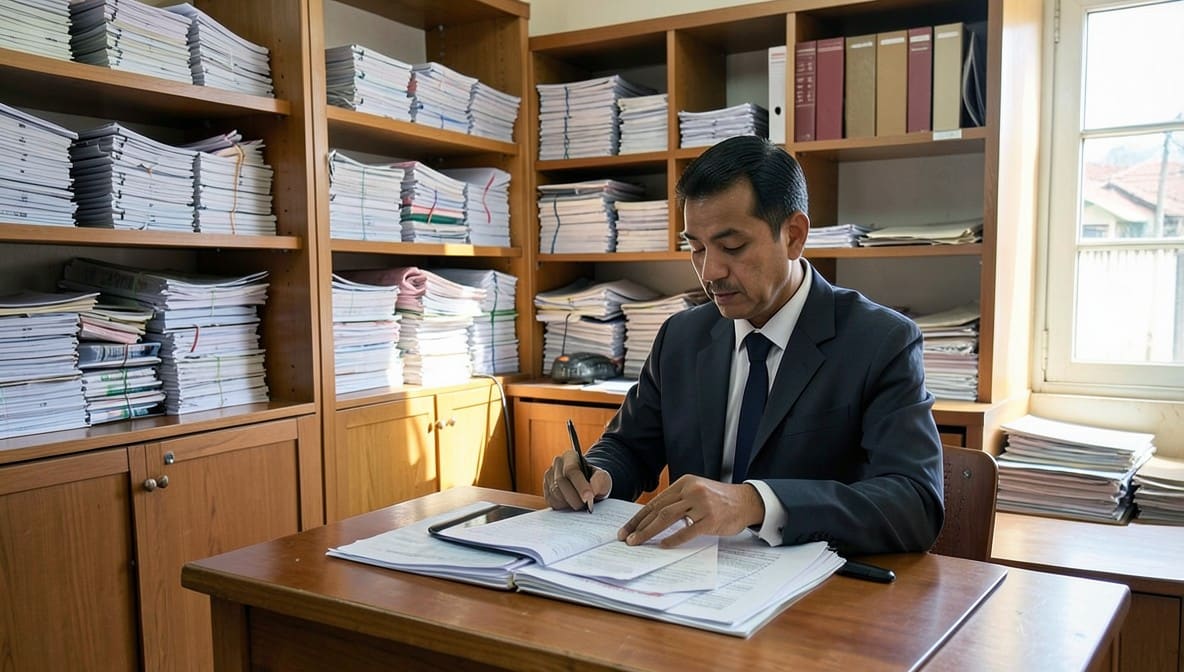
Character Verification in Public Employment | Mere Registration of Criminal Case Without Independent Assessment Violates Natural Justice: Allahabad HC
|Allahabad High Court

Character Verification in Public Employment | Mere Registration of Criminal Case Without Independent Assessment Violates Natural Justice: Allahabad HC

The Allahabad High Court has ruled that rejecting a candidate for public employment based solely on the registration of a criminal case-without applying independent judgment under Government Order 1958-violates the principles of natural justice. This sets a critical precedent for all state departments conducting character verification, ensuring that mere allegations cannot override merit-based selection without due process.

Compassionate Appointment | Petty Gambling Conviction Under Rajasthan Public Gambling Ordinance Not Moral Turpitude : Rajasthan HC
Case Law Analysis
|Rajasthan High Court

Compassionate Appointment | Petty Gambling Conviction Under Rajasthan Public Gambling Ordinance Not Moral Turpitude : Rajasthan HC

Rajasthan High Court rules that a Rs. 100 fine under the Rajasthan Public Gambling Ordinance does not constitute moral turpitude, reinstating compassionate appointment for the petitioner. The judgment clarifies that minor offences without dishonesty or moral depravity cannot disqualify dependents of deceased government servants from compassionate employment.

Criminal Acquittal by Compromise in Mutual Dispute Does Not Automatically Disqualify Police Recruitment: CAT Principal Bench
Case Law Analysis
|Central Administrative Tribunal

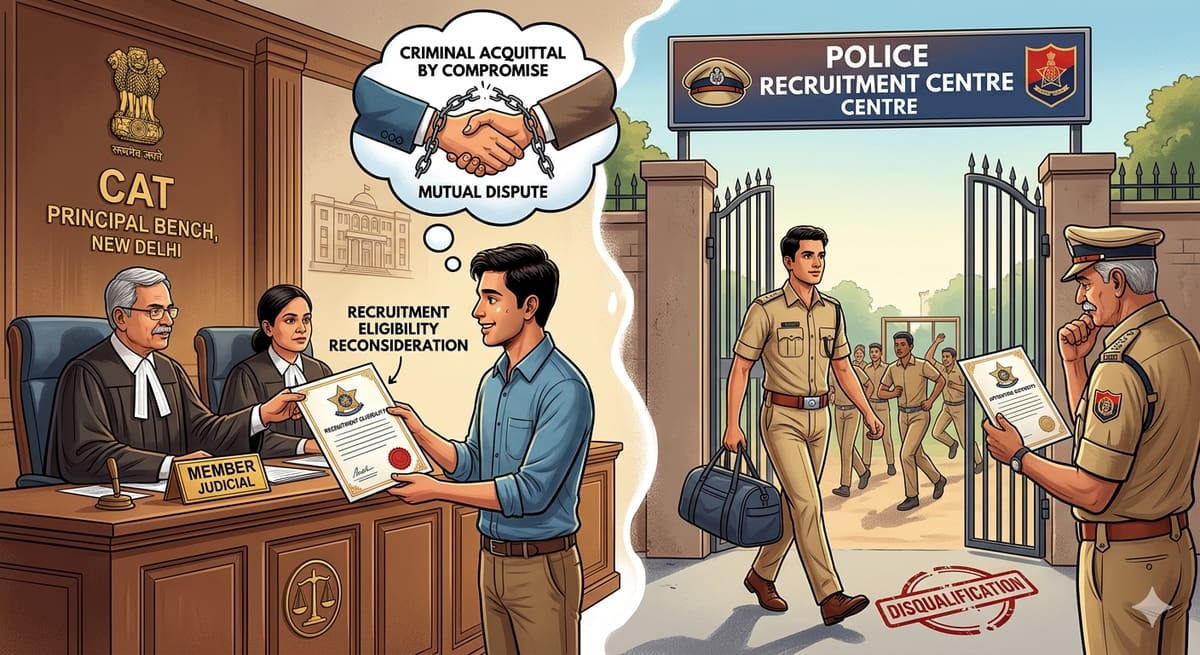
Criminal Acquittal by Compromise in Mutual Dispute Does Not Automatically Disqualify Police Recruitment: CAT Principal Bench

The Central Administrative Tribunal ruled that an acquittal by compromise in a mutual dispute involving cross-FIRs cannot lead to automatic disqualification for Delhi Police recruitment. The Screening Committee must conduct a holistic assessment of the candidate's character and the nature of the dispute before rejecting candidature.

Moral Turpitude Removal Under Section 325 IPC | Fresh Representation Mandated for Service Reinstatement : MP HC Gwalior
Case Law Analysis
|Madhya Pradesh High Court

Moral Turpitude Removal Under Section 325 IPC | Fresh Representation Mandated for Service Reinstatement : MP HC Gwalior

MP High Court directs authorities to reconsider service reinstatement claims afresh, excluding Section 325 IPC offenses from moral turpitude per recent judgments and circular. The ruling mandates a reasoned order within three months, ensuring employees dismissed on moral turpitude grounds get a fair review based on updated legal standards.

Section 38(4) Rajasthan Panchayati Raj Act | FIR Under Prevention of Corruption Act Triggers Automatic Suspension of Sarpanch Without Departmental Enquiry : Rajasthan HC
Case Law Analysis
|Rajasthan High Court

Section 38(4) Rajasthan Panchayati Raj Act | FIR Under Prevention of Corruption Act Triggers Automatic Suspension of Sarpanch Without Departmental Enquiry : Rajasthan HC

Rajasthan High Court rules that registration of an FIR under the Prevention of Corruption Act is sufficient grounds for suspending a Sarpanch under Section 38(4) of the Rajasthan Panchayati Raj Act, bypassing the need for a prior departmental enquiry. The ruling reinforces swift action against alleged corruption in local governance, impacting elected representatives across Rajasthan.