Expert Answer Keys Final | Judicial Restraint in NEET UG 2026 Evaluation : P&H HC
Punjab & Haryana HC dismisses NEET UG 2026 answer key challenges, upholds expert panel's 'most appropriate answer' standard and OMR marking rules.
Topic
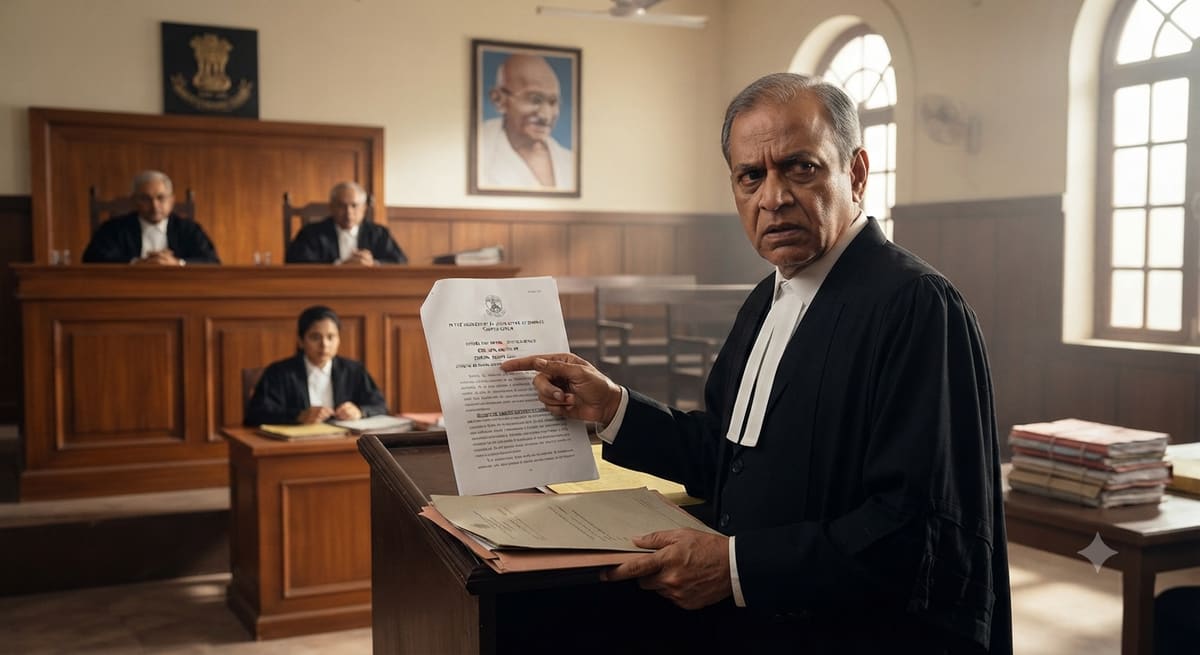
Judicial restraint in Indian law refers to courts avoiding interference in executive or legislative decisions unless there is clear constitutional violation or perversity.

Punjab & Haryana HC dismisses NEET UG 2026 answer key challenges, upholds expert panel's 'most appropriate answer' standard and OMR marking rules.

The Bombay High Court has ruled that judges issuing bail orders cannot make adverse, defamatory observations about non-parties-such as corporations-without affording them a fair opportunity to respond. This reinforces natural justice as a non-negotiable limit on judicial commentary, protecting corporate reputations from collateral damage in criminal proceedings and setting a critical precedent for judicial conduct in PMLA and other financial crime cases.

The Madhya Pradesh High Court has restored a service dispute writ petition after finding it was wrongly disposed of based on a Division Bench judgment subsequently stayed by the Supreme Court. This ruling reinforces that courts cannot rely on precedents under interim stay, ensuring litigants get a merits-based hearing and preventing procedural injustice in government employment cases.

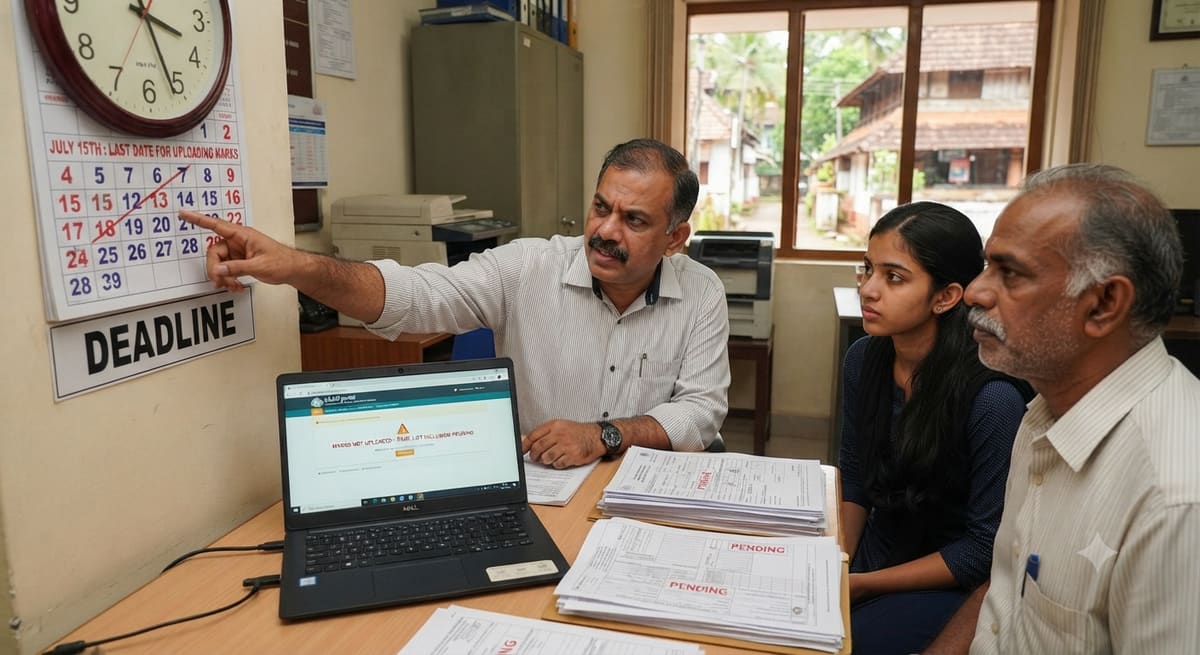
Kerala High Court dismisses plea for inclusion in KEAM 2026 rank list, ruling that failure to upload qualifying marks within the stipulated timeline is fatal to admission eligibility. The judgment reinforces strict procedural compliance in competitive entrance exams, impacting thousands of aspirants.

Bombay High Court reinforces that contempt proceedings under Section 12 of the Contempt of Courts Act, 1971, require concrete evidence of wilful disobedience, not just bare allegations. The ruling underscores judicial restraint in contempt cases, protecting public officials from frivolous litigation while upholding the sanctity of court orders.

Bombay High Court bars a contemnor with paranoid personality disorder from filing any legal proceedings until certified mentally fit, prioritizing judicial efficiency and family protection. The ruling sets a precedent for mental health-based litigation restraints under contempt law.

Rajasthan High Court holds that technical irregularities in a candidate’s Form-26 affidavit, absent evidence of corrupt practice, cannot void an election under Section 100 of the Representation of the People Act. The ruling reinforces judicial restraint in election disputes, protecting electoral outcomes from procedural hyper-technicalities.

The Madhya Pradesh High Court has stayed the transfer of an Associate Professor after finding that repeated relocations without replacement violate procedural fairness under Article 226. The court mandated a decision on his representation within three weeks, reinforcing that administrative transfers must respect legitimate expectations and institutional continuity, especially when a faculty member is the sole subject expert in their discipline.

Allahabad High Court dismisses anticipatory bail petition under U.P. Public Examination (Prevention of Unfair Means) Act, 2024, holding that cognizable offence is disclosed prima facie even if accused is not named in FIR.

Bombay High Court upholds SEBI and MCX's authority to fix negative settlement prices for crude oil futures, ruling DDR is a contractual term distinct from 'price' under the Sale of Goods Act. The judgment reinforces regulatory flexibility in commodity derivatives amid market volatility, impacting traders and exchanges.

The Kerala High Court has validated the state's 50:50 normalization formula for engineering admissions, ruling that it does not arbitrarily disadvantage CBSE board students under Article 14. The judgment establishes a precedent for equitable weightage between state and national boards, ensuring merit-based access without systemic bias against centralized curricula.

Doctors who voluntarily declined Non-Practicing Allowance cannot claim pay parity with junior colleagues who opted for it, as the Rajasthan High Court upholds the state’s rule-based distinction as lawful and non-discriminatory. This sets a critical precedent for service law compliance, affecting thousands of state medical officers bound by the Rajasthan Civil Services Rules.

Allahabad HC reinforces statutory compliance under the Registration of Birth and Death Act, holding that delayed death registration (beyond one year) mandatorily requires an SDM order. Local certificates or affidavits cannot bypass this legal requirement, affecting families seeking posthumous documentation for inheritance, pension, or property disputes.

The Supreme Court reaffirmed that courts cannot legislate criminal offences, holding that existing IPC and CrPC provisions suffice to address hate speech. The judgment directs mandatory FIR registration without prior sanction under Section 196 CrPC, rejecting continuing mandamus while emphasizing separation of powers.

Delhi High Court dismissed a petition challenging the superannuation age of GREF/BRO medical officers, holding that retirement age policy is an executive prerogative beyond judicial review unless arbitrariness is proven. The ruling reaffirms that parity claims under Article 14 do not override policy decisions absent manifest discrimination.