Topic

insurance repudiation

Insurance repudiation in India refers to an insurer's refusal to pay a claim by alleging non-disclosure, fraud, or exclusion clause violations under the Insurance Act, 1938 and related regulations.

12 articlesLatest June 2026
Indemnity Principle | Compensation in Motor Insurance Must Reflect Actual Loss, Not IDV, Unless Total Loss Proven : West Bengal SCDRC
Case Law Analysis

Indemnity Principle | Compensation in Motor Insurance Must Reflect Actual Loss, Not IDV, Unless Total Loss Proven : West Bengal SCDRC

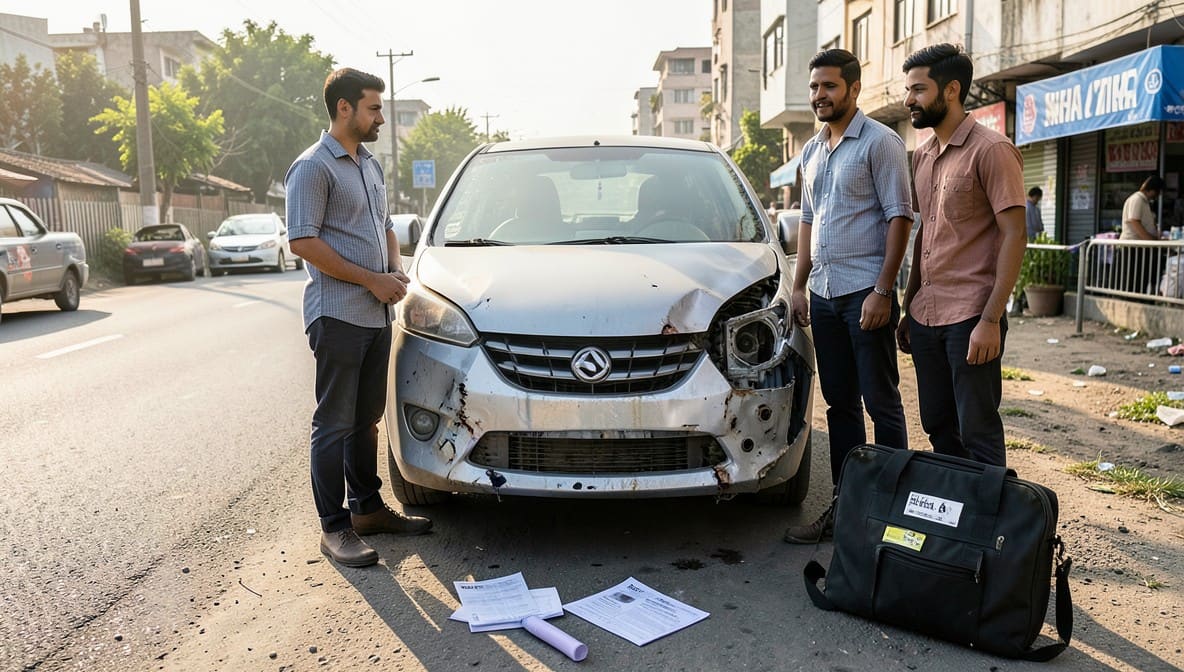
The West Bengal State Consumer Commission ruled that insurers cannot rely on Insured Declared Value (IDV) as the default payout - compensation must be tied to verified actual loss, with the burden on the insurer to prove colour alteration or fraud. This clarifies that surveyor reports alone cannot override documented damage, empowering policyholders against arbitrary claim repudiation.


Insurance Repudiation | Pre-Existing Condition Exclusion Requires Documentary Evidence Beyond Biomarkers: NCDRC
Case Law Analysis

Insurance Repudiation | Pre-Existing Condition Exclusion Requires Documentary Evidence Beyond Biomarkers: NCDRC

Insurers cannot deny claims based solely on elevated HbA1c levels without corroborating medical records or clinical diagnosis. The NCDRC has ruled that mere biochemical data, without contextual medical history or physician evaluation, fails to meet the burden of proof for excluding pre-existing conditions - a critical win for policyholders facing arbitrary claim rejections.

Insurance Claim | Pre-existing Condition Does Not Bar Payout If Accident Is Proximate Cause: Rajasthan HC | Burden of Proof on Insurer
Case Law Analysis
|Rajasthan High Court

Insurance Claim | Pre-existing Condition Does Not Bar Payout If Accident Is Proximate Cause: Rajasthan HC | Burden of Proof on Insurer

The Rajasthan High Court held that an insurer cannot deny a death claim merely because the deceased had a pre-existing heart condition - the burden lies squarely on the insurer to prove the condition, not the accident, caused death. Without corroborative medical evidence linking the condition to the fatality, the claim must be upheld, reinforcing protections for beneficiaries under accident-based policies.

Proximate Cause Doctrine | Insurance Repudiation Invalid Without Direct Link to Policy Breach : WB State Consumer Commission Awards 75% IDV
Case Law Analysis

Proximate Cause Doctrine | Insurance Repudiation Invalid Without Direct Link to Policy Breach : WB State Consumer Commission Awards 75% IDV

The West Bengal State Consumer Commission ruled that an insurer cannot repudiate a claim merely for a policy breach (invalid driving licence) unless it directly caused the loss. The Commission awarded 75% of the insured declared value with 7% interest, setting a precedent for non-standard settlements where breach and loss lack proximate causation.

Motor Vehicles Act Section 113(3)(b) | Willful Overloading Vitiates Insurance Coverage as Willful Misconduct : Calcutta HC
Case Law Analysis
|Calcutta High Court

Motor Vehicles Act Section 113(3)(b) | Willful Overloading Vitiates Insurance Coverage as Willful Misconduct : Calcutta HC

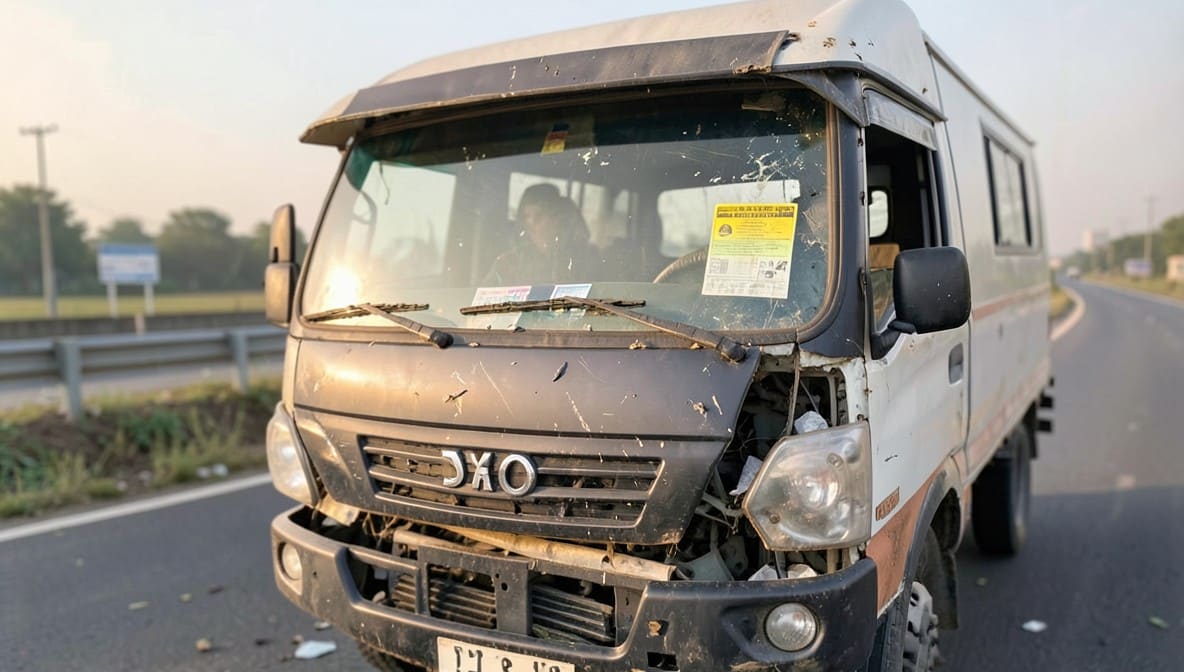
The Calcutta High Court ruled that knowingly overloading a tanker beyond statutory limits constitutes willful misconduct under insurance policy clauses, voiding coverage even if the accident was not intentionally caused. This sets a clear precedent for insurers to deny claims where statutory violations are proven to be deliberate, shifting the burden to insured parties to prove compliance.

Exclusion Clauses in Group Personal Accident Insurance Require Scientific Proof of Intoxication : Telangana State CDRC
Case Law Analysis
|Telangana High Court

Exclusion Clauses in Group Personal Accident Insurance Require Scientific Proof of Intoxication : Telangana State CDRC

Telangana State Consumer Disputes Redressal Commission rules that insurers cannot repudiate Group Personal Accident Insurance claims under exclusion clauses based on mere medical history entries; scientific evidence of intoxication is mandatory. This sets a precedent for stricter proof standards in insurance disputes, impacting claimants and insurers alike.

Insurance Payout Mandatory for Vehicle Loss Regardless of Theft vs Robbery Classification: Punjab & Haryana HC
Case Law Analysis
|Punjab and Haryana High Court

Insurance Payout Mandatory for Vehicle Loss Regardless of Theft vs Robbery Classification: Punjab & Haryana HC

The Punjab & Haryana High Court ruled that insurers must compensate vehicle loss claims even if police reports classify the incident as theft or robbery differently, as long as the loss is undisputed and no fraud is proven. This decision reinforces that technical distinctions in FIR terminology cannot absolve insurers of their liability under motor insurance policies.

Uberrimae Fidei Doctrine | Insurer Cannot Repudiate Life Insurance Claim Over Age Misrepresentation If Documents Were Accepted Without Objection : NCDRC
Case Law Analysis

Uberrimae Fidei Doctrine | Insurer Cannot Repudiate Life Insurance Claim Over Age Misrepresentation If Documents Were Accepted Without Objection : NCDRC

NCDRC reinforces the principle of utmost good faith in insurance contracts, holding that insurers cannot later void policies for age misrepresentation if they accepted identity documents at issuance without verification. The ruling shields policyholders from claim repudiation based on procedural lapses by insurers, setting a precedent for consumer protection in life insurance disputes.

Uberrima Fidei in Life Insurance | Non-Disclosure of Prior CABG & Coronary Artery Disease Voids Claim Even Without Knowledge : Punjab & Haryana HC
Case Law Analysis
|Punjab and Haryana High Court

Uberrima Fidei in Life Insurance | Non-Disclosure of Prior CABG & Coronary Artery Disease Voids Claim Even Without Knowledge : Punjab & Haryana HC

Punjab & Haryana HC upholds repudiation of a life insurance claim where the insured failed to disclose prior coronary artery bypass grafting (CABG) and coronary artery disease in the proposal form, even if unaware of the diagnosis. The ruling reinforces that material concealment vitiates the policy under the principle of utmost good faith, binding insureds to disclose known medical history regardless of subjective awareness.