
Topic

Functus Officio

Functus officio is a legal principle in Indian law that prevents a court or authority from revisiting or modifying a final decision once its mandate is complete.

9 articlesLatest September 2026
No Lok Adalat Award Without Actual Settlement | Trial Court May Recall Withdrawal Under Section 151 CPC If Settlement Fails : Karnataka HC
Case Law Analysis
|Karnataka High Court

No Lok Adalat Award Without Actual Settlement | Trial Court May Recall Withdrawal Under Section 151 CPC If Settlement Fails : Karnataka HC

The Karnataka HC held that a Lok Adalat cannot issue a hybrid award without an actual settlement and that the trial court may recall its withdrawal permission under Section 151 CPC if settlement fails, dismissing writ petitions challenging re-opening of suits. This clarifies Lok Adalat’s limits and lets parties re-open suits when settlement does not materialize.
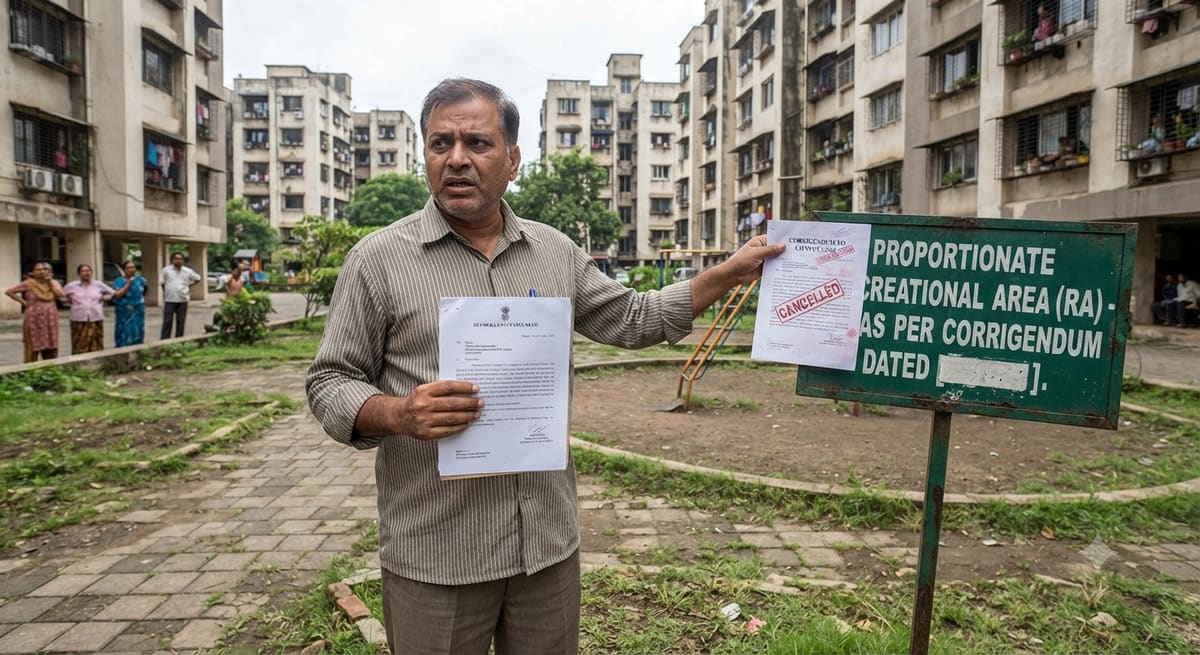
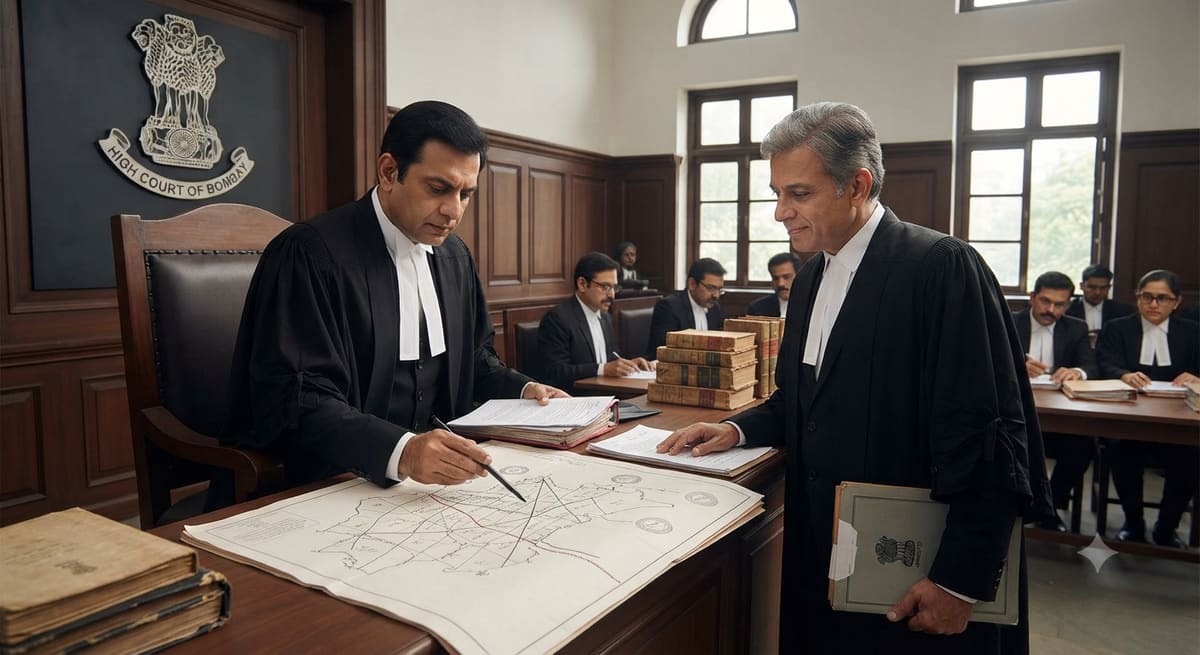
MOFA Section 11 | Competent Authority Cannot Amend Deemed Conveyance via Corrigendum to Allocate Proportionate Recreational Area: Bombay HC
Case Law Analysis
|Bombay High Court

MOFA Section 11 | Competent Authority Cannot Amend Deemed Conveyance via Corrigendum to Allocate Proportionate Recreational Area: Bombay HC

The Bombay High Court has ruled that once a deemed conveyance certificate is issued under MOFA, the Competent Authority becomes functus officio and cannot later alter property allocations-such as proportionate shares in recreational space-through a corrigendum. This clarifies that clerical corrections under MOFA cannot resolve substantive disputes over land division, protecting societies and developers from post-conveyance administrative overreach.

Section 64 LARR Act 2013 | Compassionate Claims for Tree Compensation Barred After Statutory Award; Remedy Limited to Collector’s Review : Bombay HC
Case Law Analysis
|Bombay High Court

Section 64 LARR Act 2013 | Compassionate Claims for Tree Compensation Barred After Statutory Award; Remedy Limited to Collector’s Review : Bombay HC

The Bombay High Court has ruled that once a statutory land acquisition award fixes compensation at zero for trees, no further relief can be granted on grounds of compassion or hardship, even for senior citizens or women. The only recourse lies in invoking Section 64 of the LARR Act 2013 to challenge the award’s quantum - not through writ petitions seeking equitable relief. This reinforces the finality of statutory compensation determinations and curbs judicial overreach into administrative valuation.

Section 11 MOFA | Competent Authority Cannot Substantively Amend Order via Corrigendum : Bombay HC
Case Law Analysis
|Bombay High Court

Section 11 MOFA | Competent Authority Cannot Substantively Amend Order via Corrigendum : Bombay HC

Bombay HC rules that altering property area from 566.94 sq. mtrs to 828.24 sq. mtrs via corrigendum constitutes a substantive review, not a clerical correction, violating the functus officio doctrine under Section 11 of the Maharashtra Ownership Flats Act. The ruling bars authorities from indirectly reviewing their own orders without due process, impacting property rights and obligations of housing societies.

Functus Officio Doctrine | Post-Finalization Insertion of Interest in Recovery Certificate Not Permissible as Clerical Correction : Bombay HC
Case Law Analysis
|Bombay High Court

Functus Officio Doctrine | Post-Finalization Insertion of Interest in Recovery Certificate Not Permissible as Clerical Correction : Bombay HC

The Bombay High Court has ruled that once a recovery certificate is issued, the authority becomes functus officio and cannot later insert interest without a fresh adjudication, even if the interest was mathematically calculable. This reinforces that clerical corrections cannot substantively alter liability, protecting borrowers from unilateral administrative expansion of debt beyond the original order.

BNSS Section 193 | Acceptance of Untrace Report Renders Court Functus Officio, Barred from Directing Police Action: Delhi HC
Case Law Analysis
|Delhi High Court

BNSS Section 193 | Acceptance of Untrace Report Renders Court Functus Officio, Barred from Directing Police Action: Delhi HC

The Delhi High Court held that once a magistrate accepts an untrace or cancellation report under BNSS Section 193, the judicial function concludes, leaving the court without authority to summon police officials or direct departmental action. This ruling reinforces the finality of judicial proceedings post-report acceptance, limiting judicial oversight of police investigations after closure.