The Bombay High Court has clarified that compensation for trees in land acquisition proceedings cannot be awarded on compassionate grounds after the statutory award has been issued. The judgment underscores the primacy of statutory procedures under the Right to Fair Compensation and Transparency in Land Acquisition, Rehabilitation and Resettlement Act, 2013, and rejects any post-award discretion by executive officers.
Background & Facts
The Dispute
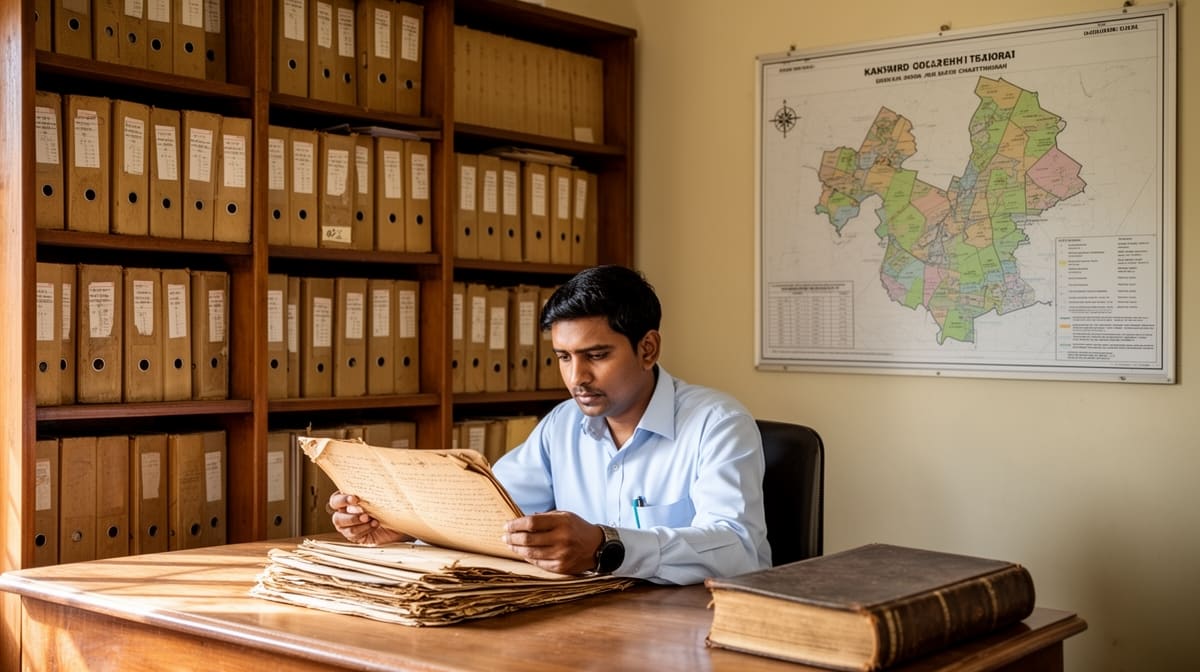
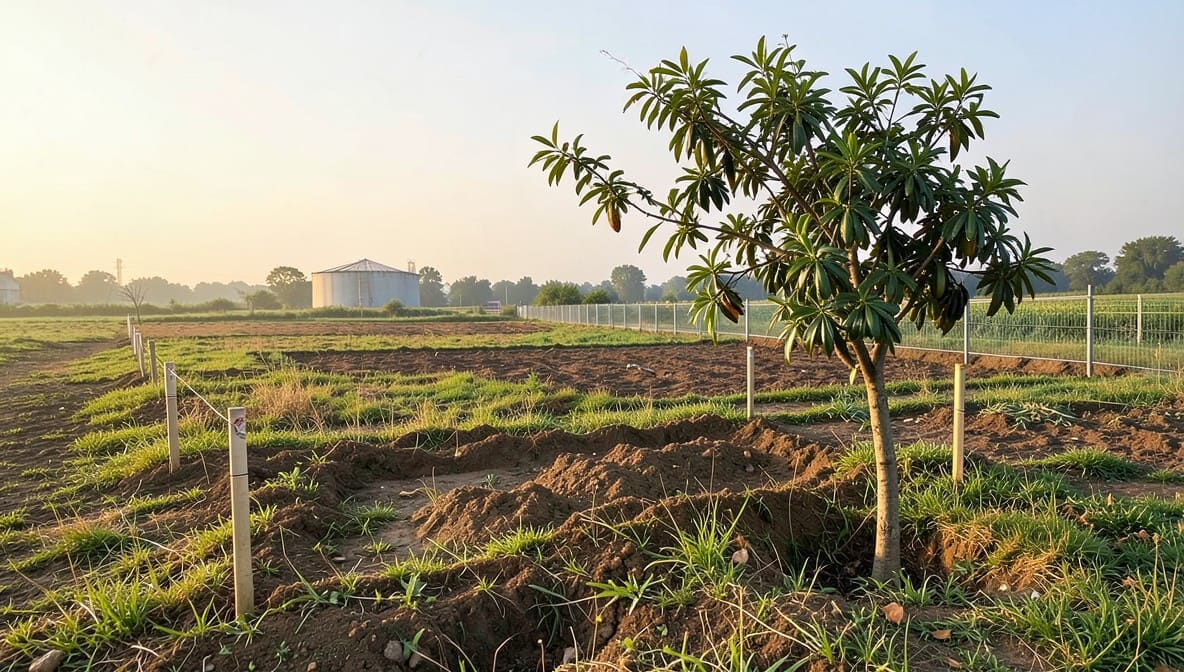
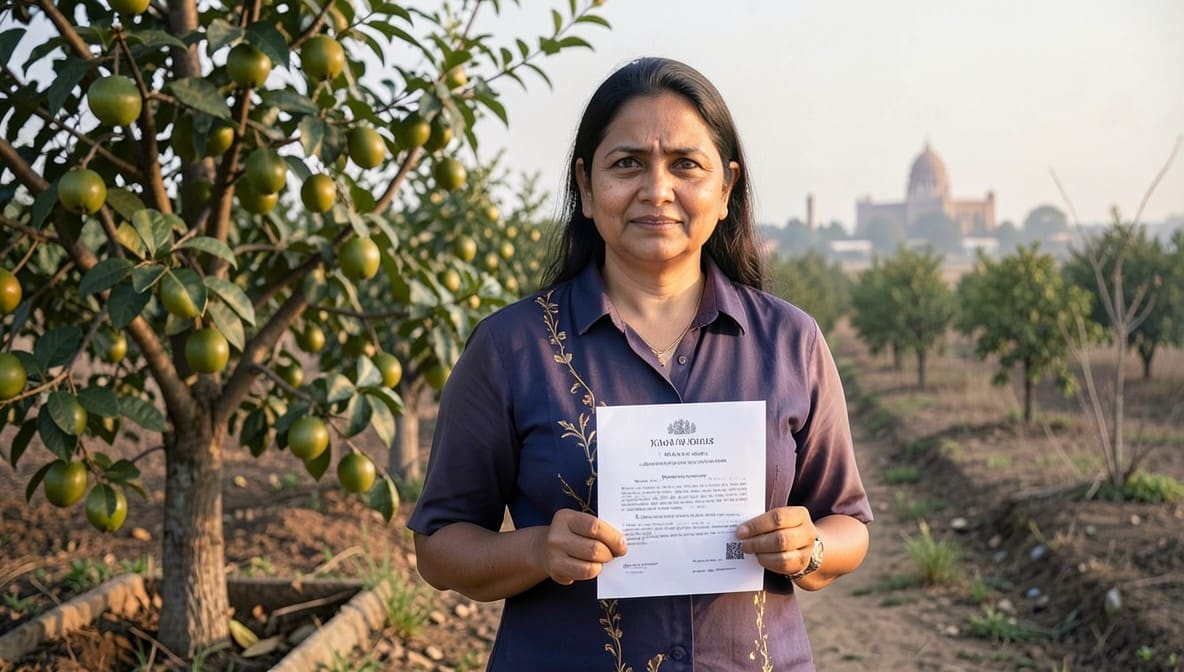
The petitioner, Kusum Ramdas Patil, a senior citizen and woman landowner, sought payment of compensation for fruit-bearing trees and other trees on land acquired by the State for public purpose. Although the land acquisition award was issued on 10.04.2015, the compensation amount for trees was recorded as zero. The petitioner, dissatisfied with this determination, pursued administrative remedies over several years, culminating in a proposal by the Sub-Divisional Officer (SDO) dated 04.07.2022 recommending compassionate payment.
Key Facts
- The land acquisition process was initiated under the Land Acquisition Act, 1894, but the quantum of compensation was determined under the Right to Fair Compensation and Transparency in Land Acquisition, Rehabilitation and Resettlement Act, 2013 (LARR Act, 2013)
- The land acquisition award dated 10.04.2015 granted compensation for land but recorded compensation for trees as "0 (zero)"
- The petitioner received the full compensation for land but not for trees
- On 04.07.2022, the then Sub-Divisional Officer sent a proposal to the Collector recommending payment of compensation for trees on compassionate grounds
- The Collector did not respond to this proposal until 20.04.2026, rejecting it on grounds that no such discretionary power existed
- The petitioner filed the writ petition on 20.04.2026, seeking enforcement of the SDO’s proposal
- The petitioner had not filed any application under Section 64 of the LARR Act, 2013, within the statutory period
Procedural History
- 10.04.2015: Land acquisition award issued by Competent Authority; compensation for trees fixed at zero
- 04.07.2022: Sub-Divisional Officer sends proposal to Collector recommending compassionate compensation for trees
- 20.04.2026: Collector responds, rejecting proposal as legally untenable
- 20.04.2026: Writ Petition No. 4224 of 2026 filed before Bombay High Court
- 06.04.2026: Court issued interim order expressing concern over delay and directing prompt action
- 30.04.2026: Final hearing and judgment delivered
The Parties' Positions
Petitioner: Argued that the SDO’s proposal dated 04.07.2022 constituted a binding administrative commitment, and that delay in disbursal was unjust, particularly given her status as a senior citizen and woman. She contended that equity and humanitarian considerations should override strict legal procedure.
Respondent-State: Contended that the award was final and binding under the LARR Act, 2013. The SDO’s proposal had no legal basis, as the Competent Authority had already determined compensation after due inquiry. No statutory provision permits compassionate payments beyond the award. The Collector’s belated but legally correct response must prevail.
Relief Sought
The petitioner sought a direction to the State to disburse compensation for fruit-bearing trees and other trees as recommended in the SDO’s proposal dated 04.07.2022, along with interest and costs.
The Legal Issue
The central question was whether an executive officer, after the issuance of a statutory land acquisition award, may recommend or authorize compensation for trees on compassionate grounds, and whether such a recommendation creates a legally enforceable right in the absence of a formal reference under Section 64 of the LARR Act, 2013.
Arguments Presented
For the Petitioner
The petitioner’s counsel argued that the SDO’s proposal dated 04.07.2022 was a clear administrative admission of liability, and that the State’s subsequent delay in acting upon it, especially against a senior citizen, violated principles of natural justice and equity. Reliance was placed on judicial trends favoring humanitarian relief in land acquisition cases involving vulnerable claimants.
For the Respondent/State
The learned Additional Government Pleader submitted that the award under Section 11 of the LARR Act, 2013, is final and conclusive as to the quantum of compensation. The Competent Authority, having determined compensation after due inquiry, becomes functus officio. The SDO’s proposal was ultra vires, as no provision in the Act permits discretionary or compassionate payments outside the award. The petitioner’s remedy, if aggrieved, was to file a reference under Section 64 within the prescribed period, which she failed to do.
The Court's Analysis
The Court examined the statutory framework under the LARR Act, 2013, and distinguished it from the earlier Land Acquisition Act, 1894. It noted that while Section 18 of the 1894 Act allowed objections to be filed before the Court, Section 64 of the 2013 Act provides a specific, time-bound remedy before the Collector, who may condone delay up to one year.
"The petitioner was aware about the contents of the award and if she was aggrieved by the same, the only remedy available to her was to seek a reference before the Land Acquisition, Rehabilitation and Resettlement Authority, by approaching the Collector under Section 64 of the Act of 2013."
The Court emphasized that the award is not merely an administrative document but a statutory determination with finality. The SDO’s proposal dated 04.07.2022, while well-intentioned, was legally unsustainable. The Court cited the Full Bench decision in Pune Municipal Corporation v. Rajeev L. Sangtani to affirm that post-2013 acquisitions are governed exclusively by the LARR Act, and remedies under the old Act are no longer available.
The Court further held that the Competent Authority, having passed the award, is functus officio and cannot revisit or modify its determination. Administrative proposals, even if made by officers, cannot override statutory finality. The Collector’s eventual response, though delayed, was legally correct.
The Court acknowledged the petitioner’s hardship but held that equity cannot override statutory procedure. The petitioner’s failure to avail the statutory remedy under Section 64 within the permissible period barred her claim.
The Verdict
The writ petition is dismissed. The Court held that no compensation for trees can be granted beyond the statutory award dated 10.04.2015, which fixed such compensation at zero. The petitioner is at liberty to pursue any other remedy available in law, including filing a reference under Section 64 of the LARR Act, 2013, if still within the limitation period. No monetary relief, interest, or costs are awarded.
What This Means For Similar Cases
Statutory Awards Are Final and Non-Modifiable
- Practitioners must advise clients that once a land acquisition award is issued under the LARR Act, 2013, no further compensation can be claimed through administrative requests or compassionate appeals
- Any challenge to the quantum of compensation must be raised through Section 64 within one year of the award’s publication
Administrative Proposals Have No Legal Force
- Proposals by Sub-Divisional Officers or other officials recommending additional compensation are not binding and cannot create enforceable rights
- Courts will not enforce such recommendations even if made in good faith or to a vulnerable claimant
Delay in Seeking Statutory Remedy Is Fatal
- The one-year condonation period under Section 64 is a statutory window; failure to act within it extinguishes the right to challenge the award
- Practitioners must immediately advise clients to file Section 64 references upon receipt of the award, regardless of perceived fairness