Topic

fair trial

Fair trial in Indian law ensures procedural justice through rights like cross-examination, impartial adjudication, and proper notice under the CrPC and BNSS.

79 articlesLatest September 2026
Right to Produce Documents Arises at Defence Stage, Not During Prosecution Evidence | Section 91 Cr.P.C. : Punjab & Haryana HC
Case Law Analysis
|Punjab and Haryana High Court

Right to Produce Documents Arises at Defence Stage, Not During Prosecution Evidence | Section 91 Cr.P.C. : Punjab & Haryana HC

The Punjab & Haryana HC held that an accused cannot compel production of a status report submitted to the Supreme Court in another proceeding when it is not part of the case record, affirming that the right to seek documents under Section 91 Cr.P.C. arises at the defence stage, not during prosecution evidence. This ruling clarifies disclosure limits and impacts defence strategy in criminal trials.

Section 223(1) BNSS | Accused Must Be Heard Before Cognizance in SEBI Special Courts: Bombay HC
Case Law Analysis
|Bombay High Court

Section 223(1) BNSS | Accused Must Be Heard Before Cognizance in SEBI Special Courts: Bombay HC

The Bombay High Court has ruled that Special Courts under the SEBI Act cannot take cognizance of offences without first affording the accused an opportunity to be heard, as mandated by the first proviso to Section 223 of the BNSS 2023. This sets a critical procedural safeguard for financial defendants, ensuring fair trial rights are not bypassed even in regulatory prosecutions.

Split Trials & Defective Investigation Do Not Vitiate Conviction If No Prejudice Caused : SC Acquits Husband After 25-Year Dowry Death Trial
Case Law Analysis
|Supreme Court of India

Split Trials & Defective Investigation Do Not Vitiate Conviction If No Prejudice Caused : SC Acquits Husband After 25-Year Dowry Death Trial

The Supreme Court ruled that procedural lapses like split trials and defective investigation do not automatically vitiate a conviction if no prejudice is caused to the accused. The judgment underscores the prosecution's burden to prove guilt beyond reasonable doubt and mandates equal judicial scrutiny of defense evidence, setting a precedent for fair trial standards in dowry death cases.

Section 311 CrPC | Right to Effective Cross-Examination via Video Conferencing Must Be Ensured : Karnataka HC
Case Law Analysis
|Karnataka High Court

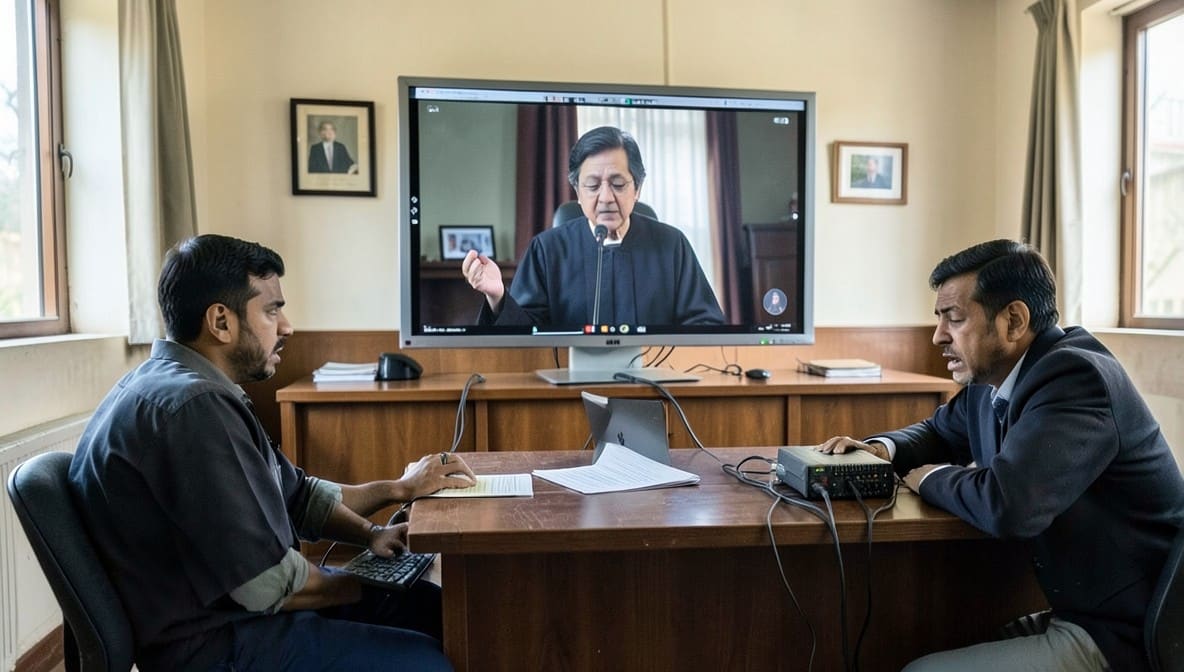
Section 311 CrPC | Right to Effective Cross-Examination via Video Conferencing Must Be Ensured : Karnataka HC

Karnataka High Court quashed a trial court order rejecting recall of witnesses under Section 311 CrPC, ruling that technical glitches during video conferencing deprived the accused of effective cross-examination. The court remanded the matter for fresh consideration with costs, reinforcing that fair trial rights prevail over procedural formalities.

Section 311 CrPC | Accused Entitled to Re-cross-examine Witness After New Contradictions Emerge from Re-examined Witness : MP HC Jabalpur
Case Law Analysis
|Madhya Pradesh High Court

Section 311 CrPC | Accused Entitled to Re-cross-examine Witness After New Contradictions Emerge from Re-examined Witness : MP HC Jabalpur

The Madhya Pradesh High Court held that when re-examination of a witness reveals material contradictions unavailable during initial cross-examination, the accused must be granted a single opportunity to re-cross-examine previously examined witnesses under Section 311 CrPC to ensure fair trial and natural justice. This clarifies that procedural fairness trumps rigid sequencing of evidence when new factual inconsistencies arise.

Section 138 NI Act | Handwriting Expert Analysis Permissible to Challenge Statutory Presumption of Authorship : Kerala HC
Case Law Analysis
|Kerala High Court

Section 138 NI Act | Handwriting Expert Analysis Permissible to Challenge Statutory Presumption of Authorship : Kerala HC

The Kerala High Court has ruled that accused persons in cheque bounce cases under Section 138 of the NI Act may seek handwriting expert analysis to rebut the statutory presumption that they authored the cheque. This clarifies that the presumption is rebuttable and affirms the right to a fair trial by allowing forensic evidence to test the complainant’s allegations, directly impacting defense strategy in financial dispute prosecutions.

Section 65B Evidence Act | Defence Evidence Not Inadmissible for Lack of Certificate; Fresh Application Permitted in NI Act Trials : Karnataka HC
Case Law Analysis
|Karnataka High Court

Section 65B Evidence Act | Defence Evidence Not Inadmissible for Lack of Certificate; Fresh Application Permitted in NI Act Trials : Karnataka HC

The Karnataka High Court has ruled that the absence of a Section 65B certificate does not permanently bar defence evidence in cheque bounce cases. The accused may file a fresh application to cure the defect, ensuring fair trial rights are not sacrificed over procedural technicalities. This clarifies that Section 65B’s certificate requirement is curable, not fatal, when applied to defence documents.

Section 138 NI Act | Right to Cross-Examine Prosecution Witnesses Cannot Be Denied Without Just Cause: Kerala HC
Case Law Analysis
|Kerala High Court

Section 138 NI Act | Right to Cross-Examine Prosecution Witnesses Cannot Be Denied Without Just Cause: Kerala HC

The Kerala High Court has ruled that denying an accused the opportunity to cross-examine prosecution witnesses in a cheque bounce case violates the fundamental right to a fair trial under Article 21. This mandates trial courts to ensure timely and uninterrupted cross-examination, especially when witness testimonies are interdependent, reinforcing procedural fairness over procedural convenience in NI Act prosecutions.

POCSO Act | Right to Cross-Examination Non-Compliance Vitiates Conviction; Bombay HC Acquits Accused for Untested Evidence
Case Law Analysis
|Bombay High Court

POCSO Act | Right to Cross-Examination Non-Compliance Vitiates Conviction; Bombay HC Acquits Accused for Untested Evidence

Bombay High Court acquitted three accused in a POCSO case, ruling that evidence untested by cross-examination cannot sustain a conviction. The judgment reinforces that procedural compliance with cross-examination rights is mandatory for a fair trial under criminal law, directly impacting prosecution strategies in POCSO and other criminal cases.