Topic

Electronic Evidence

Electronic evidence in Indian law refers to digital data admissible in court under Section 65B of the Indian Evidence Act, requiring a certified authenticity certificate for admissibility.

21 articlesLatest September 2026
Secretly recorded electronic evidence of adultery admissible in Section 125 CrPC maintenance applications | Family Court proceedings : MP HC
Case Law Analysis
|Madhya Pradesh High Court

Secretly recorded electronic evidence of adultery admissible in Section 125 CrPC maintenance applications | Family Court proceedings : MP HC

The Madhya Pradesh High Court ruled that a compact-disc and transcript alleging the wife’s adultery can be used as secondary evidence and must be considered when deciding interim maintenance under Section 125 CrPC, overturning the Family Court’s order. This establishes that secretly captured electronic material is permissible evidence in maintenance disputes, affecting spouses seeking or contesting maintenance.

BNSS Section 482 | Anticipatory Bail Granted Where Accused Not Named in FIR and No Prima Facie Evidence: Karnataka HC
Case Law Analysis
|Karnataka High Court

BNSS Section 482 | Anticipatory Bail Granted Where Accused Not Named in FIR and No Prima Facie Evidence: Karnataka HC

Karnataka High Court sets a precedent under Bharatiya Nagarik Suraksha Sanhita (BNSS) by granting anticipatory bail to an accused not named in the FIR, emphasizing that mere allegations without incriminating evidence cannot justify denial of bail. The ruling underscores the judiciary's role in protecting personal liberty where investigation fails to establish a prima facie case.

Section 65B Evidence Act | Defence Evidence Not Inadmissible for Lack of Certificate; Fresh Application Permitted in NI Act Trials : Karnataka HC
Case Law Analysis
|Karnataka High Court

Section 65B Evidence Act | Defence Evidence Not Inadmissible for Lack of Certificate; Fresh Application Permitted in NI Act Trials : Karnataka HC

The Karnataka High Court has ruled that the absence of a Section 65B certificate does not permanently bar defence evidence in cheque bounce cases. The accused may file a fresh application to cure the defect, ensuring fair trial rights are not sacrificed over procedural technicalities. This clarifies that Section 65B’s certificate requirement is curable, not fatal, when applied to defence documents.

Section 63(4) BSA | Certificate from Original Device Custodian Mandatory for Electronic Evidence Admissibility: Himachal Pradesh HC
Case Law Analysis
|Himachal Pradesh High Court

Section 63(4) BSA | Certificate from Original Device Custodian Mandatory for Electronic Evidence Admissibility: Himachal Pradesh HC

Himachal Pradesh High Court rules that under Section 63(4) of the Bharatiya Sakshya Adhiniyam, a certificate from the custodian of the original electronic device-not the opposing party-is essential for admitting secondary electronic evidence. Non-compliance renders the evidence inadmissible, reinforcing strict procedural compliance in digital evidence submission.

Bail Denial Under BNS Section 318(4) | Pattern of Multiple FIRs and Electronic Admissions of Liability Justify Pre-Charge Bail Rejection : Punjab & Haryana HC
Case Law Analysis
|Punjab and Haryana High Court

Bail Denial Under BNS Section 318(4) | Pattern of Multiple FIRs and Electronic Admissions of Liability Justify Pre-Charge Bail Rejection : Punjab & Haryana HC

Punjab & Haryana HC rules that bail in economic offences can be denied at the pre-charge stage if multiple similar FIRs and electronic evidence demonstrate a pattern of fraud, outweighing claims of civil dispute. The ruling reinforces that repeated fraudulent conduct and admissions of liability are sufficient grounds for bail denial, even without a charge sheet.

Section 65B Evidence Act | Self-Certification of Electronic Evidence from Personal Devices Valid Without Third-Party Certificate : Andhra Pradesh HC
Case Law Analysis
|Andhra Pradesh High Court

Section 65B Evidence Act | Self-Certification of Electronic Evidence from Personal Devices Valid Without Third-Party Certificate : Andhra Pradesh HC

The Andhra Pradesh High Court ruled that electronic evidence from personal devices, including WhatsApp chats, emails, and digital photographs, can be admitted under Section 65B of the Evidence Act with a self-certificate alone, provided it meets statutory requirements. This clarifies a critical procedural hurdle in family law and other litigation, eliminating the need for third-party certification for evidence generated from personal devices.

Section 108 Customs Act | Electronic Evidence Must Comply With Statutory Procedures to Sustain Duty Demand: CESTAT Hyderabad
Case Law Analysis
|Custom, Excise & Service Tax Tribunal

Section 108 Customs Act | Electronic Evidence Must Comply With Statutory Procedures to Sustain Duty Demand: CESTAT Hyderabad

CESTAT Hyderabad quashed a differential duty demand and penalties, ruling that electronic evidence like emails and statements under Section 108 of the Customs Act must strictly adhere to statutory compliance, including the right to cross-examination. The decision underscores that procedural lapses in evidence collection vitiate the validity of duty demands, impacting importers and customs authorities alike.

Section 153C IT Act | Third-Party Electronic Evidence Inadmissible Without Assessee Confrontation or Corroboration : ITAT Mumbai
Case Law Analysis
|Income Tax Appellate Tribunal

Section 153C IT Act | Third-Party Electronic Evidence Inadmissible Without Assessee Confrontation or Corroboration : ITAT Mumbai

ITAT Mumbai rules that additions under Section 69 of the Income Tax Act cannot be justified based solely on third-party electronic data (e.g., Excel files from a search) unless the assessee is confronted with the evidence and given an opportunity for cross-examination. The tribunal emphasized that unauthenticated digital documents lack evidentiary value under the Indian Evidence Act, reinforcing natural justice principles in tax proceedings.

Section 65B IEA | Forensic Examination of Social Media Evidence Not Mandatory at Preliminary Stage : HP HC
Case Law Analysis
|Himachal Pradesh High Court

Section 65B IEA | Forensic Examination of Social Media Evidence Not Mandatory at Preliminary Stage : HP HC

HP High Court rules that trial courts need not mandate forensic examination of social media videos during preliminary stages, leaving authenticity determinations to evidence appreciation at trial. The ruling clarifies that Section 65B compliance and forensic testing are discretionary, not obligatory, at the pre-trial phase, impacting how electronic evidence is handled in criminal proceedings.

Section 94 BNSS | Trial Courts Must Preserve Electronic Evidence at Pre-Trial Stage to Uphold Fair Trial Rights : MP HC Gwalior
Case Law Analysis
|Madhya Pradesh High Court

Section 94 BNSS | Trial Courts Must Preserve Electronic Evidence at Pre-Trial Stage to Uphold Fair Trial Rights : MP HC Gwalior

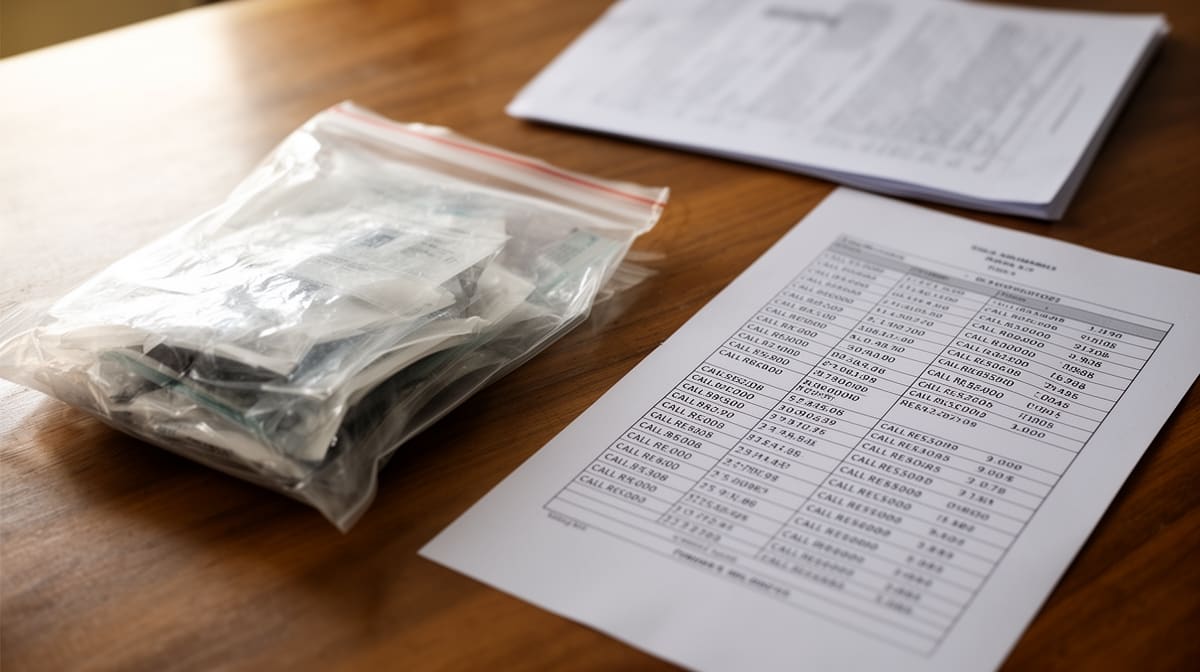
The Madhya Pradesh High Court ruled that applications under Section 94 BNSS for preserving electronic evidence, such as call records and digital transactions, must be decided promptly at the pre-trial stage. Delaying consideration until the defence evidence stage risks prejudice and violates Article 21 fair trial rights, particularly in alibi defences.

Section 65-B Evidence Act | Mandatory Certificate Requirement for Electronic Evidence Non-Negotiable : SC Overturns Conviction Based on Call Detail Records Without Certification
Case Law Analysis
|Supreme Court of India

Section 65-B Evidence Act | Mandatory Certificate Requirement for Electronic Evidence Non-Negotiable : SC Overturns Conviction Based on Call Detail Records Without Certification

The Supreme Court reaffirmed that electronic evidence, including call detail records, is inadmissible without a valid Section 65-B certificate. This ruling overturned a conviction reliant solely on circumstantial evidence, setting a strict precedent for the admissibility of digital records in criminal trials.