Topic

Customs and Excise Law

Customs and Excise Law in India governs the levy, collection, and dispute resolution of duties on goods manufactured, imported, or exported, including central excise, customs duties, and related compliance obligations.

10 articlesLatest July 2026
HSN 7314 vs. 8436 | GI Welded Wire Mesh for Poultry Cages Classifiable as Iron/Steel Article, Not Poultry Machinery: CESTAT Hyderabad
Case Law Analysis
|Custom, Excise & Service Tax Tribunal

HSN 7314 vs. 8436 | GI Welded Wire Mesh for Poultry Cages Classifiable as Iron/Steel Article, Not Poultry Machinery: CESTAT Hyderabad

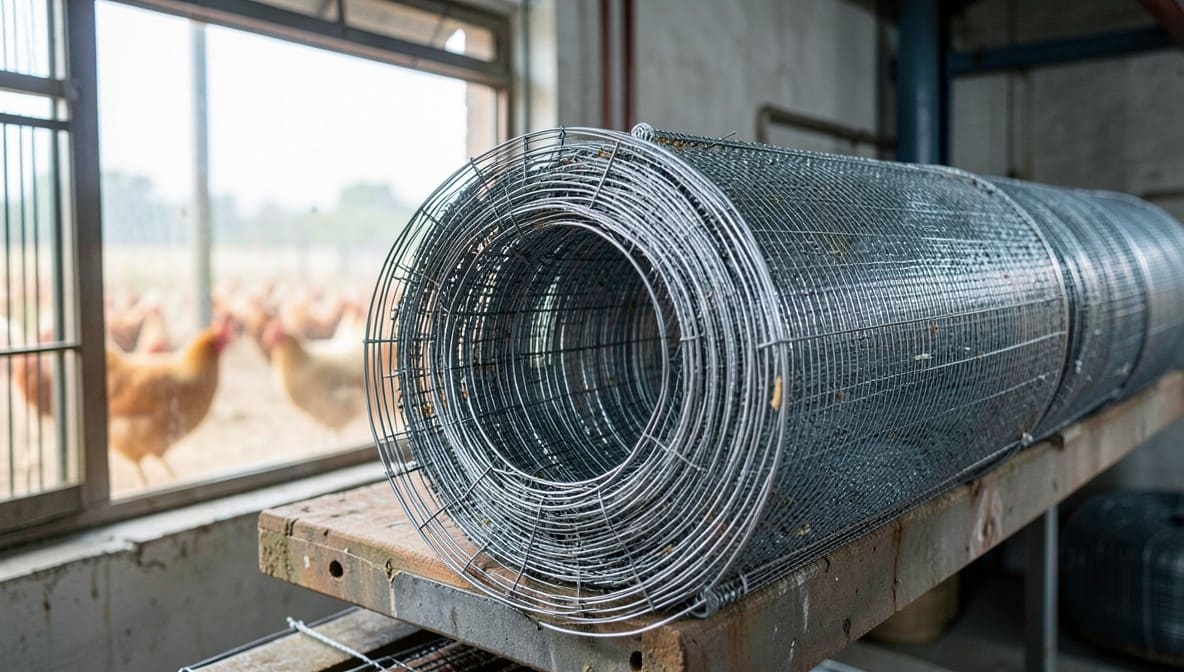
CESTAT Hyderabad rules that galvanized iron welded wire mesh used in poultry cages falls under HSN 7314 (iron/steel articles) rather than HSN 8436 (poultry machinery), directly impacting customs duty liability. The decision clarifies classification disputes for manufacturers and importers of similar industrial materials.
Notification 12/2012-CE Sr. No. 203 | Hot Rolling of SS Flats into Pattas/Pattis Qualifies for Nil Duty, Even Without Further Processing: CESTAT Ahmedabad
Case Law Analysis
|Custom, Excise & Service Tax Tribunal

Notification 12/2012-CE Sr. No. 203 | Hot Rolling of SS Flats into Pattas/Pattis Qualifies for Nil Duty, Even Without Further Processing: CESTAT Ahmedabad

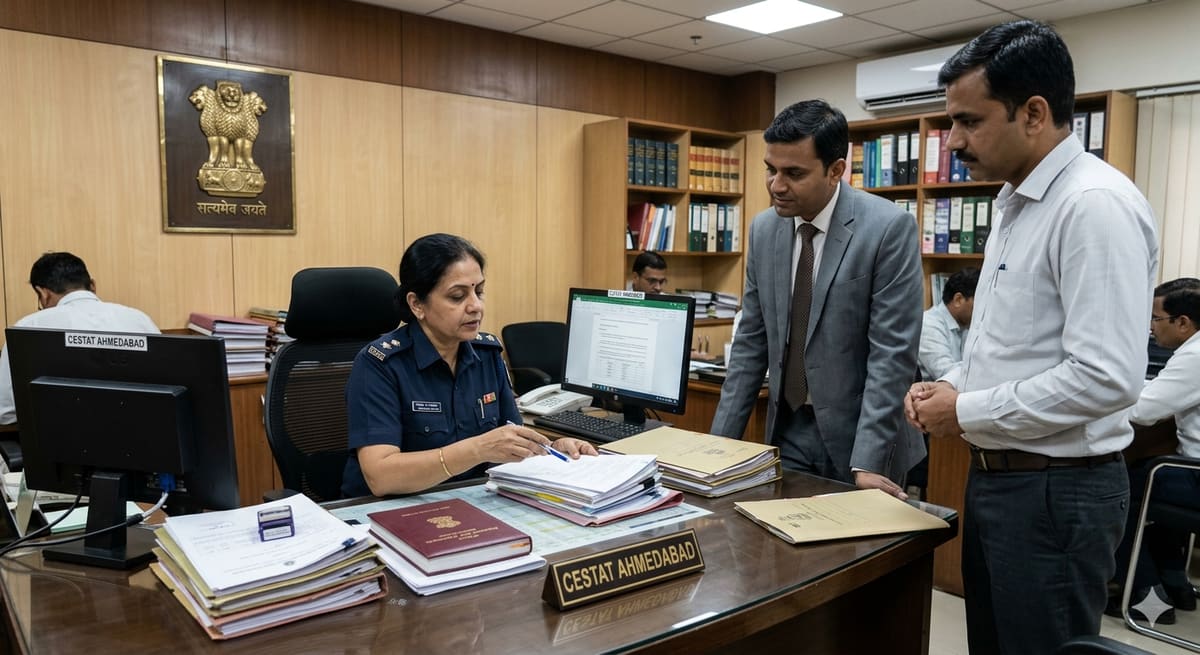
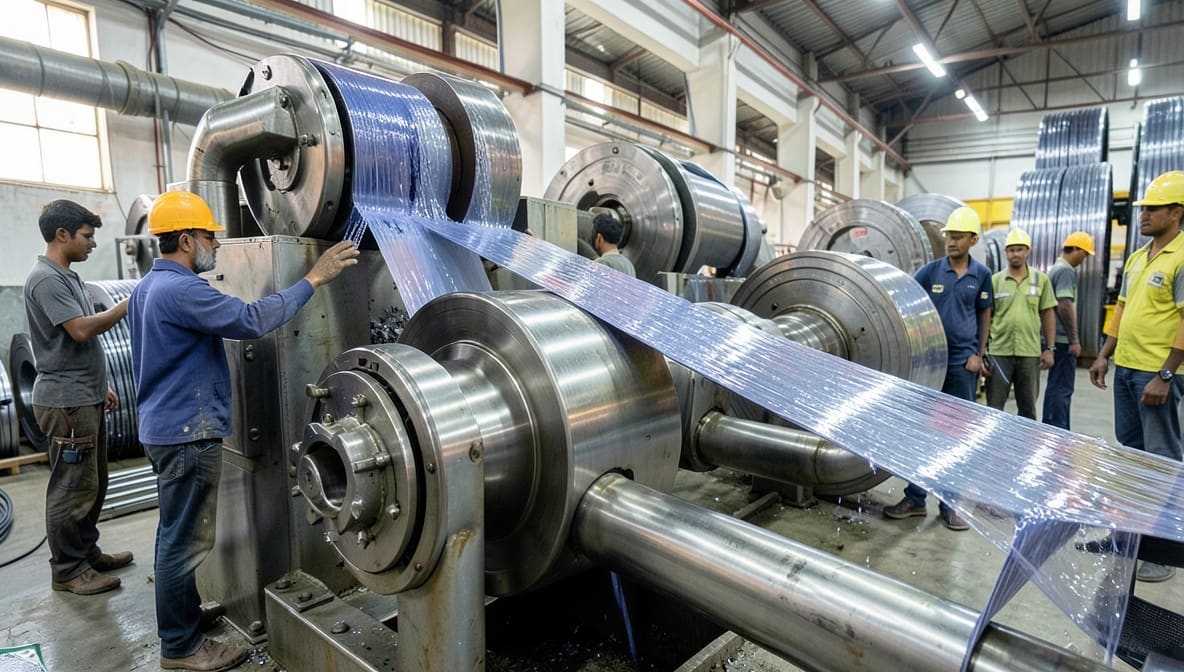
CESTAT Ahmedabad clarifies that hot-rolled stainless steel pattas/pattis are eligible for nil excise duty under Sr. No. 203 of Notification 12/2012-CE, even when no process beyond hot rolling is applied. This resolves long-standing ambiguity for manufacturers, affirming that cold rolling is the only excluded step - not mere slitting or shaping - significantly impacting SS flat product manufacturers across Gujarat and beyond.

Sugar Cess Exemption on Exports | Notification SO.585(E)/1993 Overrides CBIC Circular: CESTAT Ahmedabad
|Custom, Excise & Service Tax Tribunal

Sugar Cess Exemption on Exports | Notification SO.585(E)/1993 Overrides CBIC Circular: CESTAT Ahmedabad

CESTAT Ahmedabad has ruled that exported sugar is exempt from sugar cess under Notification SO.585(E) dated 30.07.1993, invalidating a Rs.77.50 lakh demand based on a conflicting CBIC circular. This clarifies that statutory exemptions prevail over departmental circulars, offering critical relief to sugar exporters and setting a precedent for tax compliance in agro-industrial supply chains.

Tariff Classification Consistency Over Years Bars Retroactive Reassessment | Central Excise Tariff Item 2403 99 | CESTAT
Case Law Analysis
|Custom, Excise & Service Tax Tribunal

Tariff Classification Consistency Over Years Bars Retroactive Reassessment | Central Excise Tariff Item 2403 99 | CESTAT

CESTAT rules that when both taxpayer and department consistently classify goods under the same tariff heading for years, the department cannot later reassess duties retroactively - establishing a binding legitimate expectation. Penalty under Rule 26 cannot be imposed without a prior finding of confiscation, reinforcing procedural safeguards for taxpayers relying on long-standing classification practices.

Rule 8 Valuation Rules | Intra-group Scrap Transfer for Captive Consumption Not a 'Sale' - Rule 9 Inapplicable: CESTAT
Case Law Analysis
|Custom, Excise & Service Tax Tribunal

Rule 8 Valuation Rules | Intra-group Scrap Transfer for Captive Consumption Not a 'Sale' - Rule 9 Inapplicable: CESTAT

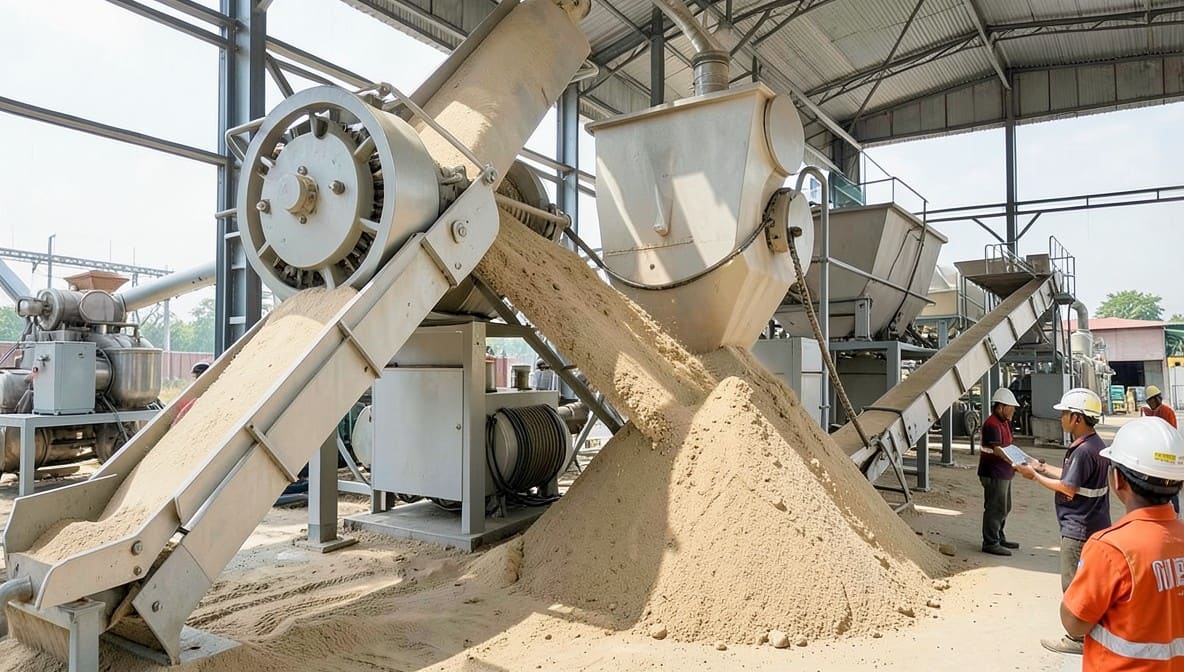
CESTAT holds that transferring scrap between amalgamated units for captive consumption does not constitute a sale under the Valuation Rules, 2000, rendering Rule 9 irrelevant. This shields internal transfers from valuation adjustments based on third-party prices, directly impacting how manufacturing groups structure scrap handling and claim Cenvat credit without triggering excise demands.

Section 11A(4) CEA | Bona Fide Belief in Interpretational Disputes Bars Extended Limitation Demand : CESTAT Chennai
Case Law Analysis
|Custom, Excise & Service Tax Tribunal

Section 11A(4) CEA | Bona Fide Belief in Interpretational Disputes Bars Extended Limitation Demand : CESTAT Chennai

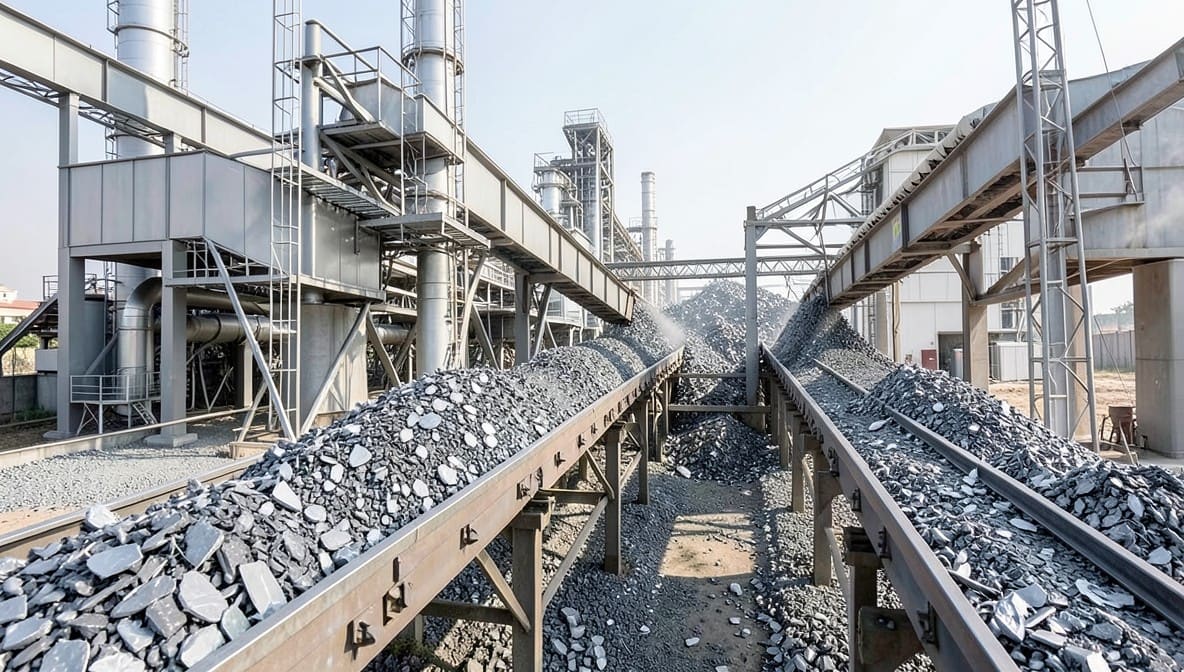
CESTAT Chennai rules that the extended period of limitation under Section 11A(4) of the Central Excise Act cannot be invoked if the taxpayer acted under a bona fide belief in an interpretational dispute over mineral concentrate classification. This holding shields taxpayers from retrospective demands where classification ambiguity exists, reinforcing the need for clear legal interpretations in tax disputes.

SVLDRS 2019 | Redemption Fine Paid Under Illegal Demand Must Be Refunded as Payment Not Voluntary : CESTAT Ahmedabad
Case Law Analysis
|Custom, Excise & Service Tax Tribunal

SVLDRS 2019 | Redemption Fine Paid Under Illegal Demand Must Be Refunded as Payment Not Voluntary : CESTAT Ahmedabad

CESTAT Ahmedabad rules that redemption fines paid under coercive departmental directions do not qualify as voluntary payments under SVLDRS 2019, entitling assessees to refunds. The decision protects taxpayers from unlawful administrative demands and reinforces the scheme’s intent to provide finality without duress.

Section 11A Central Excise Act | Extended Limitation Inapplicable Without Proof of Suppression in Bona Fide Classification Disputes : CESTAT Chandigarh
Case Law Analysis
|Custom, Excise & Service Tax Tribunal

Section 11A Central Excise Act | Extended Limitation Inapplicable Without Proof of Suppression in Bona Fide Classification Disputes : CESTAT Chandigarh

CESTAT Chandigarh rules that extended limitation under Section 11A of the Central Excise Act cannot be invoked merely for classification disputes unless deliberate suppression or intent to evade duty is proven. The ruling shields manufacturers from retrospective demands where classification errors stem from bona fide belief, reinforcing the need for clear evidence of fraudulent intent in excise proceedings.