The Bombay High Court has affirmed that a shipping line cannot lawfully detain imported goods after a court-directed waiver of demurrage charges has been issued, reinforcing that judicial orders override private commercial actions. This ruling clarifies the legal obligation of logistics entities to comply with administrative and judicial directives in customs clearance matters.
Background & Facts
The Dispute
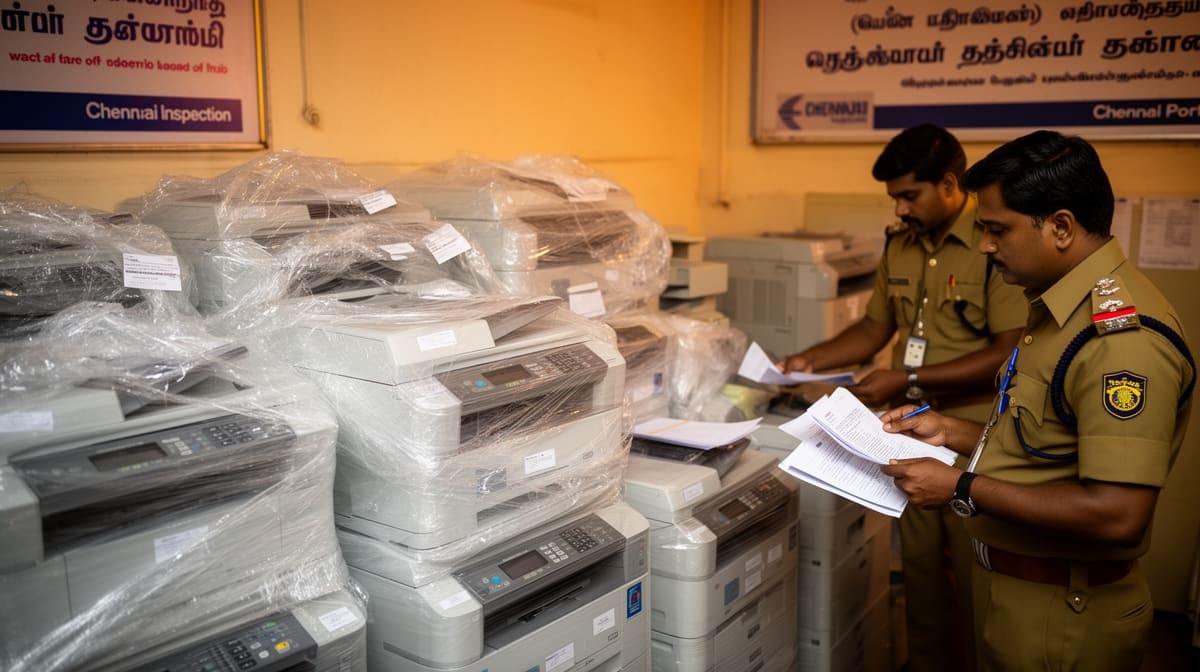
The petitioner, Santa Monica Farm Produce Private Limited, imported in-shell walnuts from the USA. The goods were detained by customs authorities and the shipping line, respondent no.5 (M/s. Wan Hai Lines), on grounds of alleged customs irregularities and accumulation of demurrage charges. The petitioner challenged the detention before the Bombay High Court.
Key Facts
- The goods were imported under a bill of lading issued by respondent no.5
- Customs authorities initiated investigation under the Customs Act, 1962
- On 23 January 2026, the petitioner obtained provisional release of goods subject to furnishing a bond
- On 5 February 2026, this Court passed an order in Writ Petition (L.) No. 42323 of 2025 directing:
- Release of goods within three days
- Issuance of a certificate of waiver of demurrage
- Preservation of all contentions for further investigation
- On 16 February 2026, the Customs authorities issued a Certificate of Waiver of Demurrage, duly annexed to the petition
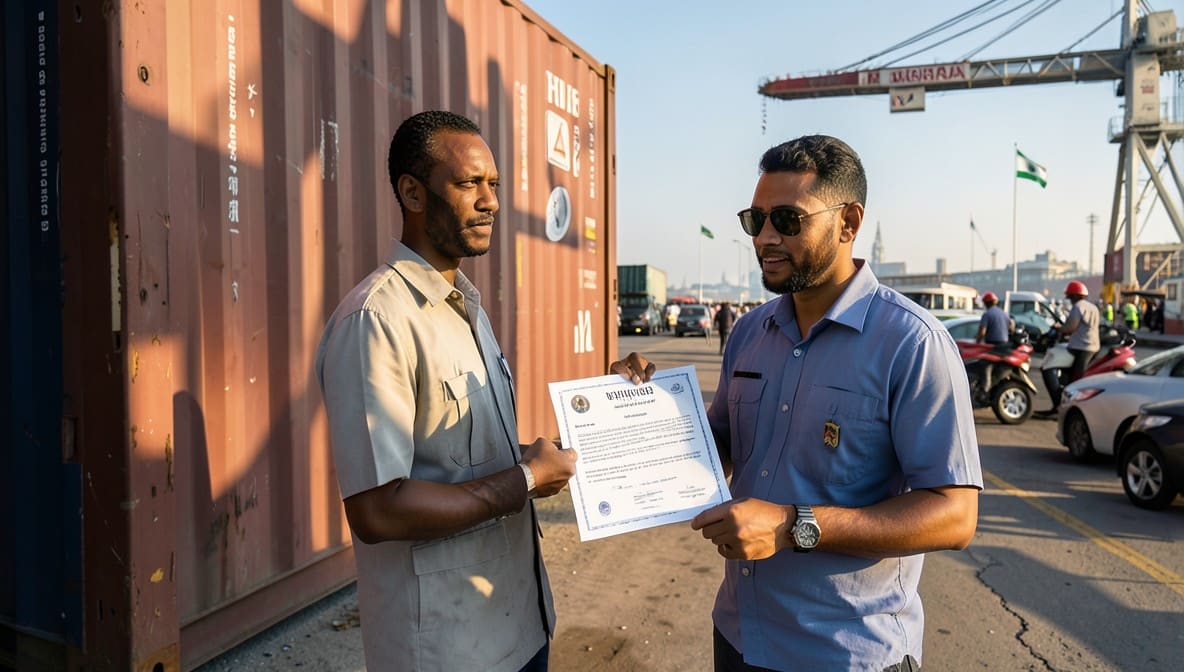
- Despite the Court’s order and the waiver certificate, respondent no.5 refused to release the goods
- The shipping line continued to assert demurrage claims despite the certificate
Procedural History
- 23 January 2026: Provisional release of goods ordered subject to bond
- 5 February 2026: High Court order directing release within three days and issuance of demurrage waiver certificate
- 16 February 2026: Certificate of Waiver of Demurrage issued by Customs authorities
- 18 March 2026: Present writ petition filed seeking immediate release of goods and declaration of detention as illegal
- 18 March 2026: Hearing before Division Bench of Bombay High Court
The Parties' Positions
Petitioner: Argued that the waiver certificate, issued pursuant to a court order, rendered further detention unlawful. Relied on Supreme Industries Ltd. (No.2) v. Central Board of Indirect Taxes and Customs to establish that shipping lines are legally bound to comply with such certificates under Regulation 10(1)(l) and (m) of the Customs House Agents Licensing Regulations, 2018.
Respondent No.5 (Shipping Line): Did not appear in person but had been served via email. No written submission was filed. The shipping line’s agent, M/s. Wan Hai Lines (India) Pvt. Ltd., had previously refused to accept physical service.
Relief Sought
The petitioner sought:
- Immediate release of the imported in-shell walnuts
- Declaration that continued detention by respondent no.5 was illegal
- Costs for unlawful detention
- Direction to respondent no.5 to comply with the waiver certificate and the Court’s order dated 5 February 2026
The Legal Issue
The central question was whether a shipping line is legally bound to release imported goods upon issuance of a Certificate of Waiver of Demurrage issued pursuant to a High Court order, even in the absence of direct contractual obligation.
Arguments Presented
For the Petitioner
Mr. Mohan Jayakar relied on Supreme Industries Ltd. (No.2) v. Central Board of Indirect Taxes and Customs to argue that Regulation 10(1)(m) of the Customs House Agents Licensing Regulations, 2018 imposes a statutory duty on shipping lines to comply with demurrage waiver certificates issued by customs authorities. He emphasized that the certificate was not merely administrative but issued under judicial direction, making non-compliance a contempt of court. He contended that the shipping line’s detention of goods amounted to an unlawful interference with a court order.
For the Respondent
Respondents 1 to 3 (Customs authorities) conceded that the waiver certificate was validly issued and that the goods should be released. Respondent no.4 (DRI) did not oppose the release. Respondent no.5 did not appear or file any counter-submission, thereby waiving the right to contest the petitioner’s claims.
The Court's Analysis
The Court examined the binding nature of the Certificate of Waiver of Demurrage dated 16 February 2026 and its relationship to the earlier order dated 5 February 2026. It noted that the certificate was not a voluntary concession but an official act issued in compliance with the Court’s directive.
"87. In the light of the above, we have no hesitation to hold that objection of respondent No.4 is not legally tenable. The detention cum demurrage waiver certificate dated 16th November, 2020 has been validly issued as it can be traced to Regulation 10(1)(l) of the 2018 Regulations and under Regulation 10(1)(m) thereof, respondent No.4 i.e., the shipping line is under a legal obligation to comply with the certificate. Thus, the detention cum demurrage certificate dated 16th November, 2020 is binding on respondent No.4. That apart, holding on to the goods of the petitioner by respondent No.4 post the detention cum demurrage waiver certificate dated 16th November, 2020 and levying detention charges thereafter would be illegal and thus unlawful."
The Court held that the reasoning in Supreme Industries Ltd. applied directly. The shipping line, as a regulated entity under the Customs House Agents Licensing Regulations, 2018, is not a private actor free to disregard official certificates issued under statutory authority. The Court further emphasized that the detention of goods after issuance of the waiver certificate and in defiance of its own order amounted to a gross illegality and potential contempt.
The Court rejected any notion that contractual terms between the shipping line and the importer could override statutory obligations or judicial mandates. The waiver certificate, once issued under court direction, became a binding instrument enforceable against all parties, including third-party logistics providers.
The Verdict
The petitioner succeeded. The Court directed respondent no.5 to forthwith release the imported in-shell walnuts without any further delay. The Court listed the matter for compliance on 23 March 2026. The order is binding on all parties, and failure to comply may attract contempt proceedings. No demurrage or storage charges may be levied post-issuance of the waiver certificate dated 16 February 2026.
What This Means For Similar Cases
Shipping Lines Cannot Override Judicial Directives
- Practitioners may now invoke Supreme Industries Ltd. to compel shipping lines to release goods upon production of a valid demurrage waiver certificate issued under court direction
- Any continued detention after such a certificate constitutes actionable illegality
- Legal notices to shipping lines must now cite Regulation 10(1)(m) of the 2018 Regulations and the relevant court order
Waiver Certificates Are Statutorily Binding
- Demurrage waiver certificates issued by customs authorities under Regulation 10(1)(l) are not discretionary but mandatory
- The certificate creates a statutory obligation on shipping lines under Regulation 10(1)(m)
- Courts will treat non-compliance as contempt, not merely a civil breach
Enforcement Against Non-Appearing Parties Is Viable
- Service via email to foreign shipping lines’ Indian agents is sufficient for notice
- Absence of appearance does not preclude the Court from granting relief
- Courts may proceed ex parte where the legal position is clear and the rights of the petitioner are unambiguous