Topic

boundary dispute

Boundary disputes in Indian law involve conflicts over land demarcation, often requiring judicial intervention under CPC Order 26 Rule 9 or revenue law provisions to determine physical limits without deciding title.

9 articlesLatest July 2026
Joint Measurement Ordered in Boundary Dispute | Bombay HC Nagpur Bench Clarifies Evidence Collection in Civil Suits
Case Law Analysis
|Bombay High Court

Joint Measurement Ordered in Boundary Dispute | Bombay HC Nagpur Bench Clarifies Evidence Collection in Civil Suits

Bombay HC Nagpur Bench quashed a trial court's rejection of a joint measurement application in a boundary dispute, holding that conflicting measurement reports necessitate joint measurement for accurate resolution. The ruling clarifies that such evidence collection is permissible even in suits for declaration and injunction, not just encroachment cases.
CrPC Section 133 | Cannot Be Invoked for Boundary or Title Disputes Within Municipal Limits; Must Be Resolved Under Karnataka Municipalities Act, 1964 : Karnataka HC
Case Law Analysis
|Karnataka High Court

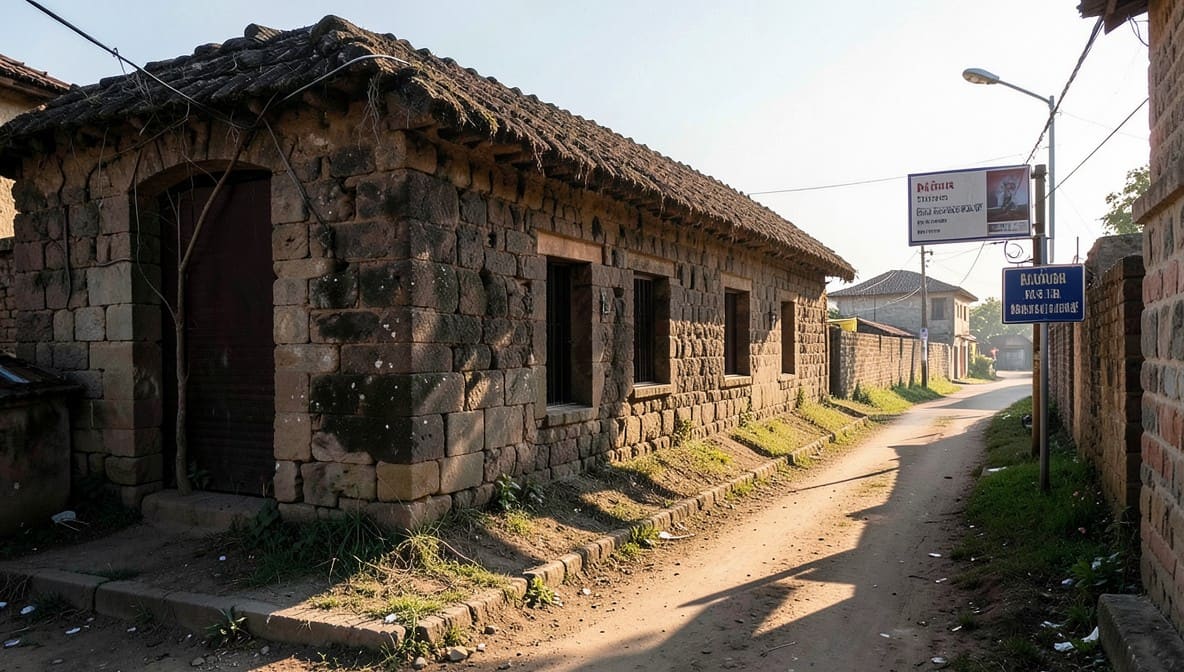
CrPC Section 133 | Cannot Be Invoked for Boundary or Title Disputes Within Municipal Limits; Must Be Resolved Under Karnataka Municipalities Act, 1964 : Karnataka HC

The Karnataka High Court has ruled that administrative orders under CrPC Section 133 cannot override municipal law by adjudicating property boundary or title claims. Such disputes fall exclusively within the domain of municipal authorities under the Karnataka Municipalities Act, 1964, preventing misuse of criminal procedure for civil land conflicts and clarifying jurisdictional boundaries for local governance.

3-Meter Buffer Zone Mandatory for Lawful Laterite Extraction | Police Protection Upheld Under Kerala Minor Mineral Concession Rules : Kerala HC
Case Law Analysis
|Kerala High Court

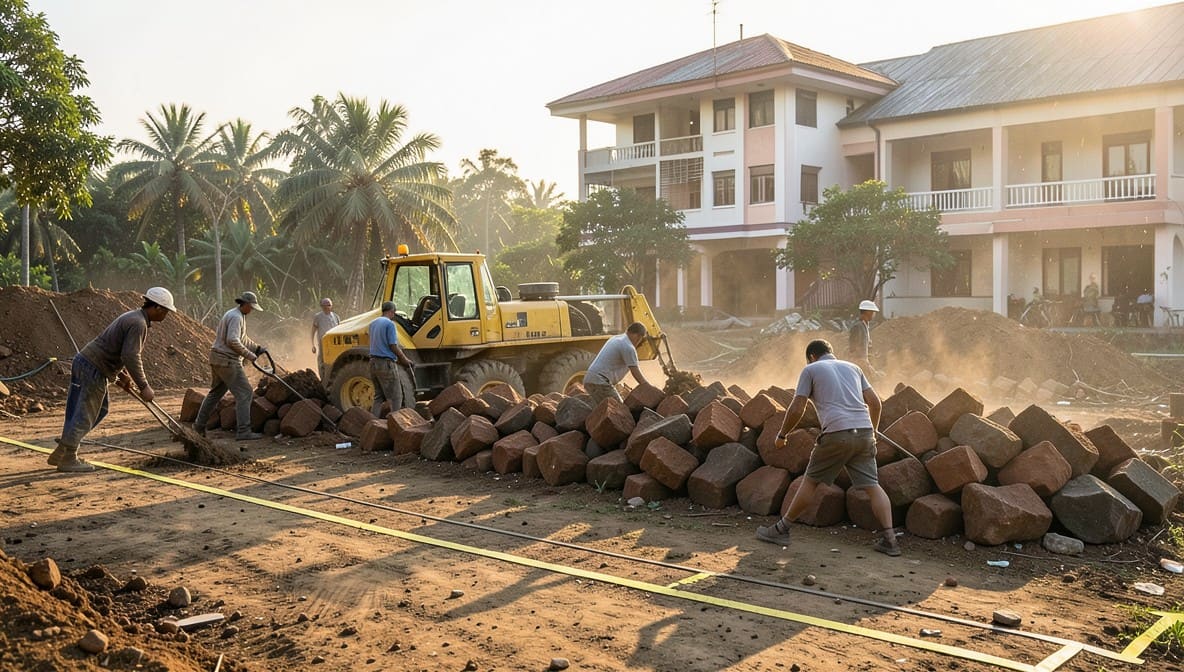
3-Meter Buffer Zone Mandatory for Lawful Laterite Extraction | Police Protection Upheld Under Kerala Minor Mineral Concession Rules : Kerala HC

The Kerala High Court has ruled that lawful removal of laterite stones under statutory permits entitles the extractor to police protection, but only if a 3-meter buffer is maintained from adjacent properties to prevent structural collapse. This sets a critical precedent for minor mineral operations near residential zones, balancing resource rights with property safety.

Land Demarcation Duty Under Revenue Law | Authorities Must Act Within 30 Days Without Deciding Title or Possession : MP HC Gwalior
Case Law Analysis
|Madhya Pradesh High Court

Land Demarcation Duty Under Revenue Law | Authorities Must Act Within 30 Days Without Deciding Title or Possession : MP HC Gwalior

The Madhya Pradesh High Court has mandated that revenue authorities must complete land demarcation between survey numbers within 30 days of application, as per state circulars, and cannot refuse on grounds of title disputes or possession claims. This clarifies the limited role of revenue officers in boundary disputes and protects landowners from administrative inaction, reinforcing procedural fairness in land record management.

Last Settlement Records Mandatory for Land Demarcation | HP HC Invalidates Outdated Revenue Records in Boundary Disputes
Case Law Analysis
|Himachal Pradesh High Court

Last Settlement Records Mandatory for Land Demarcation | HP HC Invalidates Outdated Revenue Records in Boundary Disputes

The Himachal Pradesh High Court ruled that demarcation reports in land disputes must strictly adhere to the last settlement records. Courts cannot rely on outdated revenue records, and fresh commissioners need not be appointed if a valid alternative report exists. This sets a precedent for boundary disputes, emphasizing the primacy of recent revenue records over historical ones.

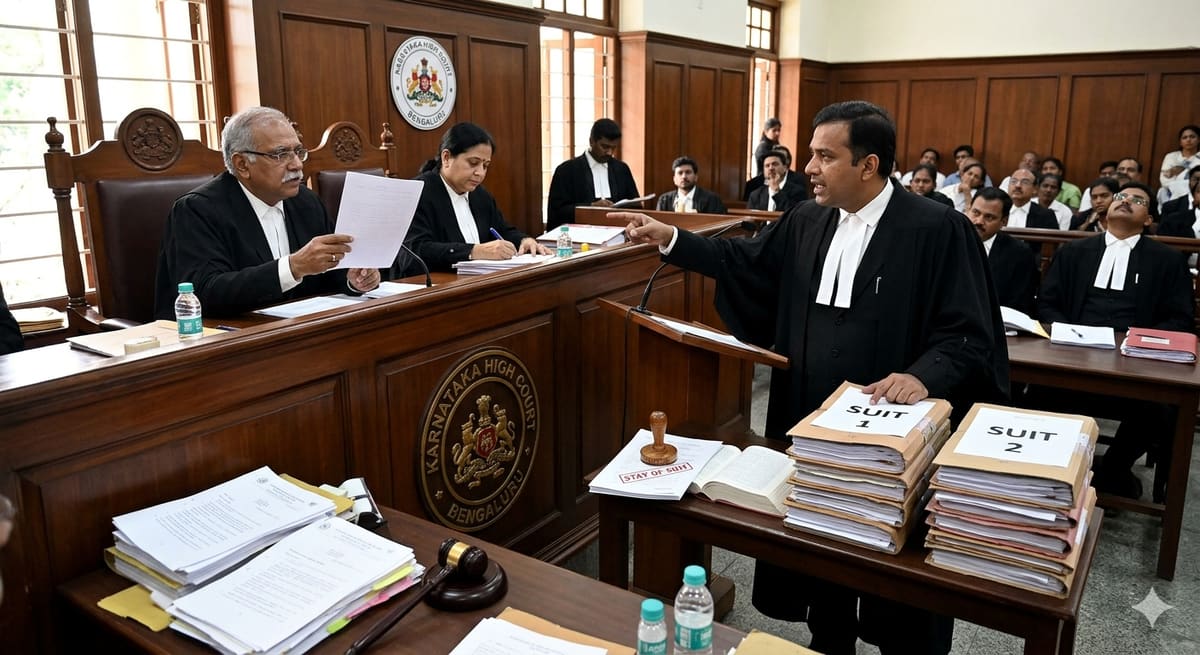
CPC Section 10 | Stay of Suit Requires Identity of Matter in Issue; Consolidation Ordered to Avoid Conflicting Findings: Karnataka HC
Case Law Analysis
|Karnataka High Court

CPC Section 10 | Stay of Suit Requires Identity of Matter in Issue; Consolidation Ordered to Avoid Conflicting Findings: Karnataka HC

The Karnataka High Court ruled that Section 10 CPC mandates an identical cause of action and subject matter for stay of suit, refusing stay where properties and issues differed. However, it directed consolidation of parallel suits to prevent contradictory judgments by the same court, reinforcing procedural efficiency in property disputes.