Topic

Appellate Jurisdiction

Appellate jurisdiction in Indian law refers to the authority of higher courts to review and modify decisions made by lower courts in civil and criminal matters.

60 articlesLatest 6 days ago
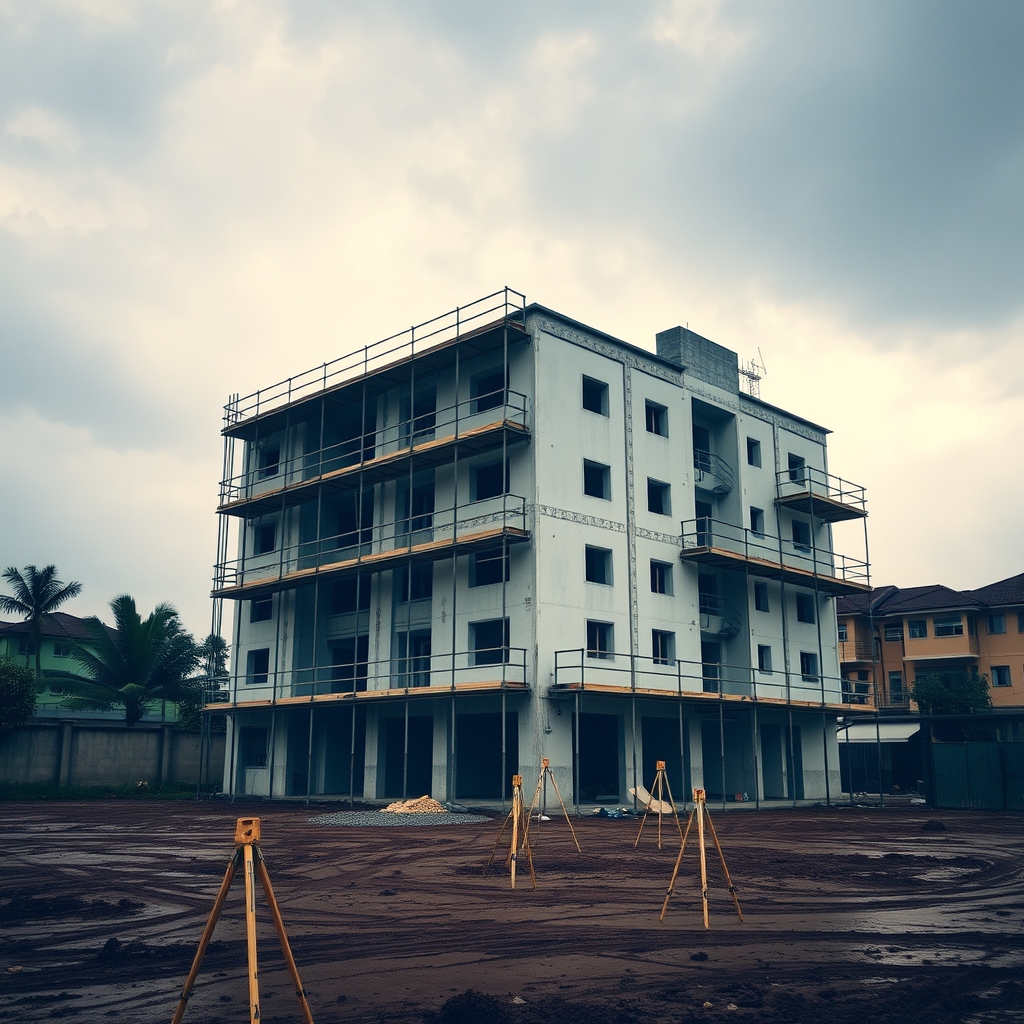
RERA Appellate Tribunal Must Remand for First-Instance Merits Adjudication When Authority Dismisses on Maintainability : Bombay HC
Case Law Analysis
|Bombay High Court

RERA Appellate Tribunal Must Remand for First-Instance Merits Adjudication When Authority Dismisses on Maintainability : Bombay HC

The Bombay High Court ruled that the RERA Appellate Tribunal cannot adjudicate merits when the Regulatory Authority dismissed a complaint on maintainability grounds without a merits hearing. Doing so would deprive parties of their statutory right to first-instance adjudication and a subsequent appeal. The Tribunal must remand the matter to the Authority for fresh merits determination.

Section 96 CPC | First Appeal Must Decide All Issues Raised : Punjab & Haryana HC
Case Law Analysis
|Punjab and Haryana High Court

Section 96 CPC | First Appeal Must Decide All Issues Raised : Punjab & Haryana HC

The Punjab & Haryana High Court ruled that a first appeal under Section 96 of the CPC cannot be limited to selected questions; the appellate court must adjudicate every point contested in the lower decree. This ensures comprehensive review and prevents piecemeal litigation in property disputes. Parties to first appeals must now raise all grievances at the appellate stage.

Judgment on admission allowed under Order XII Rule 6 CPC when title is admitted, but appellate remands for fresh trial | Partition suit : Calcutta HC
Case Law Analysis
|Calcutta High Court

Judgment on admission allowed under Order XII Rule 6 CPC when title is admitted, but appellate remands for fresh trial | Partition suit : Calcutta HC

The Calcutta High Court held that clear admissions of title and unchallenged tax receipts justify a judgment on admission, yet because the trial court did not examine the merits, the case must be remanded for a fresh trial. This clarifies that judgment on admission does not replace a full merits assessment in partition disputes, impacting parties relying on admitted title.

Appellate Court Cannot Substitute Trial Court’s Discretionary Findings Under Order 43 CPC Unless Order Is Perverse | Order 43 CPC - Appellate Jurisdiction : HP HC
Case Law Analysis
|Himachal Pradesh High Court

Appellate Court Cannot Substitute Trial Court’s Discretionary Findings Under Order 43 CPC Unless Order Is Perverse | Order 43 CPC - Appellate Jurisdiction : HP HC

An appellate bench cannot replace a trial judge’s discretionary decision on an Order 39 application unless the lower order is perverse, preserving the trial court’s authority in specific relief matters. This limits higher courts from rewriting factual findings, affecting parties seeking interim injunctions under the Specific Relief Act.

Appellate Court Exceeds Jurisdiction in Granting Injunction on Joint Land : Himachal Pradesh HC
Case Law Analysis
|Himachal Pradesh High Court

Appellate Court Exceeds Jurisdiction in Granting Injunction on Joint Land : Himachal Pradesh HC

The Himachal Pradesh High Court set aside an appellate order restraining construction on joint land, ruling that the First Appellate Court exceeded its jurisdiction by failing to establish perversity in the trial court's findings. The ruling clarifies the limits of appellate jurisdiction under Order 43 CPC in property disputes involving co-sharers.

Probation of Offenders Act Overrides Decades-Long Delay | Reformative Justice Prevails Over Conviction Under Sections 307/34 IPC : Allahabad HC
Case Law Analysis
|Allahabad High Court

Probation of Offenders Act Overrides Decades-Long Delay | Reformative Justice Prevails Over Conviction Under Sections 307/34 IPC : Allahabad HC

Allahabad High Court extends probation under the Probation of Offenders Act to appellants despite a 40-year pendency, emphasizing reformative justice over punitive imprisonment. The ruling sets aside imprisonment while upholding convictions under Sections 307/34 and 323/34 IPC, reinforcing judicial discretion in sentencing even in delayed appeals.

Section 23 Land Acquisition Act | Bombay HC Mandates 25% Deduction for Adjacent Land Influence in Market Value Determination
Case Law Analysis
|Bombay High Court

Section 23 Land Acquisition Act | Bombay HC Mandates 25% Deduction for Adjacent Land Influence in Market Value Determination

Bombay High Court rules that compensation under the Land Acquisition Act must account for a 25% deduction for adjacent land influence, alongside a 10% annual hike in market value. The court also clarifies that interest on enhanced compensation accrues from the final award date, not the Section 4 notification, impacting landowners and state authorities in acquisition disputes.

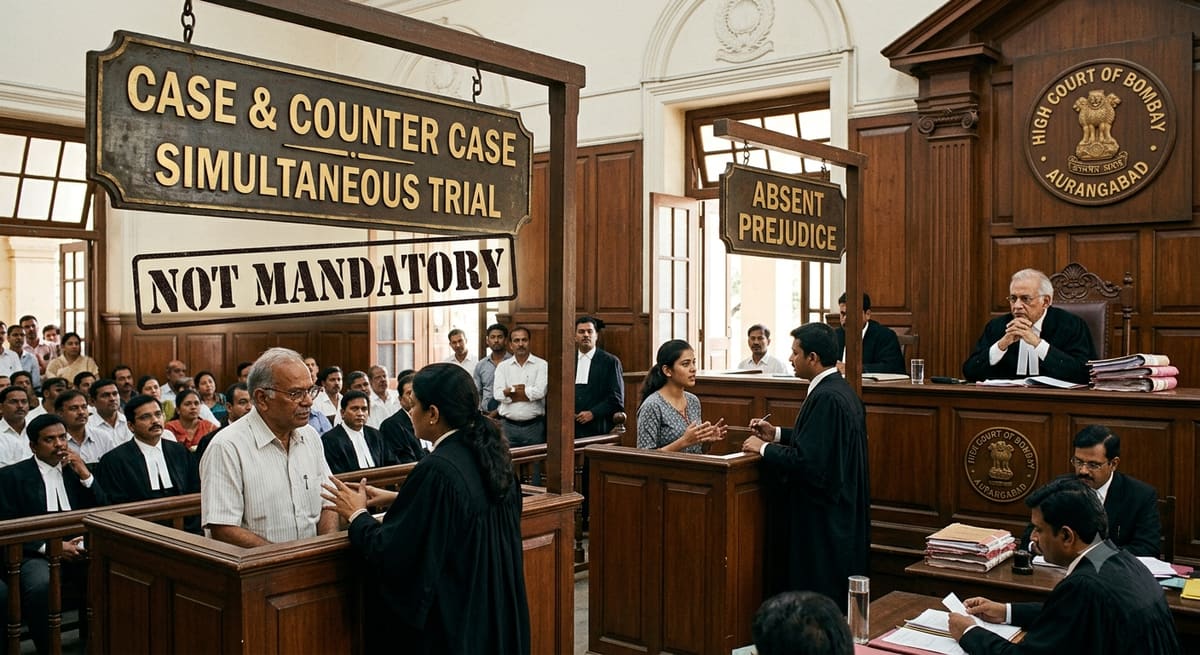
Section 465 CrPC | Simultaneous Trial of Case and Counter Case Not Mandatory Absent Prejudice : Bombay HC Aurangabad
Case Law Analysis
|Bombay High Court

Section 465 CrPC | Simultaneous Trial of Case and Counter Case Not Mandatory Absent Prejudice : Bombay HC Aurangabad

The Bombay High Court clarifies that procedural non-compliance in trying a criminal case and its counter case simultaneously does not invalidate proceedings unless the accused demonstrates actual prejudice. Section 465 CrPC operates as a curative provision, shielding convictions from technical defects when substantive justice is intact - a critical safeguard for prosecutors and trial courts navigating complex familial disputes.