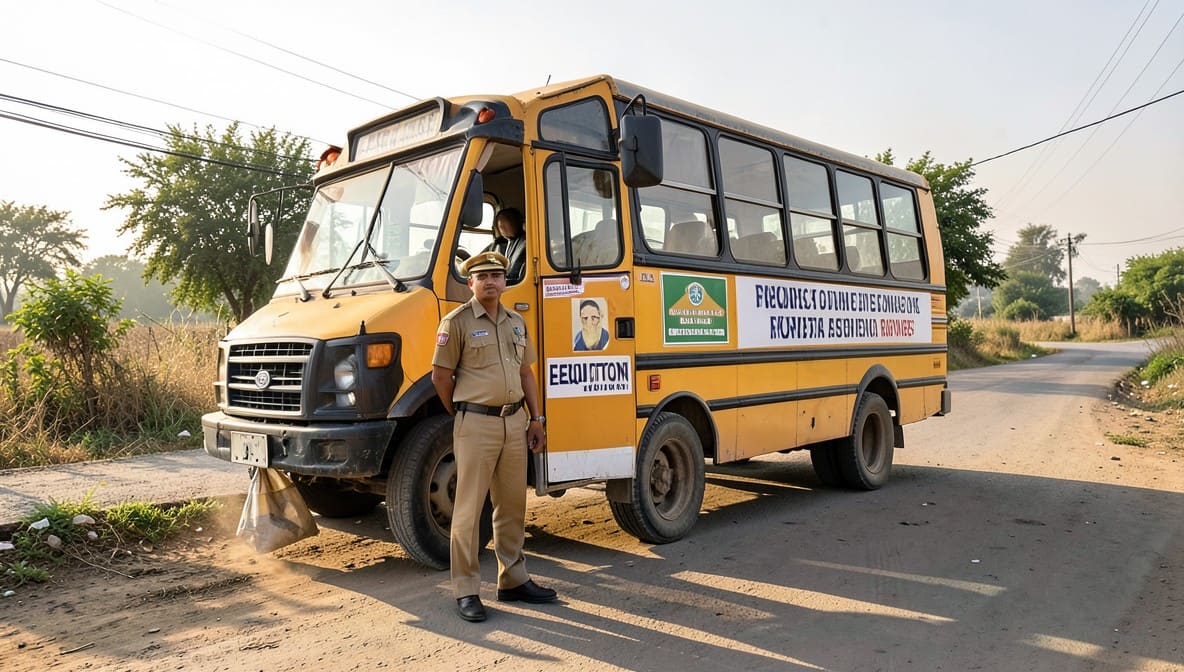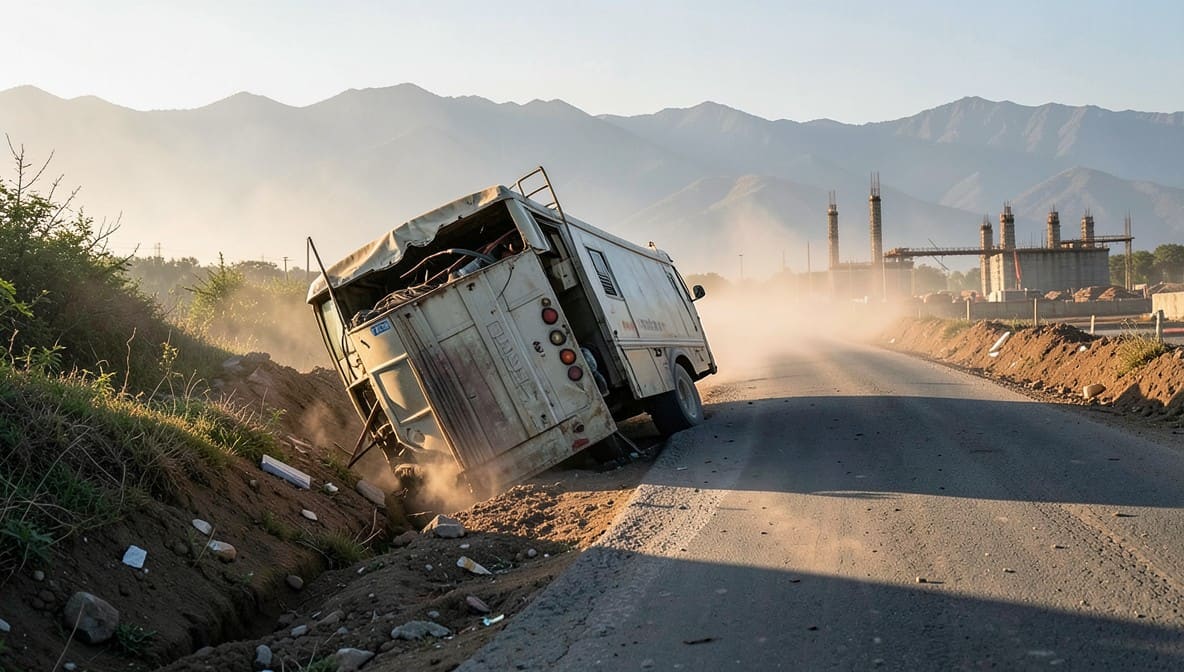
The Himachal Pradesh High Court has affirmed that the State can be held liable as the 'owner' under the Motor Vehicles Act when a vehicle is under its exclusive operational control, even if legally registered to a private party. In a significant ruling, the Court enhanced compensation for victims of a 2004 road accident that killed 29 workers, clarifying the scope of vicarious liability and the methodology for calculating 'just compensation' under the Act.
Background & Facts
The Dispute
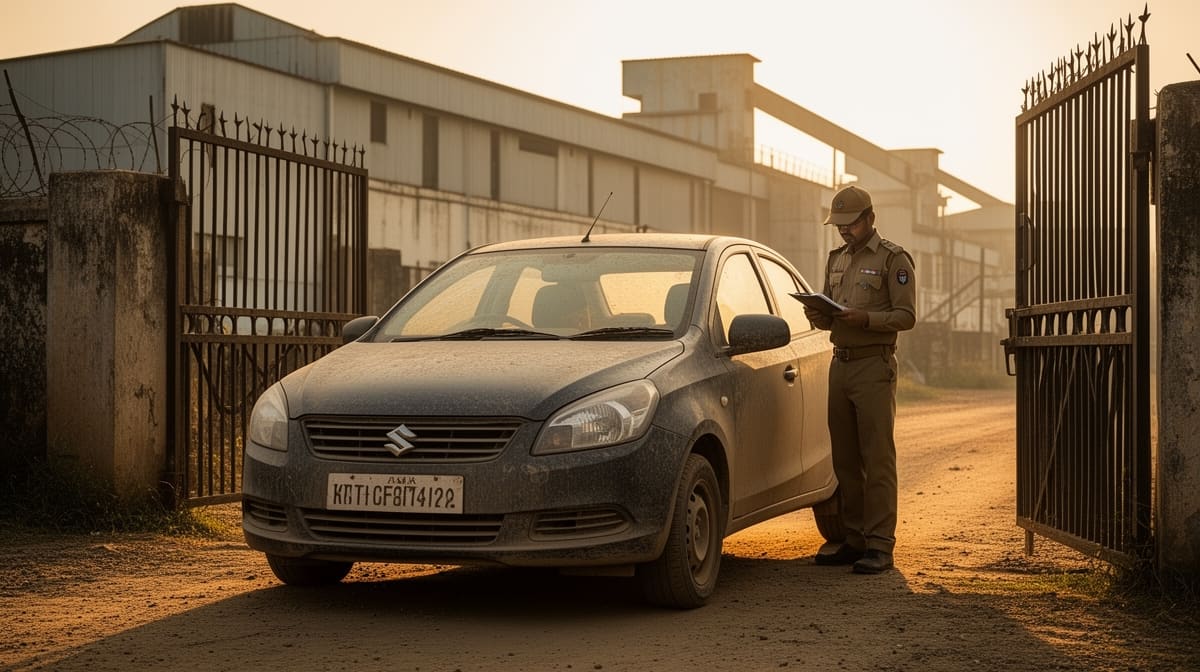
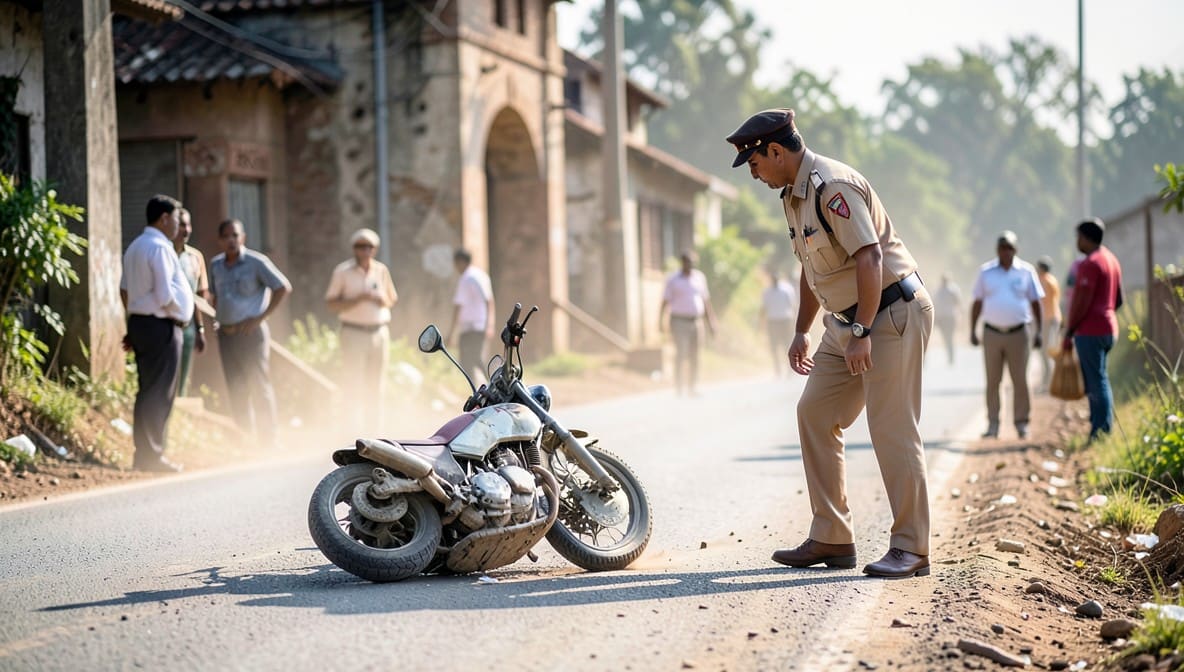
The dispute arose from a catastrophic road accident on 21.05.2004, when a truck carrying labourers from the HPPWD construction site near Chopal, Himachal Pradesh, veered off the road near Bethal, killing 29 people, including Money Ram, a Beldar employed by the Public Works Department. The vehicle, registered as HP08-0755, was owned by respondent No.2, a private truck operator, but was hired by the HPPWD for transporting construction materials. The claimants, legal heirs of the deceased, filed a claim petition before the Motor Accident Claims Tribunal seeking compensation for loss of dependency, consortium, and funeral expenses.
Key Facts
- The accident occurred on 21.05.2004 at approximately 6:00 p.m.
- The deceased, Money Ram, was born on 12.11.1965, making him 39 years old at the time of death.
- He was employed as a Beldar by HPPWD Division Chopal, drawing a monthly salary of Rs.4,890, as confirmed by salary certificate Ex.PW-3/A.
- He additionally earned Rs.2,000 per month from agricultural activities.
- The offending vehicle was hired by HPPWD from 17.05.2004 to 21.05.2004 for transporting stones and grit to the Shaloo-Dhawas road construction site.
- Labourers, including Money Ram, routinely boarded the truck for return travel to Gumma to avoid bus fares.
- The driver was under the direct instructions of HPPWD’s Junior Engineer, RW-2, who admitted the vehicle was operated under PWD control.
- The vehicle was insured with respondent No.3, but the insurance policy was for goods carriage, not passengers.
- FIR No.58 of 2004 was registered at Police Station Sadar Chopal on 22.05.2004.
- The claimants had earlier filed a claim under the Workmen’s Compensation Act, which was dismissed for lack of jurisdiction.
Procedural History
- 21.05.2004: Road accident occurs near Bethal, killing 29 persons including Money Ram.
- 22.05.2004: FIR No.58/2004 registered at Police Station Sadar Chopal.
- 2008: Claim petition (M.A.C. Petition No.66-S/2 of 2008) filed before Motor Accident Claims Tribunal (II), Shimla.
- 30.08.2010: MACT frames issues on liability, negligence, and maintainability.
- 03.07.2013: MACT awards Rs.9,48,500 with 7.5% interest from date of petition.
- 18.04.2026: Appeal heard by Division Bench of Himachal Pradesh High Court.
- 30.04.2026: Judgment reserved and delivered.
The Parties' Positions
Appellant (State of Himachal Pradesh): Contended that the vehicle was hired only for transporting construction materials, not passengers; that the State had no control over the vehicle after 5:00 p.m.; that the deceased voluntarily boarded the truck; and that the State was not the 'owner' under Section 2(30) of the Motor Vehicles Act. Relied on preliminary objections and the fact that the vehicle was registered in private name.
Respondents (Claimants): Argued that the vehicle was under the exclusive operational control of HPPWD during the relevant time; that the driver was acting under PWD instructions; that the State was the de facto owner under settled precedents; and that the claimants were entitled to 'just compensation' under the beneficial spirit of the Act.
Relief Sought
The claimants sought compensation for loss of dependency, loss of estate, loss of consortium, and funeral expenses. The original claim petition sought Rs.15,00,000. The MACT awarded Rs.9,48,500. The claimants, though not filing an appeal, sought enhancement of the award. The State sought dismissal of the claim petition entirely.
The Legal Issue
The central question was whether the State of Himachal Pradesh can be held liable as the 'owner' under Section 2(30) of the Motor Vehicles Act when a privately registered vehicle is under its exclusive operational control, and whether the compensation awarded by the Tribunal constitutes 'just compensation' under the Act.
Arguments Presented
For the Appellant
The Additional Advocate General argued that the State could not be deemed the owner because the vehicle was legally registered in the name of respondent No.2. He contended that the hiring arrangement was limited to transporting materials between 9:00 a.m. and 5:00 p.m., and that the deceased’s use of the vehicle was unauthorized and voluntary. He relied on the absence of a written agreement and the fact that the vehicle was insured as a goods carrier. He cited the dismissal of the Workmen’s Compensation claim as evidence that the death was not in the course of employment.
For the Respondent
The respondents’ counsel argued that the State exercised complete control over the vehicle’s operation, including the driver’s movements and duties. They relied on the testimony of RW-2, the Junior Engineer, who admitted the vehicle was under PWD instructions. They invoked Zila Sahakari Kendrya Bank v. Shahjadi Begum and National Insurance Co. v. Deepa Devi, where the Supreme Court held that the requisitioning authority becomes the de facto owner for liability purposes. They emphasized that the Motor Vehicles Act is a beneficial legislation meant to provide swift and just compensation, and that strict adherence to registration is secondary to actual control.
The Court's Analysis
The Court began by affirming that the Motor Vehicles Act is a welfare legislation, and its provisions must be interpreted liberally to ensure 'just compensation' to victims. It noted that the proceedings are summary in nature, and strict rules of evidence do not apply.
The Court examined the factual matrix and found overwhelming evidence that the offending vehicle was under the exclusive control of HPPWD at the time of the accident. RW-2, the Junior Engineer, admitted that the vehicle was hired from 17.05.2004 to 21.05.2004 and that the driver was acting under PWD instructions. The owner of the vehicle, RW-1, confirmed that he had no control over the vehicle during the period of hire. The Court held that these facts squarely aligned with the Supreme Court’s rulings in Zila Sahakari Kendrya Bank and National Insurance Co. v. Deepa Devi.
"Save and except for legal ownership, for all intent and purport, the registered owner of the vehicle loses entire control thereover. He has no say as to whether the vehicle should be driven at a given point of time or not."
The Court further held that the State’s argument that the deceased boarded the vehicle voluntarily was irrelevant. The Act imposes strict liability on the owner or person in control of the vehicle, irrespective of whether the passenger was authorized or not.
On the issue of compensation, the Court found the MACT’s award of Rs.9,48,500 inadequate. It corrected the calculation of monthly income: Rs.4,890 was the proven salary, and a 50% enhancement for future prospects was granted under National Insurance Co. v. Pranay Sethi, bringing the monthly income to Rs.7,335. After deducting 25% for personal expenses, the monthly dependency was Rs.5,501. Applying the multiplier of 15 as per Sarla Verma, the loss of dependency amounted to Rs.9,90,180.
The Court also enhanced the conventional heads: loss of estate and funeral expenses were increased from Rs.10,000 each to Rs.19,500 each, and loss of consortium was awarded to all claimants at Rs.2,60,000, following Magma General Insurance v. Nanu Ram. The Rs.10,000 awarded for transportation charges was disallowed as per Pranay Sethi.
The Verdict
The appeal was dismissed. The compensation awarded by the Motor Accident Claims Tribunal was enhanced to Rs.12,89,180, comprising Rs.9,90,180 for loss of dependency, Rs.19,500 for loss of estate, Rs.19,500 for funeral expenses, and Rs.2,60,000 for loss of consortium. Interest at 7.5% per annum shall accrue from the date of filing of the petition (2008) until realization. The award is inclusive of any amount payable under Section 140 of the Motor Vehicles Act. The State of Himachal Pradesh shall pay the enhanced amount to the claimants, jointly and severally with the insurer. Costs of Rs.25,000 were awarded to the claimants.
What This Means For Similar Cases
State Liability Extends Beyond Legal Ownership
- Practitioners must now argue that actual operational control, not registration, determines liability under the Motor Vehicles Act.
- Where a government department hires a vehicle and directs its use, even for non-official purposes like transporting workers, the State becomes the de facto owner for liability purposes.
- The burden shifts to the State to prove it had no control over the vehicle’s operation at the time of the accident.
Just Compensation Requires Comprehensive Calculation
- Future prospects: A 50% enhancement is now mandatory for public sector employees under Pranay Sethi, even if not claimed.
- Loss of consortium: Must be awarded to all legal heirs, not just the spouse, as per Magma General Insurance.
- Transportation charges: Are not compensable under the Act and must be excluded.
- Enhancement without appeal: Courts may enhance compensation under Order 41 Rule 33 CPC even if claimants have not filed cross-objections.
Procedural Flexibility in MACT Cases
- The Act’s summary nature allows courts to rely on preponderance of probabilities, not strict proof.
- Oral admissions by government witnesses (e.g., Junior Engineers) are sufficient to establish State control.
- Dismissal of a Workmen’s Compensation claim does not bar a Motor Accident claim, as the legal frameworks are distinct.