The Madhya Pradesh High Court has affirmed that judicial intervention under Section 528 of the Bharatiya Nagarik Suraksha Sanhita, 2023, is not only permissible but mandatory when police inaction permits ongoing threats to life, liberty, and property. This order establishes a clear doctrinal threshold for courts to step in where investigative apathy undermines the rule of law.
Background & Facts
The Dispute
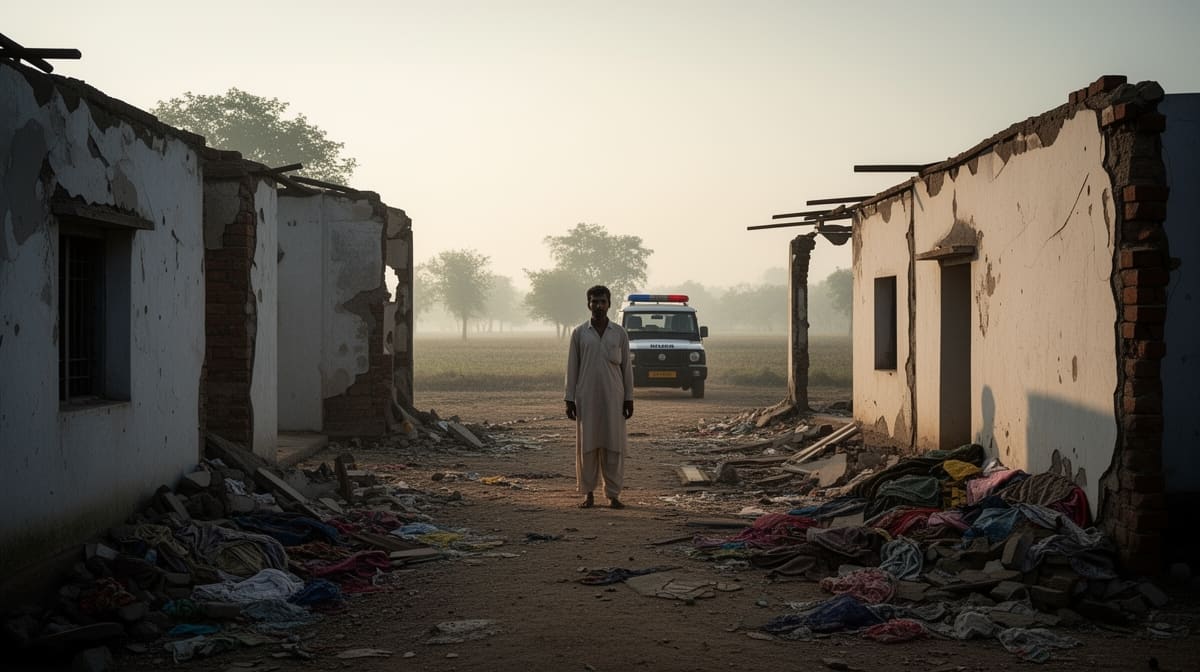
The petitioner, Yusuf Khan, alleges that on 3 February 2023, he was brutally assaulted by a mob, his residential house was forcibly broken into, and his property looted. He submitted three formal complaints to the police on 3 June 2021, 31 October 2022, and 3 February 2023, detailing the violence and threats. Despite clear indications of cognizable offences under the Bharatiya Nyaya Sanhita, 2023, no FIR was registered, and no investigation was initiated.
Procedural History
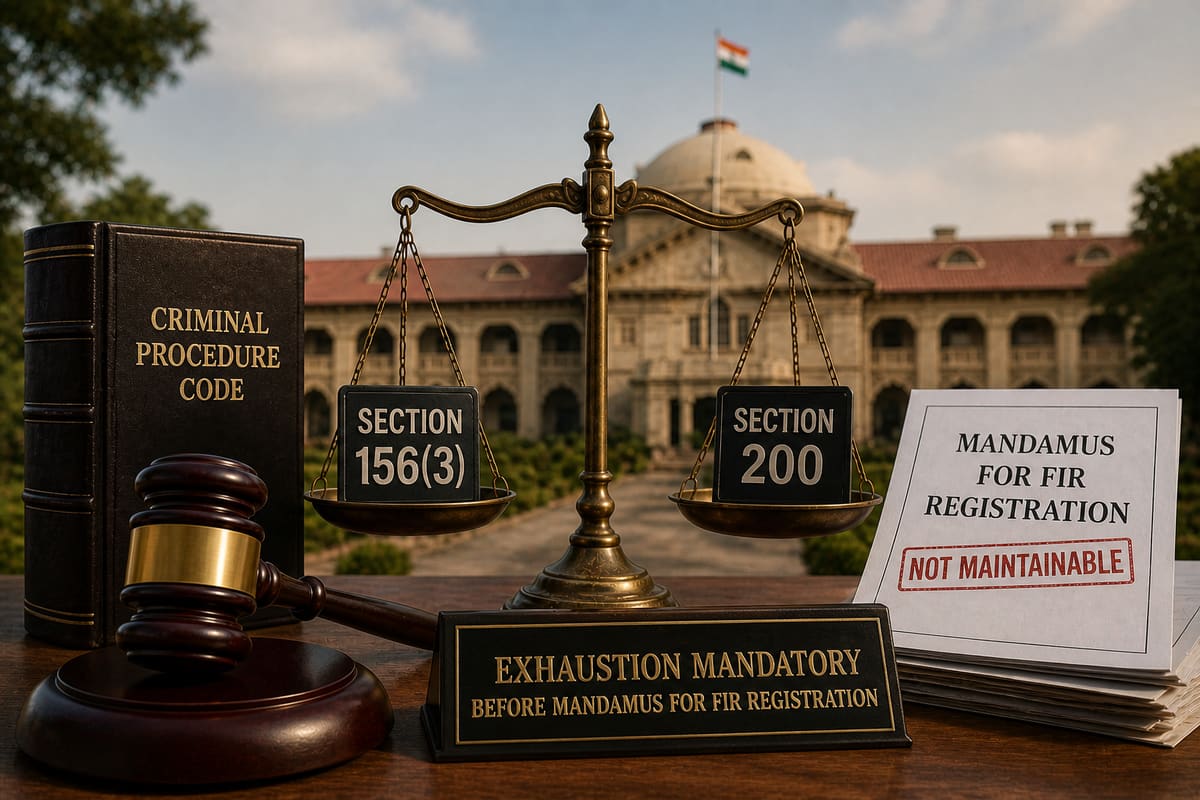
The petitioner first approached the Judicial Magistrate First Class, Jaura, under Section 156(3) CrPC seeking direction for FIR registration. The Magistrate dismissed the application, erroneously treating the matter as a civil dispute. On revision, the Additional Sessions Judge affirmed this dismissal without independently evaluating the evidence or distinguishing between civil trespass and criminal mob violence.
Relief Sought
The petitioner sought: (1) quashing of the impugned orders; (2) direction to register FIR under multiple provisions of the Bharatiya Nyaya Sanhita, 2023 including Sections 115(2), 118(1), 126(2), 427, 452, 395, and 34; (3) police protection for his family; and (4) a time-bound investigation.
The Legal Issue
The central question was whether Section 528 of the Bharatiya Nagarik Suraksha Sanhita, 2023, empowers a High Court to direct a fair and impartial investigation when lower courts have failed to recognize cognizable offences and police have wilfully neglected their statutory duty.
Arguments Presented
For the Petitioner
The petitioner’s counsel argued that the repeated failure to register an FIR despite documented evidence of violent, organized looting and threats to life constituted a clear abuse of process. He relied on Arnesh Kumar v. State of Bihar to emphasize that police cannot act as arbiters of cognizability and must register FIRs where prima facie offences are disclosed. He further cited State of Haryana v. Bhajan Lal to assert that courts must intervene when inaction endangers fundamental rights under Article 21.
For the Respondent/State
The Public Prosecutor did not dispute the facts but argued that the matter was sub judice and that the police were already examining the complaint. He offered a general assurance that a fair investigation would be conducted, without addressing the prolonged delay or the specific legal failure to register an FIR.
The Court's Analysis
The Court examined the nature of the petitioner’s complaints and found that the allegations - brutal assault, destruction of property, looting, and credible threats to life - clearly disclosed offences under Sections 115(2) (unlawful assembly with intent to commit offence), 118(1) (use of criminal force), 126(2) (mischief causing damage), 427 (mischief), 452 (house-trespass after preparation for hurt), 395 (dacoity), and 34 (common intention). The Magistrate’s dismissal as a "civil dispute" was legally untenable.
"The failure to register an FIR in the face of such grave allegations is not merely procedural lapse - it is a denial of justice and a violation of the victim’s constitutional right to protection of life and personal liberty."
The Court held that Section 528 BNSS, which grants inherent powers to the High Court to secure the ends of justice and prevent abuse of process, is not a discretionary tool but a constitutional imperative when lower authorities abdicate their duties. The Court distinguished this from routine delays, noting that the petitioner’s life remained under threat, and the absence of police protection rendered the situation urgent.
The Verdict
The petitioner succeeded. The Court held that Section 528 BNSS authorizes direct intervention to compel fair investigation where police inaction permits ongoing threats to life and property. It directed the police to complete a time-bound investigation within three months and to register an FIR under the relevant provisions of the Bharatiya Nyaya Sanhita, 2023.
What This Means For Similar Cases
Police Inaction Cannot Be a Shield Against Justice
- Practitioners must now treat persistent refusal to register FIRs in cases of mob violence or property destruction as grounds for invoking Section 528 BNSS
- A mere assurance from the prosecution is insufficient - courts will require concrete timelines and documented action
- Delayed investigations in cases involving threats to life are now presumptively abusive of process
Section 528 BNSS Is a Constitutional Safeguard, Not a Last Resort
- This judgment clarifies that Section 528 BNSS is not confined to procedural irregularities but extends to substantive failures in protecting fundamental rights
- Courts may now intervene even before trial commences if the investigative machinery is paralyzed
- Petitioners need not exhaust all appellate remedies if the threat is immediate and the legal violation is evident
FIR Registration Is Mandatory Where Cognizable Offences Are Prima Facie Established
- The distinction between civil and criminal disputes must be made by the police at the time of complaint, not by magistrates after the fact
- Allegations of organized violence, looting, and threats to life automatically trigger mandatory FIR registration under Section 154 CrPC (now Section 154 BNSS)
- Courts will not tolerate the reclassification of serious crimes as "civil" to avoid police liability