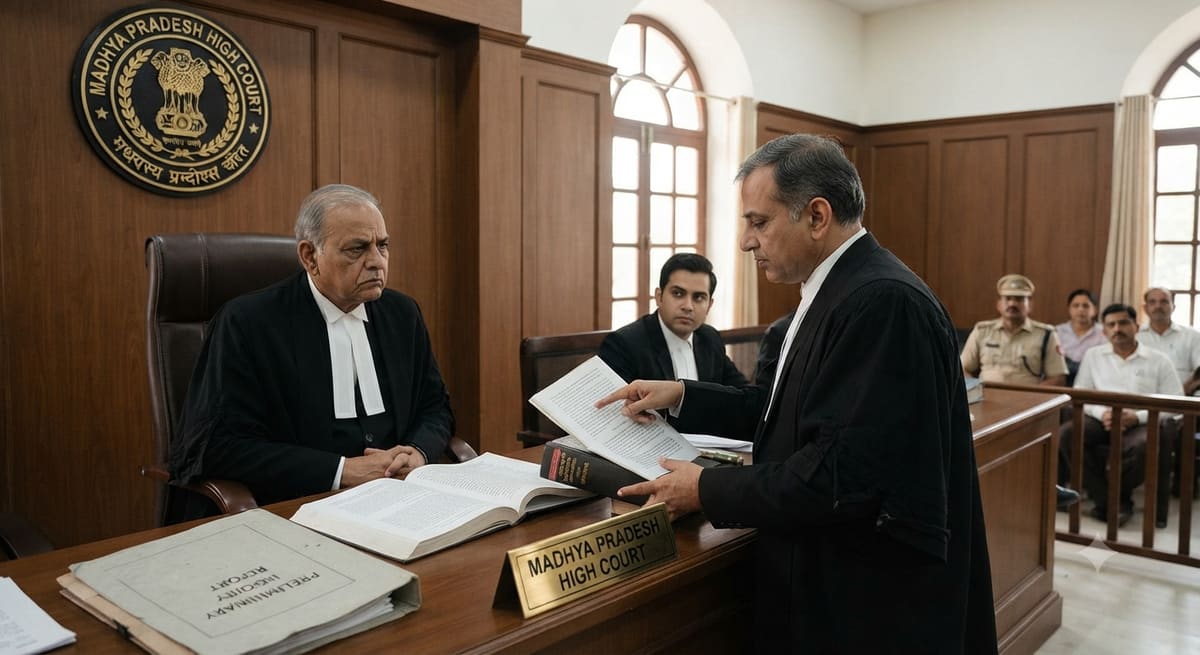
The Madhya Pradesh High Court has reaffirmed the mandatory obligation of police authorities to act promptly on complaints disclosing cognizable offences, holding that inaction constitutes a violation of procedural rights under the Bhartiya Nagrik Suraksha Sanhita, 2023. The judgment provides critical clarity on the duty to register FIRs and the limits of judicial intervention when authorities remain passive.
Background & Facts
The Dispute
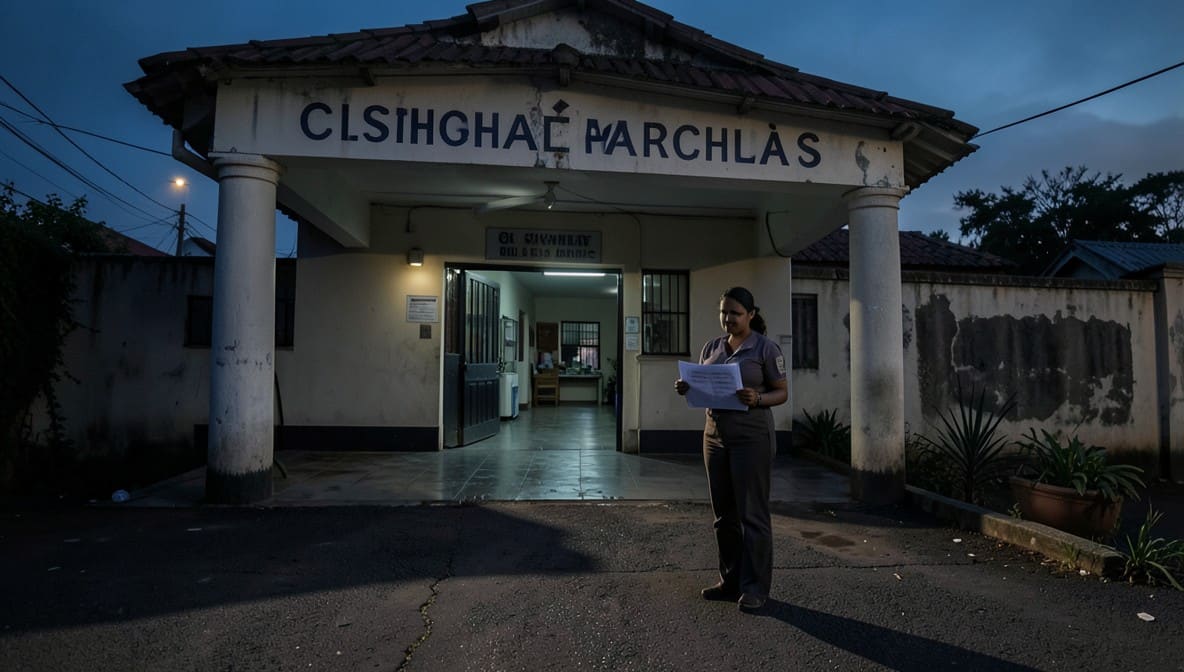
The petitioner, Sudhir Sharma, lodged a formal complaint on 01.01.2025 (Annexure P/1) alleging that respondents No. 4 to 7 committed a cognizable offence. The complaint detailed specific acts constituting a punishable offence under the Bhartiya Nagrik Suraksha Sanhita, 2023, with potential imprisonment ranging between three to seven years. Despite the clear disclosure of a cognizable offence, no action was taken by the police authorities for over 14 months.
Key Facts
- The complaint was submitted on 01.01.2025 to the concerned police station
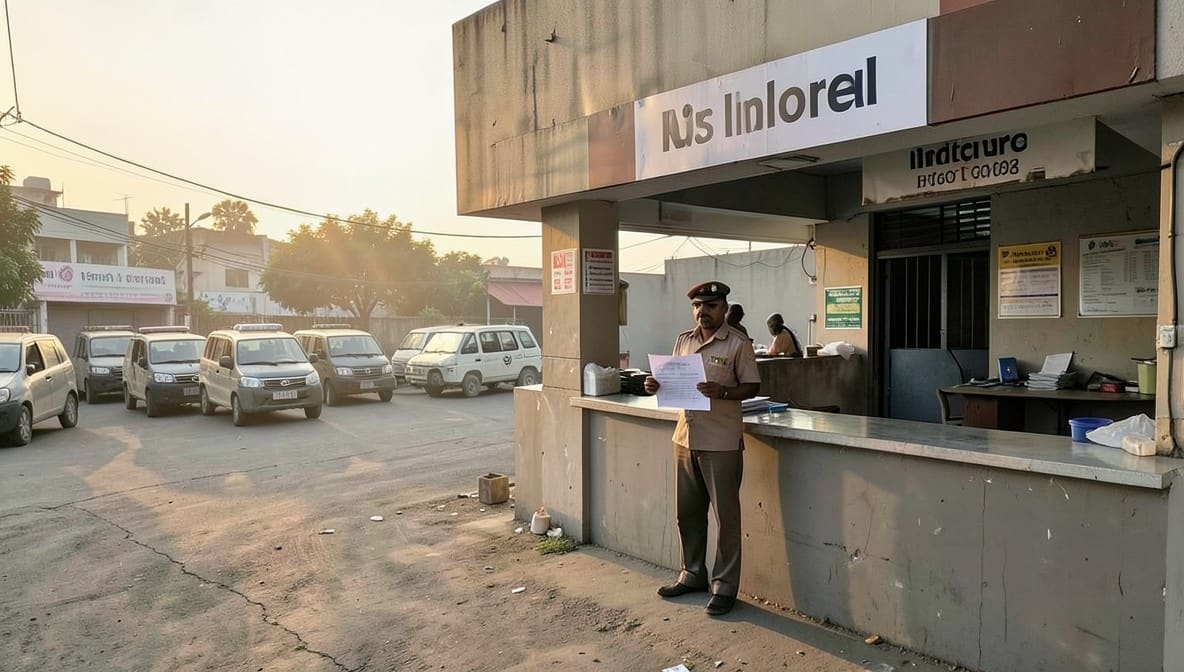
- No FIR was registered, nor was any formal response issued to the petitioner
- The petitioner made no subsequent applications or representations beyond the initial complaint
- The respondents did not conduct any preliminary enquiry or communicate any decision
- The petitioner had no access to legal recourse, as the absence of an FIR barred initiation of criminal proceedings
Procedural History
- 01.01.2025: Petitioner filed written complaint with police station
- 01.01.2025 to 12.05.2026: No action taken by police; no communication received by petitioner
- 12.05.2026: Writ Petition No. 13583 of 2026 filed before the High Court of Madhya Pradesh at Indore under Article 226 of the Constitution
Relief Sought
The petitioner sought a writ of mandamus directing the respondents to: (1) conduct a preliminary enquiry into the complaint; (2) register an FIR if a cognizable offence is disclosed; or (3) inform the petitioner in writing if no cognizable offence is made out.
The Legal Issue
The central question was whether police authorities are legally bound to act on a complaint disclosing a cognizable offence under Section 173 of the Bhartiya Nagrik Suraksha Sanhita, 2023, and whether judicial intervention under Article 226 is permissible when such authorities remain inoperative despite clear statutory obligations.
Arguments Presented
For the Petitioner
The petitioner’s counsel relied on Lalita Kumari v. Government of Uttar Pradesh (2014 2 SCC 1) to argue that registration of an FIR is mandatory upon receipt of information disclosing a cognizable offence. He further invoked Section 173 of the Bhartiya Nagrik Suraksha Sanhita, 2023, which mandates that every information relating to a cognizable offence must be registered by the officer-in-charge of a police station. He emphasized that the prolonged inaction violated the petitioner’s right to access justice and rendered the statutory framework ineffective.
For the Respondent/State
The Government Advocate contended that the petition was not maintainable due to the existence of an alternate remedy, such as filing a complaint before the Magistrate under Section 200 CrPC or approaching the Superintendent of Police. He argued that the Court should not interfere in administrative functions of the police unless there was mala fide or gross negligence.
The Court's Analysis
The Court rejected the argument that the existence of an alternate remedy barred the maintainability of the writ petition. It held that while alternate remedies exist, they are not absolute bars under Article 226, particularly when fundamental rights to access justice and due process are at stake.
"A party will have alternate remedy only when Police informs that no cognizable offence is made out. In the present case, the Police is sitting tight over the matter and no decision is taken to register the case or not."
The Court emphasized that Section 173 of the Bhartiya Nagrik Suraksha Sanhita, 2023 imposes a non-discretionary duty on police to register FIRs upon disclosure of cognizable offences. The failure to act, even for over 14 months, amounted to a dereliction of statutory duty. The Court distinguished this from cases where police have rendered a reasoned decision not to register an FIR; here, there was no decision at all.
The Court further noted that the requirement of a preliminary enquiry under Section 173 is not a tool for delay but a procedural step to determine the veracity of the complaint. The police are not entitled to remain silent or inactive.
The Verdict
The petition was allowed. The Court directed the respondents to conduct a preliminary enquiry into the complaint filed on 01.01.2025 within 90 days from the date of receipt of the certified copy of this order. If a cognizable offence is disclosed, an FIR shall be registered. If no cognizable offence is made out, the petitioner shall be informed in writing. The Court explicitly rejected the notion that inaction could be equated with a decision.
What This Means For Similar Cases
Police Inaction Is Not a Decision
- Practitioners must now treat prolonged silence by police on cognizable complaints as actionable under Article 226
- A writ petition is maintainable even if alternate remedies exist, provided the delay is unreasonable and rights are prejudiced
- The burden shifts to the police to demonstrate a reasoned decision, not merely to remain inactive
Statutory Timelines Are Enforceable
- Section 173 of the Bhartiya Nagrik Suraksha Sanhita, 2023 now carries judicially enforceable timelines
- Preliminary enquiries must be concluded within a reasonable period; courts may impose deadlines where statutory compliance is delayed
- Failure to inform the complainant of the outcome of the enquiry constitutes a separate violation
Judicial Oversight of Police Discretion
- Courts will not defer to police discretion where no discretion has been exercised
- The Lalita Kumari principle remains binding: FIR registration is mandatory, not optional, for cognizable offences
- This judgment reinforces that procedural compliance is not a matter of administrative convenience but a constitutional obligation