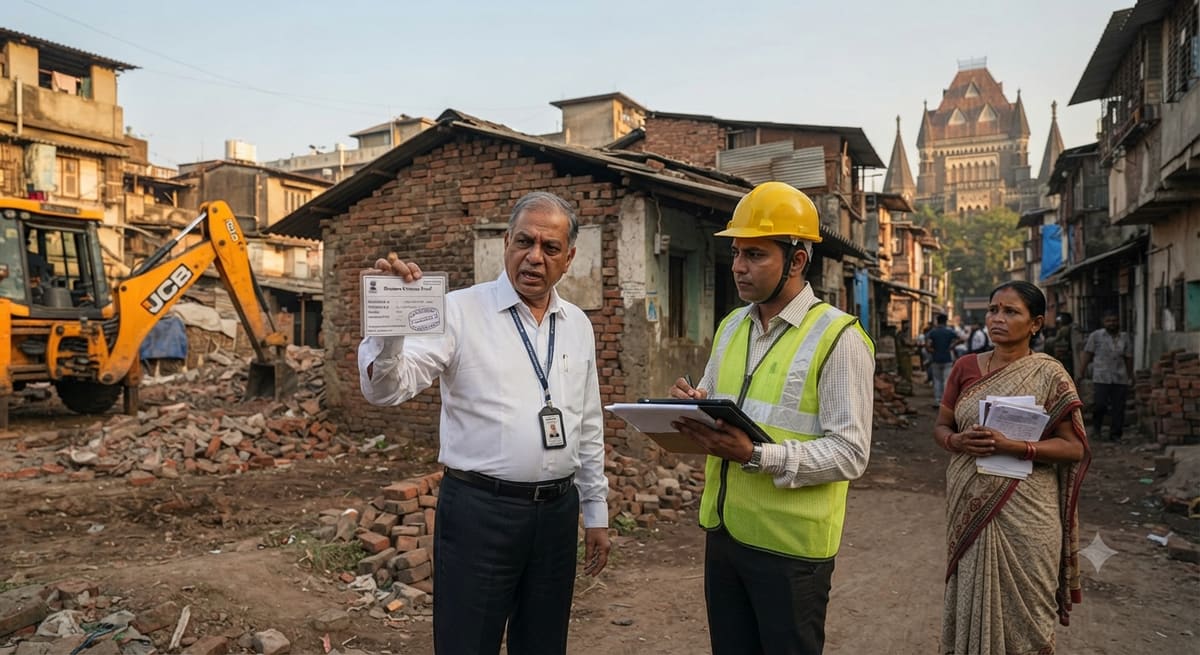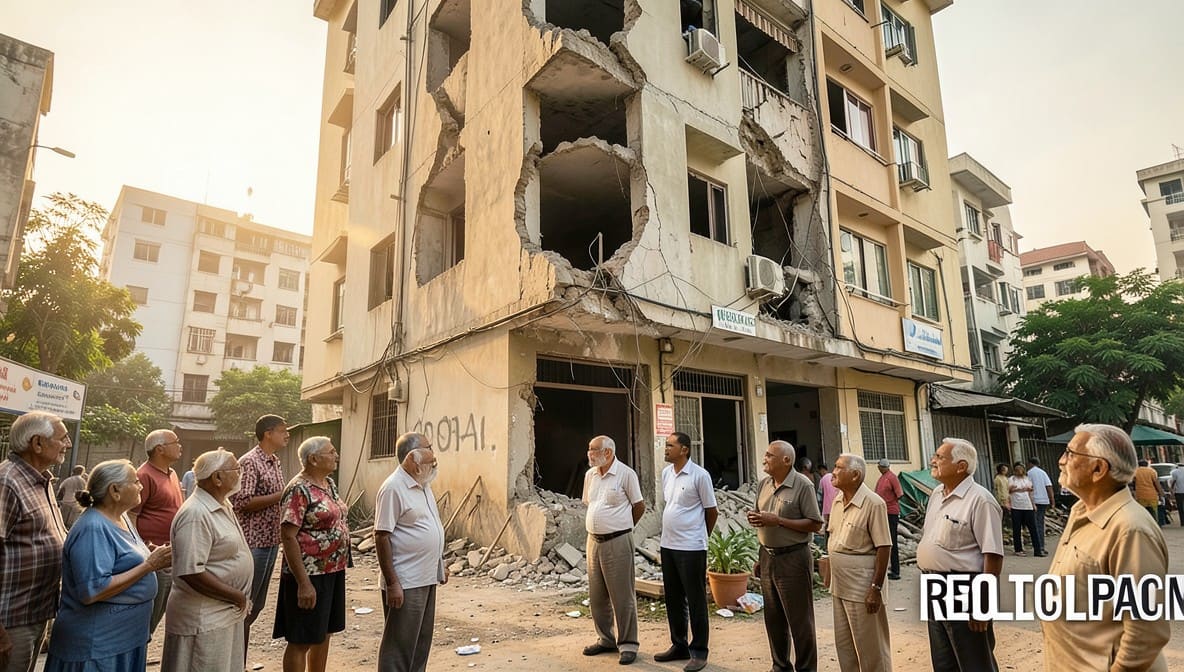
In a rare exercise of judicial discretion, the Bombay High Court granted temporary relief to senior citizen residents facing imminent demolition of their housing society buildings, despite the dismissal of their legal challenge by the Supreme Court. The Court balanced the finality of judicial proceedings with humanitarian concerns, setting a nuanced precedent for eviction cases involving vulnerable populations.
Background & Facts
The Dispute
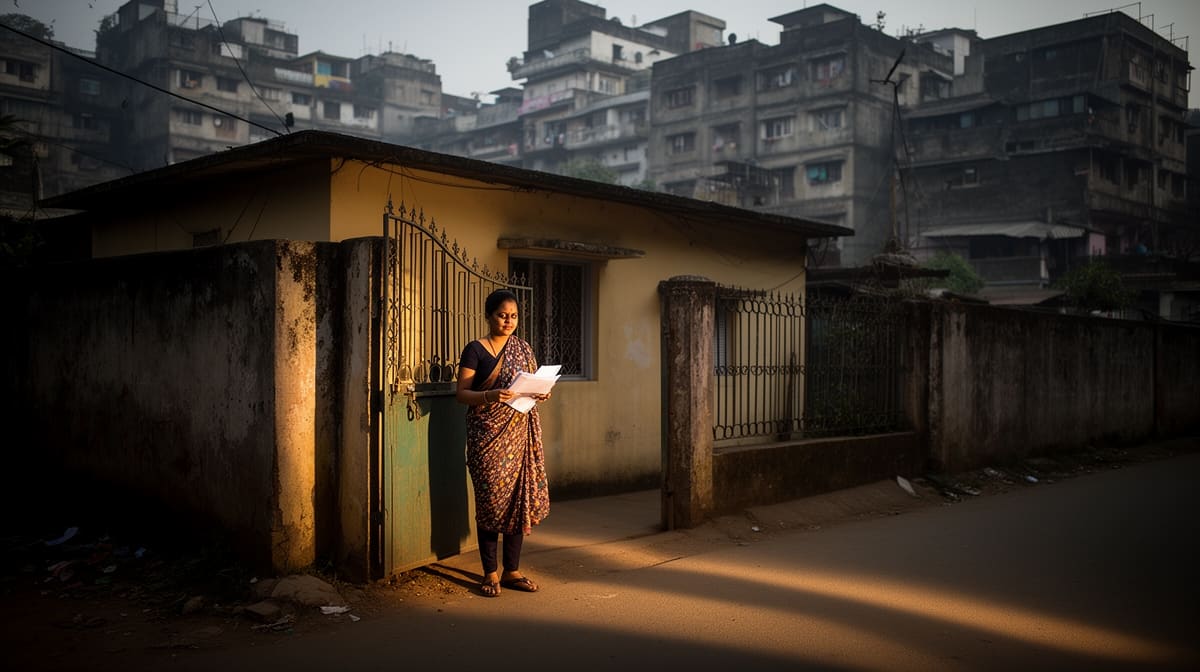
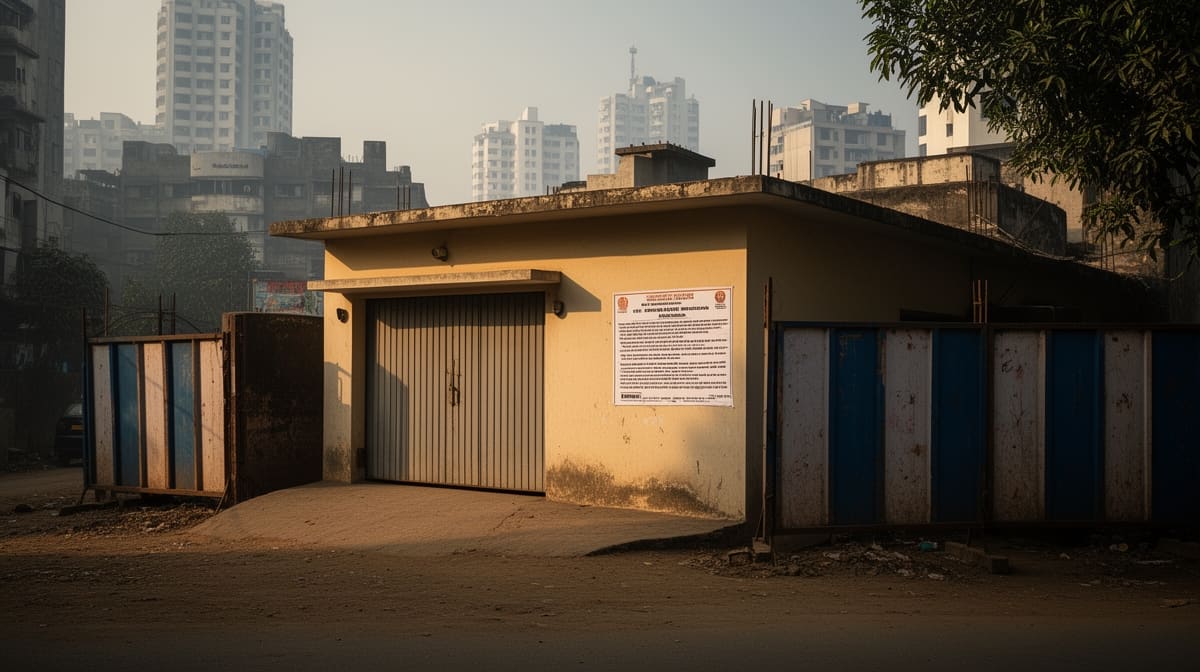
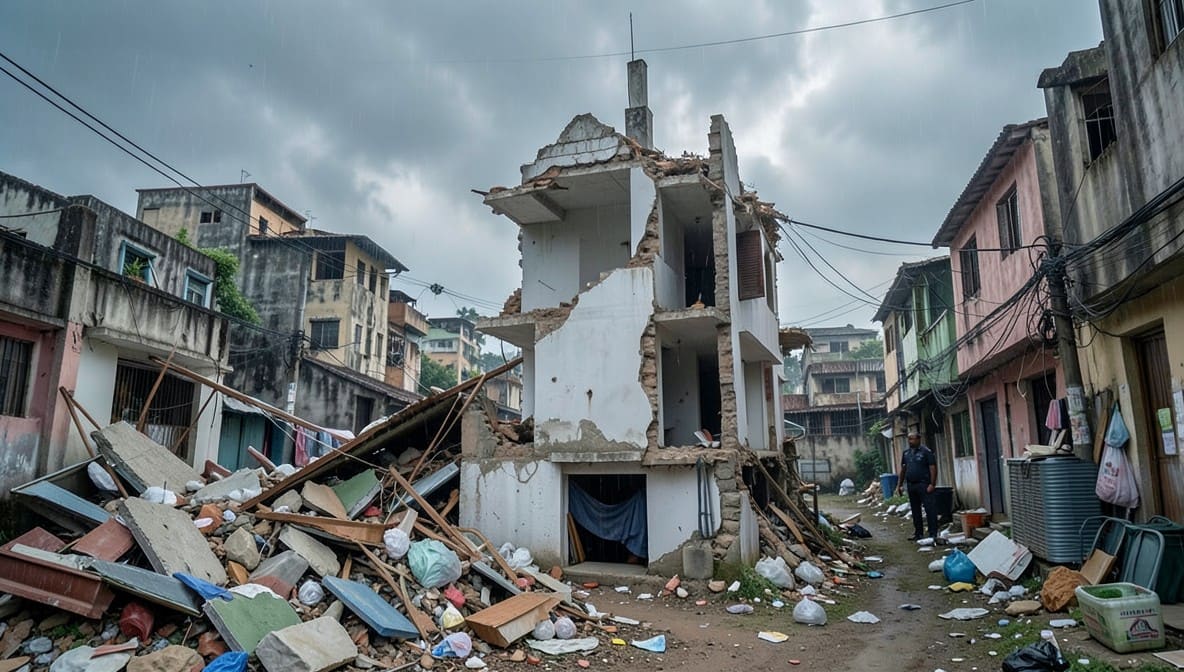
The petitioners, senior citizens residing in Wings A to D of Sion Kamgar Co-operative Housing Society Ltd., Sion (East), Mumbai, faced a demolition notice issued under Section 354 of the Mumbai Municipal Corporation Act, 1888 on 25th November 2025. The buildings were categorized as "C-1" structures, rendering them unsafe for habitation and subject to demolition by the Municipal Corporation of Greater Mumbai (MCGM).
Key Facts
- The petitioners reside in a co-operative housing society comprising four wings (A-D) in Sion, Mumbai
- A demolition notice under Section 354 was issued on 25th November 2025
- The buildings were classified as "C-1" structures, indicating structural unsuitability
- The petitioners are predominantly senior citizens, with some requiring humanitarian consideration
- A contractor was appointed by the MCGM to undertake demolition
Procedural History
The petitioners' legal challenge followed this trajectory:
- 25.11.2025: Demolition notice issued under Section 354
- Pre-27.02.2026: Challenge to the notice failed at all judicial forums, including lower courts
- 27.02.2026: Special Leave Petition (SLP No. 8354 of 2026) dismissed by the Supreme Court
- 22.05.2026: Present writ petition filed before the Bombay High Court (Vacation Bench)
The Parties' Positions
For the Petitioners:
- Acknowledged the final dismissal of their legal challenge
- Submitted that immediate eviction would cause serious hardship to senior citizens
- Offered undertakings to vacate within eight weeks, without seeking further extensions
For the Respondents (MCGM):
- Opposed interim relief, citing the Supreme Court's dismissal of the challenge
- Argued that sufficient time had already been granted for alternate arrangements
- Contended that no further indulgence should be granted
Relief Sought
The petitioners sought:
- Temporary protection from coercive demolition action
- Restoration of water supply during the interim period
- Eight weeks to vacate the premises and make alternate arrangements
The Legal Issue
The central question was whether the High Court could grant interim protection to senior citizens facing demolition, despite the dismissal of their substantive challenge by the Supreme Court, on grounds of humanitarian considerations.
Arguments Presented
For the Petitioners
Mr. Mandar Soman, counsel for the petitioners, argued:
- The petitioners, being senior citizens, required reasonable time for relocation
- Immediate eviction would cause irreparable hardship and prejudice
- The petitioners were willing to file affidavits undertaking to vacate within eight weeks without further extensions
For the Respondents
Ms. Anjali Ghuge, counsel for the MCGM, contended:
- The Supreme Court had dismissed the challenge on 27th February 2026
- Sufficient time had already been granted for alternate arrangements
- No further indulgence should be granted, as the legal challenge had failed
The Court's Analysis
The Court recognized the finality of the Supreme Court's dismissal but invoked its discretionary power to grant temporary relief on humanitarian grounds. Key observations included:
"Having regard to the advanced age of Petitioners and the statement made on their behalf that they are willing to file the affidavit we grant indulgence to enable them to make alternate arrangements."
The Court emphasized that the relief was:
- Granted solely on humanitarian considerations
- Not intended to dilute the findings in the substantive challenge
- Conditional upon the petitioners' undertakings to vacate within eight weeks
- Limited to the restoration of water supply during the interim period
The judgment underscored the High Court's equitable jurisdiction to temper strict legal outcomes with humanitarian concerns, particularly in cases involving vulnerable populations.
The Verdict
The Bombay High Court granted the following relief:
- Coercive steps against the petitioners stayed until 17th July 2026
- Water supply restored to the petitioner-society during the interim period
- Eight-week window for the petitioners to vacate the premises
- No further extensions permitted beyond the stipulated period
- No equities to be claimed based on this order in future proceedings
- The petitioners to occupy the premises at their own risk during the extended period
The matter was directed to be listed on 22nd July 2026 for further proceedings.
What This Means For Similar Cases
Humanitarian Considerations Can Temper Final Judgments
- Courts retain discretion to grant temporary relief on humanitarian grounds, even after dismissal of substantive challenges
- Senior citizens, disabled individuals, or other vulnerable groups may seek similar relief in eviction or demolition cases
- Practitioners should emphasize the irreparable hardship test when seeking interim protection
Undertakings Are Critical for Interim Relief
- The petitioners' willingness to file affidavits with specific undertakings was pivotal in securing relief
- Key undertakings included:
- Vacating premises within a fixed period (eight weeks)
- No further extensions sought
- No reliance on the order in future proceedings
- Occupancy at own risk during the interim period
- Legal practitioners should craft clear, enforceable undertakings to strengthen interim relief applications
Finality of Judgment Does Not Preclude Equitable Relief
- The Supreme Court's dismissal of the challenge did not bar the High Court from granting temporary protection
- Courts may distinguish between substantive legal rights and humanitarian equities
- This judgment reinforces the principle that procedural finality does not always override substantive justice in exceptional cases