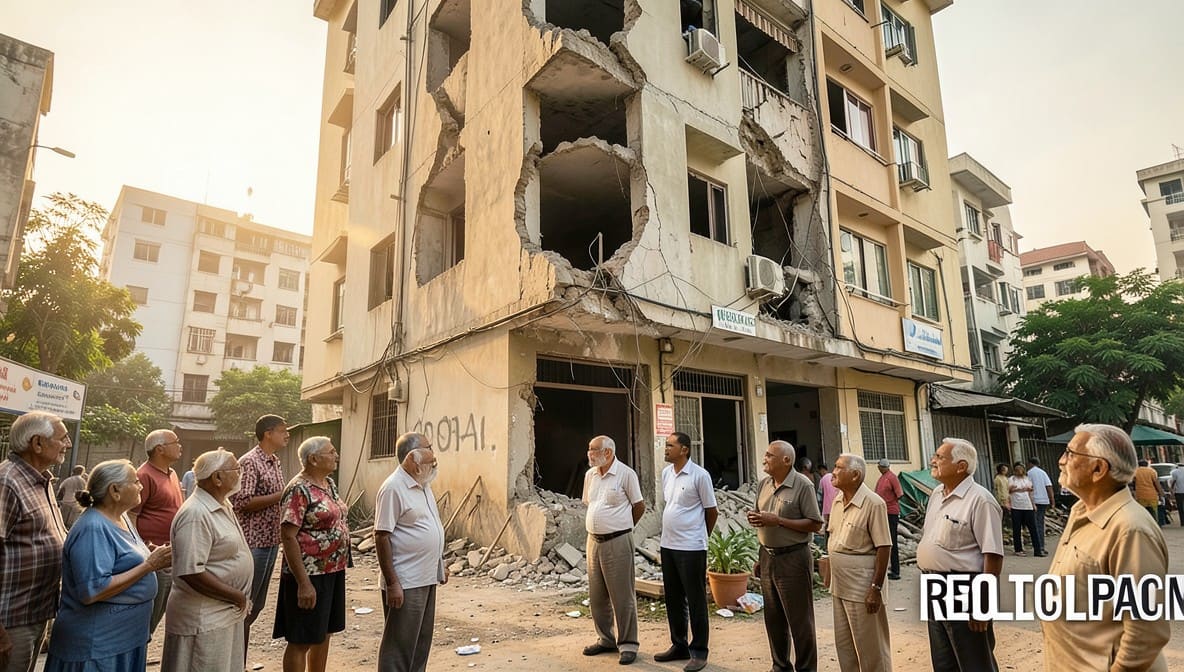
The Bombay High Court has established a novel equitable mechanism for interim relief in demolition cases, conditioning the stay of demolition on the deposit of substantial monthly sums dating back to the alleged unauthorized construction. This ruling redefines the balance between municipal enforcement powers and property rights in urban settings, offering a pragmatic pathway for litigants seeking to preserve structures pending final adjudication.
Background & Facts
The Dispute
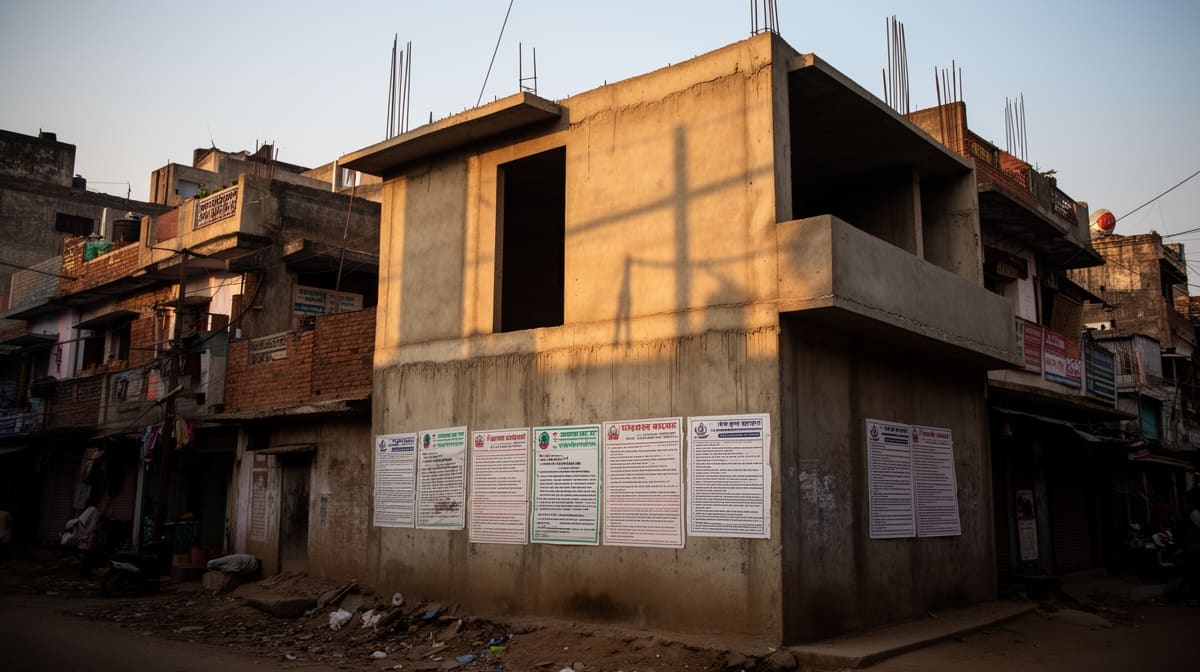
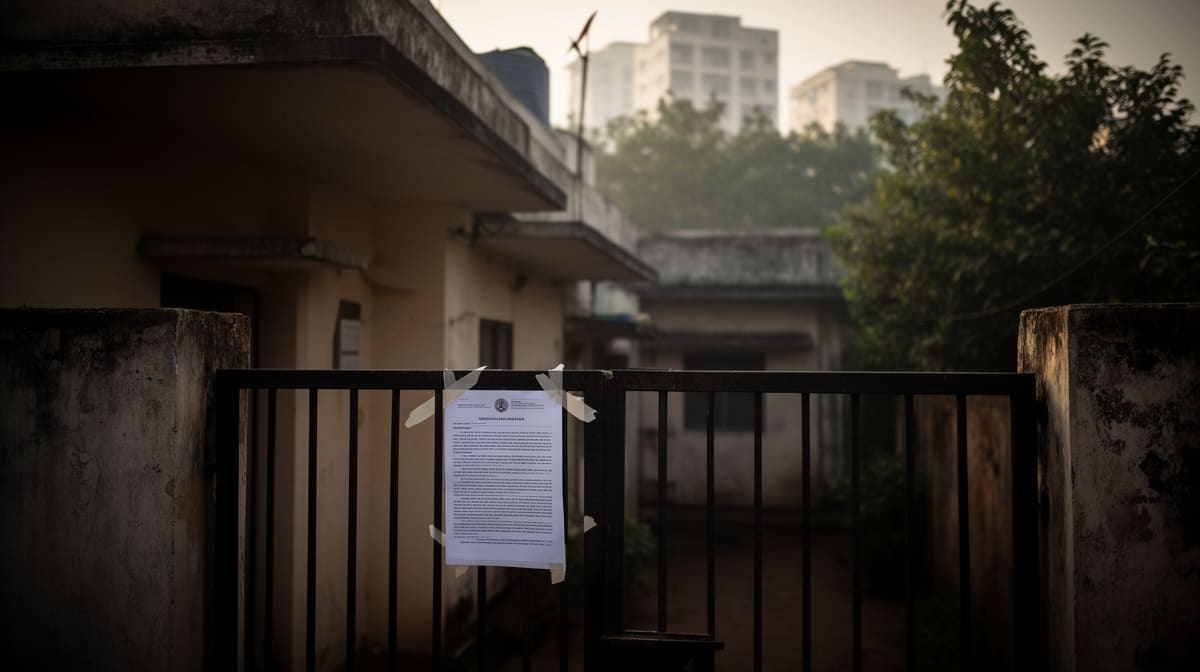
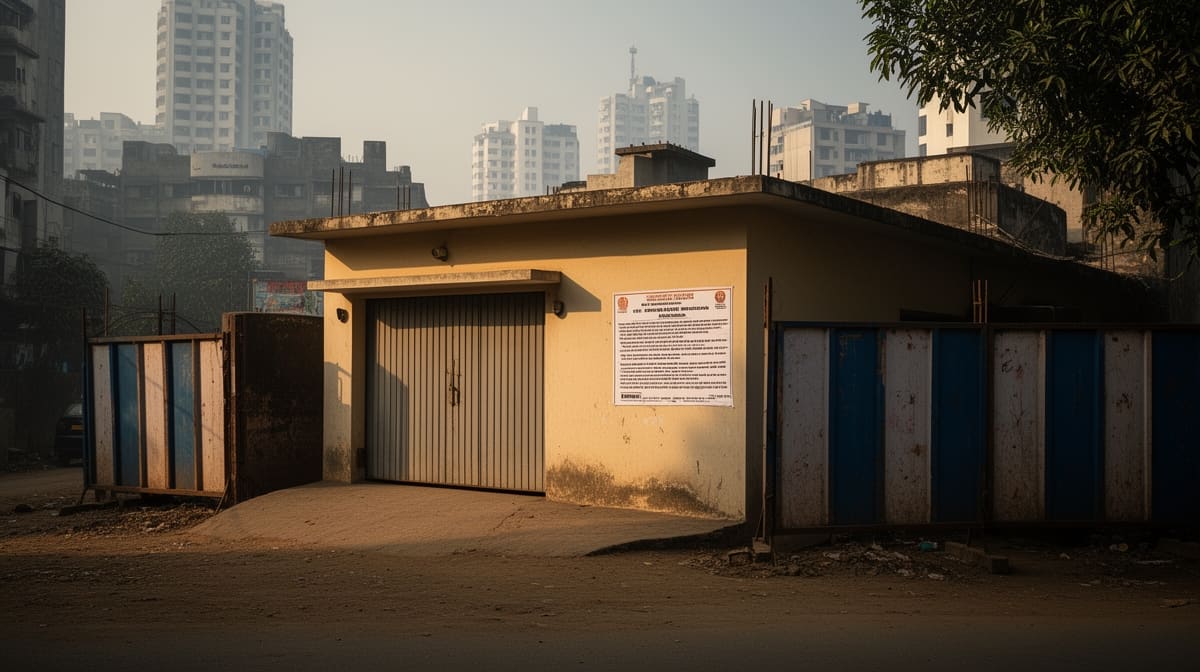
The appellant, Ramesh Prakash Yadav, owns a 230 sq. ft. structure in Mulund, Mumbai, used as a garage. The Bombay Municipal Corporation issued a notice under Section 351 of the Mumbai Municipal Corporation Act, 1888, seeking demolition on grounds that the structure was erected without permission and did not exist prior to 1st April 1962, a critical cutoff date under municipal law for recognizing existing structures. The appellant did not file a reply to the notice, and no documentary evidence was produced to establish prior existence.
Procedural History
- 2019: Trial Court dismissed the appellant’s suit challenging the demolition notice, citing failure to rebut the presumption of illegality and lack of evidence of pre-1962 existence.
- 2020: First Appeal filed before the Bombay High Court seeking stay of demolition.
- 2026: Interim Application No. 3390 of 2019 filed seeking stay pending appeal.
Relief Sought
The appellant sought an immediate stay of demolition to prevent irreversible loss of property. The respondent, the Bombay Municipal Corporation, opposed the stay, arguing that the structure was clearly unauthorized and that granting relief without conditions would undermine municipal enforcement.
The Legal Issue
The central question was whether a court may grant interim relief against demolition of a structure alleged to be unauthorized, and if so, whether conditioning such relief on the deposit of monthly sums dating back to the date of alleged construction constitutes a legally permissible equitable remedy.
Arguments Presented
For the Appellant
The appellant argued that the structure had been in continuous use since 2010, and possibly earlier, and that demolition would cause irreparable harm. He contended that the Trial Court’s dismissal was based on procedural default rather than substantive proof of illegality, and that equity demanded a stay pending final adjudication. He relied on principles of balancing of convenience and irreparable injury under Order XXXIX Rule 1 and 2 of the CPC.
For the Respondent
The Corporation contended that the appellant had admitted the absence of any permission and failed to discharge the burden of proving lawful existence prior to 1962. It argued that granting a stay without conditions would encourage unauthorized construction and erode municipal authority. It emphasized that Section 351 empowers the Corporation to act summarily against illegal structures, and that judicial intervention must not undermine statutory enforcement.
The Court's Analysis
The Court acknowledged the appellant’s failure to rebut the presumption of illegality under Section 351, but recognized the potential for irreversible harm if demolition proceeded before final adjudication. It held that while the structure’s legality remained in doubt, the principle of equity permitted a conditional stay to preserve the status quo.
"To balance the equities, the plaintiff is directed to deposit Rs.15,000/- per month from 1st January, 2011 to 31st March, 2026 within eight weeks from today and thereafter to continue the deposit of Rs.15,000/- per month in this Court till the disposal of the Appeal."
The Court reasoned that the deposit requirement served three purposes: it compensated the Corporation for the period of unauthorized use, deterred future violations by imposing financial liability, and ensured that the appellant bore the cost of litigation delay. The Court further directed that the amount be invested in a fixed deposit, to be held in trust pending final outcome, with the possibility of transfer to the Corporation or a charitable fund if the appeal failed.
The Court distinguished this from a penalty or fine, framing it as a sui generis equitable condition tied to the preservation of property rights pending adjudication. It emphasized that the condition was not punitive but remedial, designed to prevent unjust enrichment and ensure accountability.
The Verdict
The appellant succeeded in obtaining interim relief. The Court held that interim stay against demolition may be granted subject to the deposit of monthly sums retroactively calculated from the date of alleged unauthorized use, provided the amount is deposited in court and held in fixed deposit pending final disposal.
What This Means For Similar Cases
Deposit as Equitable Condition Is Now Recognized
- Practitioners may now seek stay of demolition by proposing a structured deposit scheme covering the period of unauthorized use
- Courts may impose such deposits even where the legality of the structure is doubtful, provided harm is irreversible and equity demands balance
- The deposit must be tied to a clear time frame and investment mechanism to ensure accountability
Retroactive Liability Is Enforceable in Interim Relief
- Courts are willing to impose financial liability dating back to the inception of unauthorized use, not merely from the date of filing
- This creates a strong deterrent against prolonged unauthorized occupation while preserving the right to litigate
- Practitioners must advise clients to prepare for potential retroactive financial obligations when seeking stay
Municipal Enforcement Is Not Absolute
- The ruling affirms that even under strong statutory powers like Section 351, courts retain discretion to intervene on equitable grounds
- Municipal authorities must now anticipate that stays may be granted with financial conditions, altering litigation strategy
- The judgment reinforces that procedural defaults do not automatically justify irreversible remedies like demolition