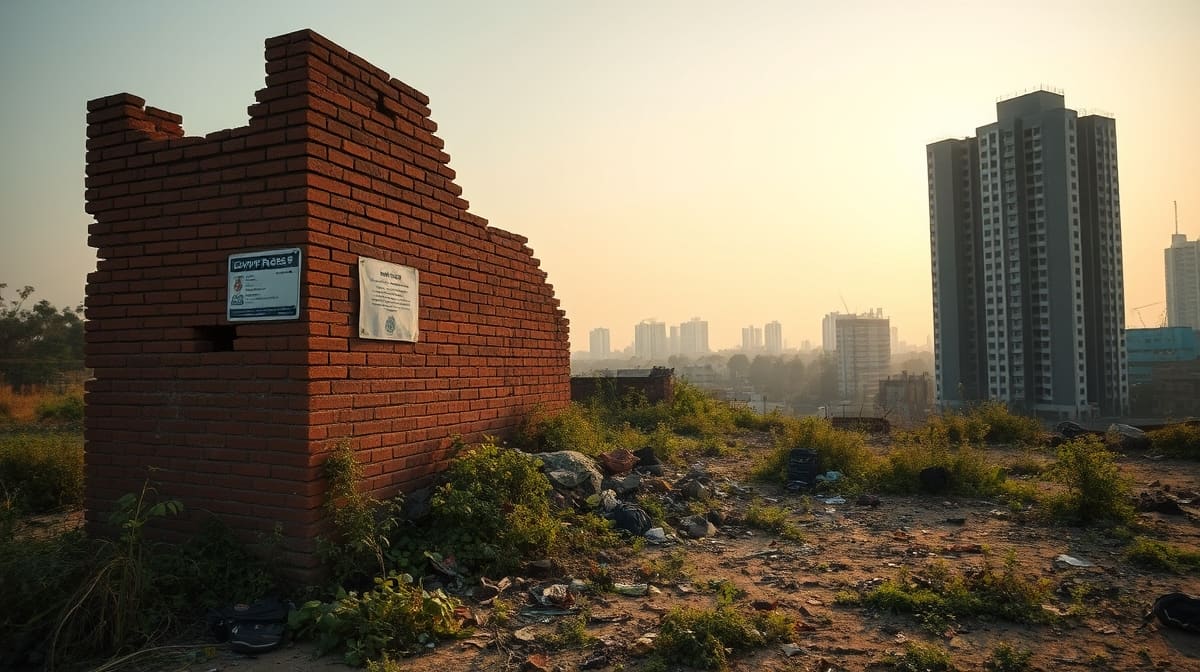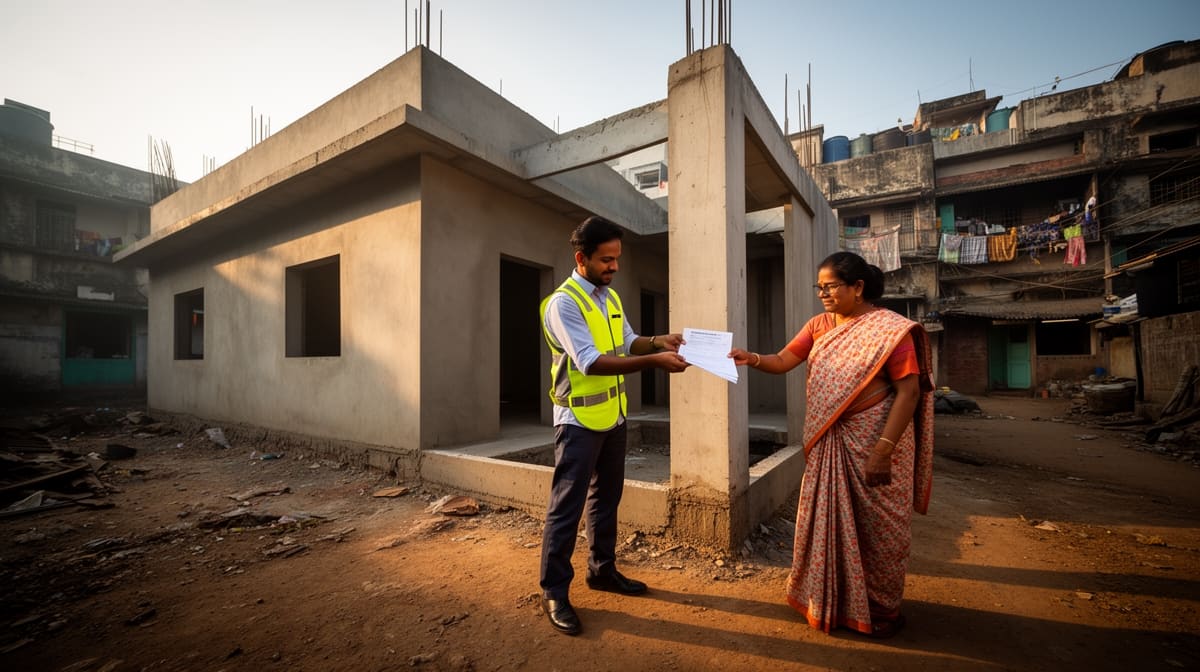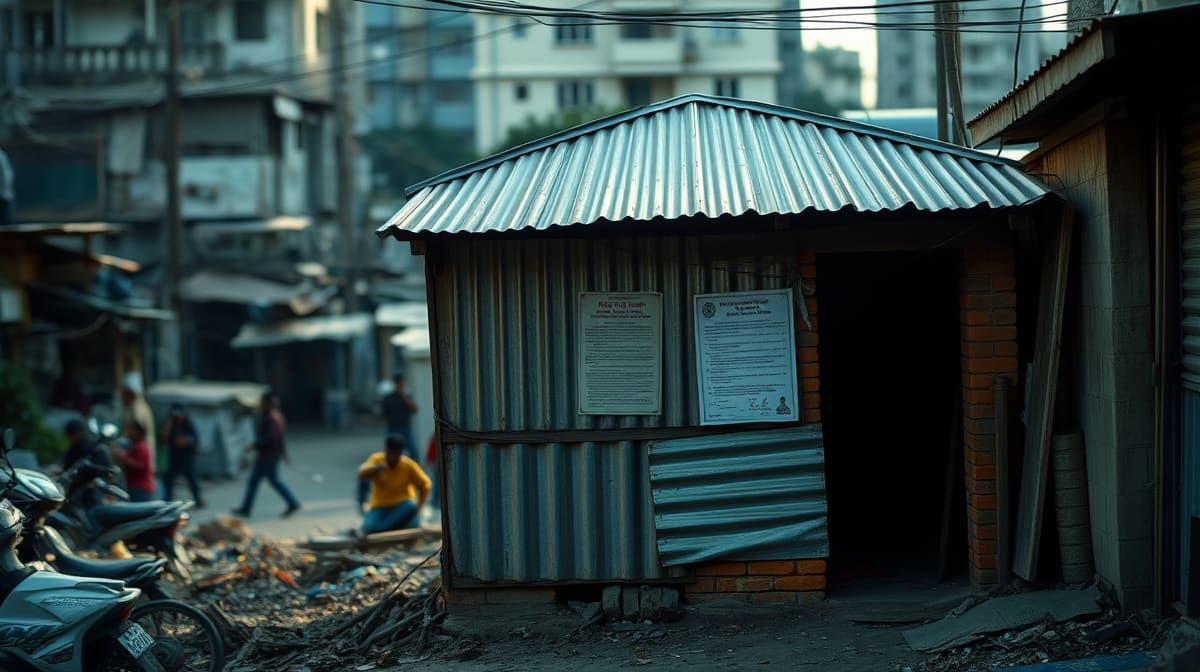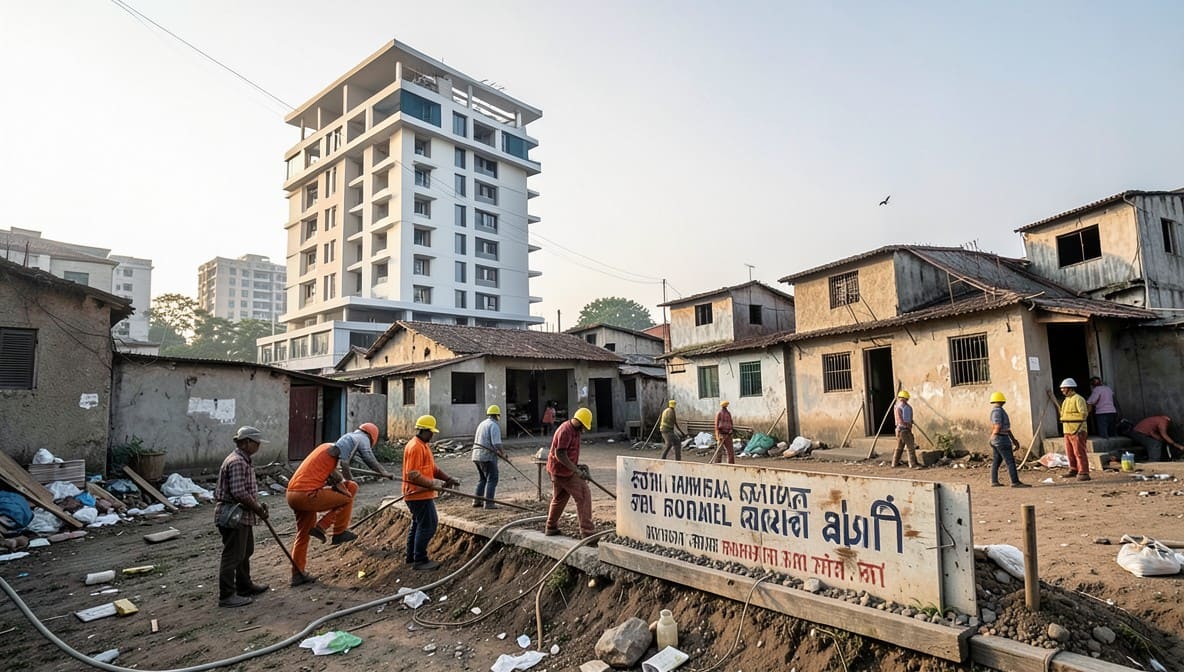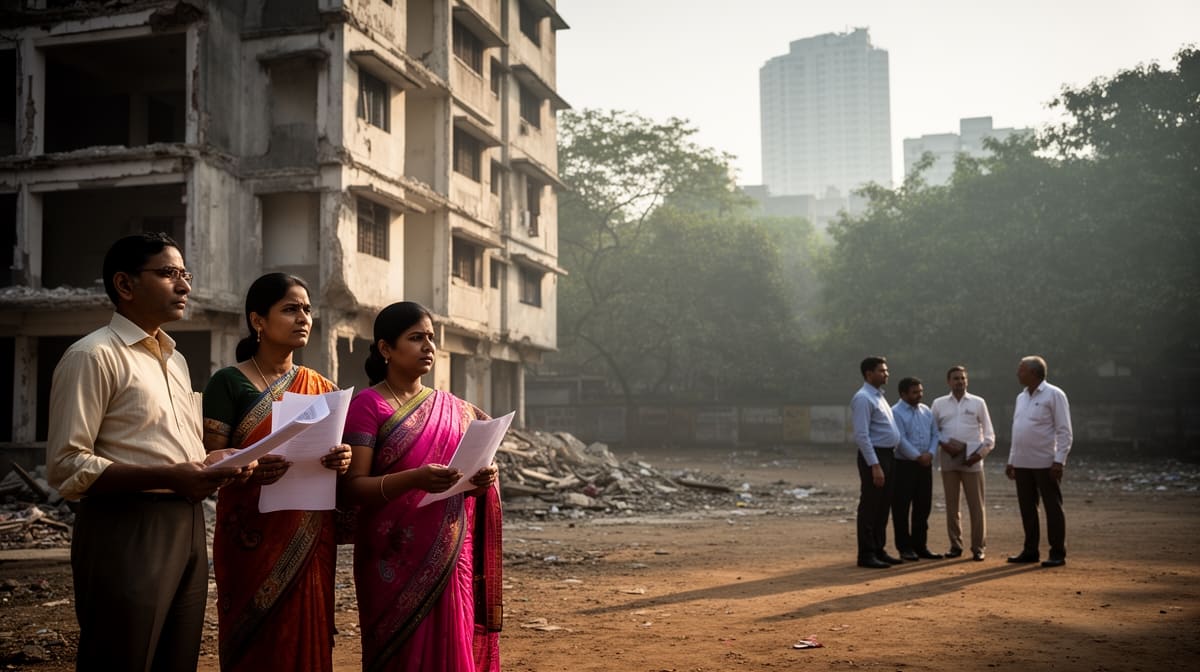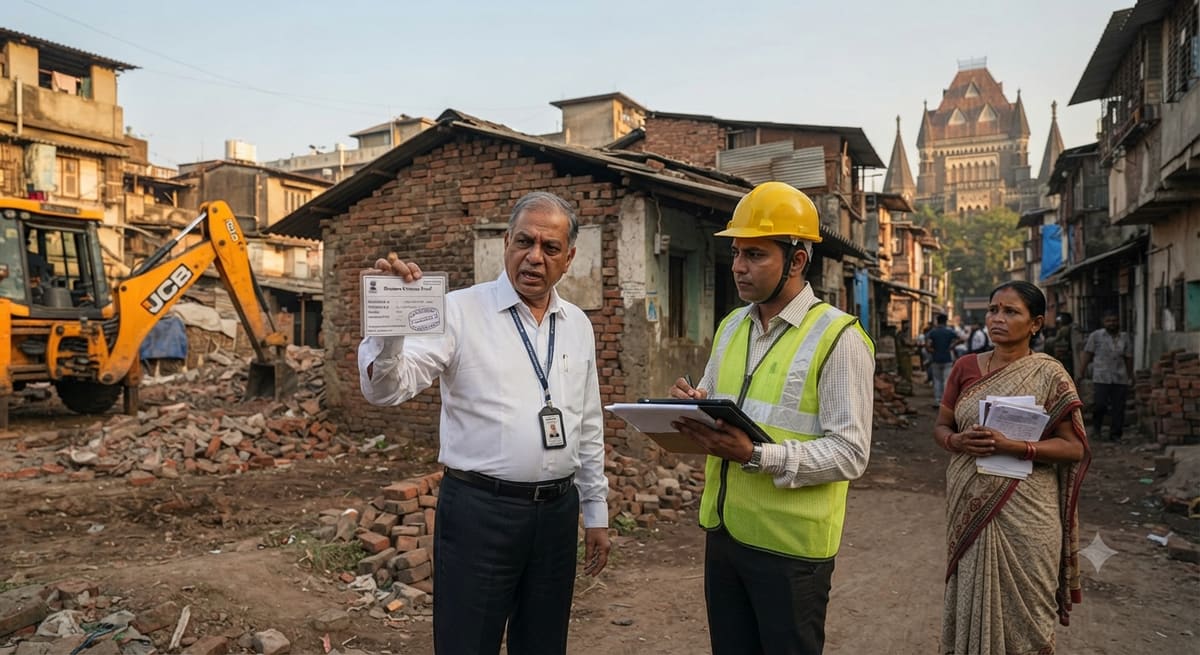
The Bombay High Court has underscored the importance of prima facie evidence in slum redevelopment disputes, holding that mere administrative notices cannot override documented proof of structure existence. The judgment establishes that when a petitioner produces official documents like photo passes and slum authority endorsements, the municipal corporation must undertake physical inspection before proceeding with demolition or clearance under Section 32 of the Maharashtra Slum Areas (Improvement, Clearance and Redevelopment) Act, 1971.
Background & Facts
The Dispute
The petitioner, Deepak Upasani, challenged a notice dated 13 June 2016 issued by the Municipal Corporation of Greater Mumbai (BMC) under Section 32 of the Maharashtra Slum Areas Act, 1971. The notice alleged that the petitioner's structure measured 15 ft. × 20 sq. ft. with a height of 11 ft., and sought its clearance or redevelopment. The petitioner contested the notice, claiming the structure existed prior to the cut-off date under the Act.
Key Facts
The disputed structure was recorded in the notice as measuring 15 ft. × 20 sq. ft. (300 sq. ft.) with a height of 11 ft.
The petitioner produced a Photo Pass describing the structure as 225 sq. ft.
Documents issued by the Slum Authorities indicated the structure existed prior to the relevant date under the Act
The BMC's own endorsement acknowledged the structure's height as 11 ft. but noted it extended beyond this height
No physical inspection was conducted by the BMC before issuing the notice
Procedural History
13.06.2016: Notice issued by BMC under Section 32 of the Maharashtra Slum Areas Act
Date unspecified: Petitioner filed documents (Photo Pass and Slum Authority endorsements) to contest the notice
2019: Writ Petition (WP No. 10327 of 2019) filed before the Bombay High Court
13.07.2026: Judgment delivered by Justice Amit Borkar
Relief Sought
The petitioner sought:
Quashing of the impugned notice dated 13.06.2016
Direction to the BMC to inspect the premises before taking further action
Stay on demolition or clearance proceedings until proper adjudication
The Legal Issue
The central question was whether Section 32 of the Maharashtra Slum Areas Act permits the municipal corporation to proceed with clearance or redevelopment without physical inspection, when the petitioner has produced prima facie evidence (Photo Pass and Slum Authority documents) establishing the structure's existence prior to the cut-off date.
Arguments Presented
For the Petitioner
Argued that the Photo Pass and Slum Authority documents constituted prima facie proof of the structure's existence prior to the relevant date
Contended that the BMC failed to conduct an inspection before issuing the notice, violating principles of natural justice
Submitted that the structure's dimensions, as recorded in official documents, did not exceed permissible limits
For the Respondents
The BMC relied on the notice dated 13.06.2016, which recorded the structure's dimensions and height
Argued that the structure extended beyond the recorded height, justifying clearance proceedings
Did not address the lack of physical inspection or the petitioner's documentary evidence
The Court's Analysis
The Court examined the material on record, including the Photo Pass and Slum Authority documents, and held that the petitioner had prima facie established the existence of the structure. The judgment emphasized that the BMC's own endorsement acknowledged the structure's height as 11 ft., but noted it extended beyond this limit. The Court observed:
"From the material available on record, including the endorsement made by the Municipal Corporation, it appears that the subject structure exists up to a height of 11 ft. and extends beyond the said height. In these circumstances, for an effective and proper adjudication of the controversy involved, it is necessary that the Municipal Corporation undertakes an inspection of the subject premises."
The Court further held that since the BMC recorded the height as 11 ft., it could not proceed with clearance without physical verification. The judgment underscored the need for procedural fairness, stating that administrative actions under Section 32 must be based on evidence and inspection, not mere notices.
The Verdict
The Court quashed and set aside the impugned orders passed by the authorities under the Act. The BMC was directed to:
Inspect the subject premises to verify the structure's dimensions
If the structure exceeds permissible limits, issue a fresh notice and proceed in accordance with law
Comply with the order without delay
The petition was disposed of in these terms, with no order as to costs.
What This Means For Similar Cases
Prima Facie Evidence Triggers Inspection Obligation
Documentary proof (Photo Passes, Slum Authority endorsements) now imposes a duty on municipal corporations to conduct physical inspections before initiating clearance proceedings
Practitioners should argue that notices issued without inspection are procedurally flawed and liable to be quashed
Courts may set aside orders where authorities fail to verify facts on the ground
Limits on Administrative Discretion Under Slum Laws
Section 32 of the Maharashtra Slum Areas Act cannot be invoked mechanically - authorities must adjudicate disputes based on evidence
The judgment reinforces that slum clearance proceedings must comply with principles of natural justice, including the right to be heard and evidence-based decision-making
Petitioners can challenge notices where authorities rely solely on records without physical verification
Strategic Use of Official Documents
Photo Passes and Slum Authority endorsements are now critical evidence in slum disputes
Practitioners should prioritize collecting and presenting such documents to establish prima facie rights
Courts may presume validity of official documents unless rebutted by the authorities through inspection or counter-evidence